
Reviewed · CITY TOURS
Cusco: Half-Day City Tour
Cusco’s most striking lesson is built into its walls: Inca stonework and Spanish colonial buildings share the same streets, often in uneasy contact. This six-hour outing takes you from the Plaza de Armas and cathedral to Qoricancha, then uphill to Sacsayhuaman, Qenqo, Puka Pukara, and Tambomachay.
I like the way the tour links city sights with major archaeological sites instead of treating them as separate trips. I also like having a bilingual guide who can explain the clash between Inca culture and Catholicism while answering questions in Spanish or English.
The main drawback is pace. Six hours covers a lot, and one previous participant felt the first stop was rushed and that an extra hour would help. You should expect a full schedule, not a slow morning of lingering at each site.
Key points at a glance
- Two sides of Cusco in one outing: See Spanish colonial power in the cathedral and Inca engineering at Qoricancha.
- Sacsayhuaman gets proper attention: The tour includes guided explanation and time to explore the massive ruins on your own.
- Four archaeological stops outside town: Visit Sacsayhuaman, Qenqo, Puka Pukara, and Tambomachay by tourist transport.
- The guide is the heart of the tour: English and Spanish explanations make the complicated cultural story easier to follow.
- Budget price, extra entrance fees: The $22 tour price covers transport and guiding, but the listed admission fees add 130 soles.
- A practical first-day choice: Finish in Cusco’s main square, where you can continue sightseeing, eat, or shop independently.
Why this route works for a first look at Cusco
Cusco can feel confusing at first. Streets twist through the old center, the altitude can slow you down, and the city’s Inca and Spanish layers are easy to miss if you simply walk from one church to the next. This route gives you a clear framework.
You begin in the main square, move through the colonial center to Qoricancha, and then ride out to the major Inca sites above and beyond the city. That order makes sense. You first see how Cusco functions today, then learn how its buildings and sacred places were reshaped after the Spanish conquest.
The tour costs $22 per person, which is a fair price for six hours of transport and a professional bilingual guide. It is not an all-in admission price, though. You need to budget separately for the cathedral, Qoricancha, and the archaeological sites outside the city.
The listed fees are:
- Cathedral: 40 soles
- Qoricancha: 20 soles
- Tourist ticket for the outside archaeological sites: 70 soles
That brings the listed entrance costs to 130 soles per person, in addition to the tour price. Bring cash, since the practical instructions specifically call for it. The value is strongest if you want transport and explanation arranged for you rather than trying to connect all these places independently.
more Peru days to weigh up
- Cusco: Half-Day City Tour with Sacsayhuaman and Q’enco
★ 4.6 · 1,129 reviews - Lima’s Vibrant Heritage: Exploring the City’s Landmarks Half-day
★ 4.5 · 581 reviews - From Puno: Floating Islands of the Uros Half-Day Tour
★ 4.4 · 394 reviews
Starting at the Plaza de Armas
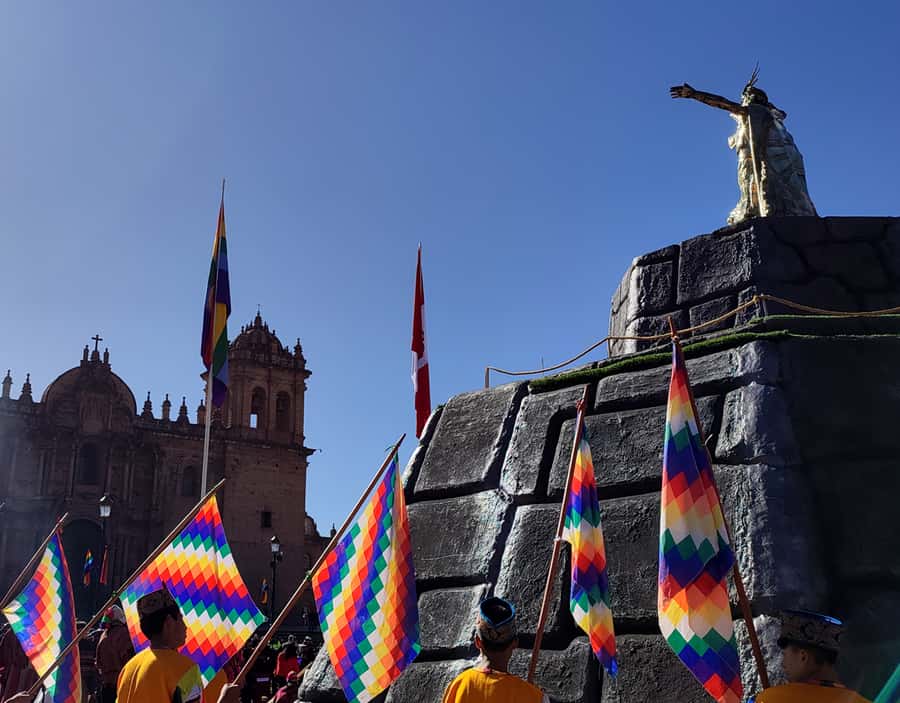
The meeting point is the Plaza de Armas, at the monument to the Inca. If you selected hotel pickup when booking, transport can begin at your hotel. Otherwise, plan to reach the plaza on your own and find the group at the stated reference point.
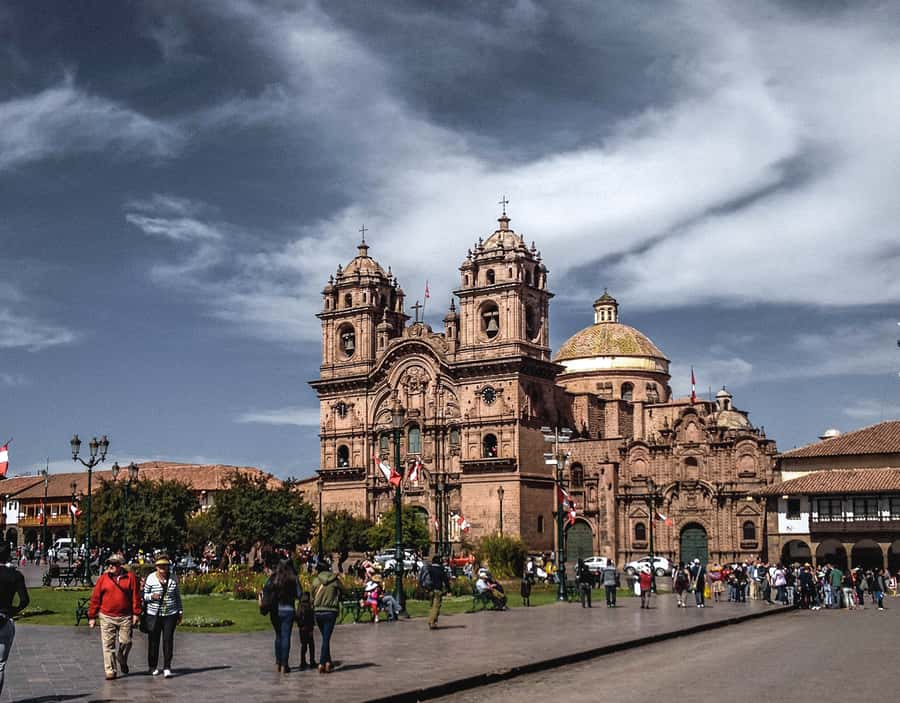
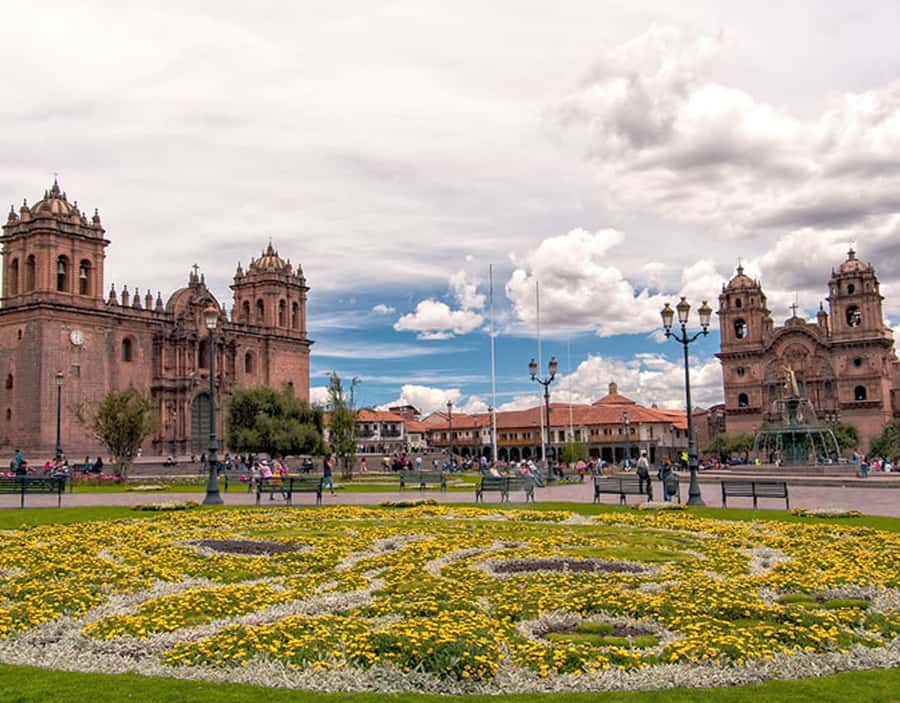
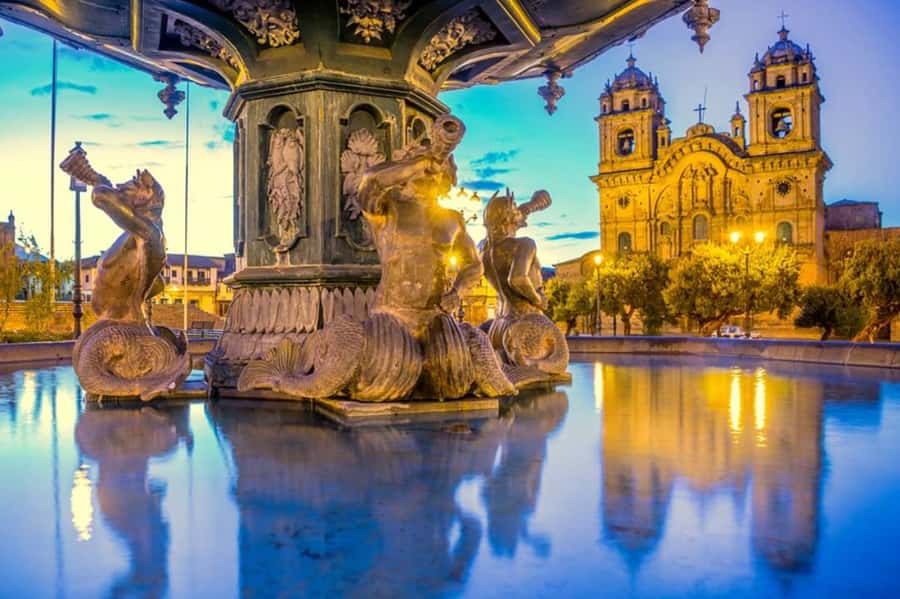
The square is a good place to begin because it shows Cusco as both a working city and a major sightseeing center. Locals cross the plaza, visitors gather around the cathedral, and the surrounding buildings make clear how Spanish colonial design took over the center of the former Inca capital.
Your first major stop is the cathedral. The admission fee is not included, so keep 40 soles available if you want to enter. The tour description places emphasis on observing the people and activity around the square as well as visiting the church, so this part combines cultural orientation with a formal religious site.
Do not expect a long independent visit here. The overall schedule has several stops still ahead, and the first part can feel hurried. If the cathedral matters greatly to you, listen closely to the guide and use your free moments carefully rather than assuming you will have lots of time to study every detail.
Walking the old Inca streets to Qoricancha
From the square, you continue on foot through Cusco’s old streets to Qoricancha, the Temple of the Sun. This is one of the most useful sections of the tour because the walk itself becomes part of the lesson.
Qoricancha helps explain the dramatic change from Inca religious center to Catholic complex. The guide discusses the meeting, and conflict, between Inca culture and Catholicism. You also see different construction methods close together, which is more revealing than hearing a general explanation from a distance.
The Inca stonework is the key point. Rather than treating the site as a pile of old walls, pay attention to how the stones fit and how later construction altered the original setting. The contrast gives you something concrete to look at while the guide explains the wider story.
Admission to Qoricancha costs 20 soles and is not included. The walk afterward continues down Avenida El Sol, one of Cusco’s main streets. This is a useful change of scene. You leave the tight old lanes, pass into a busier urban corridor, and board the tourist bus for the sites outside the city.
Sacsayhuaman and the scale of Inca engineering
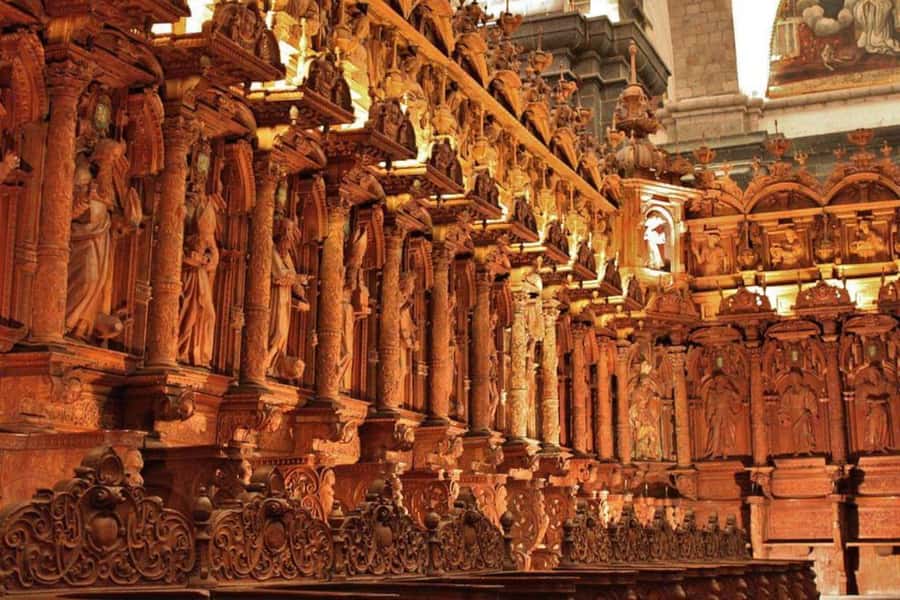
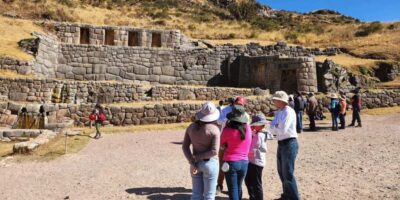
Sacsayhuaman is the heavyweight stop. The site sits above Cusco and is known for its huge stone construction, but the real impact comes from scale. The walls and open spaces give you a stronger sense of Inca building skill than smaller fragments in the city center.
The guide leads you through the site, then gives you time to explore independently. That split is important. A guide can point out what you are seeing and explain why the site matters, but you also need a few quiet minutes to look across the stonework without trying to keep up with a group.
This is likely the place where the outside archaeological-sites ticket matters most to your budget. The listed tourist ticket costs 70 soles and is separate from the $22 tour price. Check the current ticket details when booking, but use the supplied price as a planning figure.
Wear shoes suited to walking on uneven ground. The schedule includes city streets, ruins, and several outdoor stops, so this is not a polished indoor sightseeing circuit. Bring your passport or ID card as requested, along with cash for admission and small purchases.
The guide’s role matters here. One strong feature of the experience is the bilingual explanation in English and Spanish. A previous participant specifically appreciated the guide’s ability to explain the Inca sites in both languages and answer questions about Cusco and the Inca world. That matters because Sacsayhuaman can otherwise become a quick photo stop with little context.
more city tours in Peru
- City Tour Cusco Qoricancha Sacsayhuaman y Tambomachay
★ 4.7 · 617 reviews - Cusco: Sightseeing Tour of the City on an Open-Top Bus
★ 4.0 · 481 reviews - Open Bus Cusco City Tour
★ 4.5 · 219 reviews - Cusco: City Tour | Half-Day Tour to 4 Archaeological Sites
★ 4.6 · 206 reviews
Qenqo, Puka Pukara, and the Temple of Water
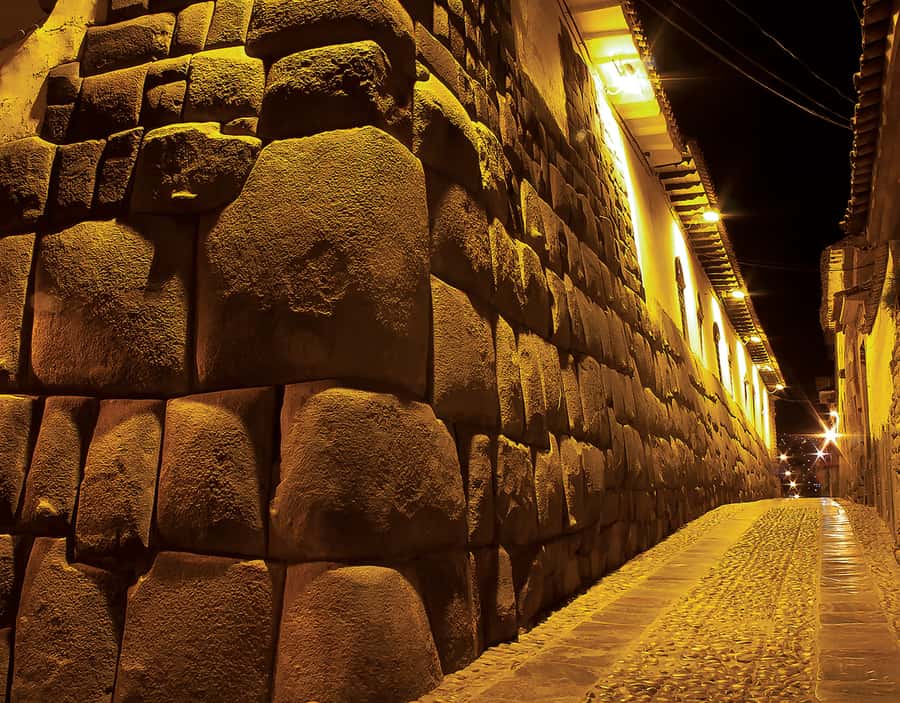
After Sacsayhuaman, the bus continues to Qenqo. This site is smaller and more intimate, with sacred altars that invite closer attention. The tour description highlights the altars, so listen for how the guide interprets the spaces rather than expecting another huge complex.
Qenqo gives the day some variety. Sacsayhuaman impresses through size, while Qenqo asks you to look at carved and ceremonial details. The two sites work well together, though the short schedule means you may need to choose what deserves your closest look.
The route also includes Puka Pukara, described as a small circular site, and Tambomachay, known as the Temple of Water. Tambomachay’s fountains are the visual payoff here. Water was not a minor detail in Inca sacred places, and the fountains make the site feel different from the massive stone walls at Sacsayhuaman.
These stops are reached by bus, which saves you from arranging separate taxis or trying to work out the order yourself. That convenience is a major part of the tour’s value. You can spend your attention on the guide and the sites instead of watching the clock for transport connections.
Still, this is a packed circuit. You will see several places in one afternoon, but you will not have unlimited time at any of them. If your preference is detailed archaeology photography or long unhurried visits, a private or longer tour may suit you better.
What the guide adds to the day
The guide is more than a person who points out buildings. The central subject is the relationship between Inca traditions and Spanish Catholicism, and that topic needs a clear explanation to make sense of what you are seeing.
The strongest praise attached to this experience concerns the guide’s explanations and willingness to answer questions. One guide also helped a late-arriving participant catch up with the group, which suggests the staff can be practical and responsive when a day goes slightly off schedule. Do not treat that as a reason to arrive late, but it is reassuring if your arrival in Cusco is tight.
The tour is offered in English and Spanish, with an audio guide also listed in both languages. That gives you two ways to follow along, though the live guide remains the main source of explanation and answers.
Because no guide names are provided, you cannot request a particular person in advance from the information available. What you can reasonably look for is a guide comfortable discussing both the city and the Inca sites, not just reciting dates. Bring questions. The route covers enough ground to make questions about building methods, religious change, and the purpose of each site worthwhile.
The pace, transport, and practical tradeoffs
Six hours is long enough to cover the main sights but short enough to fit into a busy Cusco itinerary. The bus sections help, especially after walking through the center, and you do not have to arrange a separate ride to Sacsayhuaman, Qenqo, Puka Pukara, or Tambomachay.
The tradeoff is speed. A participant rated the tour highly but felt the first stop was rushed and suggested adding another hour. I would take that seriously if you care about the cathedral or want a relaxed start. The route has no obvious spare time because it includes the plaza, cathedral, Qoricancha, Avenida El Sol, four outside sites, and a return to the main square.
The meeting point also deserves attention. Hotel pickup is available only for people who chose that option at booking. The general meeting point is the Plaza de Armas, by the Inca monument. Read your booking details carefully so you know whether to wait at your hotel or go straight to the square.
The tour is not presented as an accessibility-focused activity, and the route includes walking through old streets and archaeological sites. The safest advice is to expect uneven ground and a fair amount of time on your feet. The supplied information does not give a group size, so you should not assume a small-group setting.
Free cancellation is available up to 24 hours before the activity for a full refund, and you can reserve now and pay later. Those terms are useful if your Cusco plans depend on weather, altitude adjustment, or a changing arrival schedule.
Is $22 a good value?
Yes, if you want a broad introduction and plan for the admission fees. The base price is low for a six-hour route with tourist transportation and a professional bilingual guide. You are paying for organization, transportation, and interpretation rather than simply buying access to a single site.
The extra 130 soles can change how inexpensive the day feels. The cathedral and Qoricancha fees are modest, but the 70-sol tourist ticket for the outside archaeological sites is the larger addition. Count those costs before booking so the final total does not surprise you.
I see the best value for visitors with limited time in Cusco. You can cover the city center and the principal nearby Inca sites in one outing, then return to the Plaza de Armas with the rest of the day available. It is also useful if you prefer a guide to explain the cultural collision that shaped modern Cusco.
The value is weaker for someone who has already visited these sites or wants a specialized archaeological tour. The route is broad, not deeply focused on one monument, and the pace may leave you wishing for longer at the early stops.
How to use the finish in Cusco
The tour ends in the city’s main square. This is convenient because you are not left at a distant ruin or asked to find your own way back from the final site.
Use the ending as a chance to continue at your own pace. You can sit in the plaza, sample street food, or bargain in local shops. The tour’s structured part ends, but the location lets you turn the afternoon into a more relaxed city walk.
The timing also makes this a useful first or second day activity. After the guided route, you will know where the square, cathedral, Qoricancha, and Avenida El Sol fit together. That basic map can make later independent walks less confusing.
Who should book this Cusco tour?
I would choose it for a first visit, especially if you want the city’s colonial center and nearby Inca sites explained in one day. It suits people who appreciate a guide, need transport beyond the center, and are happy with a steady schedule.
It is also a good match for English or Spanish speakers who want live explanations and the chance to ask questions. The bilingual format is a real advantage when a group includes both languages.
I would hesitate if your top priority is a slow cathedral visit, long photography stops, or detailed time at every ruin. The tour covers a lot, and the known weakness is its rushed feel at the first stop. In that case, consider a longer or more private arrangement, if available.
Should you book it?
Book this tour if you want a low-cost introduction to Cusco that joins the Plaza de Armas, Qoricancha, Sacsayhuaman, Qenqo, Puka Pukara, and Tambomachay in one organized route. The bilingual guide, included transport, and independent time at Sacsayhuaman give the day useful balance.
Skip it if you already know the main sites or prefer to spend an entire morning at one monument. Most importantly, add the 130 soles in listed entrance fees to your budget and expect a brisk six-hour schedule. For a first orientation to Cusco, that is a sensible trade.
FAQ
How long does the Cusco city tour last?
The tour lasts six hours. Starting times depend on availability when you check the booking options.
Where is the meeting point?
The meeting point is in Cusco’s Plaza de Armas, using the monument to the Inca as the reference point.
Is hotel pickup included?
Hotel pickup is available for people who choose that option at the time of booking. The general meeting point is the Plaza de Armas.
Which languages are available?
The live guide speaks English and Spanish. An audio guide is also listed in English and Spanish.
Are entrance fees included in the $22 price?
No. The cathedral costs 40 soles, Qoricancha costs 20 soles, and the tourist ticket for the archaeological sites outside the city costs 70 soles.
What should I bring?
Bring your passport or ID card and cash. Cash is useful for the separate entrance fees and personal purchases.
Can I cancel the tour?
You can cancel up to 24 hours in advance for a full refund. The booking terms also allow you to reserve now and pay later.
Recently added around Peru
- Palcoyo colored mountain hike + stone forests★ 4.6 · 3 reviews
- Ica: Tacama Winery and Pisco Tasting Tour with Hotel Pickup★ 3.1 · 3 reviews
- Mancora: Beaches and Tumbes Mangroves Day Trip★ 4.5 · 3 reviews
- Maras Moray★ 5.0 · 3 reviews
- Full-Day Condor Viewpoint & Inca Sites Tour★ 5.0 · 3 reviews
- From Cusco: Vinicunca Mountain of Colors Excursion + Ticket★ 5.0 · 3 reviews
- Excursion 2 days/1 nights in the jungle: Tambopata★ 5.0 · 3 reviews
- Excursion Cusco – Puno – Titicaca Observatory Train★ 5.0 · 3 reviews
City Tours, compared.

Half-Day City Tour with Sacsayhuaman and Q’enco
Read our review →
City Tour Cusco Qoricancha Sacsayhuaman y Tambomachay
Read our review →
Lima’s Vibrant Heritage: Exploring the City’s Landmarks Half-day
Read our review →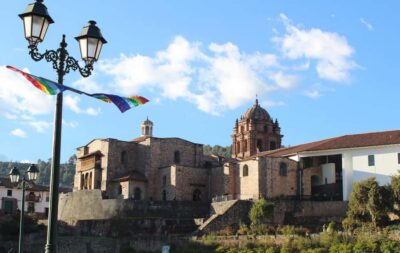
Sightseeing Tour of the City on an Open-Top Bus
Read our review →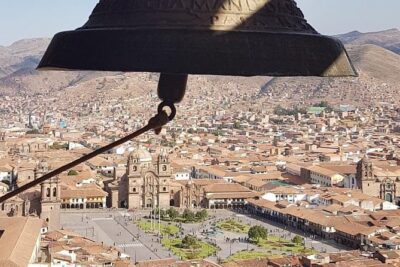
City Tour | Half-Day Tour to 4 Archaeological Sites
Read our review →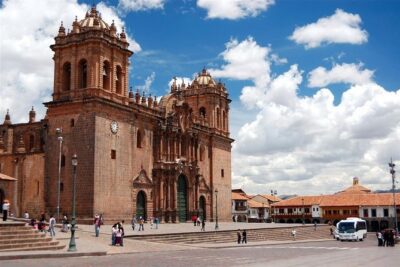
City Tour in Cusco & visit Museum South American Camelid Private.
Read our review →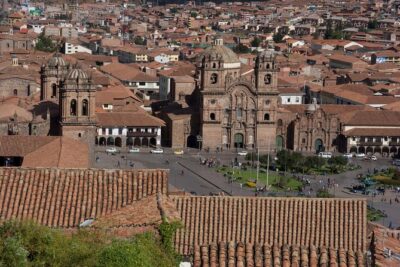
Cusco City Sightseeing, San Pedro Market, Cathedral and Qorikancha Temple
Read our review →Browse the lists this tour appears in