
Reviewed · CUSCO TOURS
Ausangate Trek 5 Days
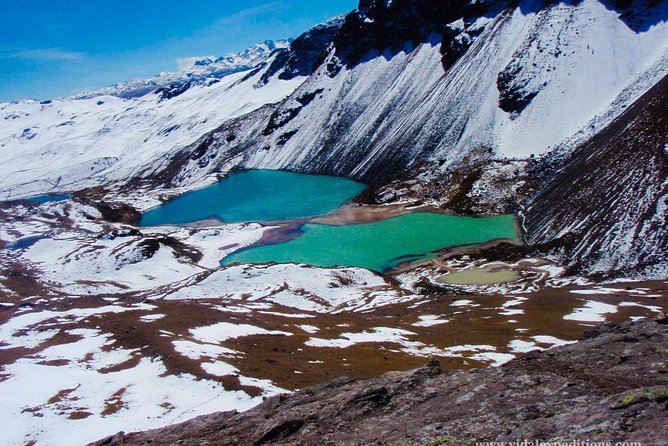
Ausangate is Peru at its most remote and dramatic: a five-day circuit around a sacred 6,384-meter mountain, with turquoise lakes, snow-bright glaciers, alpacas, and very few other groups. I like the small groups of up to 10 and the way guides such as Guillermo and Urbano connect the scenery with local beliefs. I also like that horses carry the camping gear, while a cook prepares hot meals each day.
The catch is the altitude. You sleep as high as 4,630 meters and cross Palomani Pass at 5,200 meters, so this is not a gentle walk. The cold can be severe at night, and the itinerary’s distances and elevation figures are demanding even for fit hikers.
Key points to know before booking
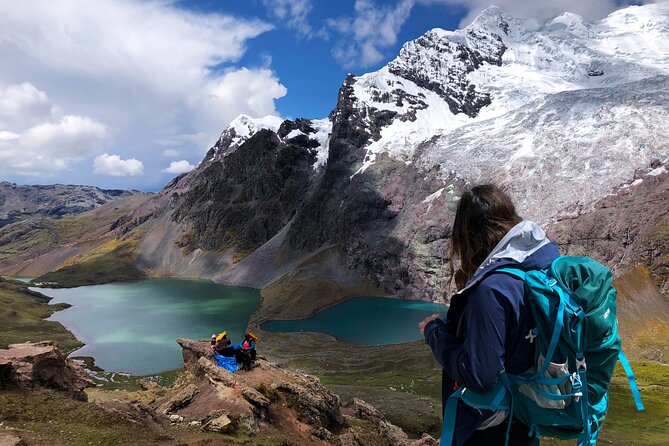
- A 5,200-meter high point: Palomani Pass is the highest crossing, reached on Day 3.
- Hot springs at both ends: Upis provides a soak on the first night, and Pacchanta is the final reward.
- Quiet mountain scenery: The route visits remote areas where you may see very few other groups.
- Meals are a major part of the value: Five lunches, four breakfasts, and four dinners are included.
- A real cultural finish: Day 5 includes local food, traditions, and weaving techniques with a local family.
- Pack serious cold-weather gear: The camps sit between about 4,200 and 4,630 meters.
Why Ausangate feels different from the classic Cusco treks
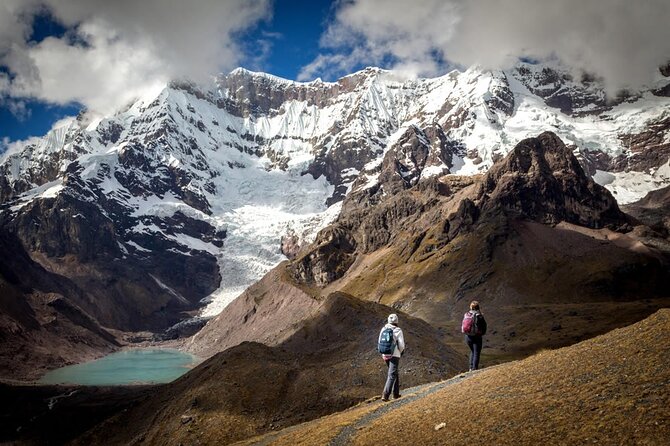
Many visitors come to Cusco for Machu Picchu, the Inca Trail, or Rainbow Mountain. Ausangate offers a much wilder setting. The route circles the great Ausangate peak through high valleys and passes, with glaciers and colored lakes appearing day after day.
I like the sense of space here. The scenery does not arrive as one quick viewpoint followed by a return to the bus. You walk through it for several days, watching the mountain change shape as you move around it. The route also brings you close to Andean life, including local families, horse drivers, and long-held beliefs about the mountain as an Apu, or sacred mountain spirit.
This is a small-group trip, with a maximum of 10 people. That matters at high altitude. Your guide can keep the pace more personal, and the group does not feel like a long procession on the trail. Vidal Expeditions has used guides including Guillermo and Urbano, also called Chino, who are praised for explaining local culture, wildlife, terrain, and traditions as they go.
The route is also unusually quiet for a famous Peruvian trek. You may see alpacas, glacial lakes, and broad mountain valleys without the steady stream of people found on busier routes. That solitude is one of the strongest reasons to choose Ausangate.
More Hiking Tours in Cusco
- From Cusco: 7 Lakes Ausangate Trek with Breakfast and Lunch
★ 4.8 · 360 reviews - Cusco: Rainbow Mountain Tour and Red Valley Hike (Optional)
★ 4.7 · 149 reviews - Cusco: Full-Day Rainbow Mountain & Red Valley Trekking Tour
★ 4.5 · 121 reviews
Day 1: Cusco to Upis and its hot springs
The day begins early, with a 5:00 a.m. start in Cusco. Private transport takes you to Tinke, where you can buy last-minute supplies and have breakfast before continuing to Rondoca, the trailhead.
This early stop is practical. Tinke is your final chance to pick up things you forgot, and breakfast gives you a little fuel before the first walk. I would not treat this as a relaxed morning. You are leaving Cusco early and heading quickly into high country.
At Rondoca, you meet the rest of the support team, including the cook and horse driver. The first hike lasts roughly three to four hours and covers about 8 kilometers according to the itinerary. After around two hours, lunch is served along the trail, with views toward Ausangate.
The day finishes at Upis, at roughly 4,200 meters. It is a shorter opening day than what follows, but the altitude begins immediately. You can soak in the local hot springs and drink coca tea before dinner. This is a smart way to finish the first day because your legs get some relief before the colder night.
Upis is also a useful introduction to the rhythm of the trek. You walk, eat, settle into camp, and rely on the mountain team for the evening work. Since horses transport the equipment, you do not need to carry the full camping load yourself, though you still need a daypack with water, layers, and personal items.
Day 2: Arapa Pass, turquoise lakes, and a high camp
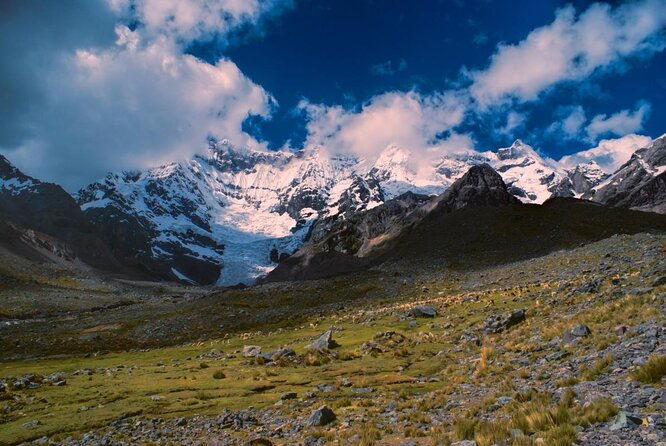
Day 2 is the first major test. The crew wakes you with hot coca tea, followed by breakfast. You then climb to Arapa Pass at 4,850 meters.
The ascent is not just a number on the itinerary. At this height, every uphill section feels slower, and your breathing may become the main thing you notice. Take the pace seriously. You will get more from the views if you avoid racing the pass.
From Arapa, the trail drops for about two and a half hours through the valley. Along the way, you pass Puqa Q’ocha, a green lake, before reaching Jatun Puqa Q’ocha, described as turquoise. Lunch is served beside the lake with Ausangate in view.
This is the sort of setting that makes the route worth the effort. The lakes are not a single famous photo stop. They appear as part of a long walking day, with the color changing as the light and angle change. You also have time to explore around the lake and take photographs.
After lunch comes the second pass, Apacheta, at about 4,980 meters. A turquoise lagoon below is fed by melting snow from Ausangate. From the pass, you descend for about an hour to Ausangate Qocha, where the second camp is set at approximately 4,630 meters.
The figures make this the toughest day for many people: about 12 kilometers and seven hours of hiking. You climb high, descend, climb again, and then camp at an elevation higher than most mountain towns. The reward is a close look at the glacial water system around Ausangate, but the cost is a cold, demanding night.
Day 3: Palomani Pass at 5,200 meters
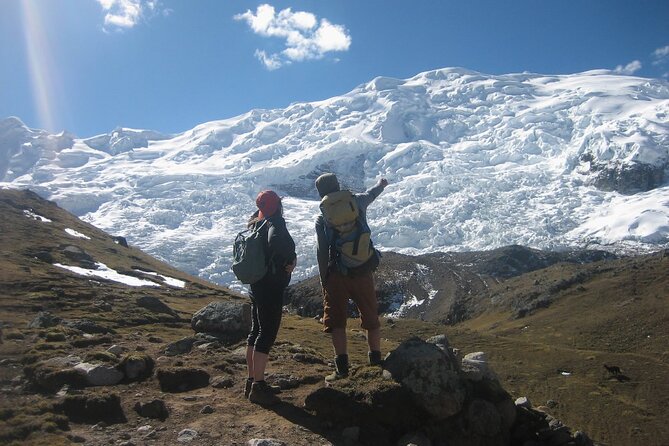
Day 3 takes you to the highest point of the trek. After breakfast, you climb to Palomani Pass at 5,200 meters, or about 17,060 feet. The uphill section takes roughly two hours.
This is the day to measure your expectations honestly. A moderate fitness rating does not make this a moderate-altitude walk. Your ability to handle thin air, cold, and long climbs matters as much as your leg strength.
At the pass, the guide performs a ceremony for Apu Ausangate. This gives the trek a cultural center rather than making it only a physical challenge. The mountain is not treated simply as a backdrop. It is part of the spiritual life of the region, and the ceremony helps explain why the peak matters to local communities.
After Palomani, you descend for about an hour to Uchuy Phinaya for lunch. The afternoon includes another couple of hours of walking to the next campsite. The day totals about 13 kilometers and six to seven hours, with camp around 4,500 meters.
I like the shape of this day. You reach the highest pass, pause for a meaningful local tradition, and then walk down into a different part of the mountain country. It is also a day when a good guide makes a real difference. Guillermo and Urbano are praised for sharing stories and cultural details without turning the hike into a lecture.
more Cusco days to weigh up
- Salkantay Trek Challenge – 3 Days / 2 Nights
★ 5.0 · 101 reviews - From Cusco: Rainbow Mountain Trek
★ 4.5 · 98 reviews - Private Palccoyo Rainbow Hike Without the Crowds
★ 5.0 · 86 reviews - Choquequirao Trek 4 days and 3 nights
★ 5.0 · 81 reviews
Day 4: Blue lagoons and the Pacchanta hot springs
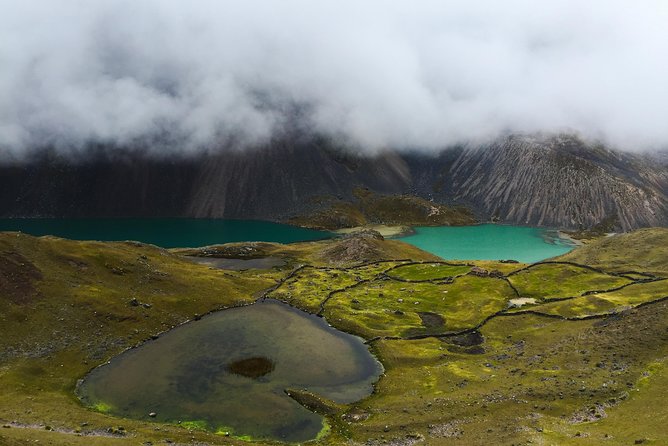
Day 4 is still a serious walking day, but the mood shifts. There is one pass to cross, and the route focuses on deep blue lagoons and glacial lakes with striking colors.
The itinerary suggests that you can jump into one of the lakes if you are brave enough. I would treat this as an option, not a goal. At high altitude, even a quick swim can leave you cold, and the hot springs at Pacchanta are the more sensible place to warm up.
Ausangate remains visible, now from another angle, while the trail opens toward Pacchanta Valley. The day covers about 15 kilometers and lasts around six hours. Although it is described as descending, the distance still requires steady effort, especially after three nights at altitude.
The finish is Pacchanta’s hot springs. You soak with views of Ausangate above you, which makes this more than a simple rest stop. It is a chance to let tired muscles recover and to enjoy the mountain without climbing toward it.
The itinerary lists a camp elevation of about 4,300 meters for this stage. Since the final day includes the return to Cusco, confirm the exact sleeping arrangement and timing when you book, especially if you care about how much time you will have at the springs.
Day 5: Local food, weaving, and the return to Cusco
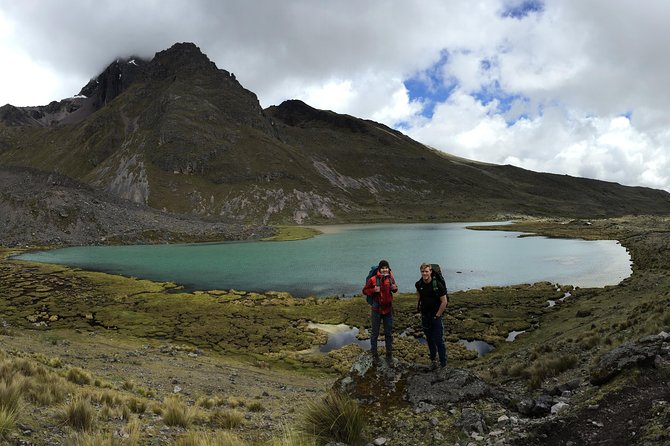
After breakfast, the trek closes with a ceremony hosted by a local family. You learn about traditions, taste local food, and see weaving techniques before taking a bus back to Cusco.
This is an important ending. The route gives you four days of striking scenery, but the local-family visit helps connect that scenery to people who live in the region. Food preparation and weaving offer a direct look at daily culture, rather than a quick stop for photographs.
The final day is listed at about three hours, including the cultural visit and bus journey. That gives you a gentler finish than a final full day on the trail. Still, your return time to Cusco is not specified, so do not schedule a tight flight or major appointment without confirming the transport details.
What the $660 price includes
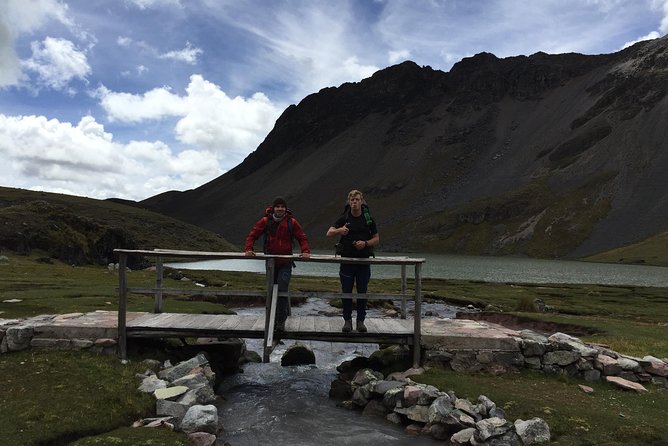
At $660 per person, this is not a cheap day trip, but it covers the costly parts of a five-day high-altitude trek. Camping equipment, horses for equipment, five lunches, four dinners, and four breakfasts are included.
The horse support is especially useful. You can walk with a lighter personal load while the horse driver handles the group’s equipment and helps with camp tasks. One especially praised crew member, Angel, is noted for caring for the gear and helping set up and take down tents.
Food is another strong part of the package. Cooks including Benigno, Beni, and assistant cook Euden have been praised for producing varied, hot meals in camp. That matters after six or seven hours of walking. A good meal is not a luxury at this altitude, it is part of keeping your energy steady.
The price does not include the entrance fee, listed as 20 soles, or a sleeping bag. You should also budget for anything you buy in Tinke and for personal snacks or drinks, since those are not listed as included.
The value is best for someone who wants support without joining a large group. You receive transport from Cusco, a guide, camping logistics, horse support, and most meals. If you already own trekking equipment and prefer to carry everything yourself, the package may feel less essential. If you want a staffed expedition in a remote area, the cost is easier to justify.
The cold and altitude deserve respect
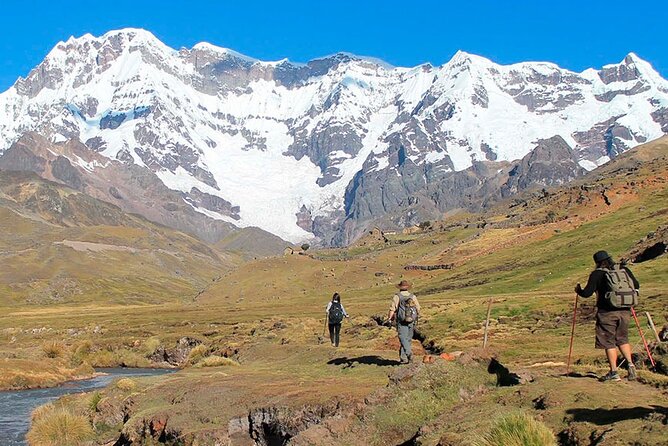
Ausangate is beautiful because it is high, but that same altitude is the main difficulty. Camps range from 4,200 to about 4,630 meters, and the route reaches 5,200 meters. The supplied guidance asks for moderate physical fitness, but I would add strong comfort with long uphill days and remote camping.
Bring your warmest mountain clothing. A fleece, insulated jacket, warm hat, gloves, and dry base layers are sensible choices based on the listed camp heights and reported cold nights. Your sleeping bag is not included, so arrange one before departure.
Acclimatization details are not provided, so you should ask Vidal Expeditions how they advise preparing in Cusco before the trek. Do not assume that a few easy walks will feel the same as crossing a nearly 5,000-meter pass.
The route is not presented as accessible for people with limited mobility. It includes steep climbs, high passes, uneven trail, cold camps, and long hiking days. You need to be comfortable with a physically demanding mountain itinerary.
The guide and crew shape the whole trip
A remote trek depends heavily on the people running it. The strongest part of the service here is the complete team: guide, cook, assistant cook, and horse driver.
Guillermo is praised for explaining local culture, wildlife, and the way people have lived in the area. Urbano, known as Chino, is also singled out for encouragement, local knowledge, and help with photographs. Those details matter because Ausangate can look like a series of huge views unless someone explains the meaning behind the mountain and the communities around it.
The cooking team is equally important. Benigno is noted for preparing varied meals three times a day, while Beni and Euden are associated with generous portions and good humor. Angel handles the horses and gear, helping camp run smoothly.
You should still remember that a small crew does not mean a hotel in the mountains. The equipment is described as good, but this remains a camping trip at extreme elevation. Expect practical comfort, not private rooms or heated accommodation.
Who should book this Ausangate trek?
I would choose this trek if you want remote scenery, sacred-mountain culture, and a genuine multi-day challenge. It suits fit hikers who are willing to trade comfort for quiet trails, glacial lakes, and a closer look at highland communities.
It is also a strong choice if you value good food and organized support. The included meals and pack horses remove much of the logistical burden, while the group size keeps the trip personal.
I would hesitate if you dislike cold camping, struggle with altitude, or want a relaxed holiday from Cusco. The route is long, high, and physically serious. Rainbow Mountain is sometimes combined with this trek, but that is not part of the five-day itinerary described here, so confirm exactly what your booking includes.
Cancellation is free up to 24 hours before the 5:00 a.m. start. Poor weather or failure to meet the minimum number of participants may lead to a different date, another experience, or a full refund.
Final verdict: a demanding trek with excellent support
The Ausangate Trek earns its appeal through the combination of high mountain scenery and human connection. You get turquoise lakes, glaciers, hot springs, and a 5,200-meter pass, but you also get a ceremony for Apu Ausangate and time with a local family.
I like the small groups, the strong food program, and the quiet route. Vidal Expeditions also appears to put real care into the working team, from guides such as Guillermo and Urbano to cooks and horse drivers who keep the trek moving.
Book it if you are ready for cold nights and hard walking, and if you want a less crowded alternative to Peru’s best-known routes. Skip it if you want low-altitude comfort or a light introduction to hiking. For the right person, the $660 price buys not just transport and meals, but a well-supported way into one of the Andes’ most powerful mountain regions.
FAQ
How long is the Ausangate Trek?
The trek lasts approximately five days, with four nights of camping and a return to Cusco by bus on Day 5.
What time does the tour start?
The stated start time is 5:00 a.m. in Cusco.
How much does the Ausangate Trek cost?
The price is $660 per person.
What is the highest point on the trek?
The highest point is Palomani Pass at 5,200 meters, or about 17,060 feet, reached on Day 3.
What meals are included?
The package includes five lunches, four dinners, and four breakfasts.
Is camping equipment provided?
Camping equipment and horses for carrying equipment are included. A sleeping bag is not included.
How many people can join the group?
The maximum group size is 10 people.
What happens if the weather is poor?
The experience requires good weather. If it is canceled because of poor weather, you will be offered a different date or a full refund.
More 5-Day Experiences in Cusco
- Small Group 5 Days Salkantay and Machu Picchu by Llactapata Tour
★ 5.0 · 88 reviews - Machu Picchu: 5-Day Salkantay Trek with Panoramic Train
★ 5.0 · 79 reviews - Classic Choquequirao Trek – 5 Days / 4 Nights
★ 5.0 · 52 reviews - Ultimate Lares Trek & Inca Trail 5 days
★ 5.0 · 47 reviews
Recently added around Cusco
- Palcoyo colored mountain hike + stone forests★ 4.6 · 3 reviews
- Maras Moray★ 5.0 · 3 reviews
- Full-Day Condor Viewpoint & Inca Sites Tour★ 5.0 · 3 reviews
- From Cusco: Vinicunca Mountain of Colors Excursion + Ticket★ 5.0 · 3 reviews
- Excursion Cusco – Puno – Titicaca Observatory Train★ 5.0 · 3 reviews
- Machu Picchu: Private Tour Guide Service for up to 15 people★ 4.5 · 3 reviews
- Machu Picchu: 1-day tour by Vistadome Observatory train★ 5.0 · 3 reviews
- Cusco: Chonta Canyon and Condor Flight Tour with Lunch★ 5.0 · 3 reviews
Cusco Tours, compared.
Humantay Lake Tour with Breakfast and Buffet Lunch
Read our review →
Sacred Valley & Maras Salt Mines Tour with Lunch
Read our review →
Moray, Maras Salt Mines & Chinchero Weavers Tour
Read our review →
Half-Day City Tour with Sacsayhuaman and Q’enco
Read our review →
Sacred Valley, Pisac, Ollantaytambo, Salt Mines Moray
Read our review →
Browse the lists this tour appears in