
Reviewed · PUNO TOURS
From Puno: 4h tour to Sillustani
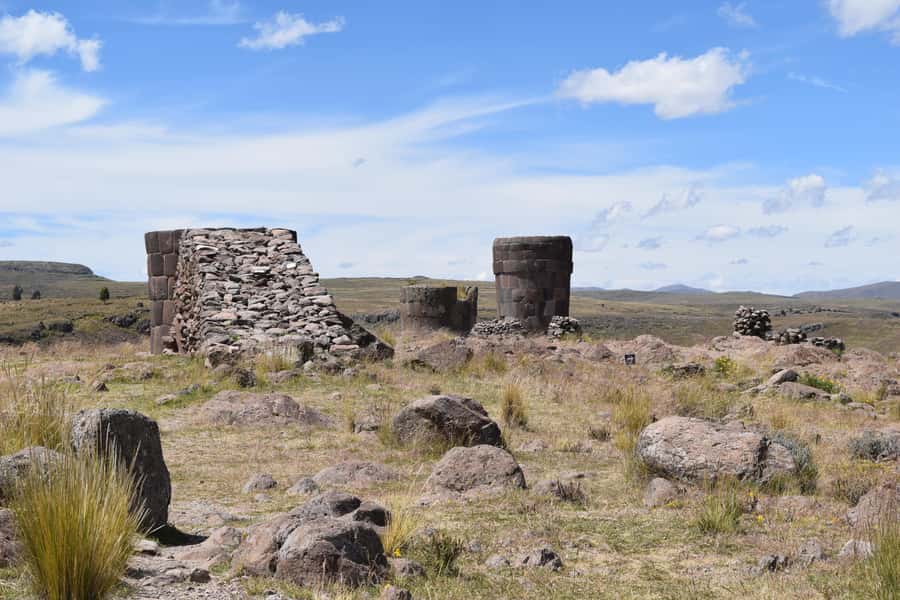
The great draw here is Sillustani’s 12-meter chullpas, stone burial towers set beside quiet Umayo Lagoon. Their careful construction, open highland setting, and connection to Colla and Inca burial customs give this short trip more substance than a quick ruin stop.
I like the afternoon timing, which brings softer light and often fewer crowds. I also like the mix of Puma Uta’s city view, open altiplano scenery, and the optional farmhouse visit, where you may see quinoa cooking, fresh cheese, animals, and a potato dish served with clay sauce.
The main drawback is the pickup process. One booking had a walk from the hotel to a bus, a bus change, and a 20-minute wait before the actual journey began. Road problems can also happen: one vehicle had a flat tire on the return, though the crew kept everyone safe and arranged another bus.
Key points to know before you book
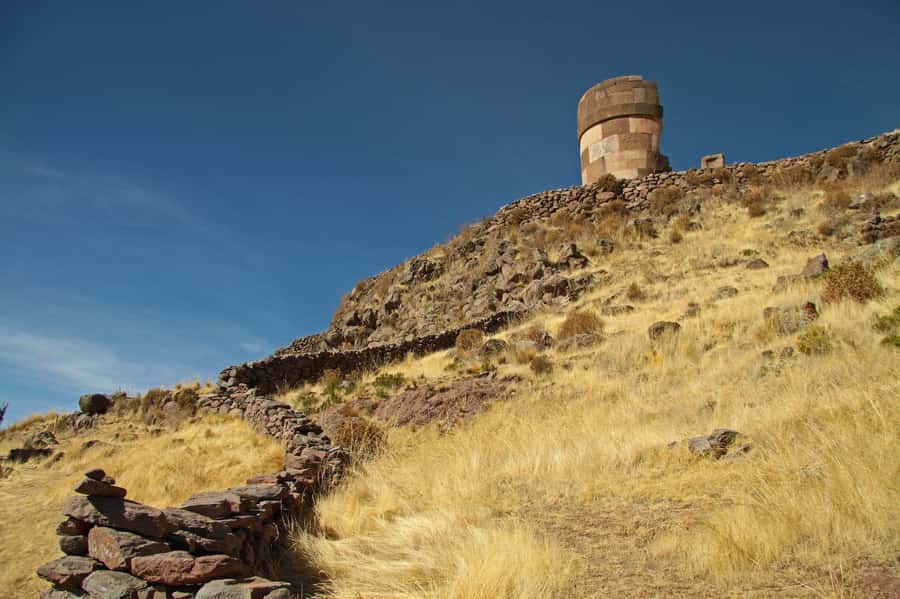
- Sillustani’s chullpas reach up to 12 meters: These Colla and Inca burial towers are the main reason to make the trip.
- Puma Uta comes first: A 15-minute stop gives you broad views over Puno, Lake Titicaca, and the surrounding hills.
- The afternoon light is a real advantage: You leave around 1:40 PM and return in the late afternoon.
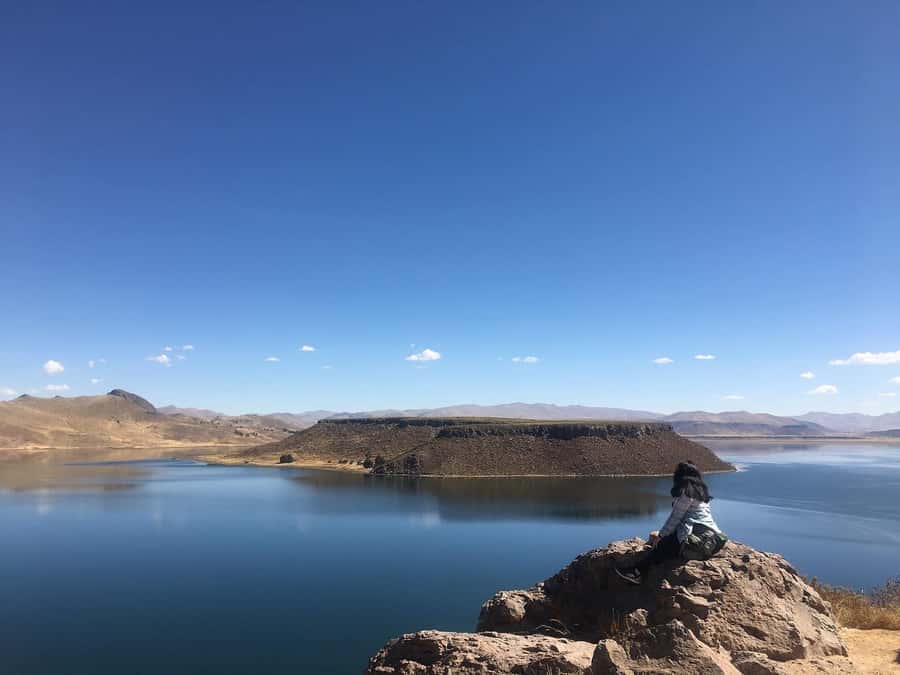
- Umayo Lagoon shapes the whole visit: The towers sit on a peninsula above calm water and open grassland.
- A farmhouse stop is optional: You may meet a local family and see food preparation, fresh cheese, and animal care.
- The $25 price covers the basics: Guide, entrance tickets, and transport are included, but meals are not.
Why Sillustani is worth the half-day from Puno
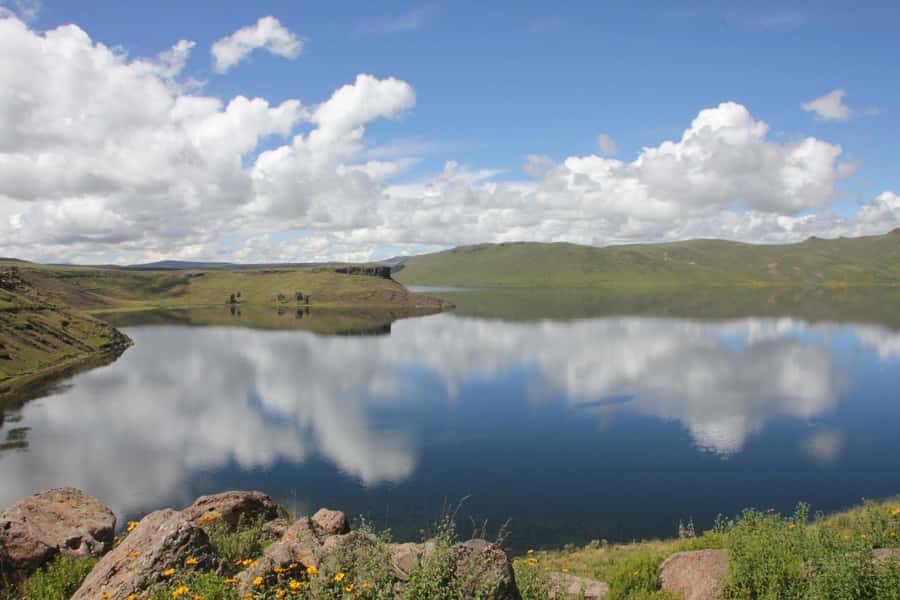
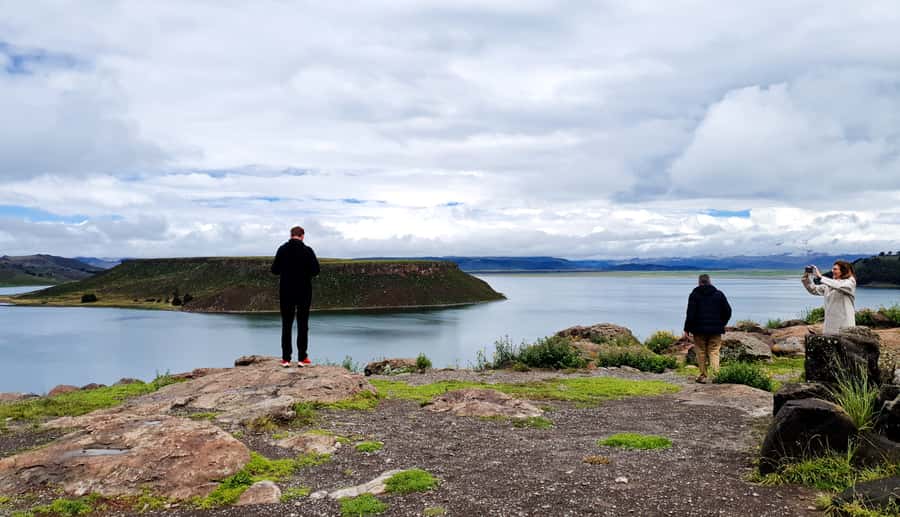
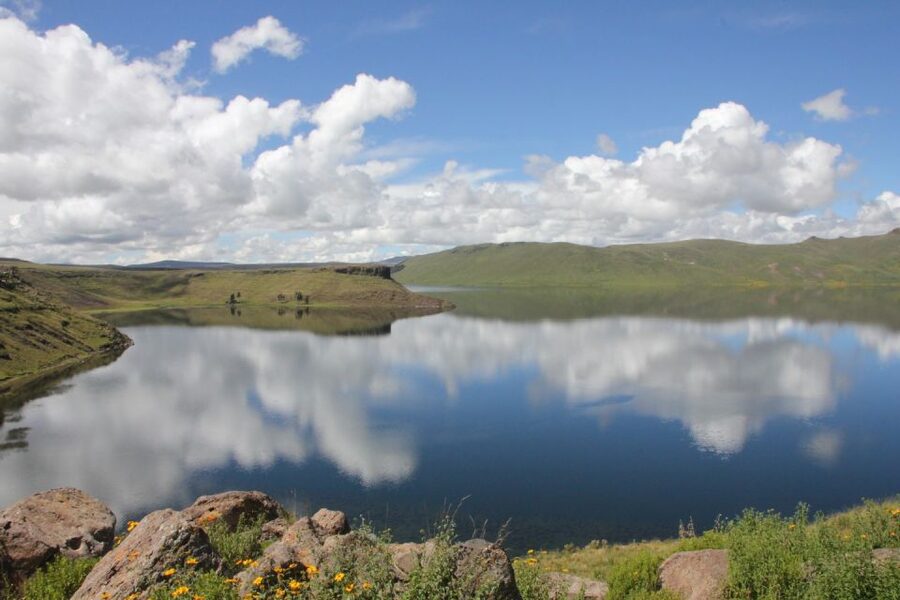
Sillustani is one of those places where the setting does much of the work. The archaeological site occupies a peninsula beside Umayo Lagoon, north of Puno, with broad grasslands and hills stretching around it. The chullpas rise from the ridge like stone towers, and the water below often reflects the sky when conditions are calm.
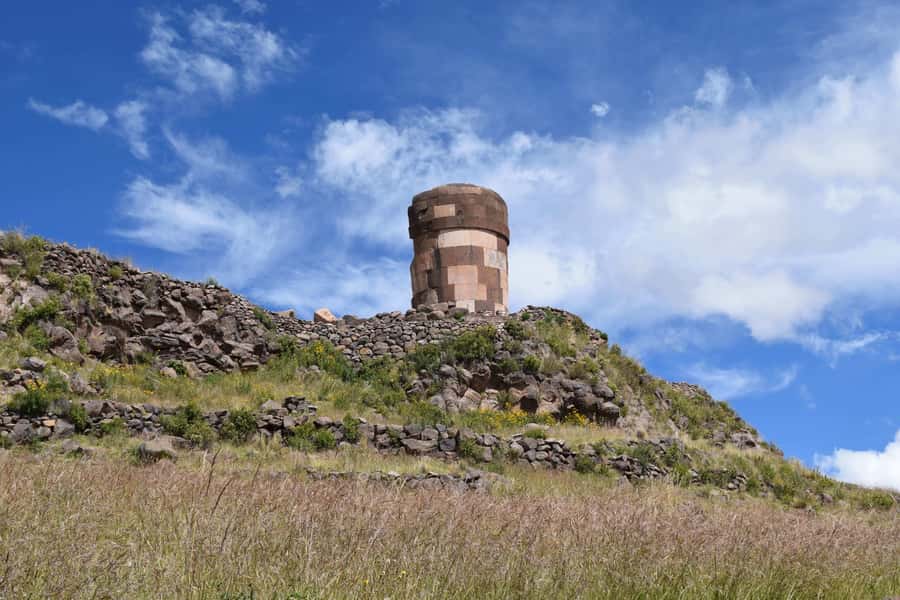
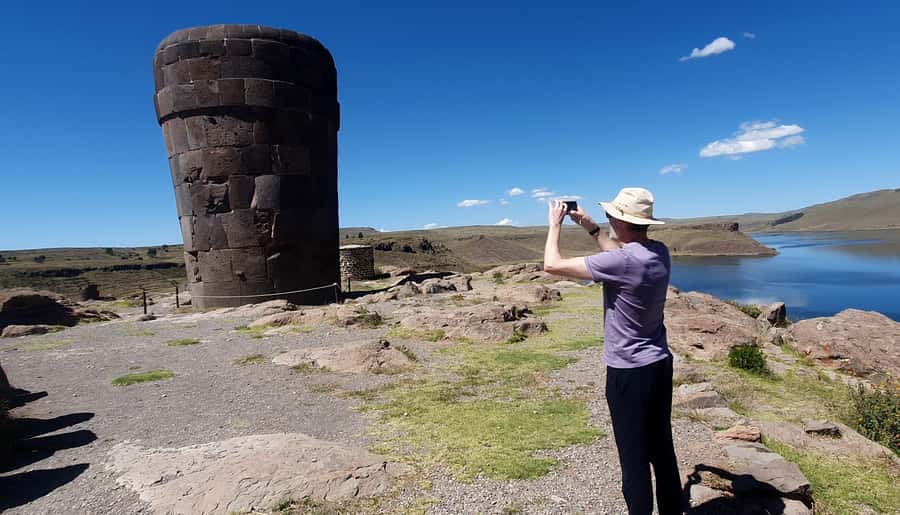
The towers were built as tombs by the Colla people and later used within the Inca world. Some reach about 12 meters high. Their builders worked stone blocks without mortar, and the fit between the pieces is one of the most striking details you will see.
Your guide explains who was buried in the towers, how the tombs were used, and why the structures narrow toward the base. That explanation matters. Without it, Sillustani can look like a group of impressive stone cylinders. With context, you begin to understand the site as a place tied to status, ritual, and changing political power.
The Colla created the burial tradition before the Inca period. When the Incas absorbed the region, local customs did not simply vanish. The site shows how older highland traditions continued under Inca rule, with changes in funerary practice and stone construction.
I would not treat this as a stop for ruins alone. The silence, high altitude, and position above Umayo Lagoon are a major part of the experience. You get time to look across the water, study the stonework, and notice how small the towers seem against the open country.
Other Puno days that pair with this one:
- From Cusco: Vinicunca Rainbow Mountain ATV Tour with Meals
★ 4.6 · 1,060 reviews - From Puno: Uros, Amantaní & Taquile Islands 2-Day Tour
★ 4.5 · 452 reviews - From Puno: Floating Islands of the Uros Half-Day Tour
★ 4.4 · 394 reviews
Starting above Puno at Puma Uta
The tour begins with pickup around 1:40 PM from a downtown Puno hotel or one of the listed central meeting points, including Plaza Mayor de Puno and Parque de Las Aguas. Hotels near Plaza de Armas are included for pickup, which keeps the start simple for many people staying in the center.
Before leaving the city, you stop at Mirador Puma de Puno for about 15 minutes. The viewpoint sits high on the edge of Puno and is marked by a large puma sculpture watching over the city.
This is a brief stop, so you should think of it as an orientation point rather than a full sightseeing visit. From above, you can see Puno’s rooftops, the hills around the city, and Lake Titicaca in the distance. It gives you a useful sense of where the city sits before the road heads across the altiplano.
The puma is an important Andean symbol, and the monument gives the viewpoint a clear local identity. You will have enough time for photographs and a quick look around, but not for a long walk or extended exploration.
The 40-minute road to Umayo Lagoon
From Puma Uta, the vehicle travels for roughly 40 minutes through open highland country. The road passes grasslands, adobe homes, llamas, and the wide, spare scenery around Puno.
This drive is part of the appeal, especially if you have only seen the city and Lake Titicaca. The route shows you a different side of the region, with fewer buildings and more grazing land. You climb gently to about 3,900 meters above sea level, so the air remains thin and the sun can feel strong even during a cool afternoon.
Bring water, a hat, and a warm layer. These are sensible items for any high-altitude outing, and the open site offers little shelter. The supplied information specifically asks you to bring a passport or identity card, so keep that with you.
The vehicle arrangements deserve a practical note. The tour is offered as a private or small-group experience, but the exact setup can vary. One booking involved walking from a hotel to a bus, changing buses, and waiting before departure. If a smooth hotel pickup matters to you, confirm the meeting point and vehicle plan before setting out.
Walking among the Colla and Inca tombs
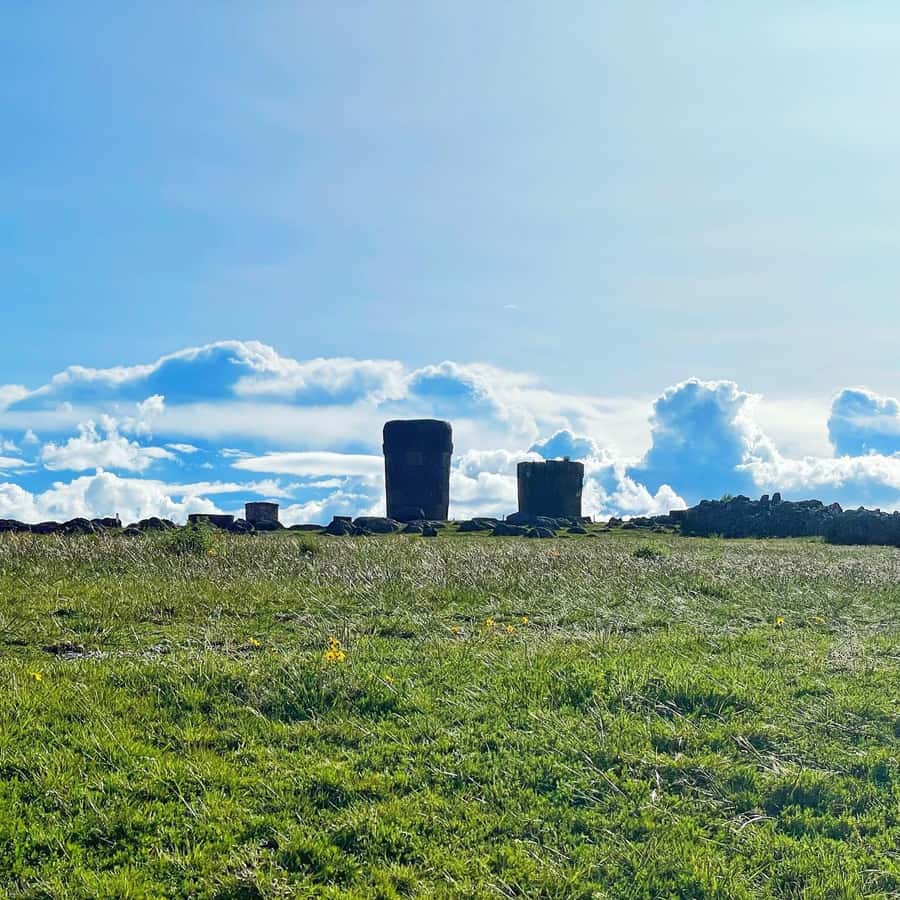
At Sillustani, the visit includes a guided tour, walking, and time for photographs. The complete stop is listed at about one and a half hours, while the guided trail itself is described as roughly 30 minutes. In practical terms, expect a guided explanation followed by time to look around and take pictures.
The route follows the peninsula and leads you toward the chullpas. These towers were burial places for important people, and their shape is not accidental. Your guide discusses their construction and the way the towers narrow toward the base, along with the funerary customs behind them.
Look closely at the masonry. The stones were fitted without mortar, and the construction reflects skills developed long before modern equipment. The towers are not all identical, which makes it worthwhile to study more than the first one you see.
The site does involve walking at high altitude. The trail is not described as a demanding hike, but you should allow yourself time to move slowly. The thin air can make a short uphill stretch feel harder than expected, especially if you arrived in Puno recently.
The afternoon schedule helps here. You are not trying to fit the visit into a crowded morning rush, and the lower sun can bring warmer tones to the stone. The light also works well for pictures of the towers against Umayo Lagoon.
Somewhere else entirely, still within reach of Puno:
- Lake Titicaca 2-Day Tour to Uros, Amantani and Taquile
★ 4.4 · 199 reviews - Puno: Full-Day Tour of Lake Titicaca and Uros & Taquile
★ 4.4 · 178 reviews - Puno: Full-Day Route of the Sun Tour to Cusco with Lunch
★ 4.7 · 131 reviews - Floating Islands of the Uros
★ 4.2 · 101 reviews
Umayo Lagoon and the value of a quiet setting
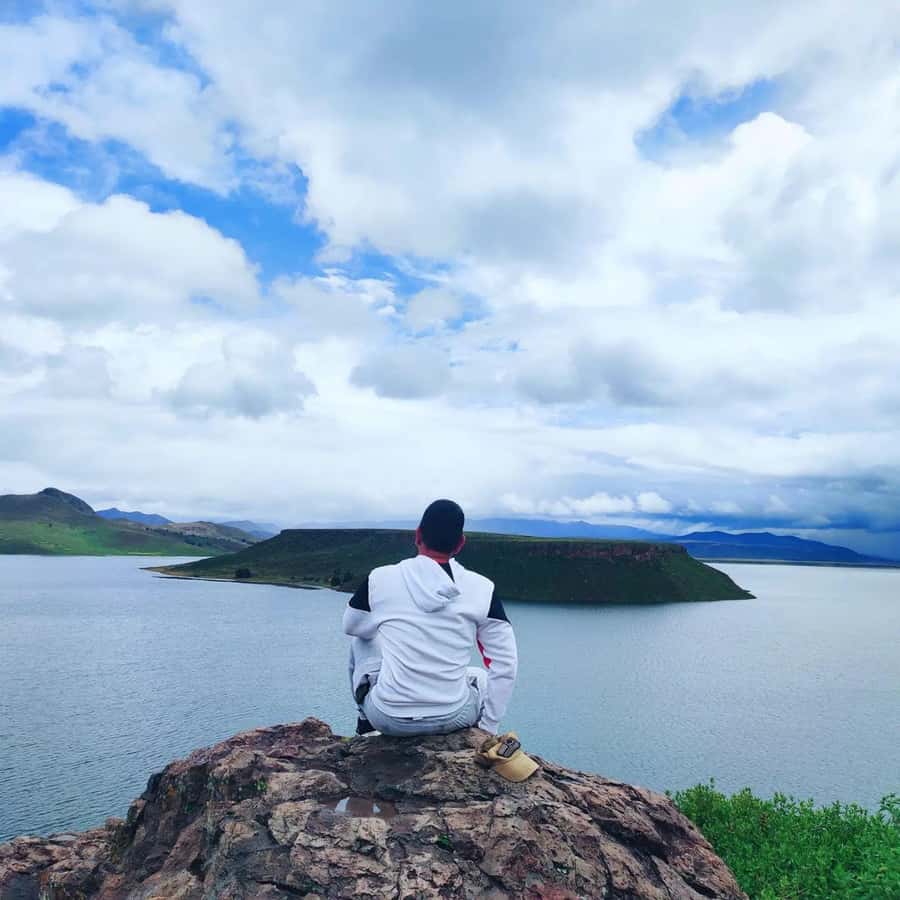
The lagoon is not just a backdrop. It changes how Sillustani feels. The water, ridge, and towers create a calm composition, particularly when the surface reflects the sky and hills.
I like that the site gives you room to pause. Many archaeological stops are packed with buildings, signs, and people. Sillustani offers a simpler view: stone tombs, open sky, water, and grassland. That simplicity helps you focus on the relationship between the monuments and the place around them.
The setting also gives the guide’s explanation more weight. The tombs were built for people who belonged to a particular society, but they were placed here because this ridge and lagoon held meaning. You are seeing architecture and geography together, not a monument removed from its surroundings.
Photography is especially good when the light softens later in the day. Still, do not expect the whole area to look the same every time. The quality of the reflections depends on the weather and water conditions. The site can be beautiful even when the lagoon is not mirror-like.
The optional farmhouse visit
On the return journey, you may choose to visit a local farmhouse in a nearby community. This part is optional, and it gives the tour a human side that the archaeological visit cannot provide on its own.
The family may show you everyday tasks such as preparing quinoa dishes and fresh cheese or caring for animals. One booking included a tasting of potatoes with a sauce made using clay, an unusual local food experience that may appeal to you if you enjoy trying traditional dishes.
You should see this as a modest community visit, not a long cultural workshop. The available details describe a family sharing daily routines, not a formal performance or a full meal. Since food is not included in the tour, any tasting should not be treated as a substitute for lunch or dinner.
I would choose the farmhouse stop if you want more contact with present-day Andean life. If your priority is photography and quiet time at Sillustani, you may prefer to keep the return journey simple. Ask your guide how the option fits into the afternoon schedule.
What $25 gets you
At $25 per person, this is a strong-value half-day outing if you want the major costs handled in advance. The price includes transportation, entrance tickets, and a live guide in English or Spanish.
That combination matters in Puno. You avoid arranging separate transport to a site outside the city, and you do not need to buy your entrance ticket at the ruins. You also get explanations about the Colla and Inca tombs rather than simply being dropped at the entrance.
Meals are not included. Plan accordingly, especially if you are leaving in the early afternoon and returning in the late afternoon. The farmhouse visit may include a tasting, but the tour does not promise a meal.
The price is less compelling if you want a long, slow archaeological study or a full-day cultural program. The visit is focused and fairly brisk. For many people, though, the combination of city viewpoint, countryside drive, Sillustani, and optional family stop makes good use of four hours.
The advertised duration is four hours, with the activity also listed as 270 minutes. Pickup timing, traffic, the farmhouse option, and vehicle arrangements can affect the exact return time. The group may be private or small, which can make the guide’s explanations more personal than on a large coach trip.
Guides, languages, and the feel of the visit
Live guiding is available in Spanish and English. A good guide makes a clear difference at Sillustani because the tombs need explanation to make sense. The strongest comments about the experience focus on detailed, passionate guiding, with Esteban and Veronica specifically praised by name.
Veronica is noted for explaining the site well, while Esteban is associated with detailed explanations and a particularly memorable family visit. Guide assignments can change, so you should not book expecting one particular person unless the operator confirms it.
The overall rating is 4.8 from seven ratings, with comments praising the scenery, organization, and information. That is encouraging, but the number is small. I would use it as a positive signal, not a guarantee that every departure will run identically.
There is also a useful lesson in the less smooth experience. A bus change caused frustration for one booking, and a tire blew out on the way back for another. The crew handled the breakdown safely and arranged a replacement bus, but road transport in the altiplano can bring delays. Keep some flexibility in your late-afternoon plans.
Who will enjoy this tour most
I would recommend this trip to you if you want to see Sillustani without giving up a full day. It suits people interested in archaeology, highland scenery, photography, and a short introduction to rural life.
It is also a good fit if you prefer an afternoon outing. The timing leaves your morning open in Puno and may offer softer light and fewer people at the site.
You should think twice if you dislike high-altitude walking, need a perfectly fixed schedule, or want a long and unhurried visit to every part of the complex. The route is manageable, but the altitude is real, and the transport plan may involve a transfer.
Bring your passport or identity card, water, sun protection, and a warm layer. Wear shoes suitable for walking on an archaeological trail. These simple preparations will make the four-hour trip more comfortable.
Should you book the Sillustani afternoon tour?
Book it if you want a practical, fairly priced way to see one of the Puno region’s most distinctive archaeological sites. The chullpas are unusual, the Umayo Lagoon setting is memorable, and Puma Uta gives you a worthwhile city view before the countryside begins.
The farmhouse option adds value for anyone curious about food and family life in the Andes. The English or Spanish guide, entrance ticket, and transport included for $25 also make the cost easy to justify.
I would avoid booking it back-to-back with an important evening commitment. Pickup can be less tidy than expected, and vehicle delays are possible. If you can allow some flexibility, this is a compact and worthwhile outing that gives you far more than a quick photo stop.
FAQ
How long does the tour to Sillustani take?
The experience lasts about four hours, with the activity also listed as 270 minutes. The return to Puno is scheduled for the late afternoon.
What time does pickup usually take place?
Pickup is in the early afternoon, around 1:40 PM. Pickup is available from hotels around Plaza de Armas or downtown Puno, as well as listed central points such as Plaza Mayor de Puno and Parque de Las Aguas.
What languages are available with the guide?
Live guiding is available in English and Spanish.
Is transportation included?
Yes. Transportation and hotel pickup in the eligible downtown Puno area are included.
Are entrance tickets to Sillustani included?
Yes. Entrance tickets are included in the tour price.
Is food included?
No. Meals are not included. The optional farmhouse visit may include a local tasting, but it should not be considered a full meal.
What should I bring?
Bring your passport or identity card. Water, sun protection, warm clothing, and comfortable walking shoes are also practical for the high-altitude visit.
Can I cancel the booking?
You can cancel up to 24 hours in advance for a full refund. The tour also offers a reserve-now-and-pay-later option.
Recently added around Puno
- From Puno: Travel to Cusco in Titicaca Train All Inclusive★ 3.9 · 3 reviews
- 5h tour from Puno to Aramu Muru portal and Inca Ruins★ 4.6 · 3 reviews
- Puno: Two-day excursion to Uros, Amantani and Taquile★ 4.2 · 3 reviews
- Discover the Celestial Wonder of Sillustani: Towers of Time★ 4.2 · 3 reviews
- FromPuno: Uros and Amantani Islands Full-Day Tour with Lunch★ 4.5 · 4 reviews
- From Puno: Excursion to Uros and Taquile Islands + Income★ 4.7 · 4 reviews
- Puno: Lake Titicaca, Uros, and Taquile Full-Day Tour★ 4.5 · 4 reviews
- Puno: 2-day Uros Kayak Tour with Homestay at Amantani Island★ 4.6 · 4 reviews
Puno Tours, compared.
Vinicunca Rainbow Mountain ATV Tour with Meals
Read our review →
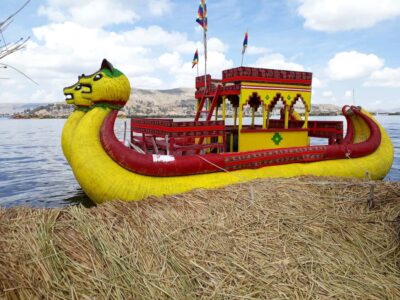

Lake Titicaca 2-Day Tour to Uros, Amantani and Taquile
Read our review →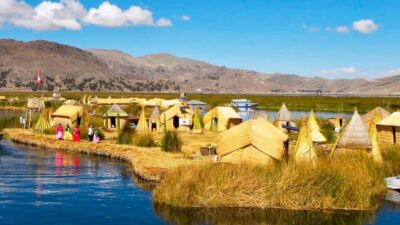
Full-Day Tour of Lake Titicaca and Uros & Taquile
Read our review →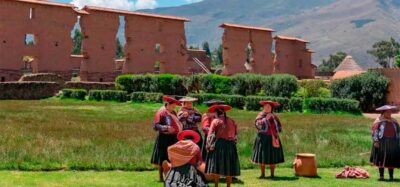
Full-Day Route of the Sun Tour to Cusco with Lunch
Read our review →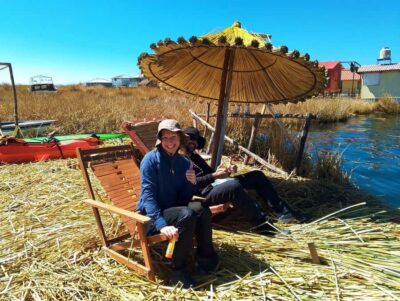
Browse the lists this tour appears in