
Reviewed · MARAS AND MORAY TOURS
From Ollantaytambo: Moray, Maras, and Chinchero Guided Tour
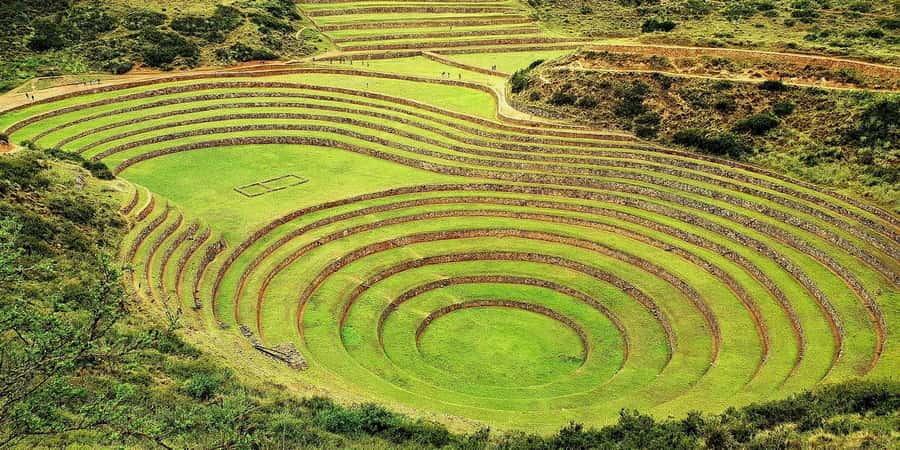
Moray’s great stone rings look almost unreal, but their real interest is practical: the Incas shaped the terraces to create different growing conditions. Add Maras’s 2,000 working salt pools and Chinchero’s hands-on textile demonstration, and you get a fine day of Sacred Valley culture beyond the usual fortress stops.
I like the way this tour links three very different places without making you arrange separate taxis. I also like the route from Ollantaytambo, which can save you a long backtrack to Cusco. The main caution is communication before pickup. Two recent bookings had trouble getting a meeting time confirmed, so keep your phone active and contact the operator before setting out.
Key points at a glance
- Moray’s circular terraces: Learn how the Incas used changing temperatures and irrigation to test crops.
- Maras’s family-run salt pools: See salt still collected by local families using traditional methods.
- Chinchero textile skills: Watch wool and cotton become yarn, then see natural pigments used for dyeing.
- Ollantaytambo pickup: Round-trip tourist transport makes this useful if you are based in town.
- Guides can make the day: Juan Carlos, Yasmina, and Yesica received especially warm praise for clear explanations and helpful service.
- Budget for entry fees: The $80 tour price does not include the tourist ticket or the separate Maras saltworks entrance.
Why this route works from Ollantaytambo
This is a one-day outing built around three stops that complement one another. Moray shows Inca experimentation with farming. Maras shows a working local economy tied to salt. Chinchero focuses on living textile traditions.
That mix gives you more than a string of viewpoints. You see engineering, food production, and craft in one day. I find that balance useful after spending time around Ollantaytambo’s monumental stonework, since the day shifts attention from imperial construction to ordinary skills that still shape local life.
The tour includes pickup at a meeting point in Ollantaytambo, tourist transportation, and a professional guide. You return to Ollantaytambo after Chinchero, so the route suits you best if you are staying there or planning to use the town as a base.
The exact starting time depends on availability. The published duration is one day, but one detailed account put the return at about 3:30 p.m., with lunch after the main stops at around 1:30 p.m. Treat that as a useful guide rather than a fixed schedule. Bring snacks, since you may feel hungry before the meal break.
more maras and moray mornings
- From Cusco: Sacred Valley & Maras Salt Mines Tour with Lunch
★ 4.8 · 2,227 reviews - From Cusco: Moray, Maras Salt Mines & Chinchero Weavers Tour
★ 4.8 · 1,925 reviews - Cusco: Sacred Valley, Pisac, Ollantaytambo, Salt Mines Moray
★ 4.6 · 1,058 reviews
Moray and the Inca answer to difficult farming
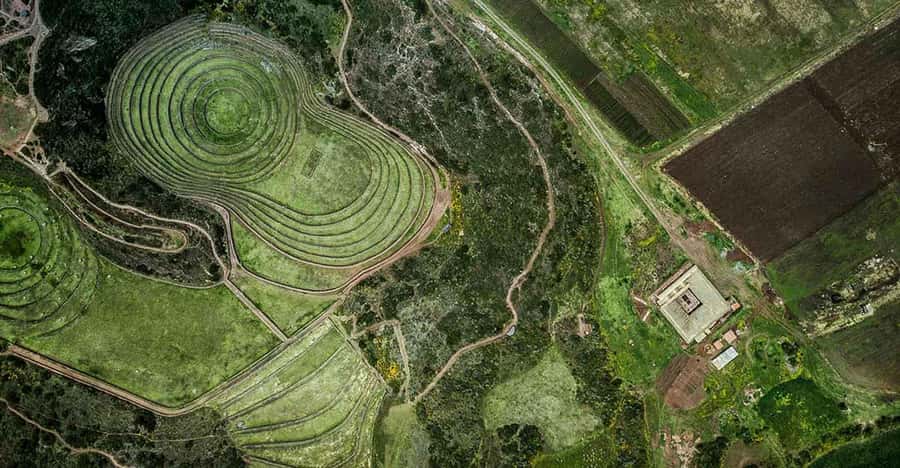
Moray is the most unusual stop on the route. Its terraces form broad, circular bowls cut into the earth, with each level dropping toward a lower center. From above, the shapes look designed for display. Their purpose was far more useful.
Your guide explains how the terraces created different microclimates. Temperature, wind, sunlight, and moisture could vary from one level to the next, giving the Incas a way to study how crops responded to changing conditions. The irrigation system is part of the story too. Water had to move through the terraces without simply washing soil downhill.
I like Moray because it helps you picture Inca agriculture as careful observation rather than guesswork. The site connects architecture to food, which makes the stonework easier to understand. You are not only looking at old walls. You are seeing a large-scale attempt to work with altitude and climate.
The drawback is that Moray is mainly an archaeological viewing stop. You will not be taking part in an experiment or watching farming happen there. Its appeal depends on your interest in design, agriculture, and the puzzle of how the terraces functioned.
Wear shoes with a good grip. The tour information specifically recommends comfortable footwear, and that is sensible for an outdoor archaeological site. A sun hat, sunscreen, water, and a camera also belong in your day bag.
Maras salt pools, still producing salt today
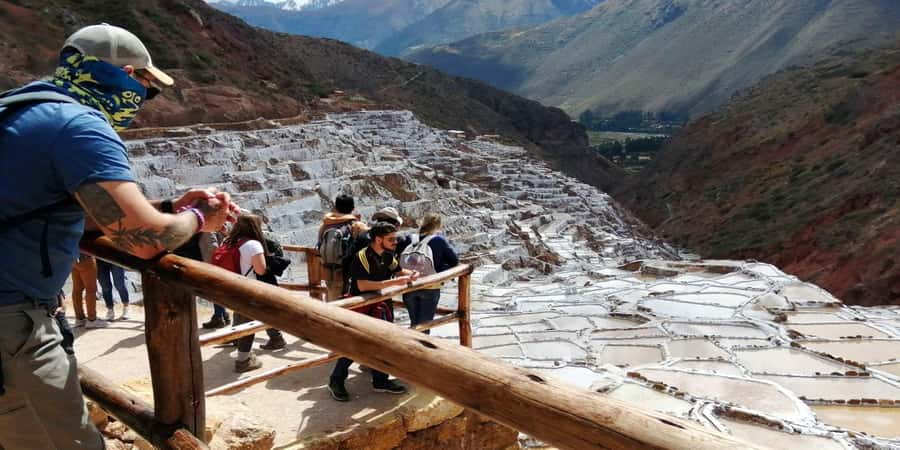
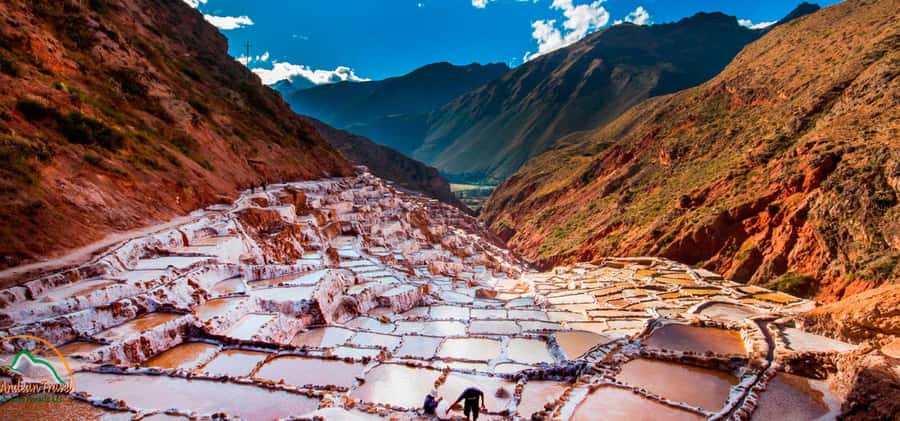
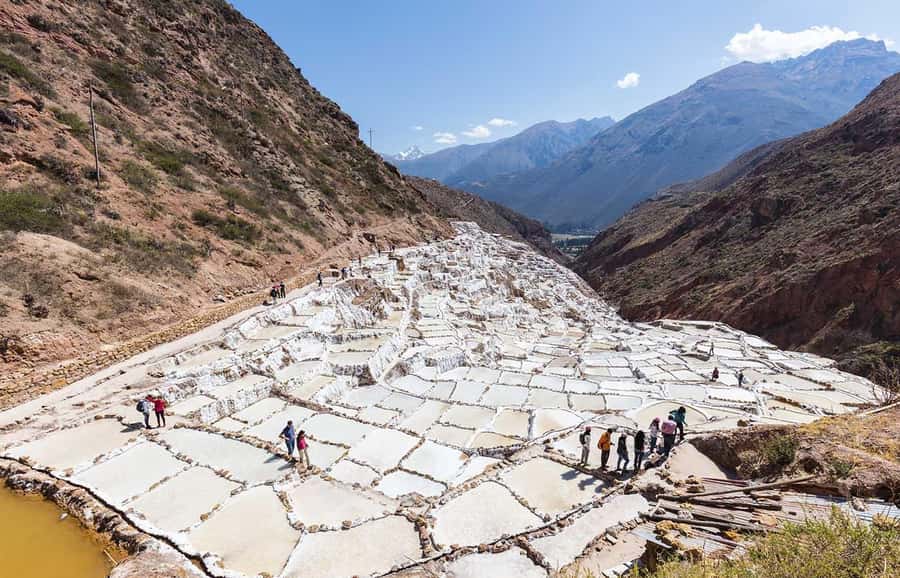
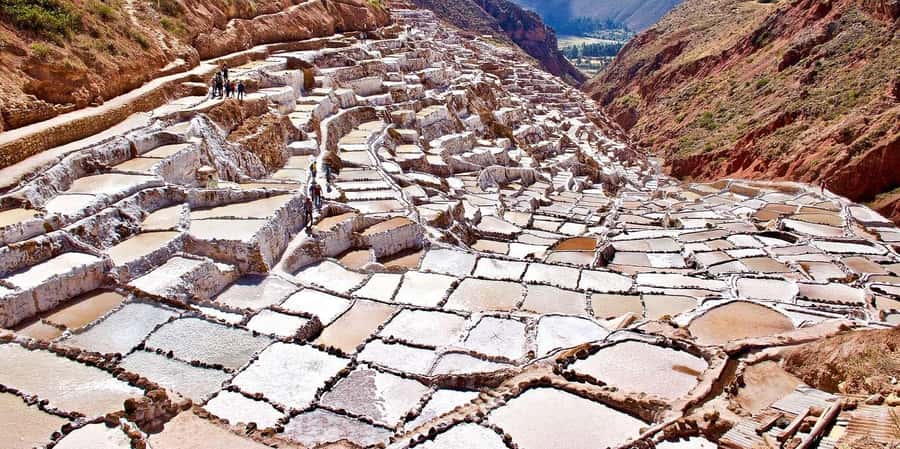
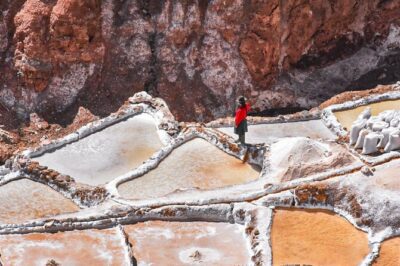
At Maras, the scene changes from stone circles to a steep spread of small white and brown pools. Around 2,000 salt pools are still used by local families to extract salt. Brine flows into the pools, water evaporates, and salt collects for harvesting.
That continuing use gives Maras a different feel from a site that exists only as a monument. Your guide explains the history of the mines and the traditional methods used to gather the salt. You can look for the small divisions between pools and notice how the overall view is made from many separate family-managed units.
I especially like the human scale here. The site is not just an old Inca relic. Families continue to rely on the work, and the terraces remain tied to local livelihoods. It is a good reminder that the Sacred Valley is not an outdoor museum. People still work its slopes and water channels.
You should know that entry to the saltworks costs an extra 20 soles. It is separate from the $80 tour price, so include it when comparing the total cost with other day trips. The main tourist ticket is also not included. The stated rates are 40 soles for nationals and 70 soles for foreign visitors.
The walking surface and viewing areas may not suit everyone. This activity is specifically listed as unsuitable for wheelchair users. If you have limited mobility, ask the operator about the conditions before booking rather than assuming the vehicle can reach every viewpoint.
Chinchero and the work behind a woven souvenir
The final main stop is Chinchero, where you visit a textile interpretation center. The presentation covers wool and cotton, showing how these materials are transformed into yarn. You also see how natural pigments are used to dye the yarn.
This is a useful stop because it explains what you are looking at when you see Andean clothing, blankets, and woven goods. Colors do not appear by magic, and yarn does not begin as a finished ball ready for a loom. The process involves raw material, spinning, dyeing, and practiced handwork.
Ask your guide to explain the pigments and the stages of production as you go. The published tour description promises instruction about traditional techniques, but the exact format of the demonstration can vary. You might find the visit especially worthwhile if you want cultural context rather than a quick stop at a market.
Chinchero also gives the day a welcome change of pace. Moray and Maras are mainly about viewing large outdoor sites. Here, the focus is on people, materials, and skills. The stop can feel more personal because the work is shown at close range.
If buying textiles is part of your plan, remember that the tour includes the interpretation visit, not a stated shopping allowance or purchase credit. Take your time, ask questions, and judge any purchase on its quality and price rather than feeling rushed.
more Cusco days to weigh up
- Machu Picchu: Inca Trail 2-Day Overnight Guided Tour
★ 4.9 · 203 reviews - Full Day Private Guided Tour in Machu Picchu
★ 5.0 · 115 reviews - Machu Picchu: Group Guided Tour
★ 4.7 · 102 reviews - Cusco: Historical Guided City Tour with 4 Inca Ruins
★ 4.5 · 99 reviews
The Sacred Valley views between the stops
The road connections are part of the appeal. You will have changing views of the Sacred Valley along the way, with high farmland, mountain slopes, and broad valley spaces appearing between the stops. The tour description does not promise a dedicated photo stop at every scenic point, so keep your camera ready from the vehicle.
Round-trip transport matters here. Moray, Maras, and Chinchero are not one compact attraction, and organizing public transport or separate taxis can take time and local knowledge. With the vehicle arranged, you can focus on the sites instead of negotiating each leg.
The tradeoff is that a shared tourist vehicle can make the day less flexible than a private tour. The information provided does not state the group size, vehicle type, or exact time spent at each stop. If you want long photography sessions or a slow lunch, ask those questions before paying.
One useful detail comes from the day’s timing: an early route may reach the stops before large tour buses arrive. Juan Carlos’s group had that advantage, visiting the sights before bigger crowds appeared. The departure time is not fixed in the information provided, but an early start could make the viewpoints calmer.
Guides can shape the whole experience
The strongest part of this tour may be the guide rather than the vehicle. Juan Carlos was praised for his English, clear explanations, willingness to answer questions, and skill at taking photos. Yasmina was also singled out as an excellent guide, and Yesica received warm praise for making the outing a success.
That matters at Moray and Maras, where the shapes alone do not explain their purpose. A good guide connects terraces, water, crops, salt, and family work in a way you can remember. At Chinchero, clear interpretation helps you understand the textile process rather than simply watch a demonstration.
The operator is Inspires Viagens, and communication appears to be the weak point. One booking involved a long wait at the meeting point after the stated pickup failed to happen. Another person received no useful details before the day and only heard from the guide five minutes before the activity began.
I would not ignore that issue. Message the operator through the available contact method the day before, confirm the meeting point and pickup time, and keep the guide’s contact details handy if they are provided. Arrive early, but do not stand alone indefinitely if no vehicle appears. A clear confirmation can prevent a bad start.
The conflicting experiences also suggest that the guide and the booking office may not offer the same level of service. The guide reports are very positive, but the pre-tour communication deserves caution.
Is $80 a fair price?
At $80 per person, this tour can be good value if you want a full day with transport and a guide from Ollantaytambo. You are paying for the connected route, not just admission to three places. The vehicle removes much of the planning burden, and the guide adds context that is difficult to get from a quick look.
Still, $80 is not the final cost. Add the 20-sol Maras entrance and the tourist ticket, listed at 40 soles for nationals and 70 soles for foreign visitors. Meals, drinks, and personal purchases are also not listed as included, so bring extra soles.
The price makes the most sense for you if you are traveling without a car, have limited time, or prefer explanations in English or Spanish. It may be less attractive if you already have a private driver, want to set your own pace, or plan to visit some of these places as part of another Sacred Valley route.
Because group size is not stated, compare carefully with private options before booking. A small group may feel efficient and personal. A large vehicle may mean less time at each stop and more waiting at pickups.
Who should book this day trip?
I would recommend it to you if you are based in Ollantaytambo and want three distinct experiences in one day. It is especially suited to people interested in Inca farming, local production, traditional crafts, and practical cultural explanation.
It also works well for first-time visitors who want transport handled for them. The English and Spanish guide options make the tour accessible to many international visitors, and the route gives you a useful spread of sights without requiring several separate bookings.
You may want another format if you use a wheelchair, need a highly controlled schedule, or dislike shared transport. The experience is also not ideal if your priority is a long, quiet visit at one archaeological site. This is a packed route with several stops, not a slow single-site study.
Bring comfortable shoes, a sun hat, sunscreen, water, a camera, and snacks. Lunch may come after the main visits, and the known return example was around mid-afternoon. Confirm the timing directly before you leave.
Should you book it?
Book this tour if you want an efficient, informative day from Ollantaytambo and the combination of Moray, Maras, and Chinchero appeals to you. The salt pools and textile center give the itinerary more local character than a day focused only on ruins, while the transport and guide keep the route simple.
I would book with one condition: confirm the pickup details in writing and make sure you understand which entrance fees you will pay separately. The guides can be excellent, with Juan Carlos, Yasmina, and Yesica receiving particularly strong praise, but the operator’s communication has been uneven. If that risk is acceptable, the tour offers a useful mix of scenery, Inca engineering, working tradition, and craft for the price.
FAQ
Where does the tour begin and end?
Pickup is provided at a meeting point in Ollantaytambo, and the tour returns to Ollantaytambo after visiting Moray, Maras, and Chinchero.
Which languages are available?
The live guide is available in English or Spanish.
What is included in the $80 price?
The price includes pickup at the meeting point in Ollantaytambo, tourist transportation, and a professional guide.
Which entrance fees are not included?
The tourist ticket is not included. The stated prices are 40 soles for nationals and 70 soles for foreign visitors. Entrance to the Maras saltworks costs an additional 20 soles.
What should I bring?
Bring comfortable shoes, a sun hat, a camera, sunscreen, water, and snacks.
Is the tour suitable for wheelchair users?
No. The activity is listed as unsuitable for wheelchair users.
Recently added around Cusco
- Palcoyo colored mountain hike + stone forests★ 4.6 · 3 reviews
- Maras Moray★ 5.0 · 3 reviews
- Full-Day Condor Viewpoint & Inca Sites Tour★ 5.0 · 3 reviews
- From Cusco: Vinicunca Mountain of Colors Excursion + Ticket★ 5.0 · 3 reviews
- Excursion Cusco – Puno – Titicaca Observatory Train★ 5.0 · 3 reviews
- Machu Picchu: Private Tour Guide Service for up to 15 people★ 4.5 · 3 reviews
- Machu Picchu: 1-day tour by Vistadome Observatory train★ 5.0 · 3 reviews
- Cusco: Chonta Canyon and Condor Flight Tour with Lunch★ 5.0 · 3 reviews
Maras and Moray Tours, compared.

Sacred Valley & Maras Salt Mines Tour with Lunch
Read our review →
Moray, Maras Salt Mines & Chinchero Weavers Tour
Read our review →
Sacred Valley, Pisac, Ollantaytambo, Salt Mines Moray
Read our review →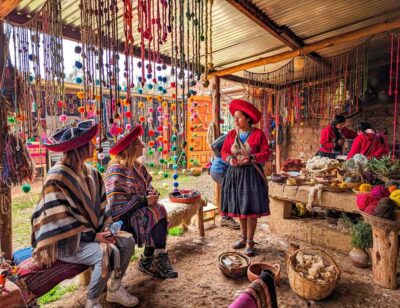
Chinchero,Moray & Salt Mines drop-off in Ollantaytambo
Read our review →

Moray, Maras Salt Mines & Chinchero Weavers Half-Day
Read our review →Browse the lists this tour appears in