
Reviewed · MARAS AND MORAY TOURS
From Cusco: Moray, Maras, and Salt Mines Half-Day Tour
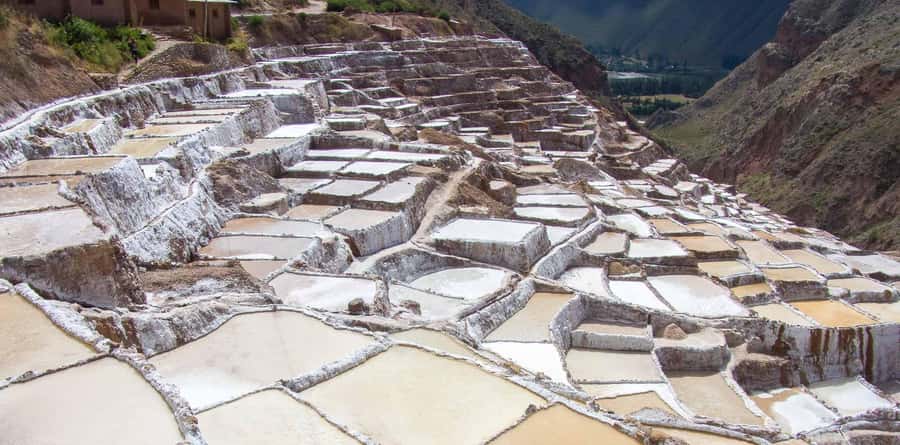
Moray’s huge circular terraces are the star here, but the 3,000 salt pools at Salineras may be the biggest surprise. White, tan, and rust-colored pools cling to the mountainside, still producing salt through an old system that began before the Inca period.
I like the mix of living Andean craft and old engineering. Chinchero gives you a look at natural dyes and Quechua weaving, while Moray shows how terraces and water could shape farming at altitude. The main drawback is the pace: six hours must cover several stops, long van rides, and high-altitude roads, and entrance fees cost extra.
Key points to know before booking
- Chinchero reaches 3,762 meters, making it the highest stop and a good place to take the morning slowly.
- Moray sits at 3,450 meters, with broad circular terraces and an irrigation system to study from above.
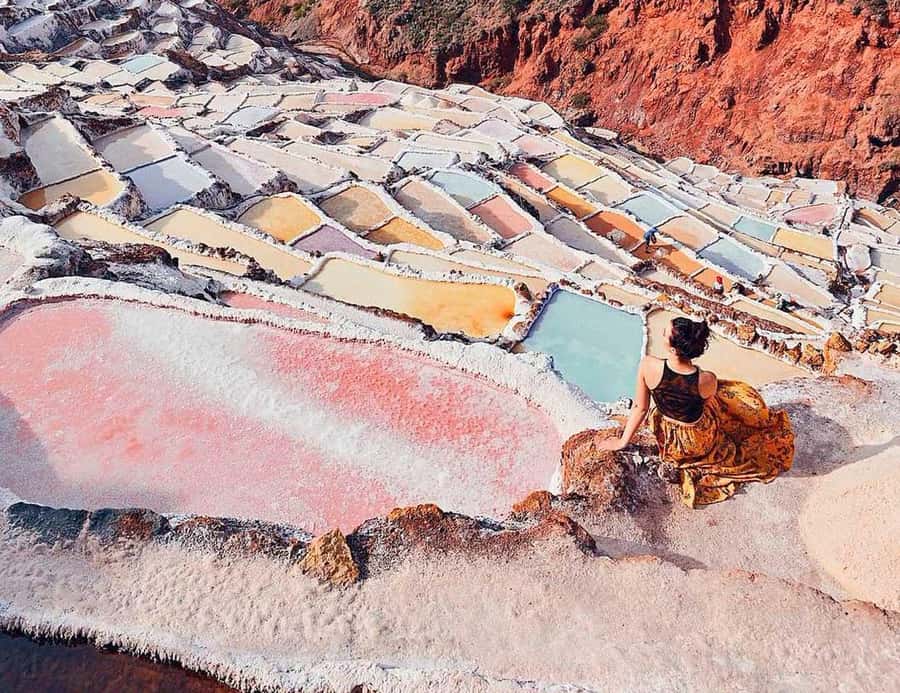
- Salineras contains about 3,000 small pools, many still used to produce salt for the region.
- The $15 price is only the tour cost, since Moray costs 70 soles and the salt mines cost 20 soles.
- The tour includes an artisan workshop, but the Chinchero stop also includes shopping, so plan your time and spending carefully.
- English and Spanish guides are available, with hotel pickup in Cusco and return to Plaza Regocijo.
Why Moray and Salineras make a strong Cusco half-day
This outing works because the sights are different enough to keep the morning moving. You are not visiting four versions of the same ruin. You go from a living village and textile workshop to a vast agricultural experiment, then on to colonial stonework and working salt pools.
The route also takes you above Cusco into open farmland and mountain country. At Chinchero, the altitude reaches 3,762 meters. That matters. I would not treat this as a gentle first morning in Peru if you have just arrived from sea level. Bring water, use sunscreen, and walk at an easy pace.
The $15 tour price looks very low, and it is a useful way to reach several sites without arranging separate transport. But you need to add 70 soles for Moray and 20 soles for Salineras. Food and drinks are not included, so the true cost is higher than the headline price.
more maras and moray mornings
- From Cusco: Sacred Valley & Maras Salt Mines Tour with Lunch
★ 4.8 · 2,227 reviews - From Cusco: Moray, Maras Salt Mines & Chinchero Weavers Tour
★ 4.8 · 1,925 reviews - Cusco: Sacred Valley, Pisac, Ollantaytambo, Salt Mines Moray
★ 4.6 · 1,058 reviews
Chinchero at 3,762 meters: weaving, farmland, and a shopping stop
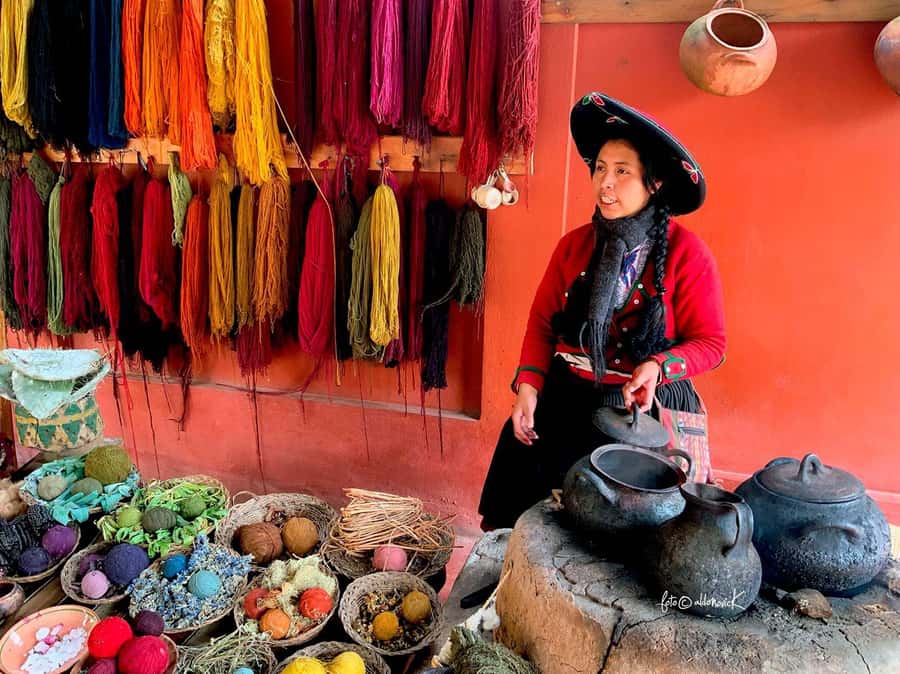
The first stop is Chinchero, an Andean village surrounded by farmland. The village is known here for its workshop, where artisans continue Quechua textile traditions and use local plants to make natural colors.
I like this part because it puts craft beside scenery. You can see how Andean art is connected to plants, land, and local work rather than presented only as a museum display. The workshop also gives you a chance to understand the effort behind the colors and patterns before you browse anything offered for sale.
The stop lasts about 40 minutes and includes both photographs and shopping. That is enough time for a short explanation and a quick look around, but it is not a long cultural program. If you want to buy something, decide in advance how much time and money you want to give to that part of the visit.
Chinchero is also the highest point on the route. At 3,762 meters, stairs, slopes, or even a brisk walk can feel harder than expected. I would keep your camera and water handy, but avoid rushing to get photographs. Comfortable shoes are important throughout the trip.
The 50-minute ride to Moray
After Chinchero, the van ride to Moray takes about 50 minutes. This is a useful stretch to rest, especially after spending time at high altitude. The route passes through open farmland, giving you a sense of how much of the Sacred Valley region remains tied to agriculture.
The tour uses a van, which makes the trip simple compared with hiring separate taxis for each stop. At the same time, road time takes up a large part of a half-day. The listed route includes two 50-minute drives and another 30-minute transfer, so you should book this for efficient sightseeing rather than an unhurried day in the countryside.
Moray’s circular terraces and old water system
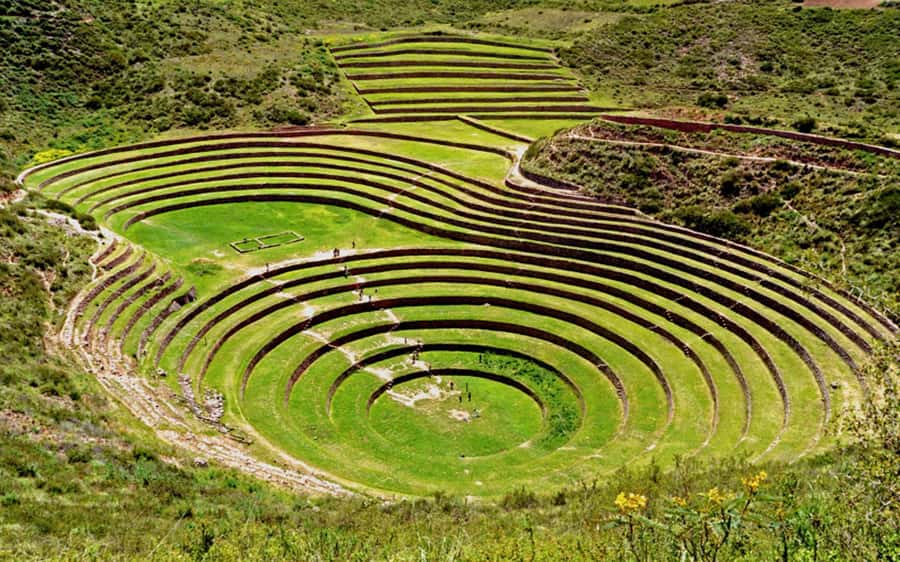
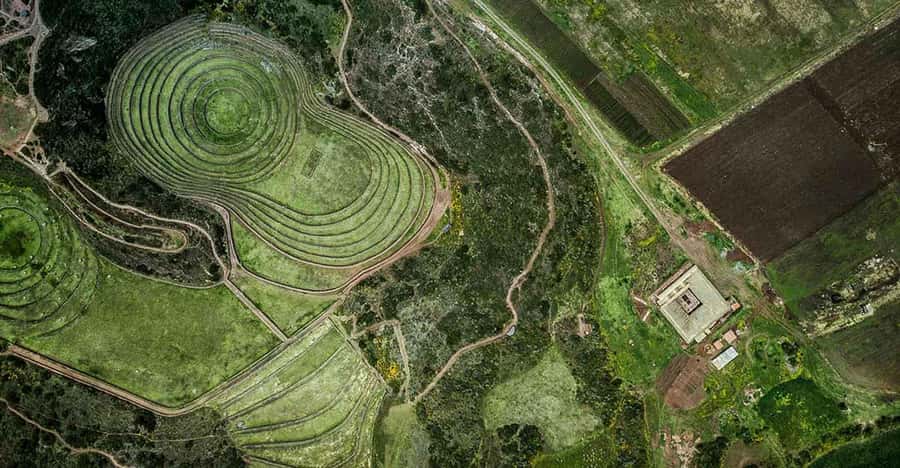
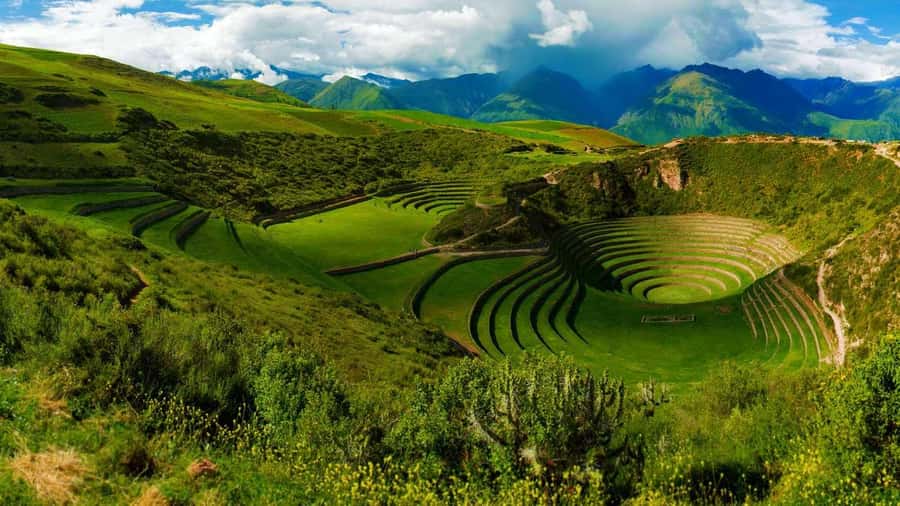
Moray sits at 3,450 meters and is the most unusual archaeological stop on the route. From the viewing area, you look down into a series of broad, circular terraces cut into the earth. The rings descend toward the center, creating a shape that feels almost modern from a distance.
The site is more than a striking photograph. The terraces show careful control of soil, levels, and water. The tour includes a guided visit, so you can focus on how the irrigation system worked rather than simply walk up, take a picture, and leave.
The stop lasts about 40 minutes. That gives you time for a guided explanation and photographs, though it may feel short if you want to study every detail. Moray is also one place where the extra entrance charge matters. The fee is 70 soles, payable on site, and it is not part of the $15 tour price.
I would bring a camera, but do not let the photo stop become the whole visit. Look at the change in terrace size, the way the circles follow the ground, and the scale of the site against the surrounding farmland. The contrast between engineered terraces and open fields is one of the strongest parts of the morning.
more Cusco days to weigh up
- Cusco: Half-Day City Tour with Sacsayhuaman and Q’enco
★ 4.6 · 1,129 reviews - Cusco: City Tour | Half-Day Tour to 4 Archaeological Sites
★ 4.6 · 206 reviews - Cusco: Half-Day City Tour
★ 4.2 · 129 reviews - From Cusco: Moray, Maras Salt Mines & Chinchero Weavers Half-Day
★ 5.0 · 126 reviews
Maras and its preserved colonial stonework
The route then goes to Maras, a village with preserved colonial architecture and fine stone buildings. The information for this stop is less detailed than for Chinchero or Moray, so I would treat it as a brief look at the town rather than a full architectural tour.
That short visit still adds useful context. Cusco Region history is not limited to pre-Inca and Inca sites. Maras shows the colonial layer, with stone construction and a village setting that differs from the large archaeological terraces at Moray.
The drive from Moray to the next part of the route takes about 30 minutes. Depending on the day’s timing, the village may feel like a quick scenic stop. Keep your expectations realistic: this is a compact half-day excursion, not a slow walking tour through every street.
Salineras: 3,000 pools still producing salt
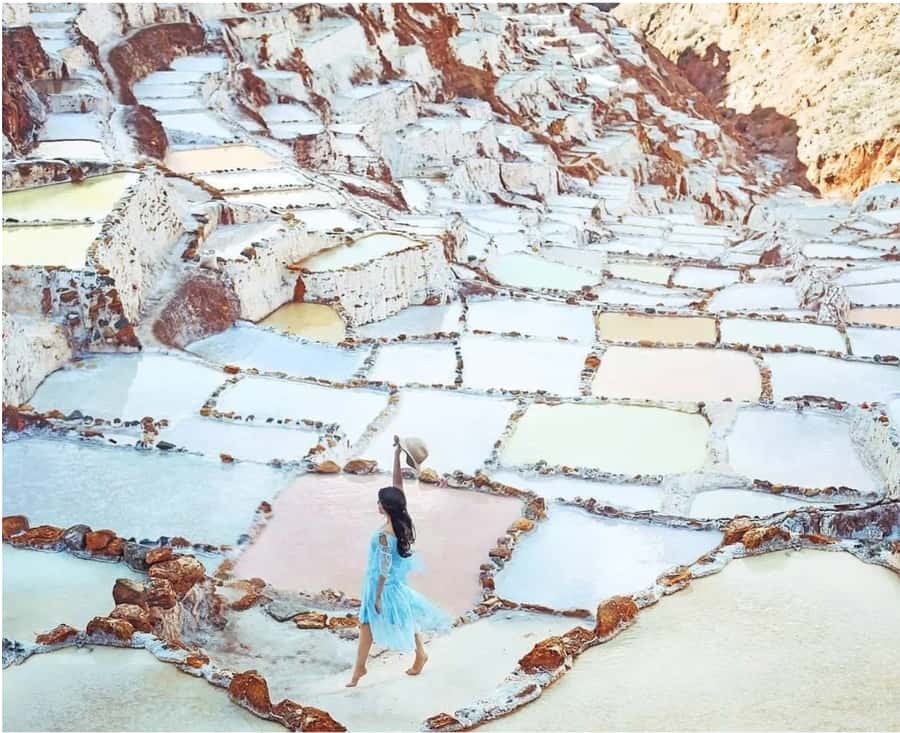
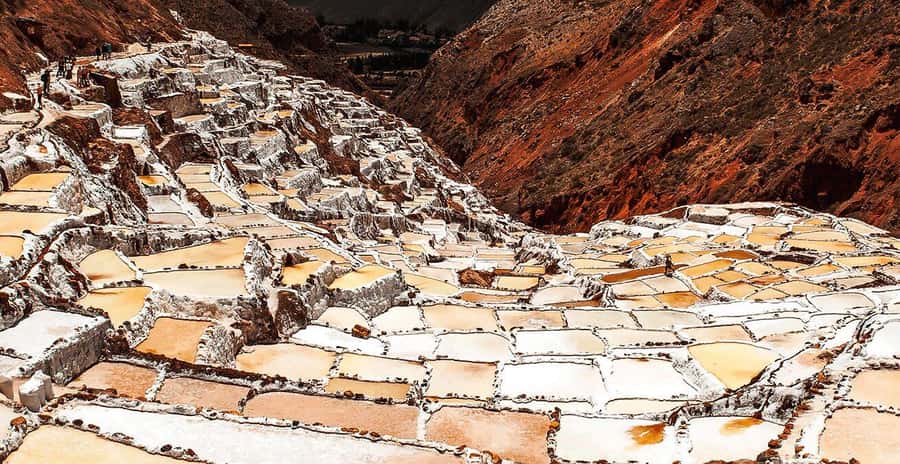
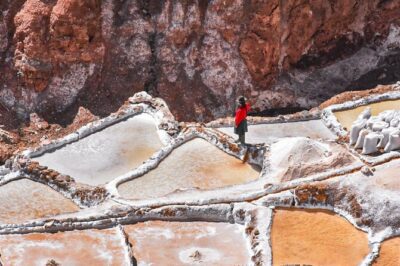
Salineras is the most visually unusual stop. About 3,000 small pools spread across the mountainside, each one catching mineral-rich water and allowing salt to form as the water evaporates. The result is a patchwork of pale pools and narrow dividing walls.
This is also a working place, not only an archaeological attraction. The salt is still processed and distributed in the region. That gives the visit a practical connection to local life: the terraces are not simply preserved objects from the past, but part of an ongoing production system.
The salt mines date back to pre-Incan times. You can appreciate the site on two levels. First, it is a remarkable view. Second, it shows how a simple water source, careful channels, and many small basins can support regional production for centuries.
The entrance fee is 20 soles and can be bought in Maras. Since the pools are the final major highlight, I would save some camera battery for this stop. You should also wear shoes that you do not mind using on uneven or dusty ground. The supplied information does not promise a long walk through every section, so follow the guide’s route and avoid assuming that every pool is accessible.
What the six-hour schedule means for you
The advertised duration is six hours, with starting times depending on availability. Pickup is provided from your Cusco hotel, while the stated starting and return point is Plaza Regocijo. Confirm the exact pickup arrangement when booking, especially if your hotel is outside the central area.
The listed timing includes about 40 minutes in Chinchero, 40 minutes at Moray, and the drive legs of about 50, 50, and 30 minutes. A schedule this tight is useful if you want a quick look at several major sights, but it leaves little room for delays or a long meal.
Food and drinks are not included. I would eat before departure and carry water. Sunscreen is essential at these elevations, where bright sun can catch you even when the air feels cool.
The tour is offered with a live guide in English or Spanish. That matters most at Moray, where an explanation of the terraces and water system adds real value. At Chinchero, the guide can also help frame the natural dye work and Quechua weaving tradition.
The extra costs and the real value
At $15 per person, the transport and guided route offer good value if you want to see several places in one morning. The low base price is useful for budget-conscious visitors who do not want to negotiate separate rides or build a private route.
Still, calculate the mandatory site fees before booking. Moray costs 70 soles and Salineras costs 20 soles, for 90 soles in extra admission. Add those fees to the tour price, plus anything you spend at the workshop or on food, and you have a clearer picture of the total.
The value is strongest for someone who wants convenience. You get hotel pickup, a van route, a live guide, Chinchero, Moray, and Salineras, with Maras included in the sightseeing route. The value is weaker if you want long visits, a private guide, or complete control over how much time you spend at each site.
Altitude, walking, and what to pack
This tour is not suitable for wheelchair users or people with mobility impairments. The high locations, uneven surfaces, and sightseeing stops require you to walk independently.
You should bring:
- Comfortable shoes
- Water
- Sunscreen
- A camera
Smoking is not allowed during the activity. You should also plan for changing conditions at altitude. The provided details do not specify weather protection, so check the forecast before leaving and pack any extra layers you need.
I would keep your day after the tour flexible. The schedule returns you to Plaza Regocijo, but the route includes several high-altitude stops and substantial van time. If you are still adjusting to Cusco, this is better than pairing the outing with another demanding excursion.
Who will enjoy this tour most
I would recommend it to you if you want a compact introduction to several Sacred Valley sights and prefer an organized route. It suits first-time visitors who want Moray and Salineras without arranging transport themselves.
It is also a good fit for photographers. Moray’s circular terraces and Salineras’ many pools offer very different views, while Chinchero adds farmland and textile work. Just remember that the stop times are short, so you may need to choose between careful observation and many photographs.
You may want another option if your priority is slow cultural contact. Chinchero’s workshop is a meaningful stop, but the visit lasts about 40 minutes and includes shopping. Likewise, Maras receives a brief visit rather than a long village walk.
This tour is less suitable for anyone who struggles with high altitude, needs wheelchair access, or wants meals included. It is also not ideal if you dislike shopping stops or extra admission charges that are separate from the advertised price.
Should you book the Moray and Salt Mines tour?
Book it if you want a budget-friendly, guided route to Moray and Salineras, with Chinchero and Maras added along the way. Those two main sites give you the best reason to choose this outing: one shows high-altitude farming design, and the other remains a working salt-production site with about 3,000 pools.
Before paying, add the 70 soles Moray fee and 20 soles Salineras fee to your budget. If you are comfortable with the altitude, can manage a brisk six-hour schedule, and value simple transport over a private itinerary, this is a sensible Cusco day trip.
FAQ
How long does the tour last?
The tour lasts six hours.
Where does the tour start?
The stated starting location is Plaza Regocijo in Cusco, with pickup from your hotel provided.
Where does the tour finish?
The stated return point is Plaza Regocijo.
Is a guide included?
Yes. The activity includes a live tour guide in English or Spanish.
How much does the tour cost?
The listed tour price is $15 per person.
Are entrance tickets included?
No. Moray requires a 70 soles entrance ticket, and the salt mines require a 20 soles ticket. Both can be purchased on site.
Is food included?
No. Food and drinks are not included.
What should I bring?
Bring comfortable shoes, a camera, sunscreen, and water.
Recently added around Cusco
- Palcoyo colored mountain hike + stone forests★ 4.6 · 3 reviews
- Maras Moray★ 5.0 · 3 reviews
- From Cusco: Vinicunca Mountain of Colors Excursion + Ticket★ 5.0 · 3 reviews
- Full-Day Condor Viewpoint & Inca Sites Tour★ 5.0 · 3 reviews
- Excursion Cusco – Puno – Titicaca Observatory Train★ 5.0 · 3 reviews
- Machu Picchu: Private Tour Guide Service for up to 15 people★ 4.5 · 3 reviews
- Machu Picchu: 1-day tour by Vistadome Observatory train★ 5.0 · 3 reviews
- Cusco: Chonta Canyon and Condor Flight Tour with Lunch★ 5.0 · 3 reviews
Maras and Moray Tours, compared.

Sacred Valley & Maras Salt Mines Tour with Lunch
Read our review →
Moray, Maras Salt Mines & Chinchero Weavers Tour
Read our review →
Sacred Valley, Pisac, Ollantaytambo, Salt Mines Moray
Read our review →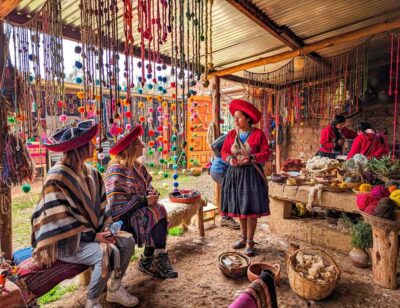
Chinchero,Moray & Salt Mines drop-off in Ollantaytambo
Read our review →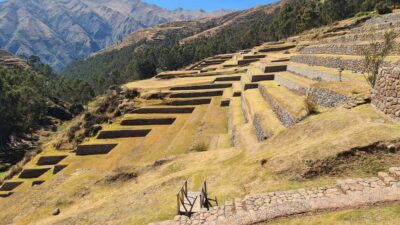

Moray, Maras Salt Mines & Chinchero Weavers Half-Day
Read our review →Browse the lists this tour appears in