
Reviewed · LAKE TITICACA TOURS
Floating Islands of the Uros
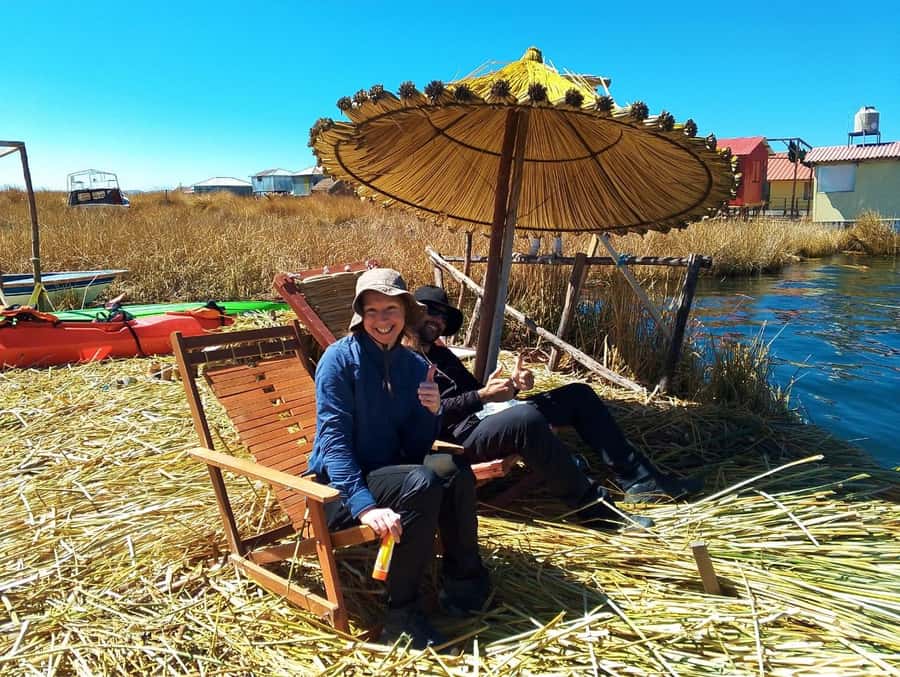
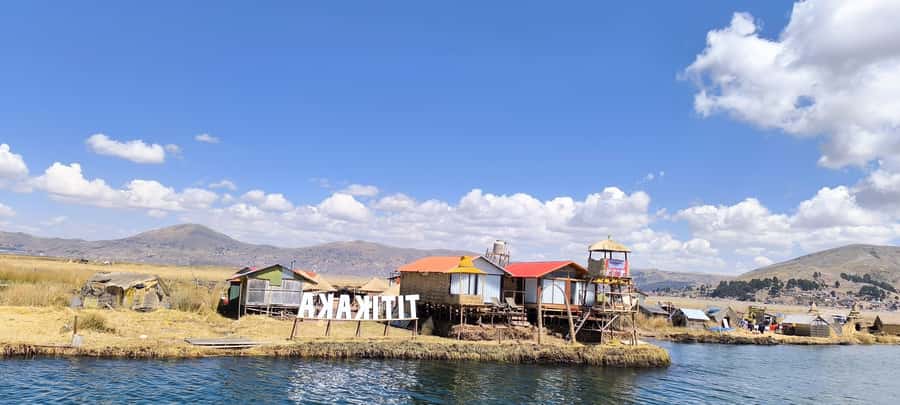
The Uros Islands are made from totora reeds, and the ground under your feet floats on Lake Titicaca. This three-hour trip takes you from Puno to an Aymara-speaking community where families maintain traditions tied to fishing, bird hunting, egg collecting, embroidery, and reed boat building. It is a short outing, but the setting is unlike anything on shore.
I like two things here: the tour gives you a direct look at how the islands are built and maintained, and the short schedule fits neatly into a busy Puno visit. Guides such as Roly and Freddy have been praised for clear explanations, good language skills, and help with simple Aymara greetings. The main drawback is time. Three hours passes quickly, and the optional totora raft ride costs extra.
Key points about the Uros Islands visit
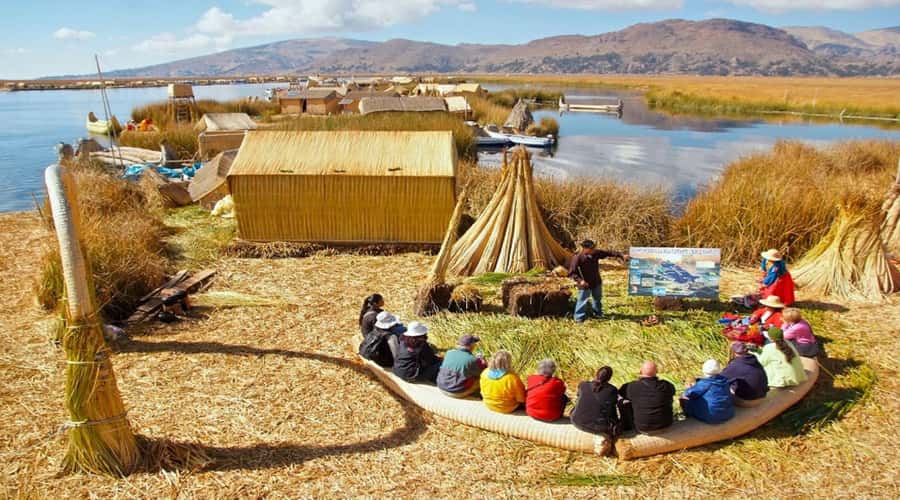
- Totora reeds form the islands, homes, boats, and many everyday objects.
- Puno hotel transfers are included, making this an easy half-day outing.
- Aymara traditions remain central, including fishing, bird hunting, egg collecting, embroidery, and reed-raft building.
- The regular boat, life jackets, and first aid kit are included, while the totora raft ride is not.
- English and Spanish guides explain the visit, with Roly and Freddy among the guides praised for their teaching.
- The $7 price is unusually low for a guided Lake Titicaca excursion, though you should allow extra money for the raft ride and food.
Reaching the floating islands from Puno

The tour begins with pickup at a downtown Puno hotel. A van takes you to Puno Port in about 10 minutes, so you avoid the hassle of arranging your own taxi and finding the departure point.
From the port, you board a normal passenger boat with comfortable seats, life jackets, and a first aid kit. The boat ride lasts about 30 minutes. Lake Titicaca is the star during this stretch, and the open water gives you a useful sense of how far the Uros community lives from Puno.
The published route also includes a 15-minute van transfer before the main island visit. That may reflect the local transport arrangement around the port and landing area. In practical terms, you should expect a mix of road and boat travel rather than one nonstop cruise from your hotel.
The transport is simple rather than luxurious, but it suits the price. You are not paying for a private boat or an all-day cruise. You are paying for a basic, organized way to reach one of Puno Bay’s best-known cultural sites.
more lake titicaca island days
- From Puno: Uros, Amantaní & Taquile Islands 2-Day Tour
★ 4.5 · 452 reviews - From Puno: Floating Islands of the Uros Half-Day Tour
★ 4.4 · 394 reviews - Lake Titicaca 2-Day Tour to Uros, Amantani and Taquile
★ 4.4 · 199 reviews
Why totora reeds matter so much
Totora is a reed that grows around Lake Titicaca. The Uros use it for the floating islands, walkways, houses, boats, and other practical items. Your guide explains this best on site, where the reed is not an abstract part of a museum display but the material beneath your shoes.
The islands are formed from layers of reeds. These layers must be cared for and renewed as the material breaks down. That simple fact changes the way you view the visit. The island is not a permanent slab of land. It is a living place that requires regular work.
You will see how closely daily life is linked to the lake and the reeds. Men are described as skilled builders and drivers of totora rafts. Women are known for embroidery and the making of rugs. The tour connects these skills to a wider way of life based around the water.
The setting is unusual, but the value of the stop is not only visual. You get a practical lesson in adaptation. The Uros have shaped their homes and transport around the material available in their environment.
Spending two hours on the Uros Islands

The main visit lasts about two hours. This includes a photo stop, a guided tour, sightseeing, and free time. The pace should give you enough room to look around without turning the outing into a full-day commitment.
A guide introduces the island and explains Uros customs. You can interact with island residents and learn how the community continues to use traditional skills. The supplied information identifies the Uros as an Aymara-language community, so this is also a chance to hear about a living language tradition rather than only an old custom.
One particularly useful touch is language help. Roly has been praised for teaching visitors how to greet island residents in Aymara. That small exchange can make the meeting feel more personal and respectful. You do not need to become fluent. Learning even a short greeting shows that you are making an effort to meet people on their own terms.
The tour also introduces the role of the island president. One visit included a meeting with Olga, the president of a small reed island. Availability of any particular person cannot be guaranteed, but the experience can give you a sense that these are organized communities, not just displays arranged for photographs.
You will have time for pictures, but do not let the camera take over. Look down at the reeds, notice the construction underfoot, and listen to the explanations about fishing, bird hunting, and gathering eggs. Those details help turn a striking photo stop into a more useful cultural visit.
The optional totora raft ride
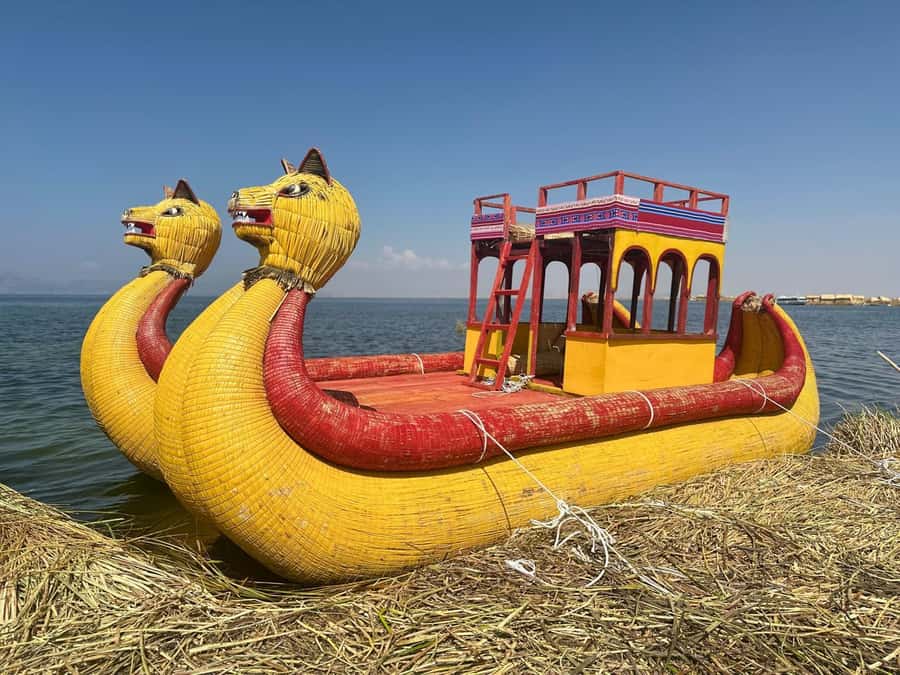
A short ride on a totora reed raft is one of the most appealing parts of the outing, but it is not included in the $7 price. Plan for an additional charge if you want to try it.
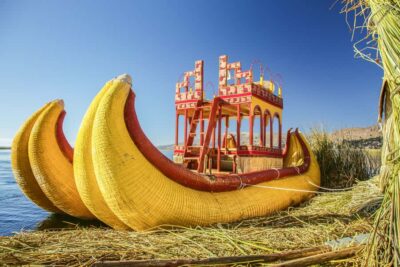
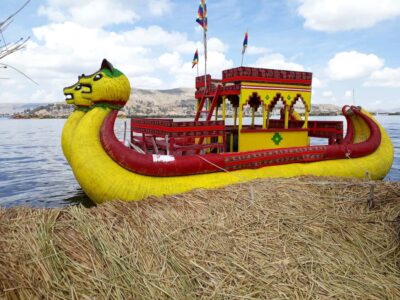
The raft ride gives you a closer look at the Uros approach to transport and boat building. You are not simply seeing a reed boat tied to the shore. You are riding in a craft made from the same material that supports the islands.
Because the standard tour is short, the raft ride can also affect how much free time you have. Ask your guide how the extra ride fits into the schedule. If you are interested in the construction of the boats, it is probably worth considering. If you mainly want to understand the islands and take photographs, the included visit may be enough.
The extra cost is not a flaw, but it should be clear in your budget. The advertised price is low partly because this activity is separate.
Somewhere else entirely, still within reach of Puno:
- From Cusco: Vinicunca Rainbow Mountain ATV Tour with Meals
★ 4.6 · 1,060 reviews - Puno: Full-Day Tour of Lake Titicaca and Uros & Taquile
★ 4.4 · 178 reviews - Puno: Full-Day Route of the Sun Tour to Cusco with Lunch
★ 4.7 · 131 reviews - From Puno: full day tour to Uros and Taquile with Lunch
★ 4.6 · 95 reviews
What the guides add to the visit
A good guide matters here because the islands can be visually striking but difficult to understand from a quick look. A guide explains how the reeds are used, introduces the community, and helps you notice details you would otherwise miss.
Roly has received especially strong praise for explaining the area and switching smoothly between languages. He has also helped visitors learn Aymara greetings. Freddy has been praised for an enjoyable and informative visit as well. Boat captains named in feedback include Henry, Christian, and Brian.
Guide assignments can change, so you should not book solely because you hope for one particular person. Still, the repeated emphasis on clear explanations and friendly service is encouraging. For this experience, the guide is not just someone who points out sights. The guide helps bridge the gap between a short visit and a better understanding of Uros life.
English and Spanish are available. If you speak neither language, the supplied information does not promise another option, so confirm before booking.
Is the $7 price good value?
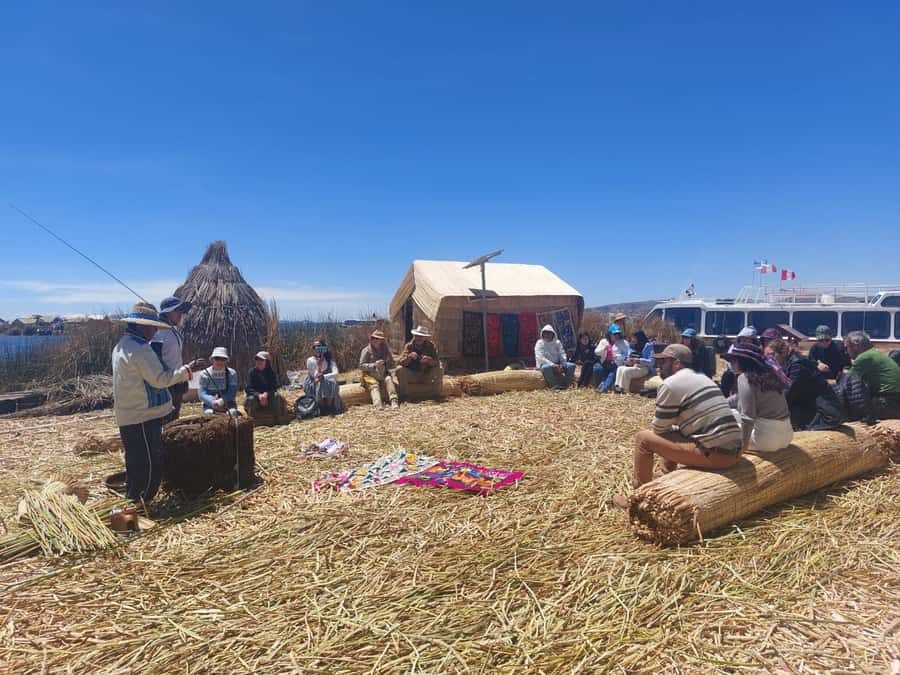
At $7 per person, this is a strong value for a short guided outing. The cost includes downtown Puno hotel transfer, the entrance ticket to the Uros Islands, the regular boat, and an official English or Spanish guide.
The included boat has comfortable seats, life jackets, and a first aid kit. That makes the trip more convenient than arranging separate transport to the port and negotiating your own visit. The price also includes the basic entry cost, so you are not facing a surprise admission fee at the island.
You still need to budget for the optional totora raft ride and any meal. Meals are not included, though the tour lasts only three hours and is unlikely to require a full food stop. Bring water, especially because the sun can feel strong on the lake.
The low price also comes with sensible limits. This is not a private tour, a long cultural workshop, or an extensive exploration of Lake Titicaca. One person found it fairly short, and that is the most important value consideration. If you have only a morning or afternoon in Puno, the price is excellent. If you want a slow, detailed study of Uros life, you may find the schedule too tight.
Timing, weather, and what to carry
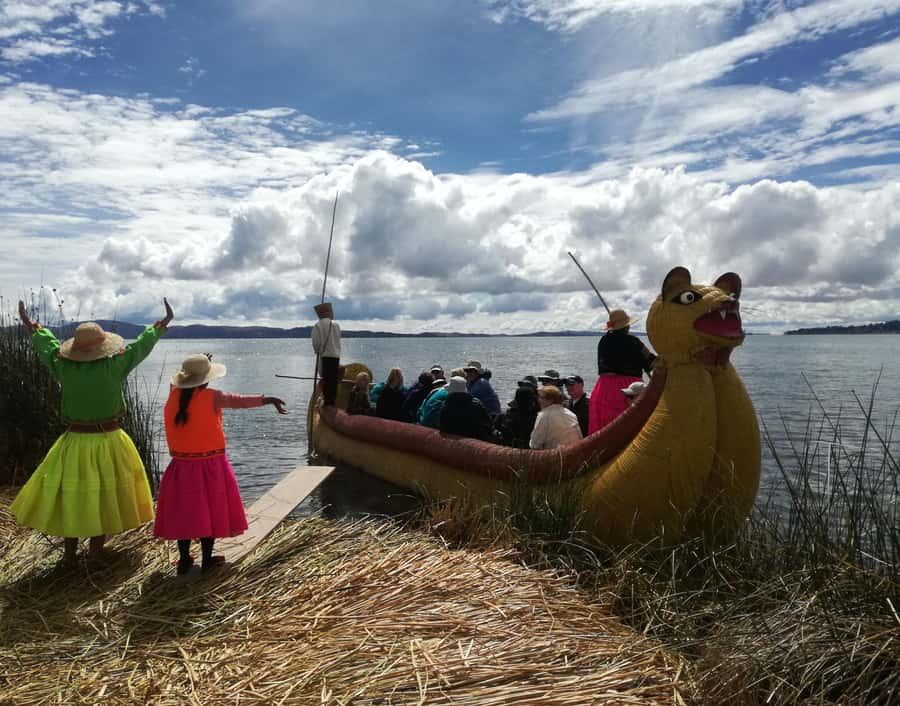
You can check available starting times when booking. The standard visit is scheduled for three hours, with about two hours at the islands and the rest spent in transport.
A sunset departure can be appealing. One visitor found the timing especially pleasant, but the best start time depends on availability and your wider Puno plans. A morning visit is also practical, especially if you want the rest of the day free.
Bring a sun hat, sunscreen, water, and a camera. Comfortable clothing and walking shoes matter because you will move around the floating islands rather than remain seated on the boat.
The lake setting can make sun protection easy to forget. You may feel a cool breeze on the water while still receiving strong sun exposure. Keep your sunscreen and water easy to reach instead of burying them in your bag.
Smoking is not allowed. You should also treat the islands and the people who live there with care. Follow the guide’s instructions, ask before photographing people, and avoid treating homes as stage scenery.
Who will enjoy this three-hour trip?
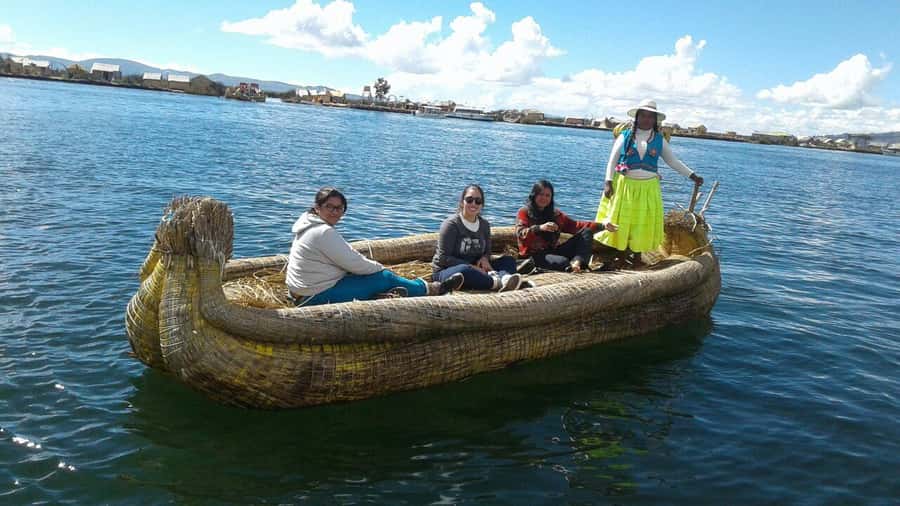
This tour suits you if you want a compact introduction to Lake Titicaca and have limited time in Puno. It is also a good choice if you prefer a guided cultural visit with transport already arranged.
Families and older visitors may appreciate the short duration and included boat transfer. The activity is listed as wheelchair accessible, although the exact conditions on the floating islands are not explained in the supplied details. If you use a wheelchair, confirm the practical arrangements before booking.
The tour also works well for visitors who want something different from a standard city walk. You will see a community whose homes, transport, and crafts are tied to totora reeds. That gives the visit a clear focus rather than a long list of unrelated sights.
You may want another option if you dislike structured group visits or want a great deal of unscheduled time. The itinerary moves from Puno to the islands and back within three hours, so the experience is organized and fairly brisk.
It is also best to set realistic expectations. You are visiting one small part of the Uros community during a short tour. You will learn about traditions and meet residents, but this is an introduction, not a complete account of every part of Uros life. A guide has been encouraged to cover more elements of daily life, so if that matters to you, ask questions during the visit.
A respectful way to approach the Uros community
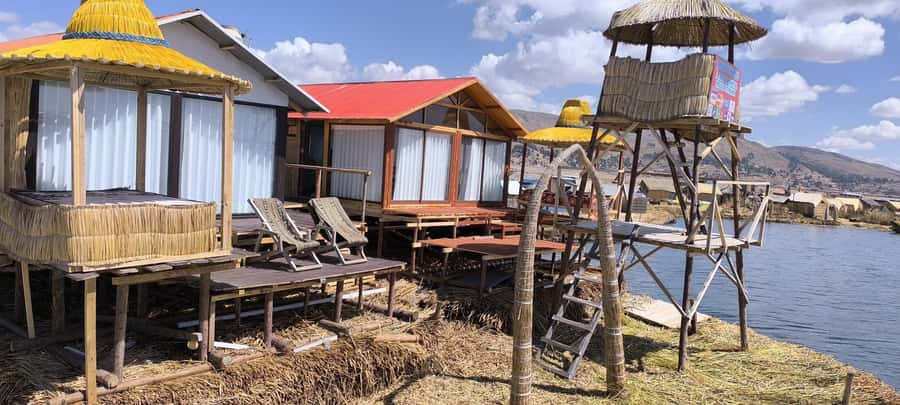
The Uros Islands are both a home and a major attraction. That creates a responsibility for you as a visitor. Pay attention to the guide’s instructions and remember that the people you meet are not there only to provide photographs.
A simple Aymara greeting, taught by a guide such as Roly, can help open the conversation. Listen when residents explain their work, particularly the building of rafts, embroidery, and the use of totora. The more you focus on the skills and choices behind island life, the less the visit becomes a quick photo stop.
You should also keep an open mind. The islands are unusual, but the community is not a curiosity to be inspected. Approach the visit as a chance to learn how people maintain a distinctive way of life in a demanding environment.
Should you book the Uros Islands tour?
Book this tour if you want an inexpensive, well-organized introduction to the floating islands, especially during a short stay in Puno. The $7 price, downtown transfer, regular boat, guide, and entrance fee make it hard to beat for basic value.
I would set aside extra money for the totora raft ride if that part interests you, and I would not choose this outing if you need a long, unhurried cultural visit. For most first-time visitors to Puno, though, the combination of striking scenery, Aymara traditions, and practical explanations makes these three hours worthwhile.
FAQ
How long does the Uros Islands tour last?
The tour lasts three hours in total. About two hours are spent visiting the Uros Floating Islands, with the remaining time used for van and boat transfers.
Where does the tour begin?
Pickup is provided from downtown Puno hotels. The first van transfer to Puno Port takes about 10 minutes.
How far are the Uros Islands from Puno?
The Uros Islands are located about 8 kilometers from Puno.
Is transportation included?
Yes. The tour includes the transfer between a downtown Puno hotel and Puno Port, as well as the regular boat to the islands and back.
Is the totora reed raft ride included?
No. The optional totora reed raft ride costs extra and is not included in the advertised price.
What does the $7 price include?
The price includes the downtown hotel transfer, entrance ticket to Uros, the regular boat, life jackets, a first aid kit, and an official English or Spanish guide.
Are meals included?
No. Meals are not included in the tour.
What languages are available?
The live guide service is available in English and Spanish.
Is the tour wheelchair accessible?
The activity is listed as wheelchair accessible. You should confirm the specific arrangements for boarding the boat and moving around the floating islands before booking.
Can I cancel the tour?
You can cancel up to 24 hours in advance for a full refund. The tour also offers a reserve-now, pay-later option.
Recently added around Puno
- From Puno: Travel to Cusco in Titicaca Train All Inclusive★ 3.9 · 3 reviews
- 5h tour from Puno to Aramu Muru portal and Inca Ruins★ 4.6 · 3 reviews
- Puno: Two-day excursion to Uros, Amantani and Taquile★ 4.2 · 3 reviews
- Discover the Celestial Wonder of Sillustani: Towers of Time★ 4.2 · 3 reviews
- FromPuno: Uros and Amantani Islands Full-Day Tour with Lunch★ 4.5 · 4 reviews
- From Puno: Excursion to Uros and Taquile Islands + Income★ 4.7 · 4 reviews
- Puno: Lake Titicaca, Uros, and Taquile Full-Day Tour★ 4.5 · 4 reviews
- Puno: 2-day Uros Kayak Tour with Homestay at Amantani Island★ 4.6 · 4 reviews
Lake Titicaca Tours, compared.

Lake Titicaca 2-Day Tour to Uros, Amantani and Taquile
Read our review →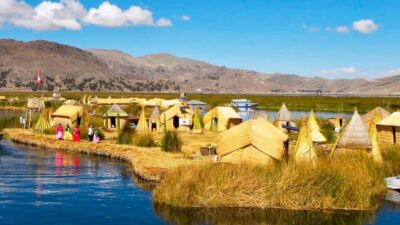
Full-Day Tour of Lake Titicaca and Uros & Taquile
Read our review →

Browse the lists this tour appears in