
Reviewed · LAKE TITICACA TOURS
Titicaca Lake 2 Day 1 Night from Cusco to Puno
Lake Titicaca is the star here, but the route from Cusco gives you much more than a quick lake visit. In two packed days, you see Andean churches, Inca and pre-Inca sites, high mountain passes, floating reed islands, and Taquile’s living traditions.
I like the way the tour removes a tricky travel problem: transport, guides, island boats, and one hotel night are arranged together. I also like the comfortable tourist bus and the well-chosen stops, especially Andahuaylillas and Raqchi. The main catch is important: this is technically two days and two nights, because you sleep on the return bus from Puno to Cusco.
Key points to know before booking
- The route links Cusco and Puno in one full sightseeing day, with stops at Andahuaylillas, Raqchi, La Raya, and Pukara.
- Lake Titicaca takes most of Day 2, including boat visits to the Uros Floating Islands and Taquile Island.
- Your overnight bus ride is part of the return plan, arriving at the Cusco terminal around 5 a.m.
- A small group of up to 15 people makes the guided stops easier to manage than a large coach tour.
- Altitude matters, with La Raya reaching 4,338 meters and Lake Titicaca itself sitting high in the Andes.
- The $269 price covers a lot, but Taquile lunch, tips, and personal expenses are extra.
Why this Cusco to Puno route works
The practical strength of this tour is its route design. Instead of taking a direct bus from Cusco to Puno and arranging Lake Titicaca separately, you spend the first day making several useful cultural stops along the way.
That saves time and avoids the usual puzzle of matching transport, hotel check-in, boat schedules, and guides. You leave your Cusco hotel at 6:30 a.m., reach Puno at about 5:30 p.m., spend the night there, and begin the lake excursion at 6:45 a.m. the next morning.
I would not call this a relaxed trip. It is a sightseeing sprint with an early start, a full day on the water, and a late-night departure. Still, if your Peru schedule is tight, it packs several major sights into a neat connection between two important destinations.
The group limit is 15 people. That is small enough for questions and easier movement at archaeological sites, though the overall journey includes several handoffs between guides and transport providers. One guide named Manuel received particularly warm praise for his care and explanation, but guide assignments can vary.
more lake titicaca island days
- Full Day Lake Titicaca Tour from Cusco
★ 4.5 · 91 reviews - From Cusco: 2-Day Lake Titicaca Tour
★ 4.4 · 74 reviews - From Cusco: Titicaca Lake – Full day tour with sleeper bus
★ 3.9 · 72 reviews
Day 1: Churches, Inca ruins, and the high Andes
The first morning starts early with hotel pickup in Cusco. You board a tourist bus for the so-called Route of the Sun, the road connecting Cusco and Puno through high Andean country.
The bus is more than a transfer. It functions as a moving tour, with a guide explaining the sites and coordinating the stops. Several people appreciated the comfortable vehicles, good lunches, and clear handling of the many transfers. That organization matters on a route where a missed connection could leave you waiting in an unfamiliar town.
Oropesa and the opening stops
Oropesa is listed among the first places visited, along with Chacacupe. The supplied schedule gives more detail for later stops than for these two, so you should think of them as brief cultural and roadside pauses rather than major independent attractions.
The value is in the rhythm of the day. You break up a long ride, see more of the Cusco region, and get a look at the towns and countryside between the two cities. Do not expect a leisurely morning. The schedule moves quickly.
Andahuaylillas and the Church of San Pedro
The Church of San Pedro de Andahuaylillas gets about 40 minutes. Its nickname, the Sistine Chapel of America, points to its painted interior and ornate religious art.
The church was built by Jesuits in the 16th century on a site considered sacred by the Incas. That layering of Catholic and Andean traditions is what makes the stop worthwhile. You are not just looking at an old church. You are seeing how Spanish religious buildings were placed within an existing sacred geography.
Admission is included, and the guide helps put the paintings and setting into context. I would pay close attention here, since the visit is short and the church can easily become a quick photo stop if you are not listening.
One caution: guide quality can vary. One person found the first-day guide spent too much time on chakras, numerology, and aliens instead of focusing on history. If your interests are firmly archaeological, ask direct questions and steer the conversation back to the site.
more Cusco days to weigh up
- Cusco by Night: Planetarium Cusco, Dinner, and Pisco Sour
★ 5.0 · 75 reviews - From Cusco: 2-Night Lake Titicaca Excursion
★ 3.7 · 62 reviews - Rainbow Mountain and Red Valley Hike – 2 Days / 1 Night
★ 5.0 · 41 reviews - From Cusco: 3-Night Lake Titicaca Excursion
★ 4.3 · 17 reviews
Raqchi and the Temple of Wiracocha
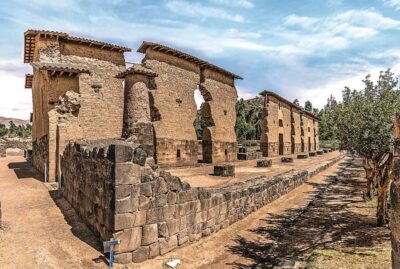
Raqchi receives about 50 minutes and is one of the most substantial stops on the road. The archaeological park includes several zones with different purposes, centered on the Temple of Wiracocha.
The site gives you a sense of scale and planning that is difficult to get from a quick ruin near Cusco. The temple was built in honor of Wiracocha, and the surrounding areas show that this was not a single structure but a working complex with separate functions.
You will not have hours to wander, so use the guide time well. Ask what each area was used for and how the temple fit into the wider Inca world. The stop is especially useful if you want more than the usual Cusco circuit.
Buffet lunch in Sicuani
Lunch in Sicuani lasts about an hour and is included as a buffet. This is a practical midday break rather than a culinary destination, but it solves a real problem on a long touring day.
The food gives you time to refuel before the road climbs higher. Bring small energy bars as backup, especially if you are adjusting to altitude or find the meal schedule early compared with your usual routine.
La Raya Pass at 4,338 meters
La Raya marks the border between the Cusco and Puno regions and is the highest point on this route, at 4,338 meters above sea level. The stop is only about 10 minutes, but the mountain views make it memorable.
This is also the clearest reminder that altitude is not a minor detail. You may feel the thin air even during a short walk from the bus. Move slowly, avoid unnecessary exertion, and bring warm clothing. The supplied advice to acclimatize before the trip and drink coca tea is sensible, though coca tea is not a substitute for proper acclimatization.
The cold can surprise you even on a sunny day. Pack a hat, sunscreen, sunglasses, and a rain jacket or poncho. Weather can shift quickly at high elevation.
Pukara Archaeological Site
The final major stop is Pukara, with about 30 minutes for the archaeological site. Pukara is known for monolithic sculptures and pottery featuring geometric, animal, and human forms.
This stop adds an earlier Andean culture to a day otherwise dominated by colonial and Inca-era places. The visit is brief, but it helps you see that the region’s story began long before the Inca Empire.
You arrive in Puno around 5:30 p.m. and go to your accommodation. The lodging is described only as a hostel or accommodation, so do not book this expecting a clearly specified hotel standard. That lack of detail is one of the tour’s weak points, and it is worth confirming the property and room setup before departure.
Day 2: Uros, Taquile, and a long day on Lake Titicaca
Your second morning starts at 6:45 a.m. with pickup from your Puno accommodation. You board a boat for a full day on Lake Titicaca, returning to Puno around 5 p.m.
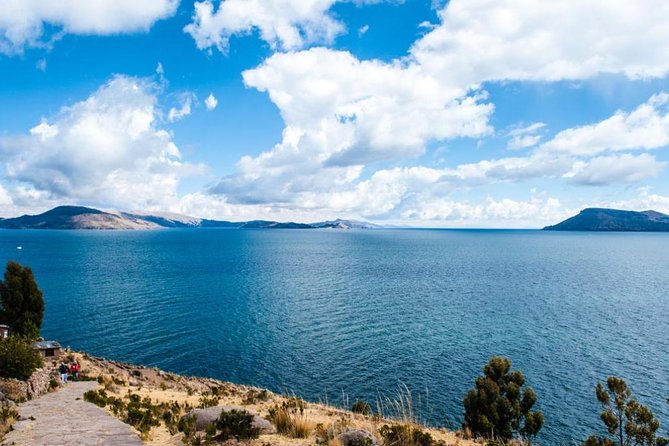
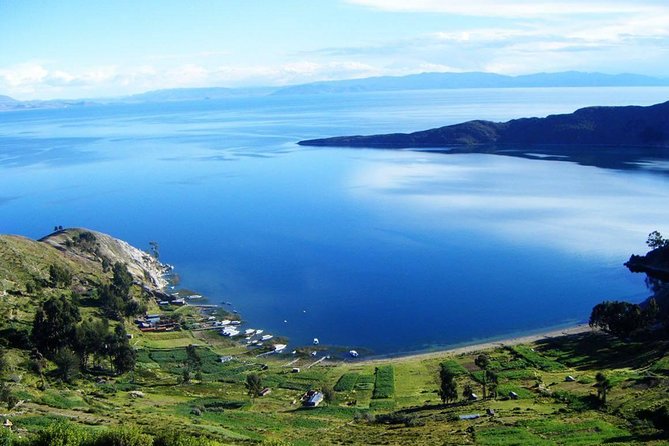
The lake stretches along the Peru-Bolivia border and is one of South America’s largest lakes. It is also the world’s highest navigable body of water, a fact you will notice in the intense sun, cool air, and high-altitude setting.
The lake water is often calm, with bright reflections, but the open conditions can still feel cold. Bring layers, sun protection, and a plastic bag for keeping belongings dry.
The Uros Floating Islands
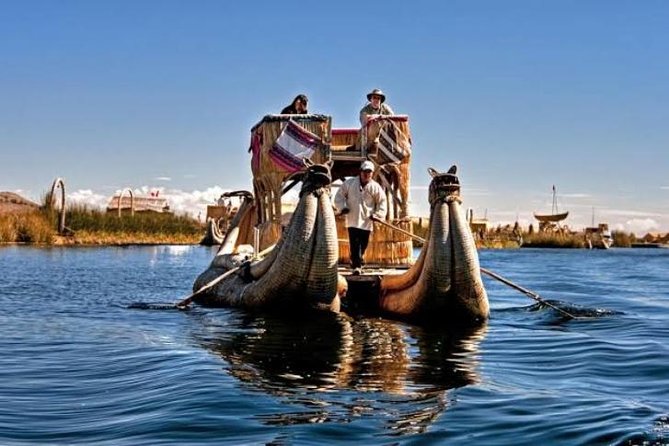
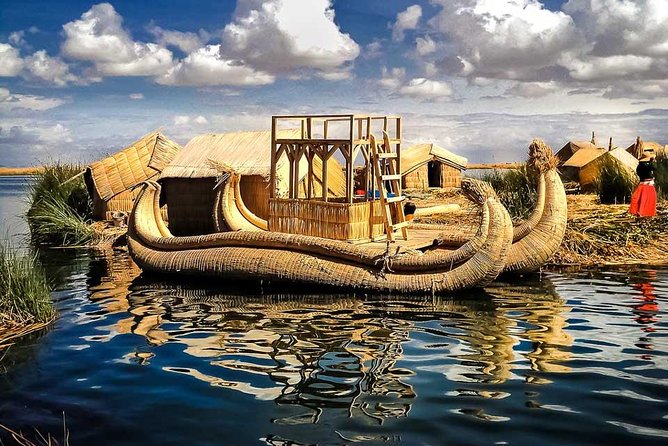
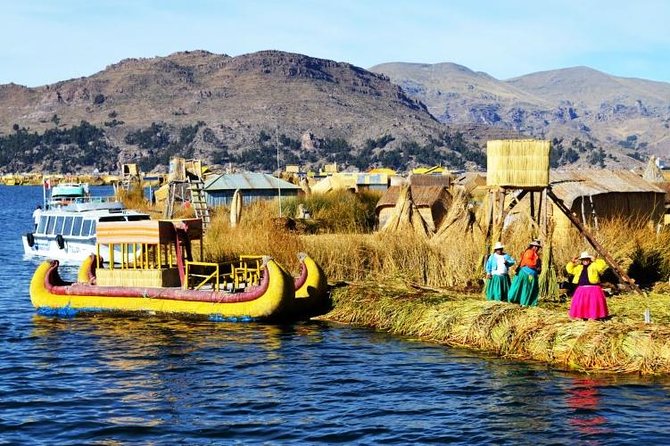
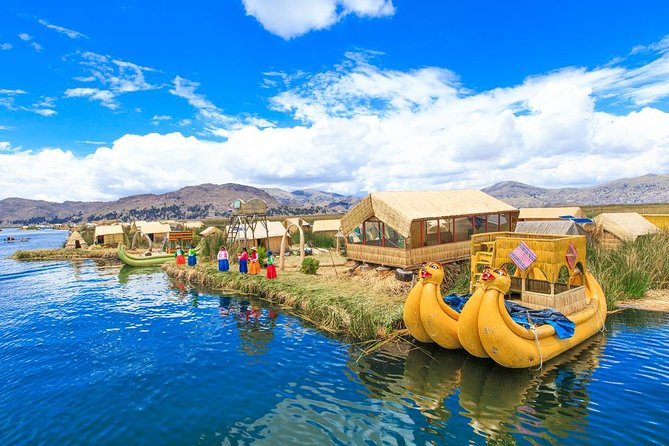
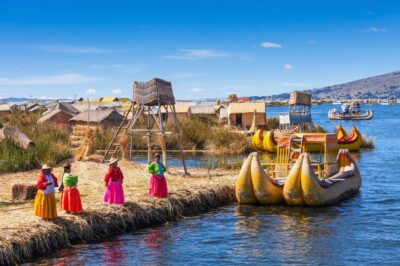
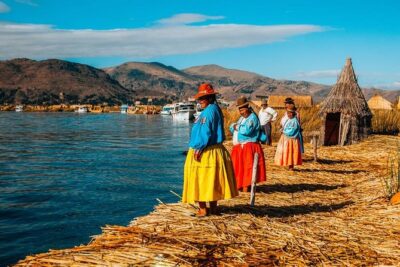
The Uros Floating Islands receive about an hour. These habitable islands are made from totora reeds, an aquatic plant that grows in Lake Titicaca.
The construction is striking. Blocks of totora roots form the base, with new layers of woven reeds added above. The surface needs ongoing care because the reeds break down over time.
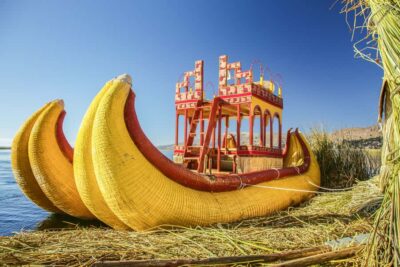
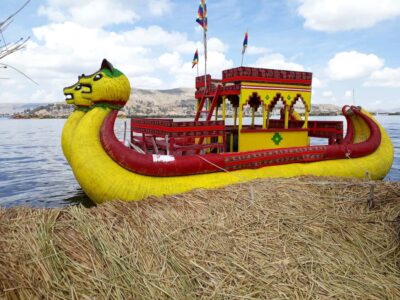
The visit offers a close look at Uros building methods and daily life. It also has a commercial side, with opportunities to buy local products and take additional rides in traditional reed boats. Those extras are not listed as included, so carry some Peruvian soles if you want to purchase anything.
Keep your expectations thoughtful. A short organized visit cannot explain every part of Uros culture or provide a complete picture of community life. Listen carefully, ask respectful questions, and treat the island as a living home rather than a stage set.
Taquile Island and its living traditions
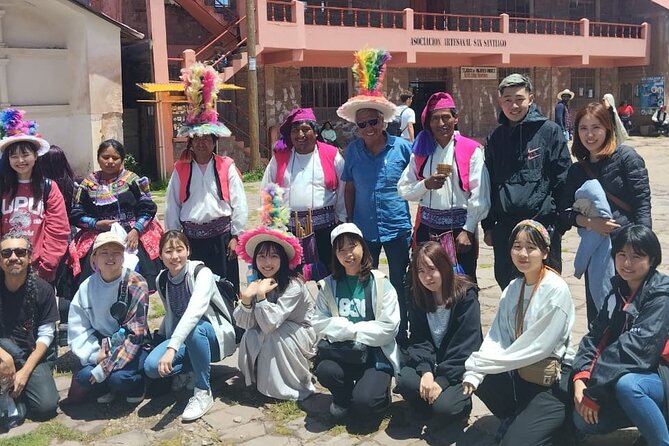
Taquile Island is the most substantial cultural stop on the lake. The visit focuses on local customs, work, beliefs, and community life.
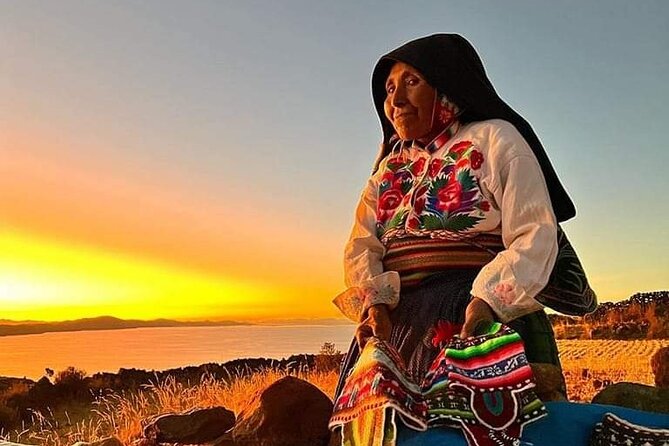
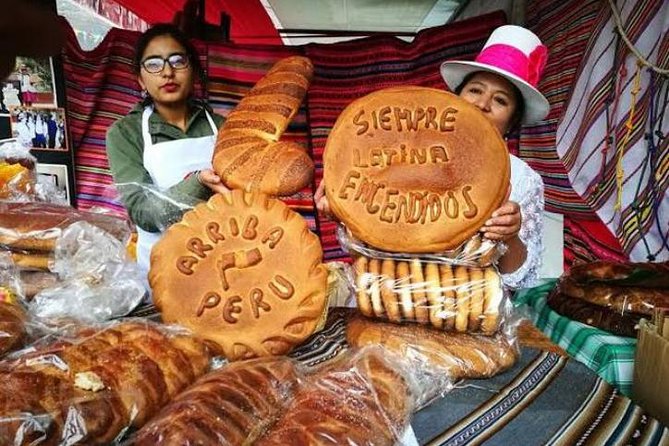
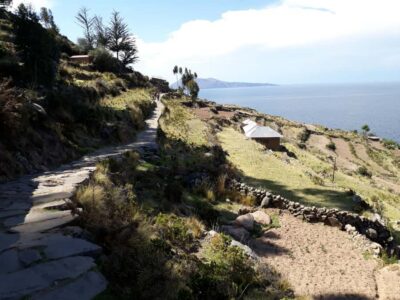
The island is known for its woven textiles and its strong local traditions. The description emphasizes the island’s hills, which residents see as protective Apus, or sacred mountain spirits. That connection between people, ritual, and place gives Taquile a different feel from the constructed islands of Uros.
You receive about an hour on Taquile, followed by lunch. The meal includes lake trout, but lunch is listed as not included, so budget separately for it. The food break lasts about an hour.
The island visit involves walking, and the altitude can make even modest slopes feel harder than expected. You should have moderate physical fitness, wear sturdy hiking shoes, and take your time. This is not a good day for rushing from one viewpoint to the next.
What the transport schedule really means
The first tourist bus day runs from roughly 6:30 a.m. to 5:30 p.m. The next lake day runs from about 6:45 a.m. to 5 p.m. After returning to Puno, you have time to return to your accommodation or visit the city on your own.
At 9:15 p.m., you are picked up for the overnight bus back to Cusco. Arrival is expected around 5 a.m. at the Cusco terminal.
That schedule is the single most important thing to understand before booking. The product is called two days and one night, but you spend one additional night sleeping on the bus. If you need real rest before a flight, a trek, or a morning appointment, this return plan may leave you worn out.
The upside is efficiency. You avoid paying for another hotel night and can connect Cusco and Puno without losing a separate travel day. The downside is comfort. Even a good bus seat is not the same as a bed.
Is $269 a fair price?
At $269 per person, the tour is not the cheapest way to get between Cusco and Puno. But price comparisons should include what is covered.
The package includes the tourist bus with sightseeing stops, a professional guide, the Day 1 buffet lunch, boat transport, visits to Uros and Taquile, accommodation in Puno, and the return bus to Cusco. It also includes admission to the listed attractions.
Arranging these pieces independently could take time and require careful coordination. The value is strongest if you want a guided route and have limited time in Peru. The value is weaker if you prefer choosing your own hotel, spending longer at each ruin, or traveling directly between cities.
Taquile lunch is extra. Tips are optional, and you should carry extra soles for snacks, souvenirs, and any optional activity around the islands. Ask about the accommodation before paying if room quality matters to you.
What to pack for the high-altitude route
Pack light. The operator specifically recommends a personal light backpack rather than a large suitcase for the moving schedule.
Bring:
- Warm clothing for La Raya and the lake
- Hiking shoes for Taquile
- A rain jacket or poncho
- Hat, sunscreen, and sunglasses
- Personal medication
- Energy bars
- Camera and a plastic bag for protection
- Extra Peruvian soles
Altitude deserves serious attention. The route reaches 4,338 meters at La Raya, and both Cusco and Puno are high cities. The advice to acclimatize before departure is important. If you have not adjusted to altitude, the long bus day and steep walking on Taquile may feel demanding.
Who will enjoy this tour most?
I would recommend this tour to you if you want an efficient connection between Cusco and Puno, prefer having transport arranged, and enjoy a full schedule. It suits first-time visitors who want archaeological stops as well as Lake Titicaca and would rather not coordinate several local bookings.
It also works well for people who appreciate guides. The strongest parts of the experience depend on explanation: the meaning of Andahuaylillas, the layout of Raqchi, the earlier culture at Pukara, and the traditions of Taquile all gain value when someone provides context.
I would hesitate if you need a slow pace, quiet evenings, or a comfortable night’s sleep before returning to Cusco. I would also think twice if the accommodation standard is important and cannot be confirmed in advance.
The guiding can be uneven. Several guides were praised for being attentive and well informed, while one first-day guide was criticized for focusing on spiritual speculation instead of history. That is a reminder to judge the tour as a logistical package, not as a guarantee of one particular guiding style.
Should you book the Cusco to Puno Lake Titicaca tour?
Book it if you want to cover a lot of ground in little time. The combination of Andahuaylillas, Raqchi, La Raya, Pukara, Uros, and Taquile gives you a broad look at the region, and the included transport removes much of the planning burden.
Skip it if your priority is rest or independence. The early starts, full lake day, and overnight return bus make this a demanding trip. Before booking, confirm the accommodation details and make sure you understand that the tour includes one night in Puno plus one night traveling by bus.
For an organized, high-value introduction to the road from Cusco to Lake Titicaca, it is a solid choice. Just pack for cold weather, prepare for altitude, and arrive ready for a busy two days.
FAQ
How long does the tour last?
The scheduled sightseeing lasts two days, but the complete trip includes an overnight bus ride back to Cusco. You leave Puno at about 9:15 p.m. on Day 2 and arrive at the Cusco terminal around 5 a.m. the following morning.
Where does the tour begin?
Pickup is offered from your hotel in Cusco at approximately 6:30 a.m. on Day 1.
Where do I stay overnight?
You spend one night in Puno at a hostel or other accommodation arranged as part of the tour. The specific property is not identified in the supplied details.
What sites are visited between Cusco and Puno?
The route includes Oropesa, Andahuaylillas, Chacacupe, Raqchi, Sicuani, La Raya, and Pukara. The first day also includes a buffet lunch in Sicuani.
What islands are visited on Lake Titicaca?
The boat excursion visits the Uros Floating Islands and Taquile Island.
Is lunch included on both days?
The Day 1 buffet lunch in Sicuani is included. Lunch on Taquile, including the lake trout meal, is not included.
How high is the route?
The highest point listed is La Raya Pass, at 4,338 meters above sea level. You are advised to acclimatize before the trip and bring warm clothing.
What is included in the $269 price?
The price includes the tourist bus from Cusco to Puno with sightseeing stops, a professional guide, the Day 1 buffet lunch, boat visits to Uros and Taquile, one night of accommodation, admission to the listed attractions, and the return bus from Puno to Cusco. Tips, Taquile lunch, and personal expenses are not included.
More 2-Day Experiences in Cusco
- From Cusco: 2-Day Trip to the Sacred Valley and Machu Picchu
★ 4.6 · 265 reviews - Cusco: Machu Picchu 2-Day Inca Trail with Panoramic Train
★ 4.9 · 260 reviews - From Cusco: 2-Day Inca Trail to Machu Picchu
★ 4.2 · 244 reviews - Machu Picchu: Inca Trail 2-Day Overnight Guided Tour
★ 4.9 · 203 reviews
Recently added around Cusco
- Palcoyo colored mountain hike + stone forests★ 4.6 · 3 reviews
- Maras Moray★ 5.0 · 3 reviews
- Full-Day Condor Viewpoint & Inca Sites Tour★ 5.0 · 3 reviews
- From Cusco: Vinicunca Mountain of Colors Excursion + Ticket★ 5.0 · 3 reviews
- Excursion Cusco – Puno – Titicaca Observatory Train★ 5.0 · 3 reviews
- Machu Picchu: Private Tour Guide Service for up to 15 people★ 4.5 · 3 reviews
- Machu Picchu: 1-day tour by Vistadome Observatory train★ 5.0 · 3 reviews
- Cusco: Chonta Canyon and Condor Flight Tour with Lunch★ 5.0 · 3 reviews
Lake Titicaca Tours, compared.
Lake Titicaca 2-Day Tour to Uros, Amantani and Taquile
Read our review →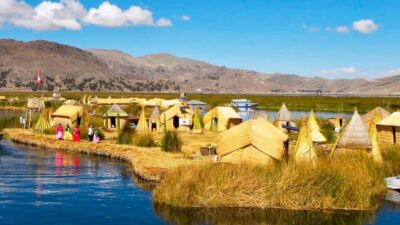
Full-Day Tour of Lake Titicaca and Uros & Taquile
Read our review →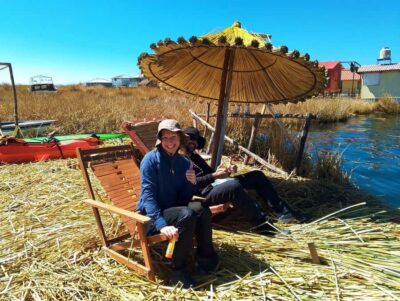
Browse the lists this tour appears in