
Reviewed · MACHU PICCHU TOURS
5-Day: Salkantay Trek to Machupicchu and Humantay Lake
The best part of this five-day Salkantay route is the sharp change in scenery. You begin beside snow peaks and a turquoise mountain lake, cross the high Salkantay Pass, then walk down through warm jungle to Machu Picchu. It is a demanding but rewarding way to reach the ruins without taking the classic Inca Trail.
I like the small group limit of 15 and the practical support from a bilingual guide, porters, horses, meals, and camping equipment. I also like the human touch described by the company’s guests, especially guide Roger, who is praised for being helpful and friendly. The main drawback is the long final day: after Machu Picchu, you walk back to Hydroelectric and may not reach Cusco until about 10:00 p.m.
Key points to know before booking
- Humantay Lake comes on day one: You hike to 4,200 meters after a long early-morning bus ride, so acclimatization matters.
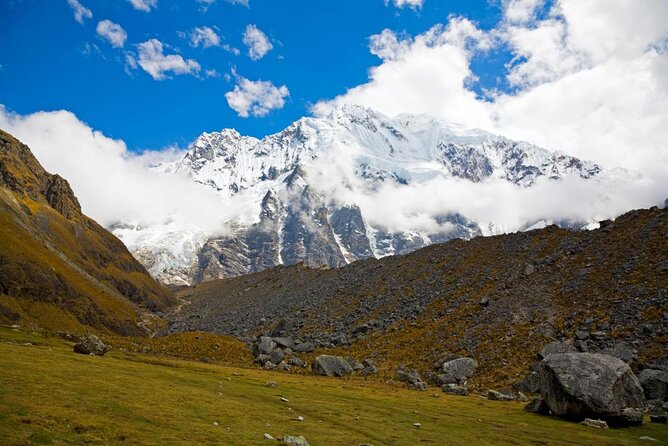
- The high point is 4,600 meters: Salkantay Pass is the toughest section, with steep uphill walking and cold conditions.
- Your pack is partly handled: Horses carry up to 5 kilograms during the first three days, but you still need a daypack.
- The route changes climate fast: Snow peaks give way to orchids, streams, farms, waterfalls, and warm jungle.
- Machu Picchu starts early: You leave around 4:00 a.m. and enter the citadel at about 6:00 a.m. for a two-hour guided visit.
- Extras cost extra: Cocalmayo Hot Springs costs $6, Huayna Picchu costs $30, and the return train is an optional upgrade.
Why this Salkantay trek is worth considering
At $360 per person, this tour offers a lot for a five-day mountain trip. The price includes transport from Cusco, a bilingual guide, three nights of camping, one hostel night, meals from the first lunch through the fourth breakfast, Machu Picchu admission when booked far enough ahead, and the return bus.
You also get camping gear, private transportation, taxes, and horse support for the hardest first three days. Those inclusions matter in Peru, where small transport connections and meal costs can quickly add up. The tour is not luxurious, but it is designed to keep the route moving without making you arrange every transfer yourself.
The price does not cover your first breakfast, your final day’s lunch and dinner, sleeping bag rental or provision, the Cocalmayo entrance, or optional activities. The return from Machu Picchu is by bus through Hydroelectric unless you pay for the train. Add those costs to your budget before deciding.
This is an active trip, not a sightseeing circuit with short walks. The itinerary includes several long hiking days, high altitude, basic camping, and a very early finish at Machu Picchu. You should have a moderate fitness level and take the altitude seriously.
More Hiking Tours in Cusco
- From Cusco: 7 Lakes Ausangate Trek with Breakfast and Lunch
★ 4.8 · 360 reviews - Cusco: Rainbow Mountain Tour and Red Valley Hike (Optional)
★ 4.7 · 149 reviews - Cusco: Full-Day Rainbow Mountain & Red Valley Trekking Tour
★ 4.5 · 121 reviews
Day one: Humantay Lake after a 4:30 a.m. start
The first day begins before dawn. Pickup information gives both a 4:30 a.m. start and a general 5:30 to 6:00 a.m. pickup window, so confirm your exact time and meeting point during the briefing. The group then rides for about four hours, stopping in Mollepata at 2,900 meters for roughly 30 minutes.
The road continues to Challacancha, where porters and horses take the camping equipment. From there, you hike for about four hours to Soraypampa at 3,900 meters. This is your first real test. You are already high, and the altitude can make a normal uphill walk feel slow and heavy.
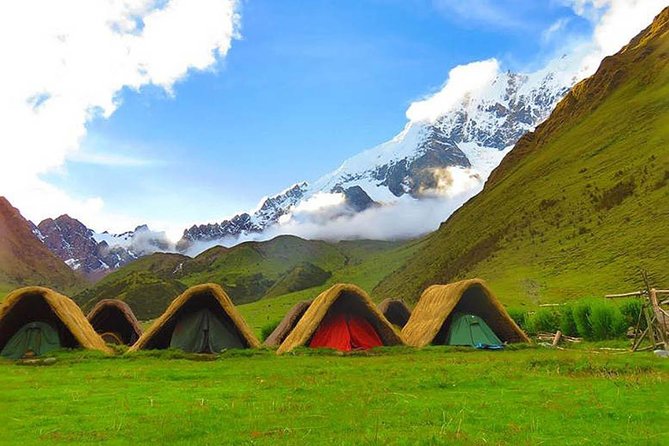
The camp sits beside Inca-era irrigation channels, with views toward the snowy Salkantay peak. Daytime temperatures are given around 10°C, with nights near 2°C. Bring warm layers, gloves, a hat, and a reliable rain shell. Conditions can shift quickly in the mountains, and your sleeping bag is not included.
After lunch, you walk about an hour and a half to Humantay Lake, at 4,200 meters. The visit lasts around an hour, but the climb is the point, not just the destination. The high lake and surrounding peaks make a dramatic first afternoon, though you may feel the altitude more here than anywhere else on day one.
The camp uses a four-season tent with an extra straw roof. That gives you a more sheltered base than a simple tent pitched in the open, but you should still expect a basic mountain camp rather than a hotel room. The first day totals about eight hours of activity, including the walk to the lake.
Day two: Salkantay Pass at 4,600 meters
Day two is the physical heart of the trip. The support team wakes the group with coca tea, intended to help you adjust to the altitude, followed by breakfast. Tea may feel welcome, but it is not a substitute for pacing, water, and listening to your body.
The morning hike takes about three hours to reach Salkantay Pass at 4,600 meters. This is the highest point of the trek, and the air is thin. Expect a slow climb, frequent pauses, and cold wind. The views reach across powerful Andean peaks, and the pass carries spiritual meaning in Inca tradition. The group pauses to ask the Apus, or mountain gods, for permission to continue.
From the pass, the route drops toward Wayracpunku, also called HuayraPampa, for lunch. The descent gives your legs a break from climbing, but downhill walking can be hard on knees. Trekking poles would be useful, though they are not listed among the included equipment.
After lunch, the scenery changes in a matter of hours. The high mountain setting gives way to the upper jungle, with large trees, streams, bromeliads, and orchids. This contrast is one of the route’s strongest features. You do not spend five days looking at the same kind of view.
The hike continues for about five hours to Chaullay at 2,900 meters. Dinner and rest follow at camp. The full day combines the highest altitude with a long descent and several hours in warmer terrain, so keep your water, snacks, rain gear, and warm layer easy to reach.
Day three: From La Playa to Santa Teresa
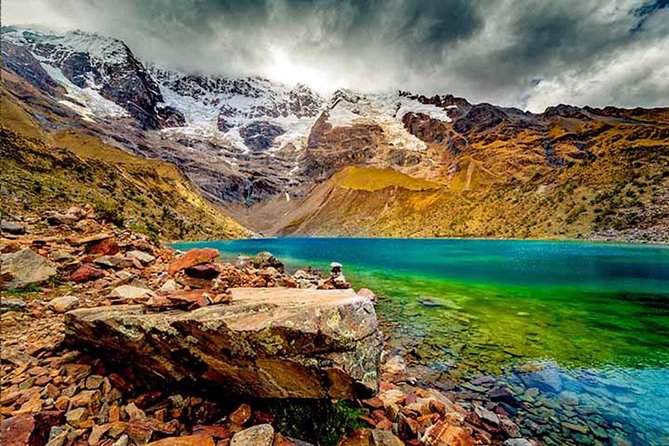
After breakfast around 6:30 a.m., you continue through the jungle toward Sahuyaco, also called La Playa, at about 2,000 meters. The temperature rises sharply here, with daytime conditions around 25°C and nights near 14°C.
This section takes about six hours, including the transfer and lunch stop. The route trades exposed high-altitude mountain views for greenery, streams, and a warmer walking environment. It is a welcome change after Salkantay Pass, although heat, humidity, and uneven paths can create their own fatigue.
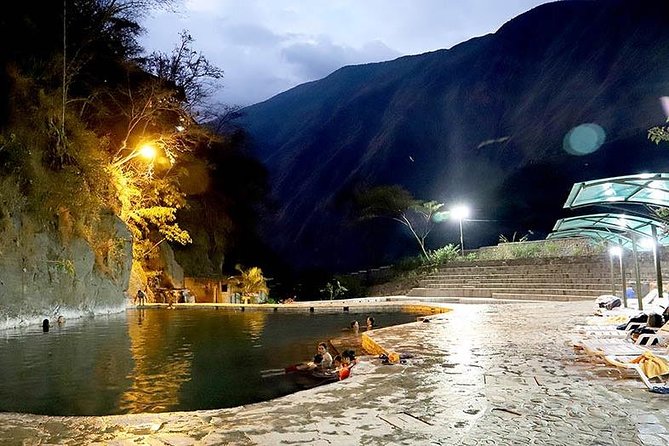
From La Playa, transport takes you to Santa Teresa at 1,550 meters. This is the lowest and warmest base on the route. You camp here and have the chance to visit Cocalmayo Hot Springs, a useful reward after two demanding days.
Cocalmayo is not included. Entrance costs $6, paid on the spot. Bring swimwear and a towel if you plan to go, and remember that the hot springs are an optional extra, not part of the $360 package.
Dinner is a traditional Peruvian meal, followed by a night in Santa Teresa. This is a good point to sort your daypack, dry clothes, charge devices if possible, and prepare for the next morning. The route becomes less remote from here, but the walking is not over.
more ways to reach machu picchu
- From Cusco: Full-Day Group Tour of Machu Picchu
★ 4.7 · 1,767 reviews - Machu Picchu Day Trip from Cusco
★ 4.5 · 1,644 reviews - Machu Picchu: Full-Day Tour from Cusco with Optional Lunch
★ 4.6 · 927 reviews - Cusco: 4-Day Inca Trail to Machu Picchu with Accommodation
★ 4.8 · 432 reviews
Day four: The railway walk to Aguas Calientes
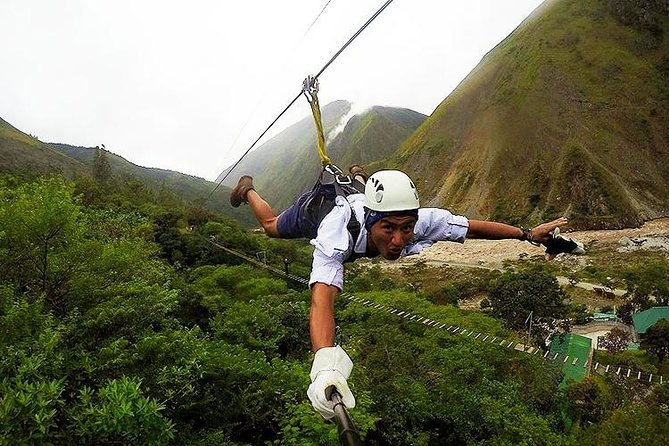
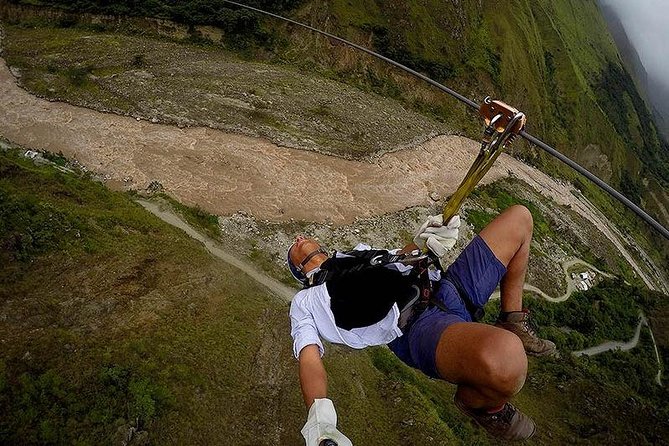
Day four gives you a choice. You can book a zip line activity, which takes about two and a half hours and includes more than six cables. The longest cable is one kilometer, speeds can reach 70 kilometers per hour, and the activity also includes a climbing rock and suspension bridge.
If you skip the zip line, you walk about two hours from Santa Teresa to Hydroelectric. The whole group meets there for lunch. This split lets you choose between a faster, more adventurous morning and a quieter walk, though the zip line is an added activity rather than part of the basic package.
From Hydroelectric, everyone follows the railway toward Aguas Calientes. The walk takes about three hours. This is a memorable approach to Machu Picchu because the track runs through warm jungle, past waterfalls and ecological farms, with the possibility of seeing wildlife.
The railway section is not a mountain pass. It is still tiring, especially after the previous days, but the grade is more manageable than the high-altitude climbs. Wear shoes with good grip and keep valuables secure in your daypack. You arrive in Aguas Calientes around 5:00 p.m. and sleep in a hostel, with a private room for couples.
That evening includes dinner at a local restaurant and a briefing about Machu Picchu. Pay close attention. The next morning begins at about 4:00 a.m., and you will want to know exactly when and where the group meets.
Day five: Sunrise timing at Machu Picchu
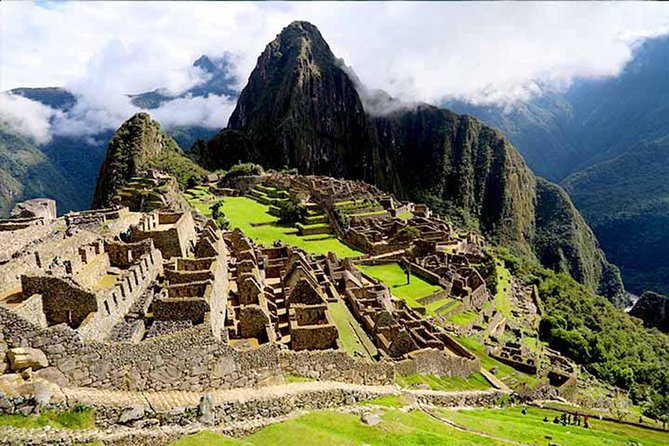
The final morning starts early enough to feel like night. You climb from Aguas Calientes toward Machu Picchu, following an ascending path through the high jungle. The stated goal is to arrive in time for sunrise, but weather, entrance control, walking speed, and seasonal light can affect what you actually see.
The group aims to pass the entrance control around 6:00 a.m. Inside, a private guide leads a two-hour tour of the Inca citadel. That guided introduction is valuable because Machu Picchu can otherwise become a maze of stone terraces and viewpoints. You then have free time to explore on your own within the rules of your entrance ticket.
At 11:30 a.m., the standard plan is to walk about three and a half hours back to Hydroelectric. The bus waits there until 3:00 p.m., then returns to Cusco, with arrival around 10:00 p.m. This is a very long day, and the late arrival is the practical cost of choosing the lower-priced bus return.
You can pay extra for the train instead. With that option, you may remain at Machu Picchu until as late as 5:00 p.m. The train runs from Aguas Calientes to Ollantaytambo in about one hour and 40 minutes, then a car continues to Cusco. The train is faster and more comfortable, and it gives you more time at the ruins, but it changes the price of the trip.
Camping, meals, and what you carry
You spend three nights camping and one night in a hostel. Camping equipment is included except for a sleeping bag. That missing item is important at Soraypampa, where night temperatures are listed near 2°C. Ask the operator what sleeping bag options are available, or bring one suited to cold mountain nights.
Meals include four breakfasts, four lunches, and four dinners. The first day’s breakfast is not included, and neither are lunch or dinner on the last day. Pack food for the early departure and money for the final return journey.
During the first three days, horses carry up to 5 kilograms of your backpack. You still need a small daypack with water, sun protection, rain gear, warm layers, personal medicine, and anything you need during the day. Do not pack as if the horses will carry everything. The 5-kilogram limit is modest.
The equipment and food support make the $360 price more useful than it first appears. You are paying for a route with several moving parts, not just a guide and a trail. Still, this is a basic trek. Keep expectations focused on access, scenery, transport, and support rather than comfort.
The guide and group size
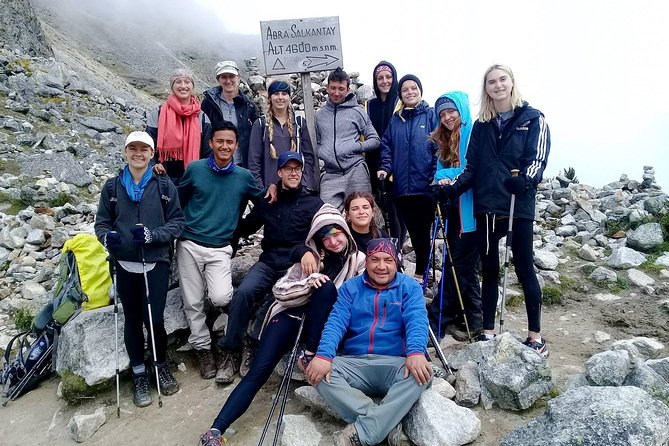
The maximum group size is 15 people. That is small enough for a guide to keep an eye on the group and explain the route without turning every stop into a crowd. A guide named Roger receives especially warm praise for being helpful and friendly, though you should not assume he will lead every departure.
The guide speaks Spanish and English. A briefing takes place one day before departure, giving you a chance to ask about pickup time, gear, altitude, meals, and the Machu Picchu plan.
Good guiding matters most on day two, when the pass reaches 4,600 meters, and on day five, when entrance timing is tight. You should still take personal responsibility for pacing and health. A guide can organize the route, but only you can decide when you need to slow down or stop.
Who should book this route
I would choose this trek if you want a physically active route with major changes in altitude and climate. It suits someone who prefers mountains, camping, and a long approach to Machu Picchu over a quick train ride from Cusco.
It is also a good fit if you want the main practical pieces bundled together. The guide, meals, transport, horses, camps, hostel, and Machu Picchu entry reduce the number of arrangements you must make yourself.
I would think twice if you dislike early starts, basic camping, long bus rides, or uncertain mountain weather. The first pickup is before dawn, the second day reaches extreme altitude, and the final return to Cusco can stretch to 10:00 p.m.
The experience requires good weather. If conditions force cancellation, the operator offers another date or a full refund. Otherwise, the booking is non-refundable and cannot be changed, so make your plans carefully before paying.
Extra nights and Huayna Picchu
You can add one more night in Machu Picchu Pueblo for $30. This makes sense if you want a slower visit or hope to climb Huayna Picchu or Machu Picchu Mountain the next day.
Huayna Picchu costs an additional $30, with availability to be checked after booking. Do not treat this as an automatic add-on. Ask early, since entry capacity can affect your plans.
The extra night can also make the trip less punishing. Instead of rushing through the citadel and beginning a long return on the same day, you get more time in the area. The tradeoff is a higher total cost and another night away from Cusco.
Should you book the Salkantay trek?
Book it if you want a full five-day adventure and can handle high altitude, long walking days, camping, and an early Machu Picchu morning. The combination of Humantay Lake, Salkantay Pass, jungle trails, Cocalmayo, the railway walk, and a guided citadel visit gives you far more variety than a simple transport package.
At $360, the included support offers solid value, especially with meals, horses, camps, hostel lodging, and transport covered. Add the hot springs, sleeping bag, final meals, and any train or mountain upgrades to see the real cost.
Skip it if you want comfort, flexible timing, or a short visit to Machu Picchu. For an active person who wants the route itself to be part of the story, this is a strong choice. Just confirm the pickup time, prepare for cold and altitude, and be ready for one very long final day.
FAQ
How long is the Salkantay Trek to Machu Picchu?
The experience lasts approximately five days, beginning in Cusco and ending with a return to Cusco after the Machu Picchu visit.
What time does pickup begin?
The tour information gives an early start, with pickup details listed between 4:30 a.m. and 6:00 a.m. The general meeting start is 5:30 a.m. Confirm your exact pickup time during the briefing the day before.
Is Humantay Lake included?
Yes. The first day includes the hike from Soraypampa to Humantay Lake at about 4,200 meters, followed by a return to camp.
How high is Salkantay Pass?
The pass reaches approximately 4,600 meters, or 15,091 feet. It is the highest point of the trek.
How much luggage can the horses carry?
Horses carry up to 5 kilograms of your backpack during the first three days. You still carry a daypack with items needed during the hikes.
Is a sleeping bag included?
No. Camping gear is included, but a sleeping bag is not. You need to bring or arrange your own sleeping bag.
Are the Cocalmayo Hot Springs included?
No. Entrance to the hot springs costs $6 per person and is paid at the location.
Is the train back from Machu Picchu included?
The standard return is by bus from Hydroelectric to Cusco. You can add a train from Aguas Calientes to Ollantaytambo for an additional cost.
Can I visit Huayna Picchu?
Yes, Huayna Picchu can be added for $30, subject to availability. An extra night in Machu Picchu Pueblo is also possible for $30.
More Humantay Lake Days
- Cusco: Humantay Lake Tour with Breakfast and Buffet Lunch
★ 4.9 · 2,976 reviews - From Cusco: Excursion to Humantay lake from Cusco
★ 4.7 · 514 reviews - Humantay Lagoon Tour
★ 5.0 · 96 reviews - Humantay Lake Full Day Hike
★ 5.0 · 75 reviews
More Salkantay Treks
- Salkantay Trek Challenge – 3 Days / 2 Nights
★ 5.0 · 101 reviews - Small Group 5 Days Salkantay and Machu Picchu by Llactapata Tour
★ 5.0 · 88 reviews - Machu Picchu: 5-Day Salkantay Trek with Panoramic Train
★ 5.0 · 79 reviews - Salkantay Trek 4 Days to Machu Picchu by Glamping Sky Lodge Dome
★ 5.0 · 68 reviews
Recently added around Cusco
- Palcoyo colored mountain hike + stone forests★ 4.6 · 3 reviews
- Maras Moray★ 5.0 · 3 reviews
- Full-Day Condor Viewpoint & Inca Sites Tour★ 5.0 · 3 reviews
- From Cusco: Vinicunca Mountain of Colors Excursion + Ticket★ 5.0 · 3 reviews
- Excursion Cusco – Puno – Titicaca Observatory Train★ 5.0 · 3 reviews
- Machu Picchu: Private Tour Guide Service for up to 15 people★ 4.5 · 3 reviews
- Machu Picchu: 1-day tour by Vistadome Observatory train★ 5.0 · 3 reviews
- Cusco: Chonta Canyon and Condor Flight Tour with Lunch★ 5.0 · 3 reviews
Machu Picchu Tours, compared.



4-Day Inca Trail to Machu Picchu with Accommodation
Read our review →
2-Day Trip to the Sacred Valley and Machu Picchu
Read our review →
Machu Picchu 2-Day Inca Trail with Panoramic Train
Read our review →
Browse the lists this tour appears in