
Reviewed · PUNO TOURS
Sillustani: Chullpas de Sillustani Afternoon Half-Day Tour
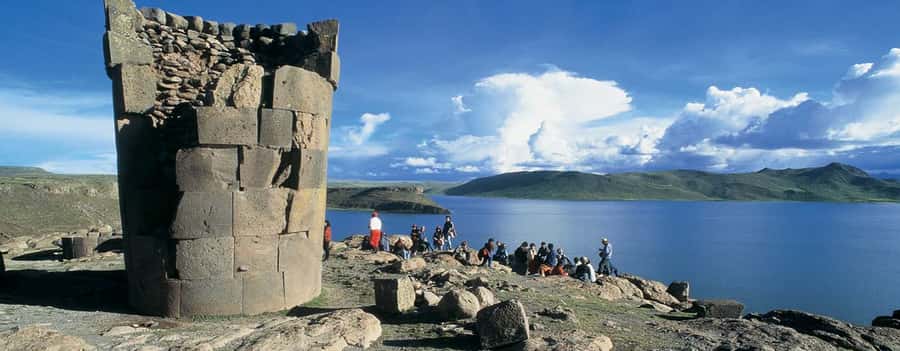
Sillustani is one of Peru’s most striking ancient burial sites: tall stone towers rise from a peninsula above Umayo Lagoon, built to hold the remains of Collao’s leading figures. The best part is the contrast between the precise masonry and the quiet open setting.
I like the short drive from Puno and the chance to see a major pre-Inca site without giving up a full day. I also like the clear, relaxed guiding style described for this tour, with time for questions, photos, and a look at local goods.
The main catch is weather. Strong rain can make the outdoor visit uncomfortable, and the walking area is not suitable for wheelchair users. The published timing also deserves a check, since the tour is described as six hours but the detailed schedule runs roughly from 2:00 PM to 5:00 PM.
Key Points at a Glance
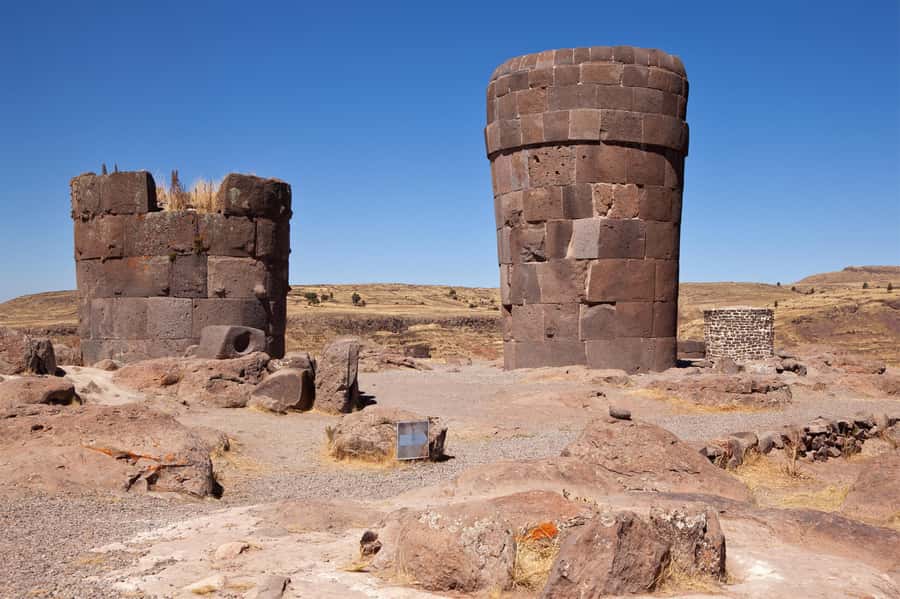
- Chullpa del Lagarto: See Sillustani’s tallest and most famous funerary tower, built with carefully fitted square stones.
- A calm afternoon setting: Visit when the high-altitude light reaches Umayo Lagoon and the surrounding scenery.
- Pre-Inca and Inca culture: Learn how Collao, Kolla, Tiahuanaco, and Inca traditions connect at the site.
- Useful local context: The guide can explain differences and shared features between Quechua and Aymara communities.
- Simple all-in price: The $45 fee includes Puno pickup, transport, entrance fees, and a professional guide.
- Flexible booking: You can cancel up to 24 hours ahead for a full refund and reserve without paying immediately.
Why Sillustani Is Worth Your Afternoon
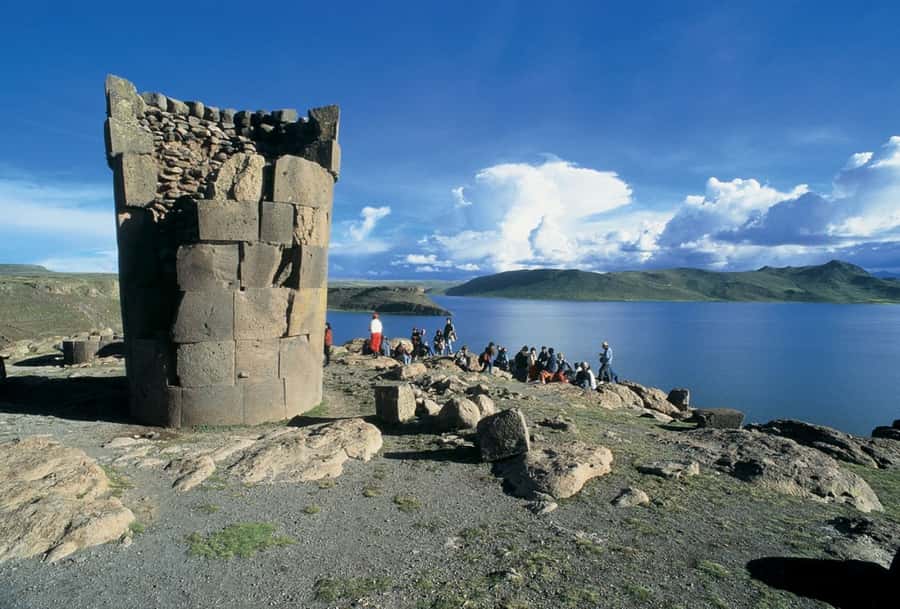
Sillustani is not just a collection of old stone towers. It is a ceremonial cemetery, and its setting helps you understand why the site feels so different from a standard archaeological stop.
The chullpas were built for the funerary remains of important authorities from the ancient Collao region of the Altiplano. Some rise as high as 12 meters. Their unusual shape catches your eye at once: the base is narrower than the upper portion, giving the towers a slightly top-heavy look.
That design is part of the site’s appeal. You are not looking at plain rectangular ruins. You are looking at carefully planned circular towers made for an important religious and social purpose.
I like this visit because the guide has room to explain both engineering and belief. A good explanation turns the stones into evidence of how power, death, and ceremony worked in the region. The visit also gives you a useful introduction to cultures that are often lumped together too quickly.
The site connects pre-Inca traditions with later Inca construction. At the nearby museum, objects from the Kolla, Tiahuanaco, and Inca cultures help place the towers in a wider setting. This is valuable if you are building your understanding of southern Peru before or after visiting other archaeological sites.
more Puno days to weigh up
- From Puno: Floating Islands of the Uros Half-Day Tour
★ 4.4 · 394 reviews - Cusco: Half-Day City Tour with Sacsayhuaman and Q’enco
★ 4.6 · 1,129 reviews - Lima’s Vibrant Heritage: Exploring the City’s Landmarks Half-day
★ 4.5 · 581 reviews
From Puno to the Peninsula Above Umayo Lagoon
The tour begins with hotel pickup in Puno at about 2:00 PM. Sillustani is 34 kilometers from the city, so the drive is short enough to fit neatly into an afternoon plan.
That timing works well if you have spent the morning seeing another part of Puno or simply want a quieter second half to your day. You avoid the pressure of an early departure, and the return is listed at around 5:00 PM.
There is one scheduling point to clarify before booking. The activity is advertised as lasting six hours, while the detailed plan describes a departure around 2:00 PM, about one hour at Sillustani, and arrival back in Puno around 5:00 PM. Check the available start time and total duration when you reserve.
Pickup is included for hotels in central Puno. If your hotel is outside the city center, you will be given a meeting point instead. That is a small detail, but it matters when you are arranging a tight transfer or carrying day plans around town.
Transport, admission, and the guide are included in the $45 price. Meals and accommodation are not included, though neither is especially important for a short afternoon outing.
Reading the Chullpas at Sillustani
The main visit takes about an hour. That may sound brief, but it is enough time to see the important towers, hear the main explanations, and take photographs if the weather cooperates.
The chullpas were not built as ordinary tombs. They housed the remains of principal authorities, which explains the care given to their shape and stonework. The towers also reflect the customs of ancient communities around the Altiplano, rather than a single isolated Inca tradition.
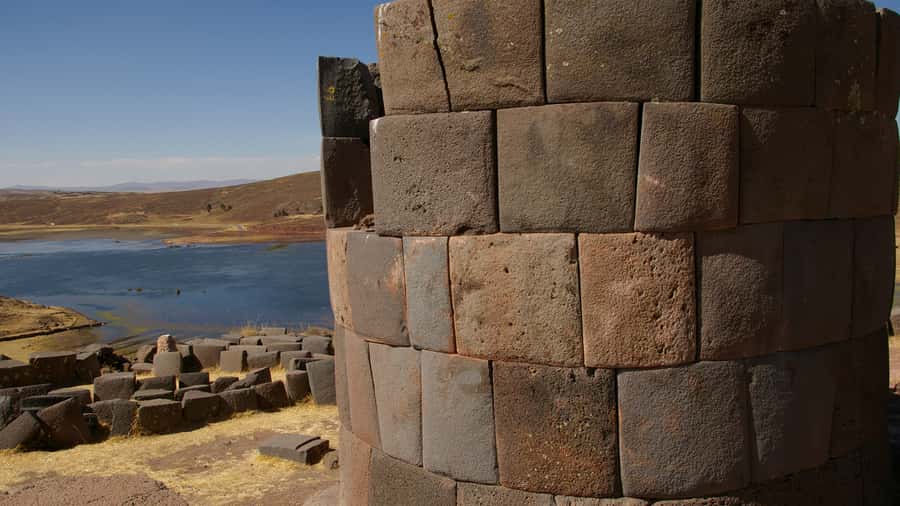
Pay close attention to the masonry around the best-preserved towers. The stones were cut and placed with great precision. The construction shows why Sillustani is valuable even if you have already seen Inca walls elsewhere in Peru. The form and purpose here are different.
The most famous tower is the Chullpa del Lagarto, also called the lizard chullpa. It is the tallest tower in the complex and dates to the Inca era. Its square stones fit together with notable precision.
The tower was damaged in the early 19th century by huaqueros, people searching for valuables in ancient sites. That damage is part of the story, but it also serves as a reminder that archaeological places have often suffered long after their original builders were gone.
Do not rush past the less famous towers. The Chullpa del Lagarto may draw the eye first, but the group matters as a whole. Walking among several towers lets you compare their shapes and see how the cemetery was arranged.
Your guide can also help explain the difference between Quechua and Aymara communities in the Puno region. One particularly useful part of the tour is the attention to both shared features and differences between these languages and ethnic groups. That context keeps the visit from becoming a simple parade of dates and names.
The Museum and the Stories Behind the Stones
A short distance from the archaeological complex is a site museum. It preserves objects linked to the Kolla, Tiahuanaco, and Inca cultures.
The museum is a helpful companion to the outdoor visit. At the towers, you see the final form of the burial structures. Inside, the objects give you a closer look at the people and traditions connected with the area.
Because the museum is small, do not expect a large collection or a long indoor program. Its value is in adding context to Sillustani, especially if you are not already familiar with the cultural groups of the Altiplano.
The tour description does not give a precise amount of museum time, so the guide’s pacing may shape this part of the visit. If the towers are your main reason for booking, the outdoor complex remains the central stop.
Somewhere else entirely, still within reach of Puno:
- From Cusco: Vinicunca Rainbow Mountain ATV Tour with Meals
★ 4.6 · 1,060 reviews - From Puno: Uros, Amantaní & Taquile Islands 2-Day Tour
★ 4.5 · 452 reviews - Lake Titicaca 2-Day Tour to Uros, Amantani and Taquile
★ 4.4 · 199 reviews - Puno: Full-Day Tour of Lake Titicaca and Uros & Taquile
★ 4.4 · 178 reviews
Umayo Lagoon and the Quiet Side of Puno
Umayo Lagoon is one of the most memorable parts of the outing. The water reflects the blue sky and white clouds, giving the site a broad, open backdrop that makes the stone towers feel even more dramatic.
An island in the lagoon serves as a reserve for local vicuñas. The information provided does not promise a close wildlife encounter, so you should treat the reserve as part of the setting rather than a guaranteed animal sighting.
I like the lagoon because it changes the mood of the visit. Sillustani is archaeological, but it is also peaceful. The open water and high-altitude scenery give you a chance to slow down after the sharper focus of museum displays and stonework.
The scenery is also a practical reason to leave some free time for photographs. The guide described for this tour allows time for pictures and for looking at local goods. That makes the outing feel less rushed than a stop where every minute is fixed.
Bring a jacket even if Puno feels mild when you leave. The tour information only requires comfortable clothing and shoes, but Sillustani is an outdoor site, and conditions can change. Comfortable footwear is especially important because the visit involves walking around the archaeological complex.
What the Guiding Style Adds
The guide is available in English or Spanish. No guide name is provided, so you cannot choose a particular person when booking.
The guiding style described for the outing is direct and well paced. The guide explains the key facts without burying you in detail, invites questions, and keeps the group moving so you still have time for photos and local shopping.
That balance matters at Sillustani. Too little explanation leaves you with attractive towers but no sense of their purpose. Too much information can make a one-hour visit feel like a classroom session. A concise guide who welcomes questions is a good fit here.
The cultural explanation is one of the tour’s strongest points. Learning about Quechua and Aymara languages and communities gives you a better frame for the rest of your time around Puno. You come away with more than a few photographs of stone towers.
The guide also manages the practical side of the visit. Keeping an eye on the clock matters because the tour must return to Puno, while allowing a little free time makes the experience more personal.
Is $45 a Fair Price?
At $45 per person, this is a reasonable package if you want a guided visit rather than arranging transport and admission on your own.
The price includes four useful items:
- Pickup from your hotel in Puno
- Transport to and from Sillustani
- All entrance fees
- A professional guide in English or Spanish
Meals are not included, but the tour is planned as an afternoon visit and does not list a meal stop. Accommodation in Puno is also separate, as expected.
The real value is convenience. Sillustani is close to Puno, but you still need transport, site admission, and enough historical context to make sense of the towers. This package puts those pieces together without using your whole day.
It is less attractive if you already have private transport and prefer to explore without a guide. The site museum and towers can be visited as part of a self-arranged trip, but you would give up the structured explanation of the Collao, Kolla, Tiahuanaco, and Inca connections.
The small set of ratings available for this activity is very positive, with a perfect score from six reviews. That is encouraging, but it is still a limited sample. I would put more weight on the specific strengths of the program: punctual pickup, clear explanations, question time, and a peaceful setting.
Rain, Walking, and Other Practical Concerns
The main weakness is exposure to weather. One reported visit was badly affected by intense rain, making the outdoor stop less enjoyable. In poor conditions, some groups may be taken closer to the site than others, so the exact walking experience can vary.
The activity does not say that tours are canceled automatically for bad weather. If heavy rain is forecast, contact the provider before departure and ask about conditions and possible changes. The free cancellation policy gives you some flexibility if you cancel at least 24 hours ahead.
The tour is not suitable for wheelchair users. The outdoor archaeological setting and walking route are not presented as accessible, so you should choose another activity if step-free access is essential.
Large bags and luggage are not allowed. Bring only what you need for the afternoon, such as a small personal bag, water, a phone, and weather protection. Comfortable shoes and clothes are specifically recommended.
You can reserve now and pay later, which helps if your Puno schedule is still shifting. Just remember that the available start times should be checked before you commit to another afternoon booking.
Who Will Get the Most from This Tour?
I would recommend Sillustani to you if you want a manageable archaeological visit outside Puno, especially if you value explanation over simply seeing a site and moving on.
It suits:
- First-time visitors who want context for Puno’s ancient cultures
- People with only one free afternoon
- Photographers who enjoy water, sky, stone, and open scenery
- Visitors interested in pre-Inca traditions as well as Inca architecture
- Anyone who prefers transport and admission arranged in one price
You may want a different plan if you need a full-day activity, dislike outdoor visits in uncertain weather, or want a tour centered on the floating islands of Uros. Although Lake Titicaca and the Uros islands are part of the wider Puno area, this itinerary focuses on Sillustani and Umayo Lagoon. It does not list a visit to the Uros islands.
Should You Book the Sillustani Afternoon Tour?
Book it if you want to see an impressive burial complex without sacrificing a full day in Puno. The combination of tall chullpas, precise stonework, the small museum, and Umayo Lagoon gives you a strong cultural outing for $45.
I would be especially inclined to book when your priority is a calm site with a guide who explains the details, answers questions, and leaves time for photographs. Before paying, confirm the exact start time, the stated duration, your pickup location, and the weather forecast.
If heavy rain is expected, reconsider the date. In good conditions, Sillustani is one of the easiest ways to add a memorable ancient site and a quieter view of the Puno region to your itinerary.
FAQ
Where does the Sillustani tour take place?
The tour visits the Sillustani ceremonial center in the Puno Region of Peru, about 34 kilometers from the city of Puno.
How long does the tour last?
The activity is listed as six hours, but the detailed schedule describes pickup around 2:00 PM, about one hour at Sillustani, and return to Puno around 5:00 PM. Check the available timing when booking.
What time does pickup begin?
Hotel pickup in Puno is scheduled for around 2:00 PM.
Is hotel pickup included?
Yes. Pickup is included for hotels in Puno. If your hotel is outside the city center, you will receive a meeting point instead.
What does the $45 price include?
The price includes hotel pickup in Puno, transport, all entrance fees, and a professional guide.
Are meals included?
No. Meals are not included.
Which languages are available for the guide?
The live guide is available in English or Spanish.
Can I cancel the booking?
Yes. You can cancel up to 24 hours in advance for a full refund.
Can I reserve now and pay later?
Yes. The booking option allows you to reserve your place and pay later.
Is the tour suitable for wheelchair users?
No. The activity is not suitable for wheelchair users. Large bags and luggage are also not allowed.
Recently added around Puno
- From Puno: Travel to Cusco in Titicaca Train All Inclusive★ 3.9 · 3 reviews
- 5h tour from Puno to Aramu Muru portal and Inca Ruins★ 4.6 · 3 reviews
- Puno: Two-day excursion to Uros, Amantani and Taquile★ 4.2 · 3 reviews
- Discover the Celestial Wonder of Sillustani: Towers of Time★ 4.2 · 3 reviews
- FromPuno: Uros and Amantani Islands Full-Day Tour with Lunch★ 4.5 · 4 reviews
- From Puno: Excursion to Uros and Taquile Islands + Income★ 4.7 · 4 reviews
- Puno: Lake Titicaca, Uros, and Taquile Full-Day Tour★ 4.5 · 4 reviews
- Puno: 2-day Uros Kayak Tour with Homestay at Amantani Island★ 4.6 · 4 reviews
Puno Tours, compared.

Vinicunca Rainbow Mountain ATV Tour with Meals
Read our review →

Lake Titicaca 2-Day Tour to Uros, Amantani and Taquile
Read our review →
Full-Day Tour of Lake Titicaca and Uros & Taquile
Read our review →
Full-Day Route of the Sun Tour to Cusco with Lunch
Read our review →
Browse the lists this tour appears in