
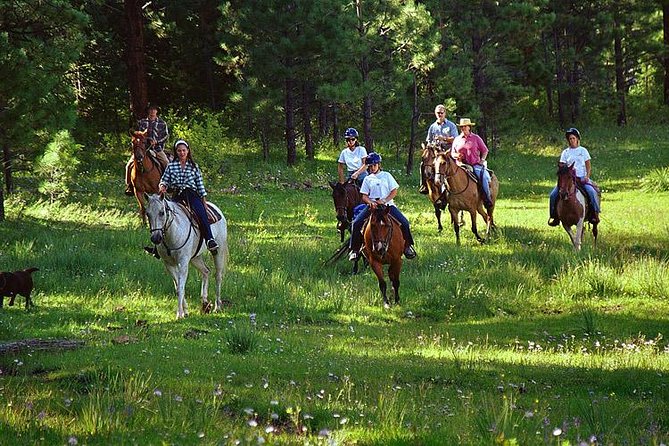
Reviewed · CUSCO RUINS TOURS
Horseback Riding Plus Tour to Sacsayhuaman, Quenqo, Puka Pucara and Tambomachay
Sacsayhuaman’s massive stonework is only the beginning. This half-day outing links four important Inca sites with an hour or so on horseback through the high country above Cusco. I like the mix of archaeology and fresh-air riding, and I like that guides such as Benni, Benny, Jenny, and Hogler are praised for making Inca customs and architecture easy to follow.
The main catch is simple: the riding is not the whole tour. Expect about one hour, sometimes around 1.5 hours depending on the day, while the rest is spent in a private car and on foot at the ruins. The archaeological entrance ticket is also extra, and the $95 price may feel high beside ordinary Cusco sightseeing tours.
Key points to know before you book
- Four major sites in one half-day: See Sacsayhuaman, Q’enqo, Puka Pukara, and Tambomachay without arranging separate taxis.
- About an hour in the saddle: The trail passes through highland scenery and small ruins, but horses do not enter the main archaeological sites.
- Strong guiding is central to the experience: Benni, Benny, Jenny, and Hogler are noted for clear explanations of Inca history, religion, and architecture.
- Good for first-time riders: Horses are matched to confidence and experience, and a muleteer helps care for the animals.
- Budget for the entrance ticket: The Cusco Tourist Ticket is not included and costs roughly $20, with the fee paid separately.
- Come prepared for mountain weather: Wear long trousers, closed shoes, sunscreen, and a rain jacket if rain is possible.
Why this Cusco horseback tour works
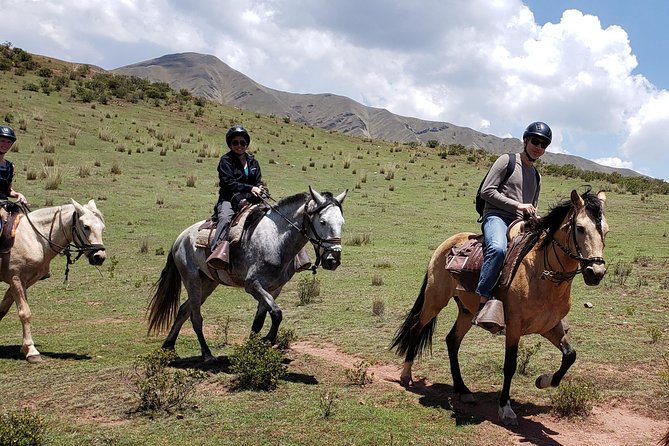
I see this as a useful middle ground between a standard ruins tour and a full riding excursion. You get a proper look at four important sites, but you also leave the van for a stretch of open countryside where the pace is slower and the views are wider.
The route is especially appealing if your time in Cusco is limited. In about four hours, you cover a compact group of places close to the old Inca capital. You do not spend the day on a long mountain transfer, and private transport keeps the connections simple.
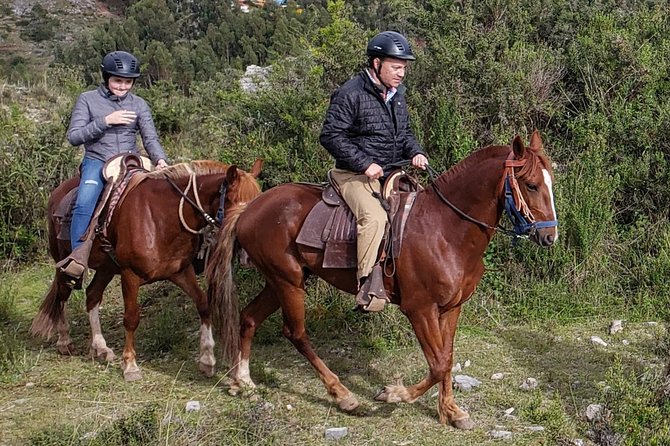
The riding also gives the day a different rhythm. At the ranch, you are fitted with a saddle and safety helmet, introduced to your horse, and guided along a trail near the archaeological zone. The horses are described as calm and well cared for, with staff pairing them to the rider’s confidence. Beginners can stay at the group pace, while experienced riders may get a chance to let a horse move faster when conditions allow.
I would not book this expecting a long trail ride. The strongest reason to choose it is the combination of four sites plus a scenic riding break, not the amount of time spent in the saddle.
more ruins above cusco
- Cusco: Half-Day City Tour with Sacsayhuaman and Q’enco
★ 4.6 · 1,129 reviews - City Tour Cusco Qoricancha Sacsayhuaman y Tambomachay
★ 4.7 · 617 reviews - Cusco City Sightseeing, San Pedro Market, Cathedral and Qorikancha Temple
★ 4.5 · 139 reviews
Sacsayhuaman and the scale of Inca stonework
Sacsayhuaman is usually the first major stop, and it makes a strong opening. The huge zigzag walls show the precision of Inca masonry on a scale that is difficult to grasp from photographs. Your guide explains how the site fits into Cusco’s sacred and defensive traditions, along with the customs connected to the place.
You walk through the site rather than ride through it. That matters for both safety and preservation. The horses stay on permitted trails because their hooves could damage the archaeological ground.
Allow time for the altitude and the uneven surfaces. You are already high above sea level in Cusco, and the sun can be fierce even under clouds. I would move slowly, drink the supplied water, and keep your attention on the guide rather than trying to rush from one wall to the next.
This is also where a good guide makes a real difference. Benni is praised for handling detailed questions in clear English, while Benny and Hogler are described as especially strong on Inca history and archaeology. The quality of the explanation is a major part of what you are paying for.
Q’enqo, a sacred site of carved rock
Q’enqo has a more intimate feel than Sacsayhuaman. Instead of immense terraces and walls, you encounter carved rock, passageways, and spaces linked to ritual practice. Your guide discusses religious customs and how the Incas used natural stone in sacred settings.
The site rewards careful listening. Some features are easy to miss if you simply walk through with a camera. Ask about the carved surfaces, the ceremonial areas, and the role of caves and stone in Inca belief. The supplied descriptions indicate that the guides welcome questions, even when the question is not perfectly worded.
Q’enqo is one of the places that shows why this tour is more than a scenic ride. The horse trail may include smaller ruins and highland views, but the main sites need to be explored on foot. That separation gives you a better chance to see the archaeology properly.
Puka Pukara, an Inca checkpoint above Cusco
Puka Pukara is often translated as Red Fortress, although its function appears tied to movement, control, and support along the route into Cusco. The site has open views across the hills, making it a fine place to connect the ruins with the terrain around them.
Your guide explains how the location worked within the wider Inca road system and how people, supplies, and official groups moved through the region. The exposed setting can also make the weather feel changeable. Bring a light waterproof layer if rain is in the forecast, and do not forget sunscreen on cloudy days.
This stop is not as imposing as Sacsayhuaman, but it helps you see the Inca sites as part of a connected system. The four locations are not isolated monuments. Together, they show sacred, defensive, residential, and travel-related aspects of the area around Cusco.
more Cusco days to weigh up
- Cusco: 3-Hour Horse Riding Tour to the Temple of the Moon
★ 5.0 · 105 reviews - Cusco: Half-Day Horseback Riding at Devil’s Balcony
★ 4.9 · 89 reviews - Horse Riding Chacan Mountain And Temple Of The Moon
★ 5.0 · 78 reviews - Horseback Tour in cusco to Temple of the Moon & Hidden temples
★ 5.0 · 54 reviews
Tambomachay and the importance of water
Tambomachay is associated with water, springs, and ritual use. Channels and carefully shaped stonework make the site a good place to discuss the Inca respect for water and the way practical engineering could also carry religious meaning.
I like that Tambomachay often comes late in the route. After the larger walls and the horse ride, its flowing water and smaller scale offer a calmer finish. The stop is still short, but it gives your guide room to explain how Inca builders directed water with control and care.
The site is close enough to Cusco to fit neatly into a half-day plan. It also gives you another kind of view of the highlands, with the surrounding mountains framing the stonework. If you are taking photographs, this is a good place to look beyond the ruins and include the setting.
The Vieja Estancia Ranch ride
The horseback portion takes place at Vieja Estancia Ranch, not inside the principal archaeological sites. You meet the horses there, receive a saddle and helmet, and ride with a guide and muleteer. The muleteer’s role is to help care for the horses and support the group on the trail.
The route passes through open highland scenery, including fields and smaller ruins. Several details make the ride approachable for beginners: the horses are selected according to experience, the pace follows the least confident rider, and the staff remain close by. Basic riders can enjoy the views without needing to control a fast-moving group.
Experienced riders should set expectations carefully. You may be allowed to stretch the horse’s pace when the guide considers it suitable, but this is not presented as a galloping expedition. It is a controlled cultural ride with some room for a faster trot.
The riding time is the least consistent detail in the available information. Plan on roughly one hour, though some accounts put it closer to 1.5 hours. In either case, the full activity lasts about four hours because driving and site visits take up the rest.
I consider that a sensible arrangement. Riding into the main ruins would be more dramatic, but it would also risk damaging fragile archaeological ground. Keeping the horse trail separate protects the sites and lets you explore them properly on foot.
What the $95 price really covers
At $95 per person, this is not the cheapest way to see Cusco’s northern ruins. You are paying for more than a basic transfer, though. The package includes a professional guide, private-car transport, a saddle, a safety helmet, a muleteer, and mineral or natural water. Hotel pickup and return transport are also included.
That combination can make the price reasonable for someone who wants a private connection between the sites and the ranch. A self-arranged visit might cost less, but it would require sorting out transport, finding a riding stable, arranging a guide, and managing the timing yourself.
The value depends on what you want from the day. If your priority is a long horseback excursion, the price will likely disappoint because the saddle time is only a portion of the outing. If you want clear explanations at four archaeological sites and an easy riding segment added in, the package makes more sense.
The Cusco Tourist Ticket is not included. Budget roughly $20 extra for the archaeological admissions, though the exact local charge is set by the Peruvian government. This is an important part of the final cost, especially for couples or families.
The tour normally has no more than 15 participants. That is small enough to keep the guide within reach, though it is not the same as a private riding lesson. Transport is by private car, and pickup is offered from hotels.
Guides, pace, and the practical feel
The strongest part of this experience is the guiding. Benni is praised for explaining complex points in understandable language and for answering questions patiently. Benny is also singled out for making the day personal, while Jenny and Hogler are noted for their clear teaching and command of the sites.
Names matter here because the guide is not just escorting you between stops. You need someone who can explain why a carved stone, water channel, or wall matters. You also need someone who can keep the walking portions from becoming a string of disconnected ruins.
The pace at the archaeological sites is reported as moderate. You do not linger for hours at each stop, which helps the four-hour schedule work. Still, anyone wanting a slow archaeological study should arrange a separate full-day visit to the Sacred Valley or Cusco’s surrounding sites.
The tour suits most people with little or no riding experience, and children can participate from age six. The weight limit is 200 pounds, or 90 kilograms. That limit is firm and should be checked before booking rather than discussed at the ranch.
What to wear and bring
Long trousers are the safest choice, preferably jeans or another sturdy pair of pants. Closed shoes with rubber soles or walking shoes will help with mounting, walking on uneven ground, and staying comfortable around the archaeological sites.
Pack a rain jacket if the forecast shows a real chance of rain. Mountain weather can shift quickly, and a jacket is more useful than an umbrella on horseback. Use sunscreen even on an overcast day, since one rider specifically learned that lesson the hard way.
Wear no jewelry and leave valuables behind during the ride. Loose items can be lost or become a nuisance around the saddle and reins. Water is included, but you may still want a small amount of personal gear that can be secured safely.
The guide carries a first aid kit for emergencies. The guide is not authorized to provide medication outside the limits of first aid, so bring any personal medicine you may need.
Who should choose this half-day outing?
I would recommend it to families with older children or teenagers who may lose interest during a standard ruins circuit. The change from van to saddle keeps the day active, while the archaeological stops give the outing real substance.
It also works well for couples and solo visitors who want an easy introduction to horseback riding. The available information points to calm horses, careful matching, and a pace set by the least experienced rider. That makes the ride accessible without making it feel like a staged photo opportunity.
Experienced riders can enjoy the scenery and may be offered a faster stretch, but I would not choose this as your main equestrian activity. The riding section is too short for that.
You should also be comfortable with a compact schedule. Four sites in four hours means each stop has a defined limit. The tour is efficient, not leisurely.
Should you book the Horseback Riding Plus Tour?
Book it if you want an active half-day that combines four major sites with mountain riding, and you value having a guide explain the Inca world as you go. It is particularly useful early in a Cusco visit, when you want a clear introduction to Sacsayhuaman, Q’enqo, Puka Pukara, and Tambomachay without spending a full day away from the city.
Skip it if your main goal is several hours on horseback, or if the $95 price plus the separate archaeological ticket stretches your budget. In that case, a straightforward ruins tour or a longer riding excursion may fit better.
For most suitable participants, I see the appeal. You get well-cared-for horses, safety equipment, hotel transport, water, a support muleteer, and access to guides who can explain the sites in plain English. The key is knowing what you are buying: a cultural sightseeing tour with a scenic horseback section, not a horseback ride that happens to pass four ruins.
Free cancellation is available up to 24 hours before the start time. Cancellations inside that window are not refunded, and poor weather may lead to a new date or a full refund. Since the activity depends on safe riding conditions, check the forecast and pack the rain jacket before you leave.
FAQ
How long does the tour last?
The tour lasts approximately four hours, including transport, visits to the four archaeological sites, and the horseback riding portion.
How long is the horseback ride?
Plan on roughly one hour in the saddle. Some accounts describe the ride as closer to 1.5 hours, depending on the day and timing.
Does the tour include archaeological entrance fees?
No. The Cusco Tourist Ticket is not included and must be paid separately.
Can a beginner join the horseback ride?
Yes. The activity is suitable for people with little or no riding experience. Horses are matched to the rider’s experience, and the group moves at the pace of the least experienced rider.
What is the minimum age and maximum weight?
The minimum age is six years. The maximum weight is 200 pounds, or 90 kilograms.
What does the tour include?
It includes a professional guide, saddle, safety helmet, muleteer, mineral or natural water, and transport by private car. Hotel pickup and return transport are also provided.
Recently added around Cusco
- Palcoyo colored mountain hike + stone forests★ 4.6 · 3 reviews
- Maras Moray★ 5.0 · 3 reviews
- Full-Day Condor Viewpoint & Inca Sites Tour★ 5.0 · 3 reviews
- From Cusco: Vinicunca Mountain of Colors Excursion + Ticket★ 5.0 · 3 reviews
- Excursion Cusco – Puno – Titicaca Observatory Train★ 5.0 · 3 reviews
- Machu Picchu: Private Tour Guide Service for up to 15 people★ 4.5 · 3 reviews
- Cusco: Chonta Canyon and Condor Flight Tour with Lunch★ 5.0 · 3 reviews
- Machu Picchu: 1-day tour by Vistadome Observatory train★ 5.0 · 3 reviews
Cusco Ruins Tours, compared.

Half-Day City Tour with Sacsayhuaman and Q’enco
Read our review →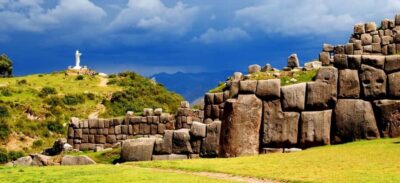
City Tour Cusco Qoricancha Sacsayhuaman y Tambomachay
Read our review →
Cusco City Sightseeing, San Pedro Market, Cathedral and Qorikancha Temple
Read our review →
Cusco City Sightseeing and Sacsayhuaman Archeological Park Tour
Read our review →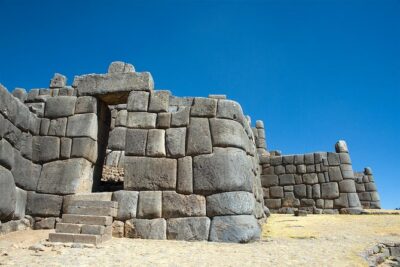
Cusco 4-Hour Private Tour Including Sacsayhuaman and Qenqo
Read our review →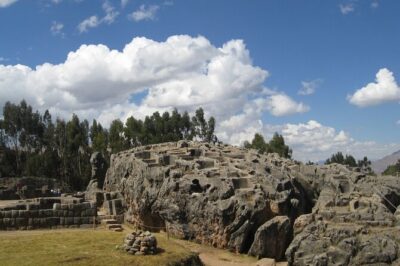
Sacsayhuaman Temple, Tambomachay and Puca Pucara Half-Day Tour
Read our review →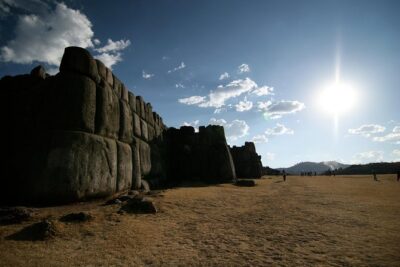
Half-Day City Tour of Cusco Including Tambomachay
Read our review →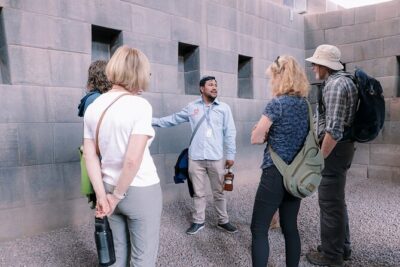
Private Cusco City Tour with Sacsayhuaman & Inca Sites
Read our review →Browse the lists this tour appears in