
Reviewed · CUSCO TOURS
Walking Culinary Experience
Cusco’s best food stories often arrive in small portions: a Pisco Sour, a bite of trout, a skewer of anticucho, or a hot picarón from a street vendor. This chef-led evening walk links those tastes with the people, traditions, and ingredients behind them.
I like the way the tour mixes polished restaurant food with humble street snacks, and I like the small group limit of eight people. Guides including Christina, Fabricio, and Elvira are praised for explaining both food and culture in a warm, personal way. The main drawback is dietary: there is no vegetarian anticucho option and no gluten-free picarón option.
Key points at a glance
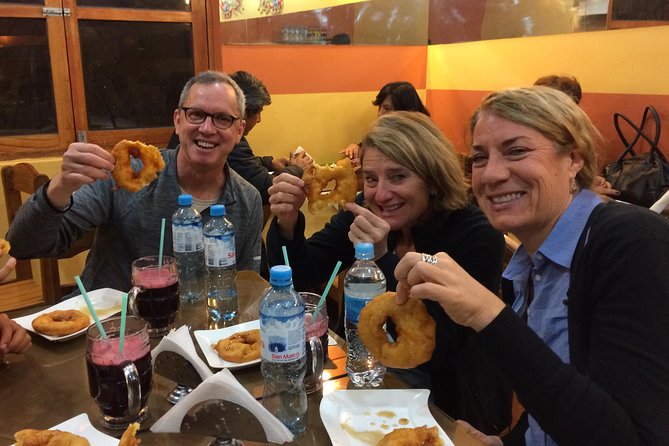
- Restaurant and street food in one evening: Begin with carefully prepared bites and pairings, then sample Cusco favorites such as anticuchos, picarones, and tamalitos.
- Guides with culinary backgrounds: Christina is described as a chef, while Fabricio and Elvira also bring strong knowledge of Peruvian food and culture.
- A small maximum group of eight: The size leaves room for questions and may lead to a private outing if few people book.
- A filling two-hour tasting: The food adds up quickly, so eat lightly beforehand rather than arriving after a large dinner.
- A 5:30 pm start: The timing works well for an evening in Cusco and lets you see both restaurant dining and nighttime street-food life.
- Some dietary limits: Anticucho is not offered in a vegetarian version, and picarones are not available gluten-free.
Why this Cusco food tour is worth your evening
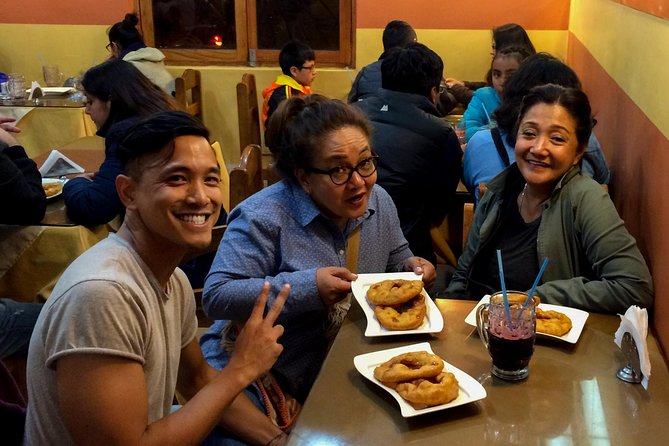
For $70 per person, this is more than a snack crawl. You receive several small dishes, street-food tastings, coffee or tea, alcoholic drinks, and a restaurant pairing chosen by the chef or guide. The price makes the most sense if you want a guided introduction to Peruvian food rather than simply buying a few items on your own.
The strongest part is the explanation. A good food tour tells you what is on the plate. This one also connects the dish to Peruvian agriculture, local habits, and Cusco’s food culture. Christina, in particular, is described as having a chef’s background and a gift for answering questions. Fabricio and Elvira are also praised for making the evening feel personal and informative.
You should not expect a formal cooking class from start to finish. The experience is built around tasting, walking, and conversation. There may be moments of food preparation or cocktail making, including Pisco Sours, but the main purpose is to eat and understand what you are eating.
More Walking Tours in Cusco
- Cusco: Historic Walking Tour with Pisco Sour and Music Show
★ 4.6 · 65 reviews - Cusco: Walking Tour Cusco
★ 3.4 · 6 reviews - Cusco: Walking Tour with a Local Guide
★ 4.3 · 5 reviews
Starting at Marcelo Batata Cooking Classes
Meet at Cusco Adventure Travel, at C. Palacio 135, Cusco 08002, at 5:30 pm. The activity ends at the same meeting point, which is useful if you want a simple finish without arranging a taxi from another part of town.
The entrance can be easy to miss. The address leads you into a courtyard, and the correct entry is through a small hallway at the back right. If you do not see the tour immediately, ask a restaurant staff member in the courtyard for directions. Arriving a few minutes early should spare you a rushed start.
The first stop is Marcelo Batata Cooking Classes, connected with one of Cusco’s well-known restaurants. Here, the evening begins with restaurant-style bites and a drink pairing. Past tastings have included passion-fruit Pisco Sours, other Pisco varieties, small plates, trout, and a potato dish prepared in a distinctly Peruvian style.
This opening course gives you a useful reference point. You first taste how local ingredients appear in a refined restaurant setting. Later, when you try street food, you can compare the presentation and preparation without treating one as better than the other.
Pisco, small plates, and a gentle introduction
Pisco is likely to play an important role early in the evening. The exact pairing can vary, but the food and drinks are selected to work together, rather than served as unrelated samples. You may taste a Pisco Sour or learn about different types of Pisco while trying small appetizers.
That pairing is valuable for first-time visitors because Peruvian food can involve unfamiliar flavors and textures. A drink gives you another way into the meal, and the guide can explain why a particular pairing works. Non-alcoholic options are included, along with coffee and tea, so you are not required to drink alcohol to take part.
The restaurant portion has also included fresh trout, potato dishes, and carefully prepared appetizers. Some groups have tasted guinea pig or llama sausage, but those items are not listed as guaranteed stops. Treat them as possible extras, not promises. The confirmed food focus is on Peruvian tastings, anticuchos, picarones, tamalitos, snacks, and drink pairings.
From restaurant plates to Cusco street food
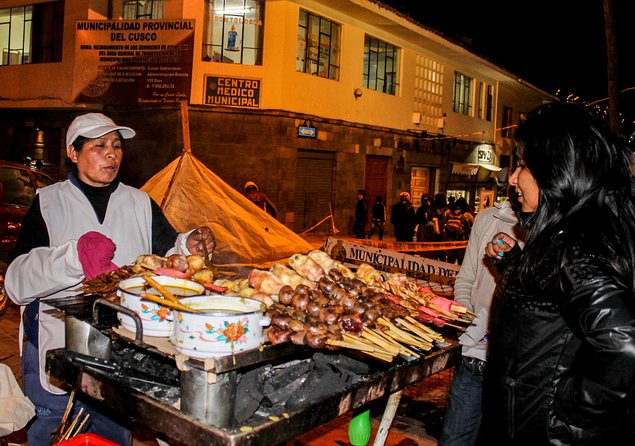
After the restaurant tasting, the experience moves into Cusco for street-food samples. This change of setting is one of the tour’s best ideas. You get to see how Peruvian food works in both a sit-down restaurant and everyday food stalls.
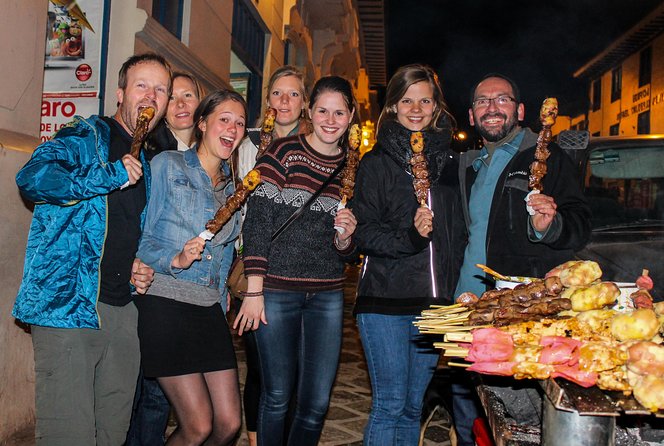
Anticuchos are grilled skewers and a classic Peruvian street food. They are often associated with beef heart, though the exact preparation served on this tour is not specified. You should be comfortable with meat if you want the full tasting, since no vegetarian alternative is available for this part.
Picarones are hot, ring-shaped fritters, usually associated with sweet squash or sweet potato batter and syrup. They make a pleasant contrast to savory anticuchos. The tour does not offer gluten-free picarones, so anyone avoiding gluten should plan to skip this tasting.
Tamalitos add another traditional item to the mix. They are smaller tamales, commonly made with corn-based dough and filled or seasoned in regional styles. The precise version may depend on the vendor and the evening, but the point is to taste familiar Peruvian staples in the places where locals buy them.
The street-food stops are not built around shock value. You might be invited to try less familiar foods, such as guinea pig or llama sausage, but the emphasis is on approachable local cooking. That makes the tour a good choice if you want to step outside your usual menu without signing up for an extreme food challenge.
Somewhere else entirely, still within reach of Cusco:
- Cusco: Humantay Lake Tour with Breakfast and Buffet Lunch
★ 4.9 · 2,976 reviews - From Cusco: Sacred Valley & Maras Salt Mines Tour with Lunch
★ 4.8 · 2,227 reviews - From Cusco: Moray, Maras Salt Mines & Chinchero Weavers Tour
★ 4.8 · 1,925 reviews - From Cusco: Full-Day Group Tour of Machu Picchu
★ 4.7 · 1,767 reviews
What the food says about Peru
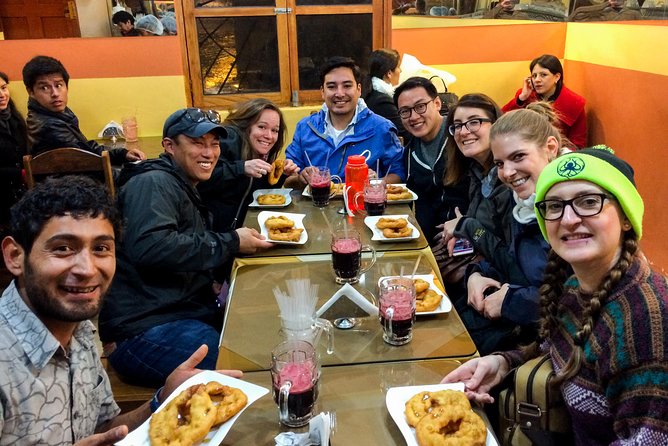
A meal in Peru is also a lesson in geography. Coastal seafood, highland potatoes, corn, peppers, grains, and meats all play different roles in the national kitchen. In Cusco, the food reflects both Andean traditions and the wider Peruvian habit of combining local ingredients with outside influences.
The guide’s commentary helps turn separate bites into a larger picture. You may learn about agriculture, the history of particular dishes, and the connection between food and present-day Peruvian life. Elvira, for example, is praised for discussing food and agriculture, while Christina is noted for linking dishes to Cusco’s history and culture.
That context matters because many visitors eat Peruvian food only once or twice during a busy sightseeing schedule. A short explanation can help you recognize dishes later, order with more confidence, and understand why potatoes, corn, Pisco, grilled meats, and sweets matter so much here.
The walk also gives you a practical introduction to Cusco’s streets. One guide described the experience as a good way to learn the city early in a stay. Since the tour starts and ends at the same point, it is easy to fit into a first or second evening, though you should keep the meeting directions handy.
Why the small group size matters
The maximum group size is eight. That is small enough for the guide to answer questions without shouting across a crowd, and it gives the evening a more social, flexible feel. You may also find yourself on a private tour if no other people book that night.
A small group is especially useful during food tastings. You can ask what an ingredient is, request a slower explanation, or tell the guide if you need to limit alcohol. Guides have been praised for patience, friendliness, and a willingness to discuss topics beyond the plate, including Cusco and daily life in Peru.
The group size does not guarantee a private experience, and the provider requires a minimum number of bookings. If the minimum is not met, the activity may be canceled and you will be offered another date or a full refund. Otherwise, the eight-person limit is a real advantage over large bus-style food tours.
Come hungry, but not stuffed
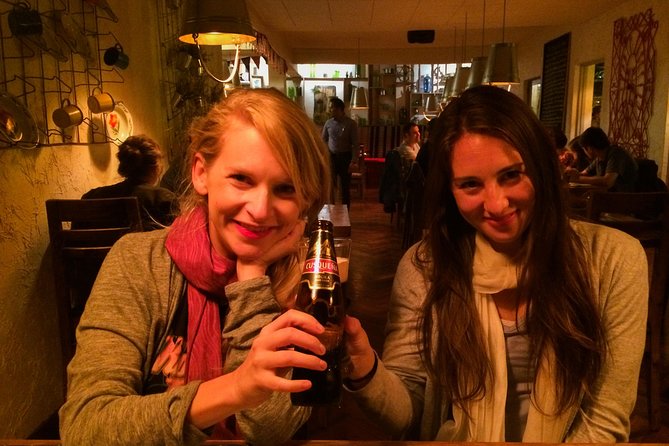
Although the tour lasts only about two hours to two hours and ten minutes, the food is substantial. Restaurant appetizers, a drink pairing, snacks, street food, and sweets can add up to a full evening meal.
My advice is to eat lightly beforehand. You do not want to arrive hungry enough to rush through the first tasting, but a large lunch or late meal will make the final picarones difficult. Several tastings are served in succession, so pace yourself and tell your guide if you need a short pause.
The 5:30 pm start is well chosen for this format. It gives the restaurant portion an evening feel, then shifts into street-food sampling as the day winds down. The precise amount of walking is not specified, so wear comfortable shoes and expect to spend part of the experience on foot in central Cusco.
Dietary limits and practical concerns
The tour is suitable for most people, but the food restrictions deserve attention before you pay. There is no vegetarian option for anticucho, and there is no gluten-free option for picarones. The information also repeats that gluten-free picarones are unavailable, so do not count on a substitution.
Alcoholic and non-alcoholic pairings are offered, along with coffee and tea. If you prefer not to drink, you can still participate in the food experience. The food itself may vary by evening, so anyone with strict allergies should confirm details before booking rather than assume every ingredient can be changed.
Altitude can affect how much you enjoy any Cusco food tour. One guide helped a participant who felt unwell by suggesting an herbal remedy. That kind of support may be useful, but it is not medical care, and you should make your own judgment about eating and drinking if you are feeling sick.
Confirmation is provided when you book. Most people can participate, and the group is capped at eight. Free cancellation is available up to 24 hours before the 5:30 pm start time for a full refund. Cancellations or changes made less than 24 hours ahead are not accepted for a refund.
How the $70 price compares with the experience
At $70, this is not the cheapest way to eat in Cusco. You could buy street food for far less, and a self-guided evening would cost less still. The question is what you want your money to do.
The fee covers a guide, restaurant tastings, street food, snacks, alcoholic and non-alcoholic drinks, coffee or tea, and the chance to ask questions throughout. You are paying for access to a planned sequence and for the interpretation that ties each stop together.
I think the value is strongest for first-time visitors who want food explained in plain language. It is also good for couples, friends, and families who enjoy trying several things in one sitting. Solo visitors can benefit from the small group, especially if they want an easy social evening without committing to a long dinner with strangers.
The value is weaker if you already know Peruvian cuisine well, have strict dietary needs, or mainly want a hands-on cooking lesson. This is a tasting walk with culinary guidance, not a full recipe-based class.
The guides make the difference
The guide is central to the experience. Food samples alone do not justify $70. The evening works when the person leading it can explain ingredients, answer questions, keep the pace comfortable, and make the transition from restaurant to street food feel natural.
Christina receives especially strong praise for her warmth, chef’s background, and ability to discuss both cuisine and culture. Fabricio is described as patient and engaging, including when the group wanted to try guinea pig and llama sausage. Elvira is praised for explaining agriculture and the role food plays in Peru.
You are not guaranteed a particular guide. Still, the recurring pattern is clear: this tour depends heavily on a personable guide, and the provider has several people who can give the food context. The small group limit helps that personal approach work.
Should you book this Cusco culinary walk?
Book it if you want a compact evening introduction to Peruvian food, especially if you like tasting many dishes rather than ordering one large meal. It is a strong choice near the start of your Cusco stay because it helps you learn the city, recognize local foods, and decide what else you want to eat later.
Skip it if you need a vegetarian anticucho, gluten-free picarones, or a fully hands-on cooking lesson. Also skip it if you prefer to choose every dish yourself or want a long, leisurely restaurant dinner.
For most food-curious visitors, the combination is persuasive: restaurant bites, Pisco, street food, local stories, and a group no larger than eight. Arrive at the Palacio 135 courtyard a little early, eat lightly beforehand, and keep room for the picarones.
FAQ
Where does the walking culinary experience start?
It starts at Cusco Adventure Travel, C. Palacio 135, Cusco 08002, Peru.
What time does the tour begin?
The start time is 5:30 pm.
How long does the activity last?
The experience lasts about two hours to two hours and ten minutes.
Where does the tour finish?
It ends back at the meeting point.
What foods are included?
The experience includes restaurant appetizers, anticuchos, picarones, tamalitos, snacks, and other Peruvian tastings. Restaurant samples can include dishes such as trout and potato preparations, but the exact food selection may vary.
Are vegetarian or gluten-free options available?
There is no vegetarian option for anticucho. Gluten-free picarones are not available.
How many people can join the tour?
The maximum group size is eight travelers. A minimum number of bookings is required for the activity to operate.
Can I cancel for a refund?
You can cancel at least 24 hours before the start time for a full refund. Cancellations or changes made less than 24 hours before the start are not accepted for a refund.
Recently added around Cusco
- Palcoyo colored mountain hike + stone forests★ 4.6 · 3 reviews
- Maras Moray★ 5.0 · 3 reviews
- Full-Day Condor Viewpoint & Inca Sites Tour★ 5.0 · 3 reviews
- From Cusco: Vinicunca Mountain of Colors Excursion + Ticket★ 5.0 · 3 reviews
- Excursion Cusco – Puno – Titicaca Observatory Train★ 5.0 · 3 reviews
- Machu Picchu: Private Tour Guide Service for up to 15 people★ 4.5 · 3 reviews
- Machu Picchu: 1-day tour by Vistadome Observatory train★ 5.0 · 3 reviews
- Cusco: Chonta Canyon and Condor Flight Tour with Lunch★ 5.0 · 3 reviews
Cusco Tours, compared.
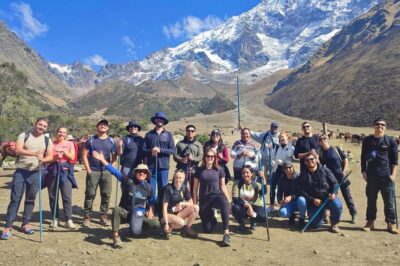
Humantay Lake Tour with Breakfast and Buffet Lunch
Read our review →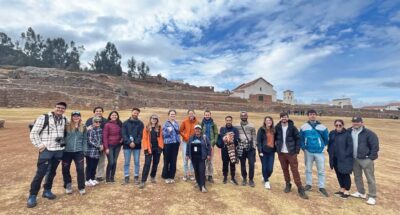
Sacred Valley & Maras Salt Mines Tour with Lunch
Read our review →
Moray, Maras Salt Mines & Chinchero Weavers Tour
Read our review →
Half-Day City Tour with Sacsayhuaman and Q’enco
Read our review →
Sacred Valley, Pisac, Ollantaytambo, Salt Mines Moray
Read our review →
Browse the lists this tour appears in