
Reviewed · PUNO TOURS
Puno: Chucuito, Aramu Muru, and Juli Day Trip
Aramu Muru is the star of this day out: a broad stone portal cut into the hills near Lake Titicaca, tied to an old story about gods returning to Earth. The tour also gives you a useful look at less-visited places around Puno, from Chucuito’s Temple of Fertility to Juli’s grand colonial churches.
I like the small-group limit of 15, which makes it easier to hear the guide and ask questions. I also like the mix of archaeology, farming technology, local belief, and church art. The main drawback is time: with several stops packed into nine hours, you may have to choose between extra time at Aramu Muru, a view walk, or a spiritual ceremony.
Key points to know before booking
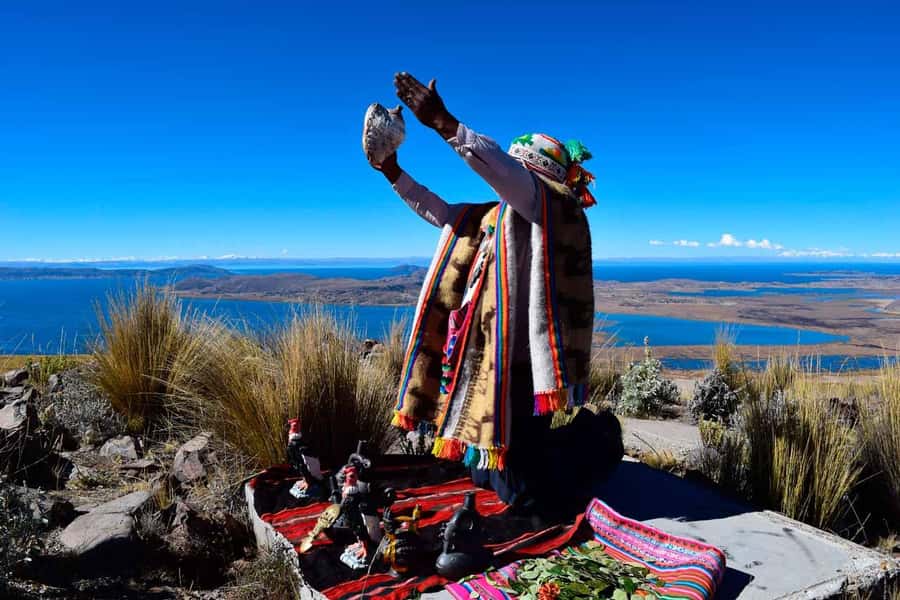
- Aramu Muru is the unusual centerpiece: Expect a carved stone portal, local legends, photo time, and possibly a choice between a short walk for the view and a spiritual ceremony.
- Chucuito adds more than a quick photo stop: You visit the Temple of Fertility and learn why this hill town matters to the area’s ancient past.
- The Molloco chullpas are pre-Columbian funerary towers: They offer a quieter archaeological stop away from Puno’s main sights.
- Waru Waru Andinos shows practical ancient farming: Raised fields helped create a warmer microclimate and protected crops from frost.
- Juli earns its nickname through its churches: San Pedro, San Juan de Letrán, and Santo Domingo contain large paintings linked to Cusco artists.
- The price covers transport and guiding, but not meals or entry fees: Bring extra soles and small change.
Why this Puno day trip is worth your time
Many visitors come to Puno for Lake Titicaca and stop there. This outing gives you another side of the region, one tied to ancient burial customs, farming methods, local legends, and Spanish-era church art.
I like that the day does not focus on just one kind of sight. You move from an archaeological site to a farming system, then to a mysterious stone portal, and finally to Juli’s churches. That variety helps the region make more sense. Puno is not only a departure point for the lake. It is a high-altitude center surrounded by places with their own stories.
The tour costs $40 per person and lasts about nine hours. That is a fair price if you want hotel transport, a guide, and several stops without arranging a private vehicle yourself. It is less attractive if you are comfortable bargaining with a local agency or hiring transport independently, since one booking comparison found that a local option could cost almost half as much.
You should also set aside money for entrance fees and lunch. Both are listed separately from the tour price, and one person found it useful to have the right change available. Ask your guide at the start of the day how much you should carry.
more Puno days to weigh up
- From Puno: Sun Island and Copacabana 1-Day Tour
★ 4.4 · 8 reviews - Day Trip to Uros Floating Islands and Amantani Island
★ 3.9 · 8 reviews - Sun island and Copacabana | From Puno or La Paz / Day Trip
★ 4.1 · 5 reviews
Leaving Puno for hilltop Chucuito
Pickup is available from hotels in Puno, with Plaza Mayor de Puno also listed as a meeting point. You are asked to wait in the hotel lobby from 10 minutes before pickup. The group travels by van, and the first driving section takes about 30 minutes.
Your first main stop is Chucuito, a town on a hill overlooking Lake Titicaca. The high position gives you open views and helps explain why the town has long had an important place in the area.
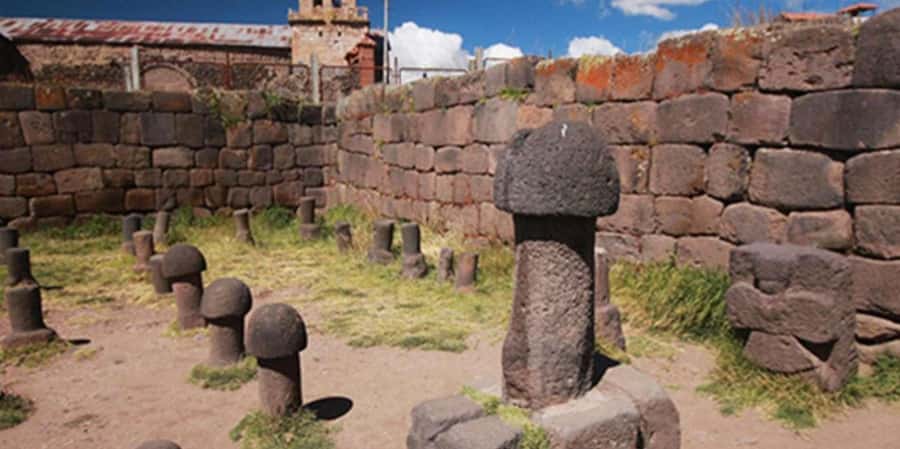
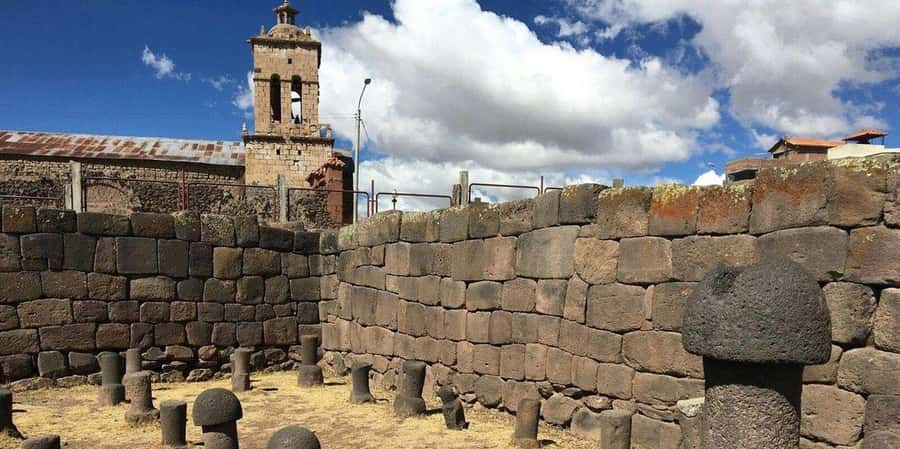
At the Temple of Fertility, your guide introduces the archaeological side of Chucuito. The site is known for its carved stone forms and for the fertility beliefs connected with them. This is a stop where the guide matters. Without context, you may simply see a collection of stones. With a good explanation, you get a clearer picture of how older Andean communities connected agriculture, family life, and ritual.
Guides Pablo and the driver Adrian have been especially praised for being attentive and professional. Another guide on this route has explained Inca building methods and architectural development with references to written sources. That is useful if you want more than a quick photo and prefer a guide who treats the sites as part of a larger story.
Chucuito is not presented as a long free period. You should expect a guided visit, some time for photographs, and an explanation of the site before moving on. Wear shoes with a good grip, since you will be walking around uneven outdoor areas.
Reading the stone towers at Molloco
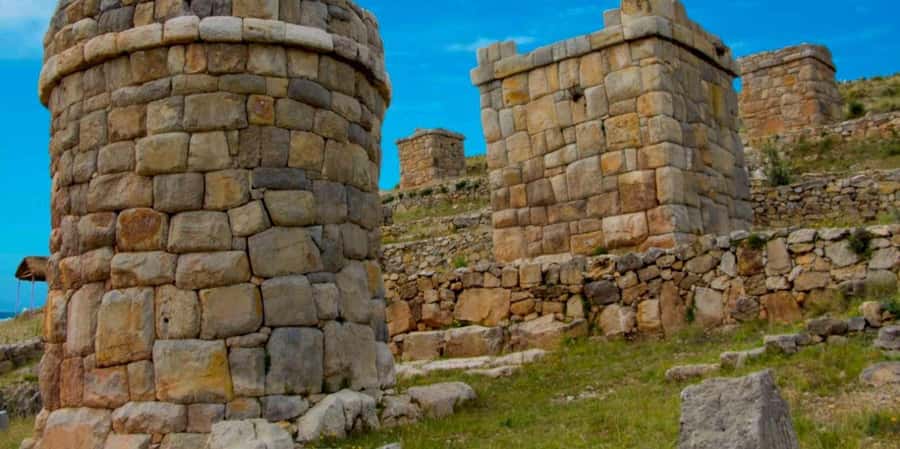
The Chullpas of Molloco are pre-Columbian funerary towers. These structures were used for burial and remembrance, and their presence gives you a direct look at the customs of communities that lived in the region before Spanish rule.
The stop is valuable because it is not just about age. Funerary monuments show how people viewed family, status, and the connection between the living and the dead. Your guide can help you notice construction details and explain how the towers fit into the wider archaeology of the Puno area.
Do not expect a large museum complex or a long list of visitor services here. This is an outdoor archaeological visit, so bring water, sunscreen, and warm clothing. Puno’s sun can be strong, yet the air can feel cold, especially when you stop or the wind picks up.
The altitude is another reason to take the day at a steady pace. You do not need special equipment, but comfortable shoes and sensible layers will make the route easier. The tour is not suitable for wheelchair users, so anyone with mobility concerns should ask the provider for more detail before paying.
Seeing ancient farming at Waru Waru Andinos
Waru Waru Andinos is one of the most practical stops on the route. These ancient raised fields were designed to create a small, warmer growing area around crops. Water in the channels helped moderate temperature, which reduced the damage caused by frost.
This is a good reminder that old Andean societies were not simply adapting to harsh conditions day by day. They developed systems that used water, soil, and elevation in careful ways. The stop may appeal most to you if you enjoy seeing how past communities solved ordinary problems such as growing food in a cold climate.
I like the contrast between Waru Waru Andinos and Aramu Muru. One is tied to farming and survival, while the other is surrounded by spiritual stories. Together, they show that the region’s past included both practical engineering and strong belief.
The tour description does not give a long separate visit time for the farming fields, so expect this to be a focused stop within a busy day. Listen closely to the explanation, then use your camera if you want a record of the field patterns.
Somewhere else entirely, still within reach of Puno:
- From Cusco: Vinicunca Rainbow Mountain ATV Tour with Meals
★ 4.6 · 1,060 reviews - From Puno: Uros, Amantaní & Taquile Islands 2-Day Tour
★ 4.5 · 452 reviews - From Puno: Floating Islands of the Uros Half-Day Tour
★ 4.4 · 394 reviews - Lake Titicaca 2-Day Tour to Uros, Amantani and Taquile
★ 4.4 · 199 reviews
Meeting the mystery of Aramu Muru
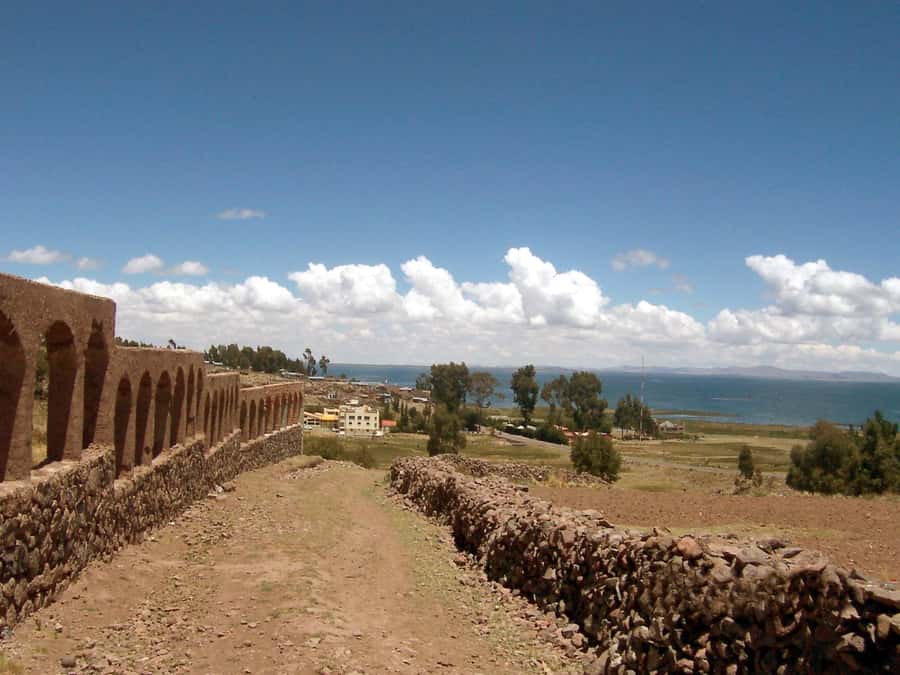
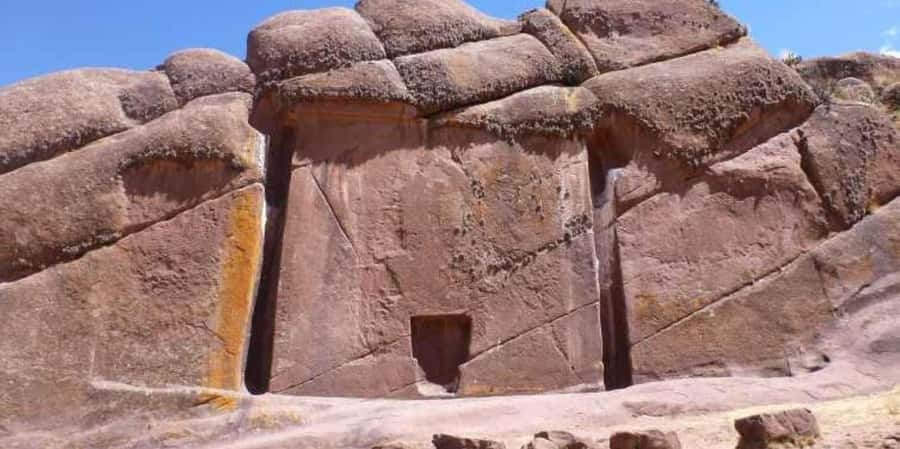
Aramu Muru, also called the Gate of the Gods, is the most unusual place on the route. It is a mysterious stone portal connected with a local legend that deities may one day pass through it to return to Earth.
You do not need to accept the legend literally to enjoy the stop. The value is in seeing how a striking natural and carved stone feature has gathered spiritual meaning over time. Your guide explains the stories and the questions surrounding the site, giving you a chance to decide how you want to view it.
Allow yourself to be present for the atmosphere, but keep expectations sensible. This is not a working temple with a formal ceremony guaranteed for every group. The visit includes a break, time for photographs, and a guided explanation. Based on the way the stop has been handled, you may have a choice between walking up for a view or taking part in a shaman ceremony. Doing both may not be possible within the available time.
That time limit is the clearest weakness of the day. One person wanted more time at Aramu Muru and found the choice between the walk and ceremony restrictive. If Aramu Muru is your main reason for booking, tell the guide early that you want to understand how much time is available and what options are offered that day.
Bring a camera, but treat the place with respect. The spiritual side is part of the experience, not an extra reason to turn it into a staged photo stop. The combination of stone, story, and ceremony can be powerful for you if you approach it with curiosity rather than expecting a theme-park attraction.
Exploring Juli, the Rome of Latin America
The final major destination is Juli, a city known as the Rome of Latin America because of its collection of churches. The comparison refers to the number and importance of its religious buildings, not to a copy of Rome.
You visit the churches of San Pedro, San Juan de Letrán, and Santo Domingo. Their large paintings by Cusco artists are a key reason to pay attention inside. The paintings connect Juli with the wider artistic tradition that developed in colonial Peru, when churches used large religious images to teach stories and display wealth.
I like having Juli near the end of the route because it changes the pace. After open archaeological sites and the legends of Aramu Muru, you get urban streets, church interiors, and a closer look at the Spanish colonial period.
The amount of walking in Juli is not fully specified, but the plan includes strolling through the temples. Comfortable shoes are essential. If you want more time in the city, keep in mind that the day has several stops before reaching Juli, so your visit may feel more like a guided introduction than a slow afternoon wandering from church to church.
Lunch and the return to Puno
Lunch is planned at a local restaurant in Juli and is not included in the $40 price. The food has been praised, but the exact meal is not specified, so ask the guide what is available and what it costs before ordering.
There has been some mixed feeling about the lunch arrangement. One person preferred more time in town and found a beachside food stop less worthwhile because the choice was limited to street food. That is useful advice: if you care strongly about lunch quality or want a proper restaurant meal, confirm the plan with the guide when you arrive in Juli.
After lunch, you return to Puno by van. Drop-off is available in Puno, including Plaza Mayor. The full day can feel long, especially at high altitude, but the return ride gives you a chance to rest after a packed schedule.
What the $40 price really covers
The $40 fee includes hotel pickup and drop-off, transport, a live guide in English or Spanish, and visits to Chucuito, Aramu Muru, and Juli. The group is limited to 15 people, which is small enough for questions without paying for a private tour.
Meals, entry fees, and other personal costs are not included. You should bring cash in Peruvian soles, including smaller notes or coins, since one person had trouble without the right change for entry charges.
The price is strongest when convenience matters. You can stay in one van, avoid piecing together several local rides, and see places that would be awkward to connect on your own in one day. The price is weaker if you want maximum flexibility or plan to spend most of your time at one site.
Free cancellation is available up to 24 hours before departure, and you can reserve now while paying later. Starting times depend on availability. English and Spanish guiding are offered, but one English-speaking participant found the pace hard to follow at times. If language clarity is important to you, request the language you prefer and ask how many languages will be used in your group.
Who should book this experience?
I would choose this tour if you want a broad introduction to the Puno Region beyond the usual Lake Titicaca outings. It suits you if you enjoy archaeology, local legends, church art, and explanations of how Andean communities farmed in difficult conditions.
It is also a good fit if you have only one free day and want transport handled for you. The route covers a lot, and the small group gives you a better chance of hearing the guide than a large coach tour.
I would hesitate if you dislike full-day van rides, want long unhurried visits, or are mainly interested in a single site. Aramu Muru can be the highlight, but you may not have time for every optional activity there. You should also think twice if uneven walking is difficult, since the experience is not suitable for wheelchair users.
FAQ
How long does the tour last?
The experience lasts about nine hours, including transport between Puno and the sites.
Where can pickup take place?
Pickup is available from any hotel in Puno. Plaza Mayor de Puno is also listed as a pickup and drop-off point.
What languages are offered?
The live guide is available in English and Spanish.
How large is the group?
The tour is described as a small-group experience limited to 15 participants.
Are lunch and entrance fees included?
No. Meals, entrance fees, and extra personal expenses are not included in the $40 price.
What should I bring?
Bring comfortable shoes, warm clothing, sunscreen, water, and a camera.
Can I cancel for a full refund?
Yes. You can cancel up to 24 hours in advance for a full refund. You can also reserve now and pay later.
Should you book the Chucuito, Aramu Muru, and Juli tour?
Book it if you want a well-filled day that brings together archaeology, farming, legend, and church art. The guide can make a major difference, and the strongest guides on this route have explained architecture and history with care. The transport and small group add real value for a $40 day.
Go in knowing that the schedule is tight. Carry cash for entry fees and lunch, dress for cold and sun, and decide before you arrive whether Aramu Muru’s view walk or spiritual element matters more to you. With those expectations, this is an unusual and worthwhile way to see the Puno Region beyond the lake.
Recently added around Puno
- From Puno: Travel to Cusco in Titicaca Train All Inclusive★ 3.9 · 3 reviews
- 5h tour from Puno to Aramu Muru portal and Inca Ruins★ 4.6 · 3 reviews
- Puno: Two-day excursion to Uros, Amantani and Taquile★ 4.2 · 3 reviews
- Discover the Celestial Wonder of Sillustani: Towers of Time★ 4.2 · 3 reviews
- FromPuno: Uros and Amantani Islands Full-Day Tour with Lunch★ 4.5 · 4 reviews
- From Puno: Excursion to Uros and Taquile Islands + Income★ 4.7 · 4 reviews
- Puno: Lake Titicaca, Uros, and Taquile Full-Day Tour★ 4.5 · 4 reviews
- Puno: 2-day Uros Kayak Tour with Homestay at Amantani Island★ 4.6 · 4 reviews
Puno Tours, compared.
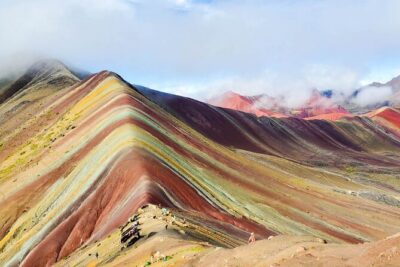
Vinicunca Rainbow Mountain ATV Tour with Meals
Read our review →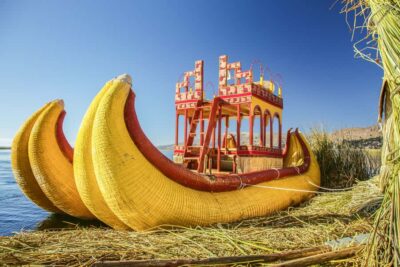
Lake Titicaca 2-Day Tour to Uros, Amantani and Taquile
Read our review →
Full-Day Tour of Lake Titicaca and Uros & Taquile
Read our review →
Full-Day Route of the Sun Tour to Cusco with Lunch
Read our review →
Browse the lists this tour appears in