
Reviewed · AREQUIPA TOURS
Arequipa: Rio Chili Rafting Tour with Snack
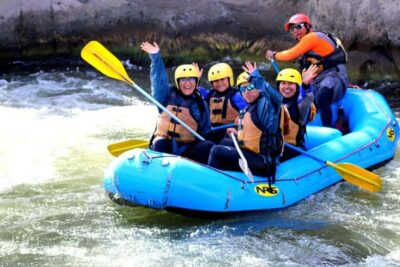
The best part of this Arequipa outing is the quick shift from city streets to white-water rapids in the Chilina Valley. In three hours, you learn the basics, run Class II, III, and IV water, and finish with the Chili River still roaring in your ears.
I like the full safety setup, including certified gear, bilingual guides, and a safety kayaker. I also like the value: at $18, round-trip transport, equipment, instruction, and a snack are all covered. The main consideration is that this is not a gentle float. Non-swimmers, children under eight, pregnant women, and people with mobility limits or recent surgery should choose another activity.
Key points at a glance
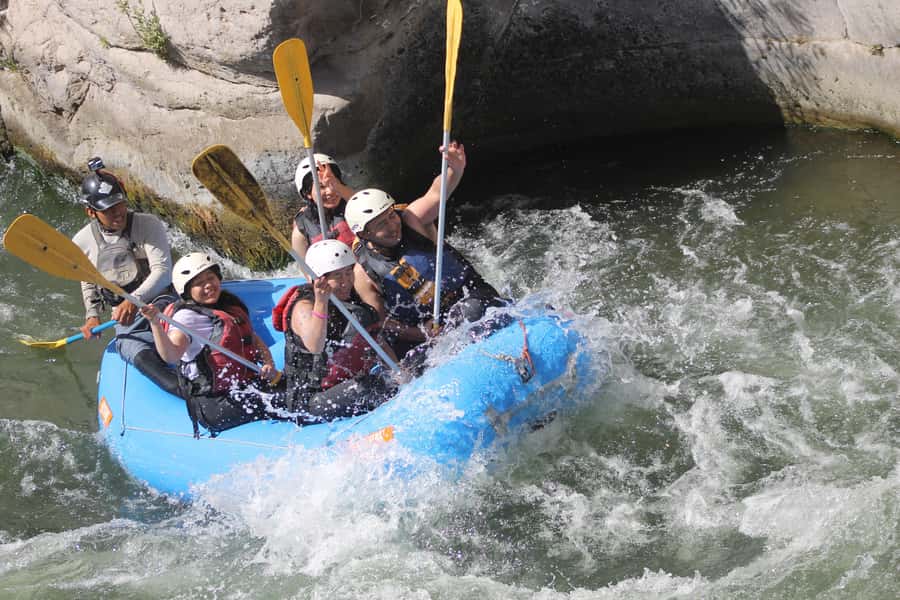
- Class II to IV rapids: You begin with easier water, then work up to the strongest section of the Rio Chili.
- A real safety briefing: Guides explain rowing, river rescue, guide roles, and the safety kayaker before you enter the river.
- Scenic Chilina Valley route: The drive to the Virgen de Chapi-Charcani Sanctuary adds mountain and river views before the rafting starts.
- Professional support: Bilingual guides provide instruction, certified equipment, and active help through the rapids.
- Simple finish: After changing, you receive a snack, usually Oreos and bottled water, with a photo service also available.
- Easy city logistics: Pickup and return from central Arequipa hotels make this a convenient half-day plan.
Why Rio Chili rafting works so well from Arequipa
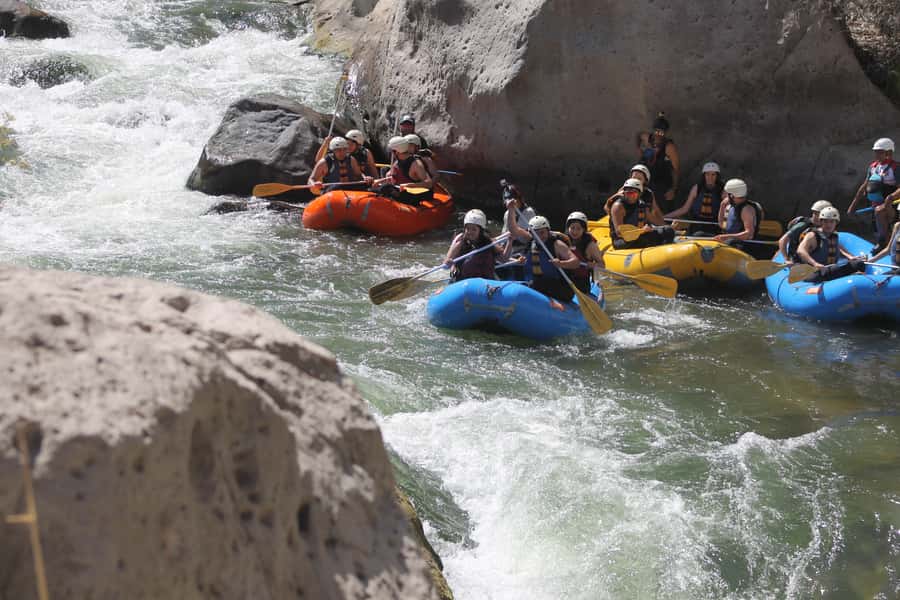
Arequipa is famous for its white volcanic buildings and grand Plaza de Armas, but the Rio Chili offers a very different side of the city. The river cuts through the Chilina Valley close to town, so you can spend the morning in an urban center and soon be handling paddles in moving water.
That short transfer is part of the appeal. You do not lose a full day getting to an isolated rafting base. The activity lasts about three hours, leaving you time for lunch, museums, or a relaxed afternoon in the White City.
The price is especially attractive for an active excursion. At $18 per person, you are not paying separately for a wetsuit, helmet, life vest, booties, splash jacket, instruction, transport, or the snack. That makes this a practical choice for a first rafting experience, especially if you do not want to arrange transport or rent gear on your own.
Do keep your expectations sensible. This is an adventure outing, not a sightseeing cruise. You will get wet, work as part of a boat crew, and need to follow commands quickly. The river sections range from Class II to Class IV, so the trip has genuine force and is not suited to every visitor.
more rafting near Arequipa
- Arequipa: Chili River White Water Rafting with Hotel Pickup
★ 4.8 · 329 reviews - Arequipa: Chili River Rafting
★ 4.8 · 60 reviews - Arequipa: Rafting on the Chili River | Full adrenaline |
★ 5.0 · 10 reviews
Hotel pickup and the gear house
Your day starts with pickup in a white minivan from a city center hotel. You are asked to be ready in the lobby 15 minutes before the scheduled pickup, a small detail that matters because late arrivals can affect the whole group.
The van takes you to the gear house, where you change into the supplied river clothing. The equipment includes a helmet, life vest, wetsuit, booties, and splash jacket. Bring swimwear to wear underneath, plus a change of dry clothes for afterward.
This gear stop makes the tour easy for visitors who are traveling light. You do not need to arrive in Arequipa with specialist river equipment. The wetsuit also helps with the chilly water, while the life vest and helmet provide basic protection around rocks and moving water.
I would leave valuable objects at your hotel. The tour information specifically warns against bringing anything you could lose while rafting. Your phone, wallet, and camera are better off somewhere secure unless the operator gives you a clear place to store them.
Pack sunscreen, a sun hat, and biodegradable insect repellent. These items are useful before and after the river section, even though much of your time will be spent in protective gear. Alcohol and drugs are not allowed.
The drive through Chilina Valley
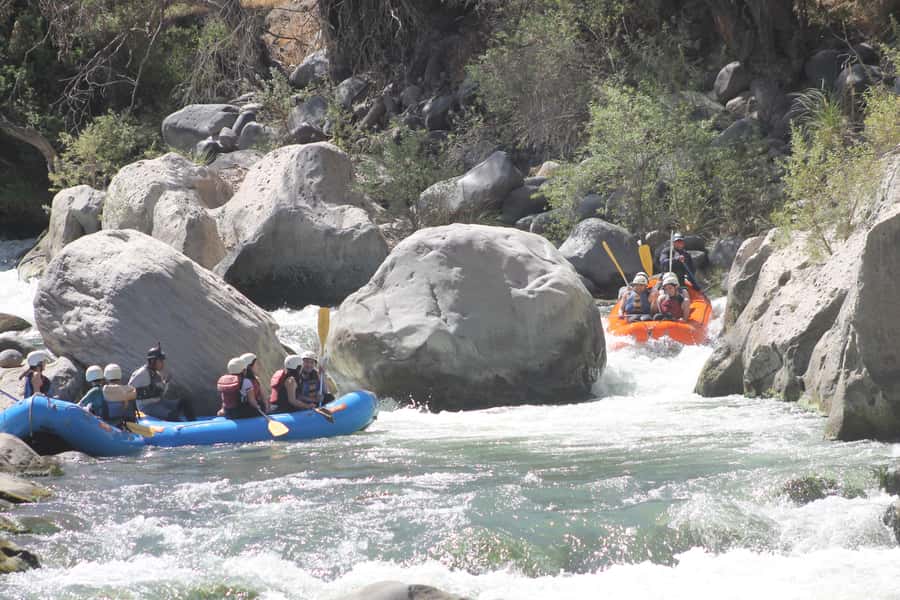
Once you are dressed, the group drives toward the Virgen de Chapi-Charcani Sanctuary. This small church beside the Chili River marks the starting point for the rafting section.
The road through the Chilina Valley gives you a different view of Arequipa. Instead of looking across plazas and colonial facades, you see the river corridor and the surrounding terrain. The drive is scenic without adding a long transfer, which is one reason this fits neatly into a half-day schedule.
The sanctuary is not presented as a long cultural stop. Think of it as the place where the road, the river, and the activity come together. You will have a brief chance to get oriented before the guides shift attention to river safety.
Safety training before the first rapid
Before you enter the water, the guides explain basic river safety and rescue. They also explain how the rafting guides work with the safety kayaker, who follows the raft and provides an extra response option if someone falls out or a problem develops.
That briefing is more than a formality. The first stretch is Class II, and it gives you time to practice rowing commands and learn how the boat responds. Beginners can get used to paddling as a team before the river becomes more demanding.
Listen closely to the guide’s commands. Rafting depends on timing, and a boat full of people pulling in different directions can quickly lose control. The guide is responsible for reading the river, but every person in the raft has a part to play.
The safety arrangement is one of the strongest reasons to choose an organized trip rather than trying to arrange a casual river outing. You receive equipment, instruction, a professional guide, and a safety kayaker in the same package.
Somewhere else entirely, still within reach of Arequipa:
- From Arequipa: Colca Canyon Full-Day Guided Tour with Meals
★ 4.5 · 982 reviews - Tour to the Salinas Lagoon and National Reserve in Arequipa
★ 4.5 · 548 reviews - From Arequipa: Sillar Route Trek
★ 4.2 · 461 reviews - 2-Day Tour Colca Canyon in Arequipa with end in Puno
★ 4.6 · 248 reviews
Class II water: learning the rhythm
The first rapids are Class II, the most forgiving section of the outing. This is where you practice rowing and learn how the guide wants the boat to respond.
You might still get splashed, but the main value of this stretch is preparation. Pay attention to how the raft rises and drops, how quickly commands need to be followed, and how your position affects the boat’s movement.
For someone who has never rafted before, this gradual start is reassuring. You are not sent straight into the strongest water without instruction. For experienced rafters, it may feel easy, but it remains a useful warm-up.
Class III rapids: the river gets serious
The Class III section brings a clear increase in energy. Expect larger waves and a good chance of getting wet. This is usually the point when a relaxed scenic ride turns into a proper team activity.
The guides add plenty of playfulness to the experience. José is one guide associated with especially warm, upbeat outings, and his style has been described as both friendly and effective. Guide names and assignments can vary, but the operation uses Spanish and English, so you can expect instructions in either language.
Stay focused here. The fun comes from the force of the water, but the boat still depends on everyone responding together. If you fall out, follow the rescue instructions rather than trying to swim independently toward shore.
The Class III section is also a good test of your comfort level. If you find the water exciting but manageable, you are probably ready for the stronger rapid ahead. If you are already anxious, tell the guide before the next section.
Class IV: the strongest stretch of the trip
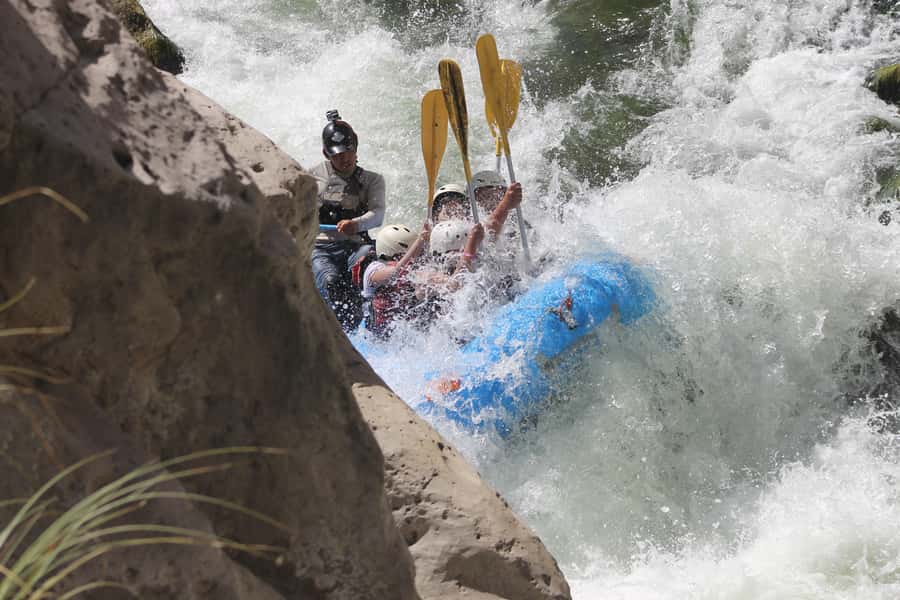
The Class IV rapid is the high point of the route. It is the strongest water included in this outing, so the guide’s instructions matter most here.
You will need to accept that the raft may move sharply and that splashing is part of the deal. The experience is controlled by the guide and supported by the safety kayaker, but it still carries the physical intensity that makes white-water rafting appealing.
The guides are prepared to adjust their approach when a problem appears. One account of the outing describes a guide safely handling a difficult moment while moving the raft backward through rapids. That detail gives you a useful sense of what professional river work involves: not just speed, but judgment and control when conditions change.
After the Class IV section, there is an opportunity to swim and cliff jump. This is optional, not a required part of the tour. If the rapids have already given you enough water and excitement, you can simply skip it.
Cliff jumping deserves a cautious approach. Only do it if the guide says conditions are suitable and you feel comfortable. The trip is already complete as an adventure without adding that extra choice.
The final Class III run and getting dry
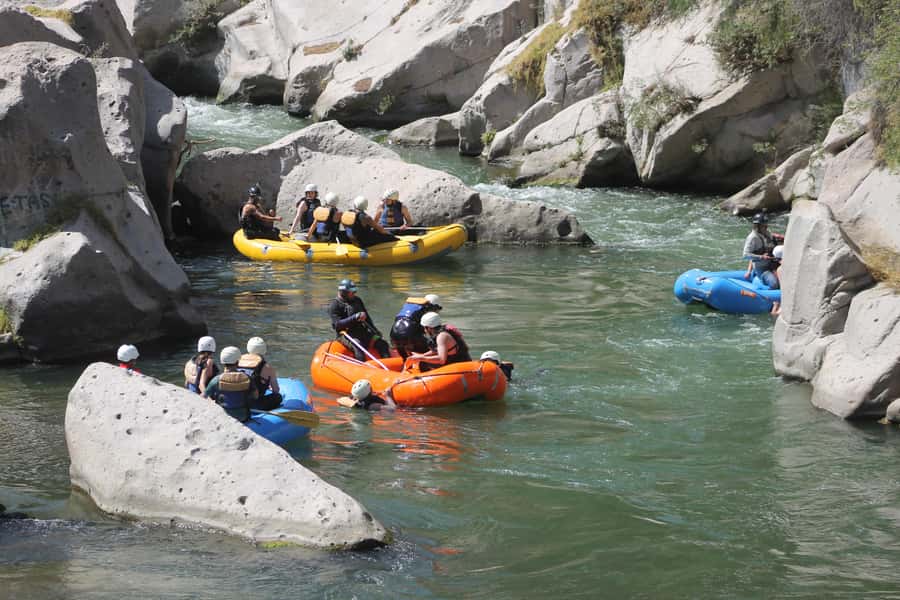
The last 15 minutes on the river are Class III, with sizable rapids before you leave the water. This final stretch keeps the outing active right to the end rather than finishing with a long, flat float.
After the raft section, you return to the changing area and remove the wetsuit and river gear. A change of clothes is essential here. Even with a wetsuit and splash jacket, you should expect to finish damp.
The post-rafting snack is simple rather than a full meal. Expect a pack of Oreos and a bottle of water, a useful pick-me-up after the physical effort but not something to replace lunch.
A photo service is also available. If having action pictures matters to you, ask how it works before you put valuables away. The safest plan is still to leave personal cameras and expensive phones behind unless the operator provides secure handling.
Guides, safety, and the feel of the operation
The most important part of a rafting trip is not the snack or the transfer. It is the quality of the river team. Here, the setup includes professional bilingual guides and a safety kayaker, with clear attention to rescue procedures before the rafting begins.
The guides also bring a playful attitude. Expect splashing and a social mood, not a silent technical training session. That can be a plus if you want an energetic group outing, though people seeking a quiet nature experience may find the boat lively.
The available feedback gives special credit to guides such as José for making the group work together and keeping the mood fun. One particularly useful detail is that guides have handled unexpected problems safely, including navigating backward through rapids. You should still take the safety talk seriously, but you are not left to figure out the river alone.
The operation is conducted in Spanish and English. If you have questions about swimming, the optional cliff jump, or your comfort with the rapids, ask before entering the water.
Who should book this Rio Chili trip?
This outing suits adults and older children who want an active break from Arequipa’s churches, museums, and viewpoints. It is a strong pick if you have three hours free and want something more physical than a standard valley drive.
It also works well for first-time rafters. The Class II opening gives you time to learn, and the equipment and transport are handled for you. You do not need to build your own river plan.
You should skip it if you are a non-swimmer, under eight years old, pregnant, using a wheelchair, or living with a mobility impairment. The activity is also not suitable after recent surgery.
A basic level of physical confidence helps. You need to wear river gear, follow commands, manage moving water, and cope with Class IV rapids. If that sounds exciting rather than alarming, the trip is likely a good match.
Is $18 good value?
Yes, provided you want a real rafting outing rather than a sightseeing transfer. The $18 price includes the parts that often push up the cost of adventure activities: round-trip transport, certified equipment, professional guides, a safety kayaker, and a snack.
The three-hour length is another advantage. You get a meaningful river run without committing an entire day. The return to Plaza de Armas also makes it easy to continue with your Arequipa plans.
The snack is modest, and the tour does not promise a meal. You are paying for the river experience, not a catered excursion. Bring your own lunch plans for afterward.
Free cancellation up to 24 hours before departure and the option to reserve now and pay later make the booking less rigid. Starting times depend on availability, so check the schedule against your hotel plans.
What to pack and what to leave behind
Bring swimwear, a change of clothes, sunscreen, a sun hat, and biodegradable insect repellent. Wear or bring items that can handle getting wet, and plan to change after the final rapid.
Do not bring alcohol or drugs. Avoid carrying valuables, since a river can easily claim small objects even when the raft is under control.
You receive the main safety equipment on site, including the helmet, life vest, wetsuit, booties, and splash jacket. That keeps your packing list short and makes the tour easier to fit into a larger Peru itinerary.
Should you book the Kanuwa Rafting trip?
Book it if you want high-value adventure close to Arequipa, especially if you have never rafted and appreciate a gradual introduction. The combination of Class II practice, Class III action, and a Class IV centerpiece gives the three-hour route a satisfying build.
The professional guides, bilingual instruction, and safety kayaker are strong reasons to feel comfortable booking an organized trip. José is a name to remember if he is assigned to your departure, though guide assignments may change.
Skip it if you cannot swim, dislike getting wet, or want a calm river view without physical effort. For everyone else who wants to trade a few hours of city touring for paddles, splashes, and the Rio Chili’s strongest rapids, $18 is an unusually practical way to add adventure to an Arequipa stay.
FAQ
How long does the Rio Chili rafting tour last?
The activity lasts three hours, including transportation, preparation, rafting, changing, and the snack stop.
Where does pickup take place?
Round-trip pickup is provided from hotels in Arequipa city center. You should be ready in the lobby 15 minutes before pickup, and the vehicle is a white minivan.
What languages do the guides speak?
The live guides speak Spanish and English.
What equipment is included?
The tour provides a helmet, life vest, wetsuit, booties, and splash jacket. The equipment is certified for river use.
Is a safety kayaker included?
Yes. A safety kayaker accompanies the rafting group, and the guides explain the kayaker’s role during the safety briefing.
What rapids will I encounter?
The route includes Class II, Class III, and Class IV rapids. The Class IV section is the strongest part of the trip, followed by a final 15-minute Class III stretch.
Is the snack a full meal?
No. The snack is simple, typically a pack of Oreos and a bottle of water.
Who should not take this tour?
The activity is not suitable for children under eight, pregnant women, people with mobility impairments, wheelchair users, non-swimmers, or people with recent surgeries.
Recently added around Arequipa
- From Arequipa: 1 Day Tour to the Colca Canyon + Buffet lunch★ 4.2 · 3 reviews
- Arequipa: Colca Canyon Trekking 2 days and 1 night + food★ 4.8 · 3 reviews
- Arequipa: Catarata de Pillones and Bosque de Piedras Tour★ 4.3 · 3 reviews
- From Arequipa: Full Day Colca Canyon Tour★ 4.5 · 3 reviews
- 2-Day Colca Canyon Tour to Puno with accommodation★ 3.9 · 3 reviews
- From Arequipa: Colca Canyon and Condor Watching Day Trip★ 3.7 · 3 reviews
- Cooking Class Typical Food in Arequipa★ 3.9 · 3 reviews
- Walking tour through the Historic Center of Arequipa★ 4.0 · 3 reviews
Arequipa Tours, compared.
Tour to the Salinas Lagoon and National Reserve in Arequipa
Read our review →
Chili River White Water Rafting with Hotel Pickup
Read our review →
2-Day Tour Colca Canyon in Arequipa with end in Puno
Read our review →
Walking tour in the Historic Center of Arequipa
Read our review →Browse the lists this tour appears in