
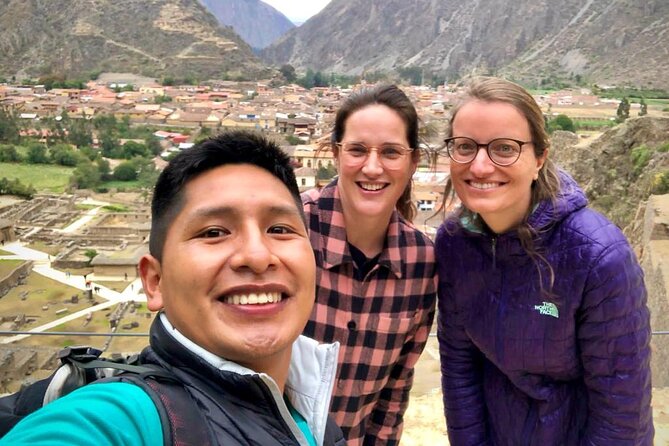
Reviewed · SACRED VALLEY TOURS
Sacred Valley of the Incas Tour with Moray & the Salt Mines
The big draw here is variety. In one long day, you see hilltop Inca ruins at Pisac, the grand terraces of Ollantaytambo, Moray’s unusual circular fields, Maras’ salt pans, and Chinchero’s weaving traditions. Moray and the salt mines give the day its most distinctive stops.
I like the small maximum of nine, which makes questions easier and the ride less crowded. I also like the included buffet lunch in Urubamba and the strong guiding, with Julio praised for patience and Adolfo for his energy. The catch is the pace: seven stops in about nine hours can leave you with only a short look at some places, especially if shopping stops are added.
Key points to know before booking
- Seven stops in one day: Pisac, Urubamba, Ollantaytambo, Moray, Maras, Chinchero, and Cusco make this a broad Sacred Valley sampler.
- Moray is the visual surprise: Circular terraces descend into the earth, with each level linked to a different growing temperature.
- Pisac combines ruins and crafts: You tour the hilltop complex, then visit the village plaza and its weekend handicraft market.
- Lunch is included: A buffet meal in Urubamba breaks up the morning and is part of the $99 price.
- Small group, but not a private tour: The vehicle carries no more than nine people, giving you a more personal setting without the cost of a fully private outing.
- Budget for entry fees: Archaeological site tickets cost $20, or 70 soles, per person, plus 10 soles for Maras.
What this Sacred Valley day is really designed to do
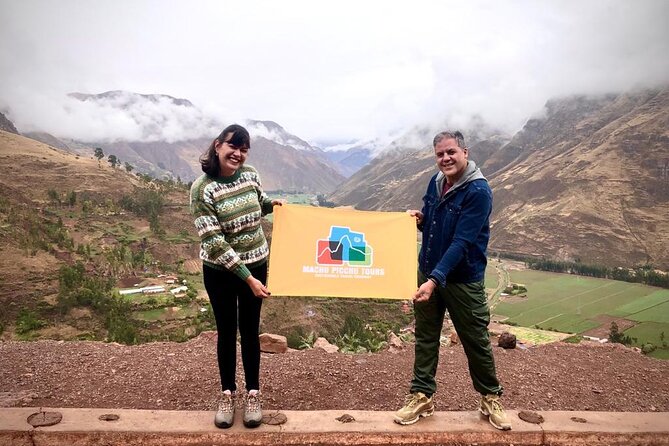
This is a greatest-hits tour, not a slow archaeological study. The route covers several famous places around the Sacred Valley, then returns you to Cusco in the evening. That makes it useful if you have limited time and want to understand how the valley fits together.
The day begins at 7:00 a.m. The stated meeting point is Plaza Regocijo, one block from Cusco’s Plaza de Armas, though the tour description also says hotel pickup is provided. I would confirm the exact pickup arrangement before departure. The return is to Plaza Regocijo rather than directly to your hotel.
Transport is included, as is a bilingual local guide. The group limit of nine matters here. You still have a set schedule, but you are less likely to feel lost in a large bus group. A smaller group also gives you a better chance to ask about Inca engineering, local farming, or the meaning of what you are seeing.
The price is $99 per person. That is a reasonable package if you value transport, a guide, and lunch in one booking. It is not the final cost, since the archaeological entrance fee and Maras fee are extra. Add $20, or 70 soles, for the archaeological sites and 10 soles for Maras. You should also allow money for personal purchases, especially if textile or craft stops form part of the day.
more sacred valley days
- From Cusco: Sacred Valley & Maras Salt Mines Tour with Lunch
★ 4.8 · 2,227 reviews - Cusco: Sacred Valley, Pisac, Ollantaytambo, Salt Mines Moray
★ 4.6 · 1,058 reviews - Sacred Valley: Chinchero, Moray, Ollantaytambo & Pisac+Lunch
★ 4.8 · 501 reviews
Taray viewpoint and the first look at Pisac
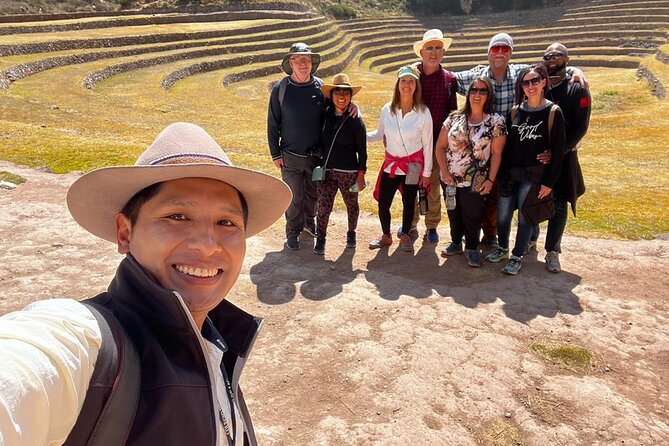
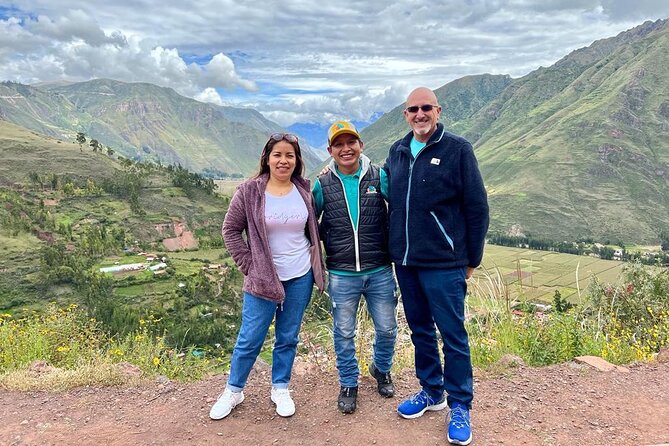
The drive toward Pisac includes a short stop at a viewpoint in Taray. This is a smart opening pause because it lets you see the Sacred Valley before walking through its ruins. From above, the Urubamba River winds past villages and fields below.
Do not expect a long photography session here. It is a quick viewpoint stop, but it gives useful visual context. You begin to see why the Incas prized this valley: water, fertile ground, and high slopes all sit close together.
Pisac follows, with about an hour and a half planned for the site and village. The main Inca complex sits high on a hill above the modern town. The vehicle takes you up to the complex entrance, saving you from making the full climb from the village.
The site is one of the day’s strongest history stops. Your guide explains the buildings and terraces while you look across the valley. Pisac is not just a collection of stone walls. Its position above the settlement helps you understand the Inca habit of combining farming, defense, religion, and administration in one carefully placed complex.
After the ruins, you go down to the main plaza. On weekends, the narrow cobblestone streets fill with local people selling handicrafts. This gives you a chance to browse, but it also changes the feel of the stop. If the schedule is tight, you may need to choose between shopping and a slower look at the town.
Urubamba lunch and the valley floor
The next stop is Urubamba, the lowest part of the Sacred Valley route. About one hour is set aside here for a buffet lunch at a local restaurant.
I like having lunch built into a full-day tour. You do not need to spend valuable sightseeing time searching for a meal, and the break gives your legs a rest after Pisac. The buffet has received specific praise for both quality and convenience, though the exact dishes are not listed, so you should not book this expecting a particular menu.
Urubamba also helps you read the valley from another angle. Pisac gives you a high view; here you are closer to the river and agricultural floor. The change makes the valley’s shape easier to understand.
The timing can be tight, so do not linger too long over lunch if you want a relaxed afternoon. This is one reason the tour suits people who prefer seeing many major places in one day rather than spending half a day at one ruin.
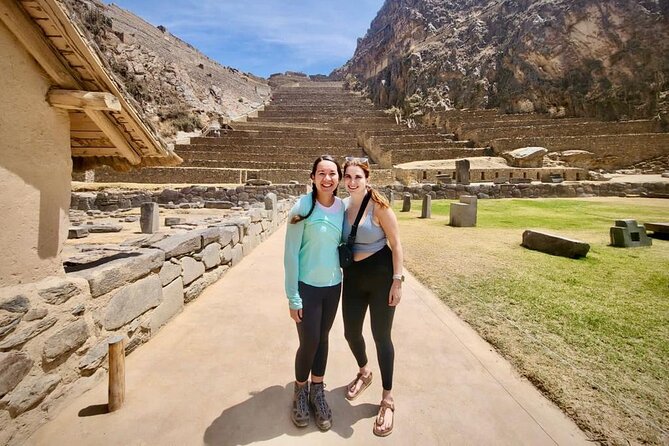
Ollantaytambo, the day’s major Inca town
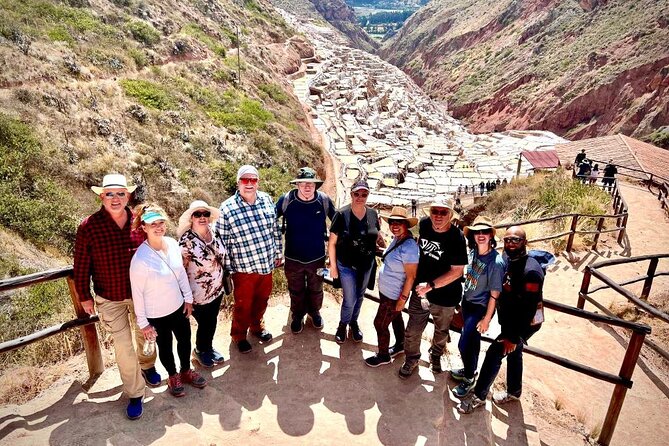
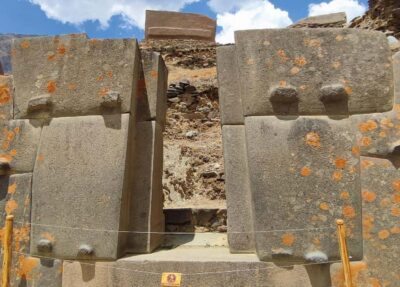
After lunch, the route continues to Ollantaytambo for about an hour and a half. This is arguably the most substantial Inca site on the route. The town is known for careful planning, large stonework, terraces, and its position between two sets of ruins.
Ollantaytambo is also an active modern village, not just an archaeological park. The settlement has remained in continuous use since the Inca period. As you walk around, you can see how old street patterns and stone foundations remain part of daily life.
Your guide’s explanation is especially useful here. Without context, the huge terraces can look like simple steps on a mountain. With context, you can think about how the Incas organized farming, movement, and control of this important valley location.
The site also has practical importance for visitors heading onward to Machu Picchu. Ollantaytambo is where many people board the train to Machu Picchu and access the Inca Trail. This tour does not include that train journey, but seeing the village gives you a sense of the route if you are continuing your Peru trip.
Allow yourself to enjoy this stop. It is one of the places most likely to suffer from a crowded schedule, since there is a lot to see and the terraces require time and attention. If your guide moves quickly, ask which sections matter most.
more maras and moray mornings
- From Cusco: Moray, Maras Salt Mines & Chinchero Weavers Tour
★ 4.8 · 1,925 reviews - Cusco:Chinchero,Moray & Salt Mines drop-off in Ollantaytambo
★ 4.8 · 793 reviews - Sacred Valley: Maras & Moray by Quad Bike from Cusco
★ 4.6 · 418 reviews - From Cusco: Quad bike tour Moray and Salt Mines
★ 4.7 · 314 reviews
Moray’s circular terraces and Inca farming
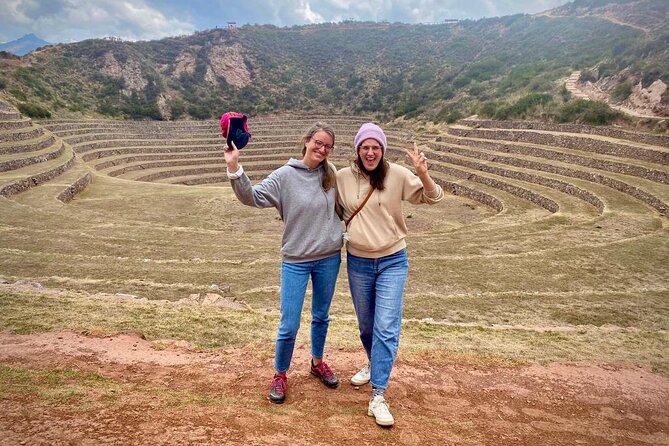
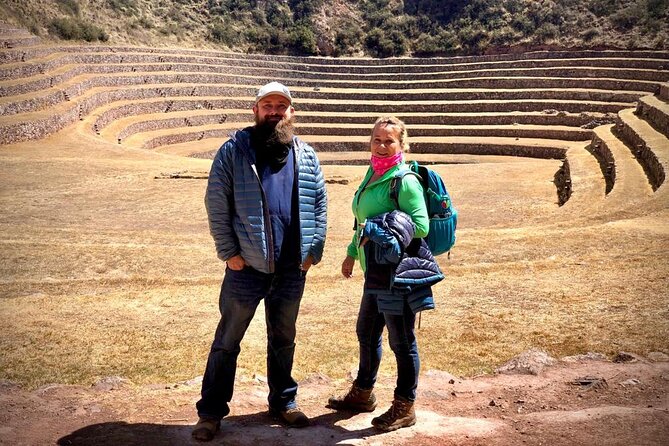
Moray is the most unusual sight on the afternoon route. The site contains large circular agricultural terraces that descend into the ground. The different levels have different temperatures, and the Incas used the site to study growing conditions for crops.
That explanation turns Moray from an odd-looking ruin into a place of practical experimentation. You are looking at farming design, not just decoration. The Incas worked with changes in sun, shade, and temperature to learn where crops would grow best.
The planned stop is about an hour, and the entrance fee is not included in the tour price. The information provided lists the archaeological entrance as $20, or 70 soles, per person. Since several archaeological places are visited, confirm which ticket covers the sites and carry the required amount in soles if possible.
Moray is also a good place to listen closely to your guide. The terraces are easy to photograph, but the explanation about crop conditions is what gives the site meaning. This is one of the stops where a licensed local guide adds real value.
Maras and the working salt pans
Maras follows Moray, with about an hour planned for the salt mines. Here, local families continue a traditional solar evaporation method. Salt water is directed into small pans, where the sun helps remove the water and leave the salt behind.
The sight is striking because the salt pans cover the hillside in a series of pale pools. The color and condition can vary, so your view may not look exactly like a postcard. Still, the key appeal is not only the pattern. It is the fact that this is an ongoing local practice passed from one generation to the next.
The Maras entrance fee is 10 soles per person and is separate from the archaeological ticket. That extra cost is modest, but it is easy to overlook when calculating the total price.
Your guide should explain how the solar evaporation process works and why the pans are divided into so many small sections. Pay attention to the walking conditions and follow any instructions at the site, since salt production remains a working activity rather than a display made only for sightseeing.
Chinchero’s church, textiles, and farming terraces
The final major stop is Chinchero, a quieter village that many day routes skip. About an hour is allotted here. The village is known for Andean textiles and a whitewashed church built on the site of a former royal palace associated with the Inca emperor Pachacutec.
Chinchero brings together several themes from the day. You see Spanish colonial religious architecture, Inca foundations, traditional textile work, farming terraces, and water channels. The water systems are particularly useful for understanding the engineering behind Inca agriculture.
The soil here is described as especially fertile, which helps explain why Pachacutec developed the area with terraces. Look for the relationship between the channels and the fields. The Incas were not simply building walls on hillsides. They were shaping water flow and planting areas to make difficult mountain farming more productive.
The village is described as serene, but the experience may include a textile presentation or local shopping stop. One past experience felt that several commercial visits took time away from the archaeological sites. That is the main practical warning for this tour: ask early how much time is planned for shopping, and make clear to your guide if you would rather spend more time at the ruins.
The guide and the small-group experience
The guide can make or break a day with this many stops. The strongest reports focus on clear cultural explanations, patience, and help with questions. Julio has been praised for taking time to explain each attraction, while Adolfo has been remembered for his energy and useful guidance. A driver named Luis was also specifically praised for safe, steady service.
Those names are not a guarantee of your assigned team, but they show the kind of service the operator has provided. You receive a bilingual local guide, and a group of no more than nine gives the guide room to speak with you directly.
The tour is not private, despite the small group. You will still follow a fixed route and shared schedule. That distinction matters if you want complete control over stops, meal timing, or photography. A private tour would give you more flexibility, while this option gives you a lower price and a ready-made plan.
Who should book this tour?
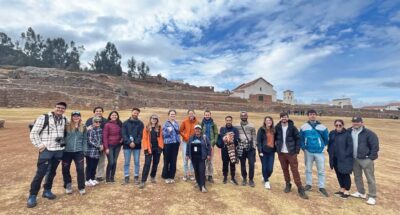
I would choose this tour if you have one open day in Cusco and want to see the major Sacred Valley sights without arranging several separate rides. It is especially useful for first-time visitors who want a guide to explain how farming, town planning, salt production, and Inca power fit together.
It also suits you if you like variety. The day shifts from viewpoints to ruins, from a buffet meal to a working salt site, and from major attractions to the quieter village of Chinchero.
I would hesitate if you dislike early starts, long vehicle days, or firm schedules. Seven stops in roughly nine hours leaves little room for wandering. You may get only a short visit at some locations if traffic, meals, or shopping stops run long.
This is also not the best choice if you want a quiet, single-site experience. Ollantaytambo and Pisac deserve more time than a packed day can provide. The tour gives you breadth, not a slow archaeological study.
Free cancellation is available if you cancel at least 24 hours before the start time. Changes or cancellations made inside that window are not accepted for a refund. Most people can take part, but the supplied details do not describe specific accessibility arrangements, so ask the operator if you have mobility concerns.
Should you book the $99 Sacred Valley tour?
Book it if your priority is seeing Pisac, Ollantaytambo, Moray, Maras, and Chinchero in one organized day. The included transport, guide, and buffet lunch make the $99 base price sensible, even after adding the entrance fees.
Before paying, budget another 80 soles, or the listed equivalent of $20 plus 10 soles, for site admissions. Confirm hotel pickup versus the Plaza Regocijo meeting point, and ask whether commercial stops are part of your exact schedule.
My final call: this is a strong choice for a first look at the Sacred Valley, provided you accept the brisk pace. If you want deeper time at the ruins and no shopping interruptions, choose a slower or private plan. If you want broad coverage, a small group, helpful guiding, and lunch handled for you, this tour earns its place on a Cusco itinerary.
FAQ
How long does the Sacred Valley tour last?
The tour lasts approximately nine hours. It begins at 7:00 a.m. and returns to Cusco in the evening.
Where does the tour start and end?
The listed meeting point is Plaza Regocijo, one block from Cusco’s Plaza de Armas. The tour ends back at the meeting point. The description also mentions hotel pickup, so confirm the exact pickup arrangement before departure.
What is included in the price?
Round-trip transport, a bilingual local guide, and a buffet lunch in Urubamba are included.
Are entrance fees included?
No. The archaeological site entrance fee is listed as $20, or 70 soles, per person. Maras has a separate entrance fee of 10 soles per person.
How many people are in the group?
The activity has a maximum of nine participants. It is a small-group tour, not a fully private tour.
Can I cancel for a full refund?
Yes, if you cancel at least 24 hours before the experience start time. Cancellations or changes made less than 24 hours in advance are not accepted for a refund.
Recently added around Cusco
- Palcoyo colored mountain hike + stone forests★ 4.6 · 3 reviews
- Maras Moray★ 5.0 · 3 reviews
- Full-Day Condor Viewpoint & Inca Sites Tour★ 5.0 · 3 reviews
- From Cusco: Vinicunca Mountain of Colors Excursion + Ticket★ 5.0 · 3 reviews
- Excursion Cusco – Puno – Titicaca Observatory Train★ 5.0 · 3 reviews
- Machu Picchu: Private Tour Guide Service for up to 15 people★ 4.5 · 3 reviews
- Machu Picchu: 1-day tour by Vistadome Observatory train★ 5.0 · 3 reviews
- Cusco: Chonta Canyon and Condor Flight Tour with Lunch★ 5.0 · 3 reviews
Sacred Valley Tours, compared.
Sacred Valley & Maras Salt Mines Tour with Lunch
Read our review →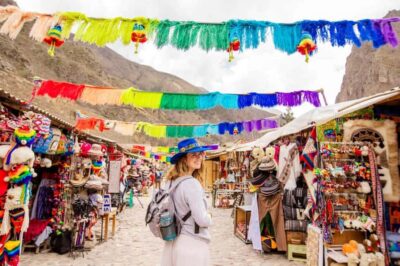
Sacred Valley, Pisac, Ollantaytambo, Salt Mines Moray
Read our review →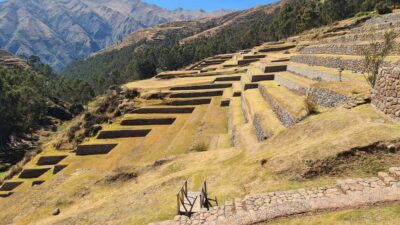

2-Day Trip to the Sacred Valley and Machu Picchu
Read our review →
Sacred Valley Pisaq,Ollantaytambo,Chinchero with Lunch
Read our review →
Full-Day Excursion to Sacred Valley, Pisac and Ollantaytambo from Cusco
Read our review →
Food and Culture Full day Tour in the Sacred Valley
Read our review →Browse the lists this tour appears in