
Reviewed · SACRED VALLEY TOURS
Sacred Valley Full-Day Private Tour from Urubamba & Ollantaytambo
Ollantaytambo’s huge stone terraces and the strange circular terraces at Moray give this day its punch. I like the private van and flexible pace, and I like that the route starts in Urubamba or Ollantaytambo rather than sending you back to Cusco first. The main drawback is the long day, with plenty of uphill walking and high-altitude sun.
I also like the guides. Pablo grew up near Urubamba, while Ferdinand, Sam, and others are praised for clear English, local insight, and patience with slower walking. You pay $135 per person, then add lunch and entrance fees, so this is best value for families or small groups that want comfort and personal attention.
Key points to know before booking
- Four major Sacred Valley stops: Ollantaytambo, Moray, Maras Salt Mines, and Chinchero fit into one full day.
- Private from start to finish: Your group gets its own transportation and guide, with no strangers sharing the van.
- A strong introduction to Inca engineering: Terraces, water systems, salt ponds, weaving, and mountain agriculture all appear in one route.
- Guides can adjust the day: Several guides, including Pablo, Sam, and Ferdinand, are praised for changing the order or pace to suit the group.
- Budget for extras: Lunch is not included. Entrance fees total PEN 90 per person, split between Maras and the other archaeological sites.
- Expect altitude and stairs: You will walk uphill and downhill at several sites, so good shoes, sunscreen, water, and a steady pace matter.
Why this route works so well from Urubamba and Ollantaytambo
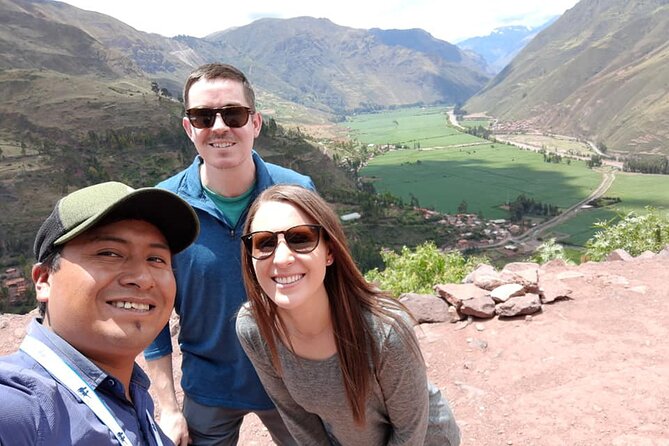
The Sacred Valley is not one single sight. It is a broad region with ruins, farm terraces, salt ponds, small towns, and roads that wind between them. Seeing the main sites in one day can be awkward if you are relying on public transport or trying to join a large group from Cusco.
This tour solves much of that problem. Pickup is provided from your accommodation in Urubamba or Ollantaytambo, and the private vehicle stays with you all day. You are not spending the morning getting from Cusco into the valley, then retracing the same road at night.
The day begins at 8:00 am and lasts about 9 to 10 hours. The listed visits add up to roughly 5 hours and 30 minutes, with the rest spent driving between sites. That is an important detail. You are not walking or touring for ten straight hours, but you are still committing to a full day.
I find the private format especially useful here because the sites call for different amounts of time. Ollantaytambo deserves a careful visit. At Chinchero, you may want less time at the ruins and more time watching textile work. A private guide can respond to that instead of following a fixed bus schedule.
more sacred valley days
- From Cusco: Sacred Valley & Maras Salt Mines Tour with Lunch
★ 4.8 · 2,227 reviews - Cusco: Sacred Valley, Pisac, Ollantaytambo, Salt Mines Moray
★ 4.6 · 1,058 reviews - Sacred Valley: Chinchero, Moray, Ollantaytambo & Pisac+Lunch
★ 4.8 · 501 reviews
Ollantaytambo: the day’s most powerful ruins
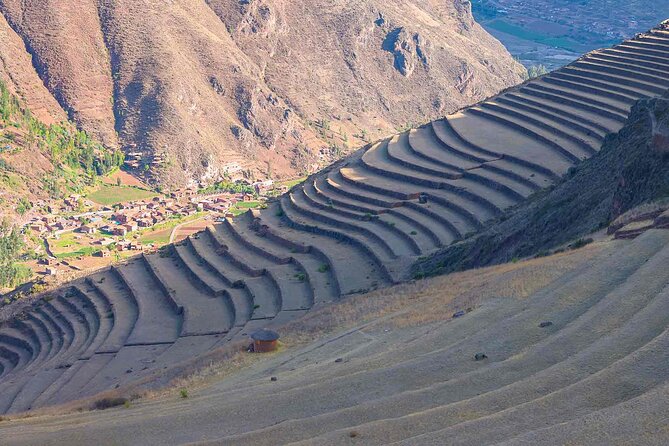
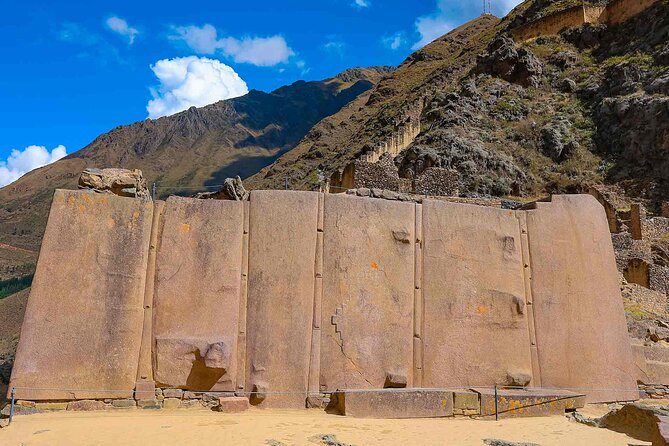
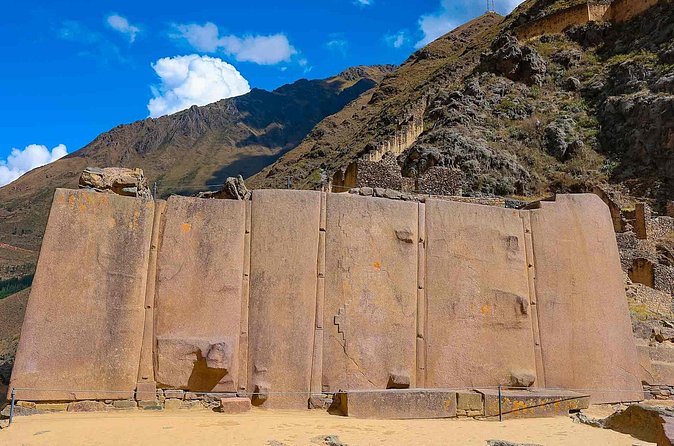
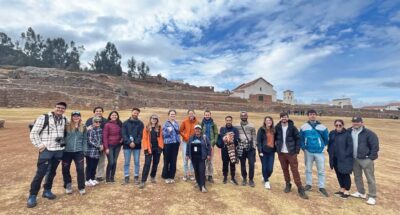
Ollantaytambo is the first stop and one of the grandest Inca sites in the valley. Massive terraces climb the hillside above the town, while the upper ruins include the Temple of the Sun and a ceremonial water area with fountains.
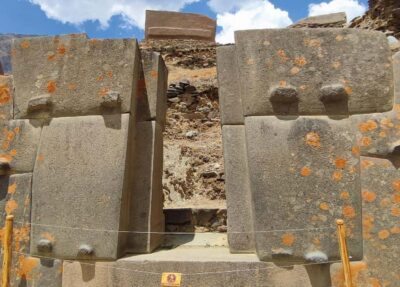
The scale is the first thing you notice. These are not small stone remnants tucked beside a road. You walk through a large Inca complex with steep slopes, broad stairways, and carefully fitted masonry. The climb makes the site more demanding, but it also gives you wide views back over the town and valley.
Your guide can help you read the site rather than simply photograph it. Look for the way the terraces controlled erosion and created usable farmland. Notice the stonework and the water channels. The remains point to a society that planned agriculture, religion, water, and defense together.
Allow about two hours here. That is enough time to climb at a measured pace, pause for explanations, and take photos without turning the visit into a race. If you are traveling with older relatives, young children, or anyone still adjusting to altitude, tell your guide early. Ferdinand and Sam are specifically praised for allowing rest and not pushing people to move faster than they could manage.
Ollantaytambo can also work well as part of a larger Peru plan. The town is a common base for rail trips, and one review describes using the tour as transportation toward the train. Confirm any special drop-off plan before booking, since the standard information promises pickup and hotel return rather than a guaranteed train transfer.
Moray: circular terraces with a practical purpose
After Ollantaytambo, the drive to Moray takes about an hour. The road time is part of the bargain, but it gives you a chance to rest after the stairs and watch the valley change outside the window.
Moray is unlike the other Inca sites on this route. Its enormous circular terraces sink into natural depressions in the ground, forming a series of rings that look almost theatrical from above. The site is commonly understood as an agricultural testing area, though the exact purpose remains a subject of discussion.
The important point for you is how clearly Moray shows Inca skill with farming in difficult terrain. The terraces created different growing conditions at different levels, and the site raises useful questions about temperature, crops, soil, and water. A good guide connects the shape of Moray to daily food production rather than treating it as just a striking photo stop.
Plan for about one hour at the site. The visit includes walking and some uneven ground, though one review described this tour as involving only a modest amount of walking overall. Conditions can feel exposed, so bring a hat and sunscreen. The high-altitude sun is strong even when the air feels cool.
The entrance fee is not included. Moray is covered by the combined PEN 70 fee listed for Ollantaytambo, Moray, and Chinchero. Keep that cost separate from the PEN 20 Maras fee.
Maras Salt Mines: a working tradition, not just a viewpoint
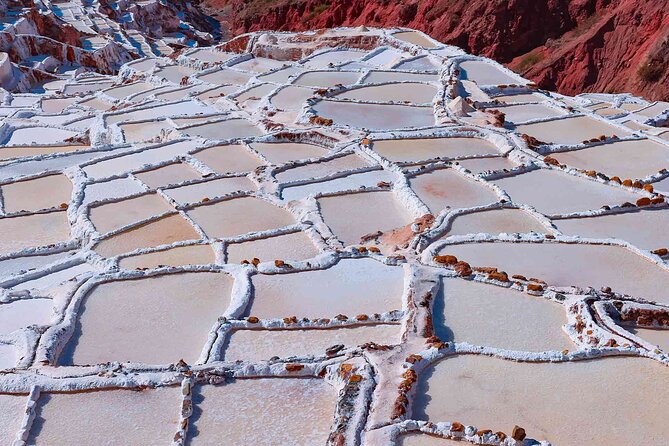
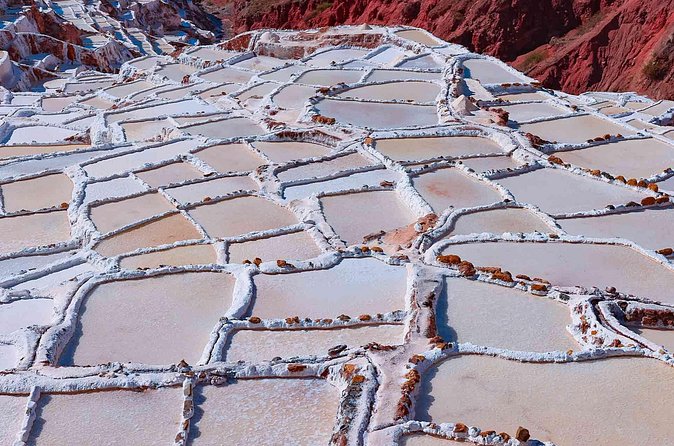
The drive from Moray to the salt mines takes about 30 minutes. At Salinas de Maras, warm salty water flows from an underground stream into hundreds of small evaporation ponds built into the mountainside.
The sight is unusual and easy to remember. Each pond catches water, the sun removes the moisture, and salt remains behind. The process has been used locally since pre-Inca times, and the area still connects old methods with present-day work.
Give yourself about 45 minutes here. You will walk along viewing paths and stop for photographs, but this is not a place where you need several hours. The ponds can appear white, tan, or reddish depending on the light and the stage of evaporation.
I would not treat Maras as a quick add-on. It provides a useful contrast to Ollantaytambo and Moray. At the ruins, you are studying state planning and stone construction. At Maras, you are seeing a practical local industry shaped by water, sun, and generations of community use.
The entrance fee is PEN 20 per person and is not included. Bring small bills if possible, though the supplied details do not specify payment methods. As with the other outdoor stops, sturdy shoes and sun protection will help.
more Cusco days to weigh up
- From Cusco: Full-Day Group Tour of Machu Picchu
★ 4.7 · 1,767 reviews - Machu Picchu: Full-Day Tour from Cusco with Optional Lunch
★ 4.6 · 927 reviews - Full-Day Excursion to Sacred Valley, Pisac and Ollantaytambo from Cusco
★ 4.5 · 174 reviews - Food and Culture Full day Tour in the Sacred Valley
★ 5.0 · 144 reviews
Lunch near Maras, with room to slow down
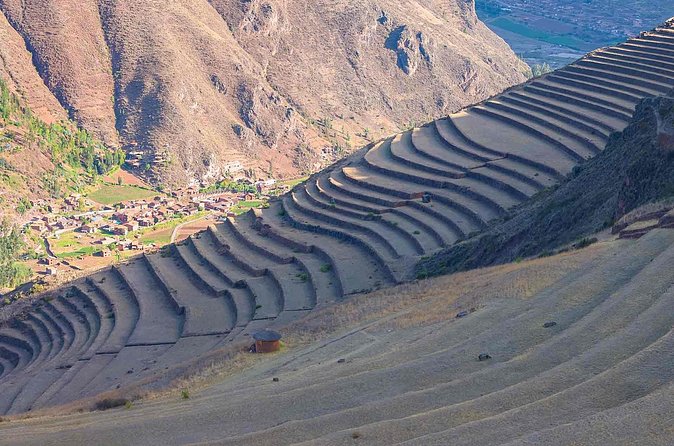
After the salt mines, you have time for lunch in the Maras area. Lunch is not included, and the restaurant is not fixed in the tour details, so your guide can point you toward a local option.
This open lunch arrangement is useful because the right meal depends on your group. You may want a quick stop to keep the day moving, or you may prefer a longer break after several hours outside. One account praises a restaurant with valley views, good food, and affordable prices, while another describes the guide suggesting a worthwhile local place.
Use lunch as a real pause. The drive-heavy schedule can make the day feel longer than the walking time suggests. Eat, drink water, and let your legs recover before Chinchero. If altitude is affecting someone in your group, tell the guide. The tour has shown flexibility when people needed a shorter day or a pharmacy stop, but you should not assume every change is automatic.
Chinchero: weaving, ruins, and mountain views
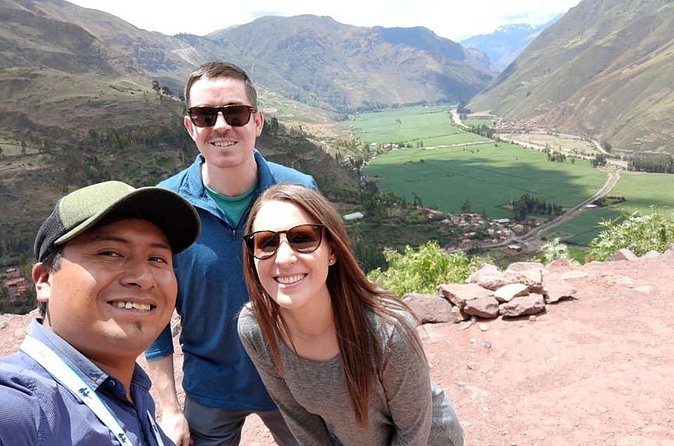
The final planned stop is Chinchero, about 30 minutes from lunch. After the visit, the return to your hotel takes about one hour.
Chinchero combines an old Inca site with a small town known for textile work and mountain views. This gives the day a more human scale after the enormous terraces and salt ponds. You can see how local culture continues through weaving, color, patterns, and handwork.
If you are invited to watch a textile demonstration, I would take the time. The stop offers a chance to understand how wool and natural dyes become finished cloth, and it adds present-day life to a day focused heavily on ancient construction.
The archaeological area is included in the combined entrance charge of PEN 70. The visit lasts about 45 minutes, although the exact pace can change in a private tour. Some people may want more time at the weaving centers, while others may be ready to return after the ruins.
Chinchero is also a good final stop because it is less physically demanding than spending another two hours on steep terraces. Still, you should expect some walking and uneven surfaces.
What the private vehicle changes
The driver is not just a way to get from point A to point B. On roads through the Sacred Valley, a safe and steady driver matters. Several guides and drivers receive praise for clean, comfortable vans, careful driving on narrow and winding roads, and keeping belongings secure.
The private vehicle also gives you control over small decisions. You can ask to pause, slow down, or spend longer at a site. Guides such as Pablo, Sam, and Ferdinand are praised for tailoring the route, changing the order to reduce crowds, and allowing time for photos.
Some tours use the same sequence every day. Here, the guide may reverse the order when useful. That can mean a quieter visit at certain sites, although crowd levels depend on the day and are not guaranteed.
The van is particularly valuable for families and small groups. One family traveled with a toddler and found the pace accommodating. Another group needed extra patience on its first high-altitude day. Private transport does not remove the effects of altitude, but it gives you a place to rest between walks.
Guides who add more than memorized facts
The strongest part of this experience is the guide. The named guides include Pablo, Ferdinand, Sam, Samuel, Guido, Percy, Abraham, Ricardo, Francisco, and Jimmy. The guide assigned to your booking may vary, so do not book solely on the expectation of receiving one particular person unless the provider confirms it.
Pablo is especially suited to readers who want local context. He grew up around Urubamba, and his family connection to farming in the area gives him a personal link to the valley. Ferdinand is praised for clear English, patience, and strong explanations at the archaeological sites. Sam is described as engaging, thoughtful, and comfortable adjusting the order of the day.
The useful difference between a good guide and a merely adequate one is pacing. You want enough explanation to understand the site, but also quiet time to look around. The best comments about this tour describe guides who answer questions, take photos, help with translation, and do not feel required to talk every minute.
You should tell your guide what interests you. Ask about farming, water, religion, stonework, textiles, or modern village life. The tour has enough range to support more than a basic list of dates and names.
Price, entrance fees, and the value question
The tour costs $135 per person. That is not the cheapest way to see the Sacred Valley, but the price includes private transportation, hotel pickup, a local guide, and taxes.
You also need to budget for three items:
- Lunch, which is not included
- PEN 20 per person for the Maras Salt Mines
- PEN 70 per person for Ollantaytambo, Moray, and Chinchero
The private price makes more sense when split across a small group. A couple pays for privacy and flexibility, while a family or group of friends can share the vehicle and guide cost. You are also paying to avoid the logistical work of connecting distant sites yourself.
I see the best value for anyone staying in Urubamba or Ollantaytambo. Starting locally saves backtracking to Cusco and makes the route practical. It can also serve as a gentle introduction before the Inca Trail, provided you pace yourself and do not treat the day as a fitness test.
If you want the lowest possible cost, a group bus may suit you better. You will likely have less control over timing and more people around you, but the private format is not essential for every budget.
Altitude, walking, and what to pack
The tour is manageable for most people, but it is not completely effortless. Ollantaytambo includes uphill and downhill walking, and all four stops involve outdoor movement. High altitude can make ordinary stairs feel harder than expected.
Bring:
- A hat and sunscreen
- Water
- Comfortable shoes with a firm sole
- Light layers for changing temperatures
- Money for lunch and entrance fees
- A phone or camera with extra battery power
The supplied information says most people can participate, but it does not give a formal accessibility assessment. If you have limited mobility, ask the provider before booking about stairs, uneven paths, and vehicle access at each stop.
A private tour helps because you can rest when needed. It does not guarantee flat paths or remove the need for basic fitness. I would avoid scheduling this on a day when you also need to catch a tightly timed train or flight unless the provider confirms the transfer plan.
Who should book this Sacred Valley day
I would choose this tour if you want to see several major sites without managing transport yourself. It suits couples, families, and small groups who value a quiet vehicle, a flexible guide, and a full view of both ancient sites and present-day local culture.
It is also a strong choice if you are based in Urubamba or Ollantaytambo. Many Sacred Valley tours begin in Cusco, but this one is designed around the valley itself.
You may want something else if you dislike long drives, have difficulty with stairs, or prefer spending an entire morning at one archaeological site. The route covers a lot of ground, so each stop has a set time and the day can run longer than expected if your group needs extra rests.
The cancellation terms are simple: cancel at least 24 hours before the 8:00 am start for a full refund. Changes made within 24 hours are not accepted, and a minimum group requirement applies.
Should you book it?
I would book this tour if you want an efficient, private introduction to the Sacred Valley and you are comfortable with a long day. Ollantaytambo and Maras are the essential draws, while Moray and Chinchero add the agricultural and cultural context that makes the route feel varied.
The strongest reasons to choose it are the local pickup, private vehicle, flexible pacing, and guides such as Pablo, Sam, and Ferdinand. The main caution is cost: $135 per person is a premium, and lunch and PEN 90 in entrance fees come on top.
For a first visit to the valley, especially before Machu Picchu or the Inca Trail, this is a smart, low-stress way to get your bearings and understand what you are seeing.
FAQ
What time does the tour start?
The tour starts at 8:00 am.
How long does the full tour last?
The full experience takes approximately 9 to 10 hours. About 5 hours and 30 minutes are spent visiting the sites, with the remaining time used for driving between locations.
Where does pickup take place?
Pickup is provided from your accommodation in Urubamba or Ollantaytambo.
Which places are visited?
The route includes Ollantaytambo Archaeological Park, Moray, Salinas de Maras, a lunch stop in the Maras area, and Chinchero.
Is the tour private?
Yes. Only your group participates, with private transportation and a local guide.
Are entrance fees included?
No. The Maras Salt Mines fee is PEN 20 per person. Ollantaytambo, Moray, and Chinchero cost PEN 70 per person.
Is lunch included?
No. Lunch is taken at a local restaurant in the Maras area and must be paid for separately.
Can I cancel for a full refund?
Yes, if you cancel at least 24 hours before the experience start time. Cancellations made less than 24 hours in advance are not refunded.
Recently added around Cusco
- Palcoyo colored mountain hike + stone forests★ 4.6 · 3 reviews
- Maras Moray★ 5.0 · 3 reviews
- From Cusco: Vinicunca Mountain of Colors Excursion + Ticket★ 5.0 · 3 reviews
- Full-Day Condor Viewpoint & Inca Sites Tour★ 5.0 · 3 reviews
- Excursion Cusco – Puno – Titicaca Observatory Train★ 5.0 · 3 reviews
- Machu Picchu: Private Tour Guide Service for up to 15 people★ 4.5 · 3 reviews
- Machu Picchu: 1-day tour by Vistadome Observatory train★ 5.0 · 3 reviews
- Cusco: Chonta Canyon and Condor Flight Tour with Lunch★ 5.0 · 3 reviews
Sacred Valley Tours, compared.
Sacred Valley & Maras Salt Mines Tour with Lunch
Read our review →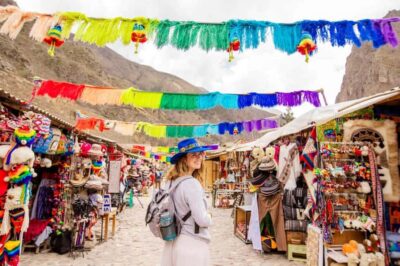
Sacred Valley, Pisac, Ollantaytambo, Salt Mines Moray
Read our review →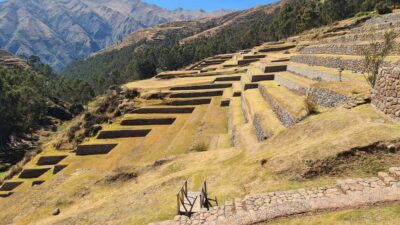

2-Day Trip to the Sacred Valley and Machu Picchu
Read our review →
Sacred Valley Pisaq,Ollantaytambo,Chinchero with Lunch
Read our review →
Full-Day Excursion to Sacred Valley, Pisac and Ollantaytambo from Cusco
Read our review →
Food and Culture Full day Tour in the Sacred Valley
Read our review →Browse the lists this tour appears in