
Reviewed · NAZCA TOURS
Nazca: Overflight of the Nazca Lines
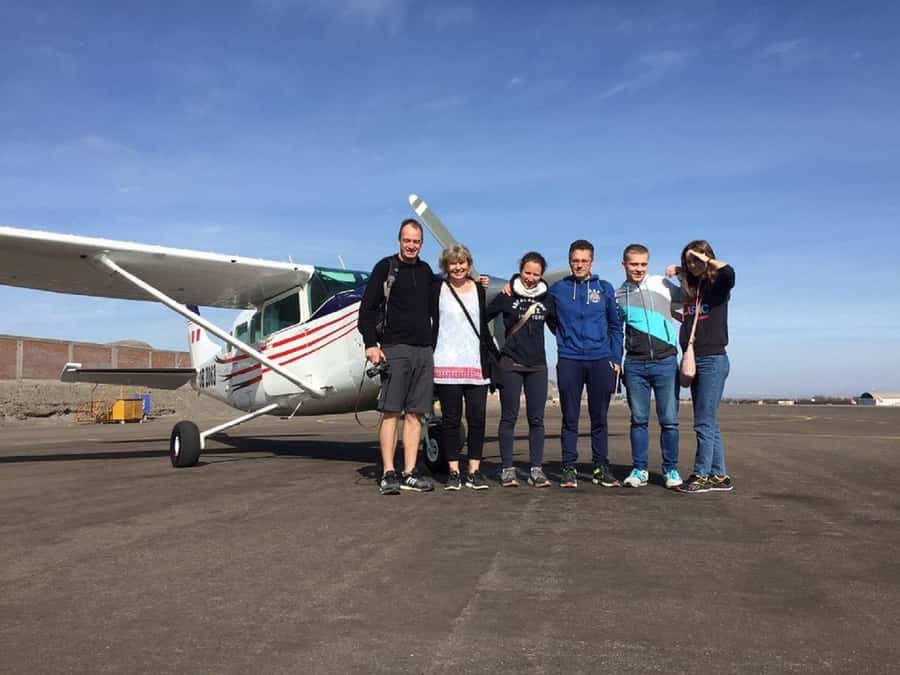
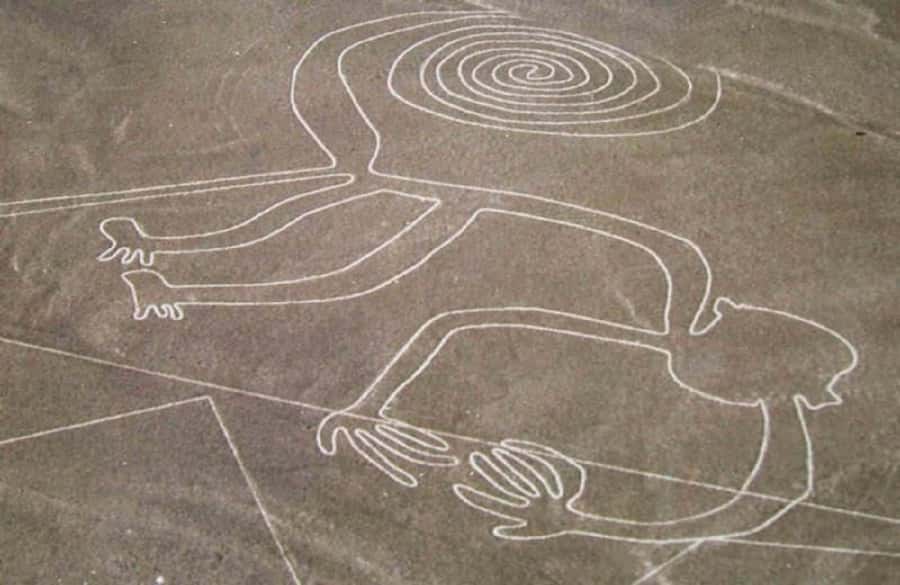
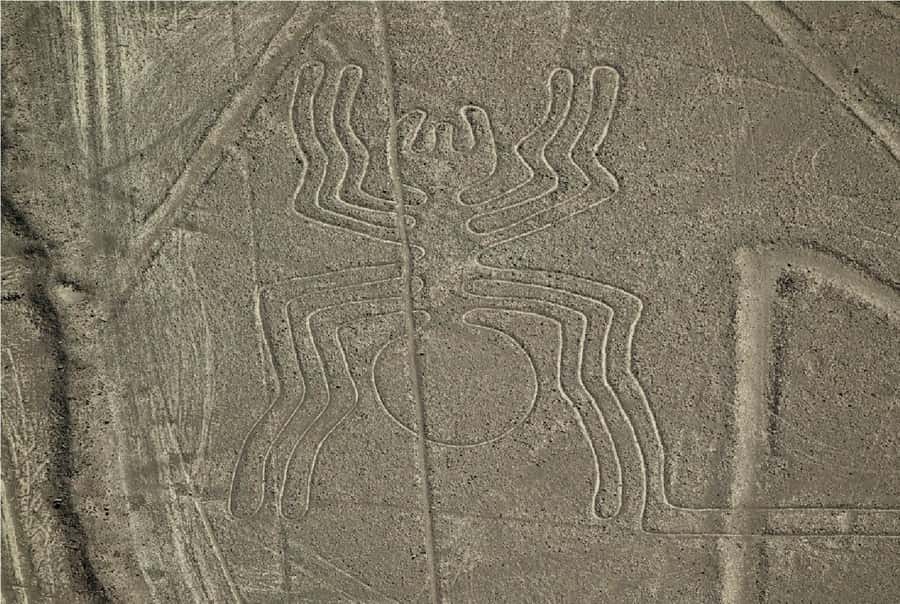
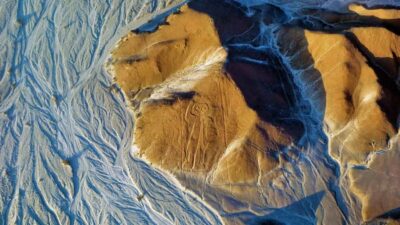
The Nazca Lines are easiest to understand from the air. From the desert floor, many look like scratches. From a small plane, they become a whale, monkey, hummingbird, spider, and giant geometric shapes laid across one of the driest places on Earth. I like the clear aerial view for every passenger and the fact that the trip begins and ends at your Nazca hotel or bus station. The staff are described as professional, prepared, reliable, and safety-minded.
I also like the short format. The flight itself lasts about 35 minutes, so you can fit it into a Nazca stop without giving up a full day. The main caution is motion sickness. You may spend much of the flight turning from side to side to find each figure, and one passenger became sick during the last five minutes despite usually handling rides well. Bring medication if you need it, and remember that airport taxes add about $25 in cash to the advertised $129 price.
Key points before you book
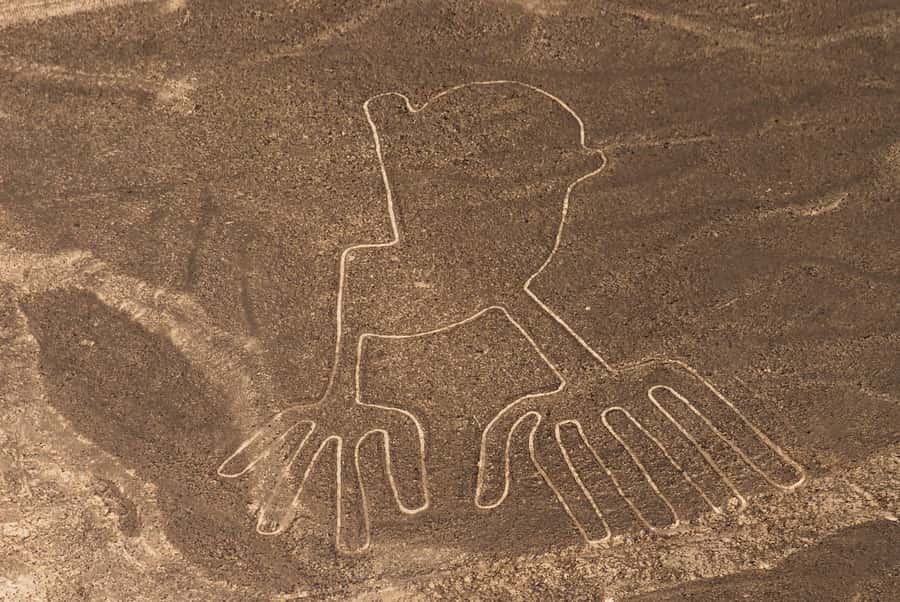
- Thirteen figures in 35 minutes: The standard flight includes the whale, dog, astronaut, monkey, condor, spider, hummingbird, tree, hands, and other major geoglyphs.
- Twenty-one figures in one hour: The longer flight adds the Palpa plains, where you can see figures such as llamas, an iguana, lizards, snakes, and more birds.
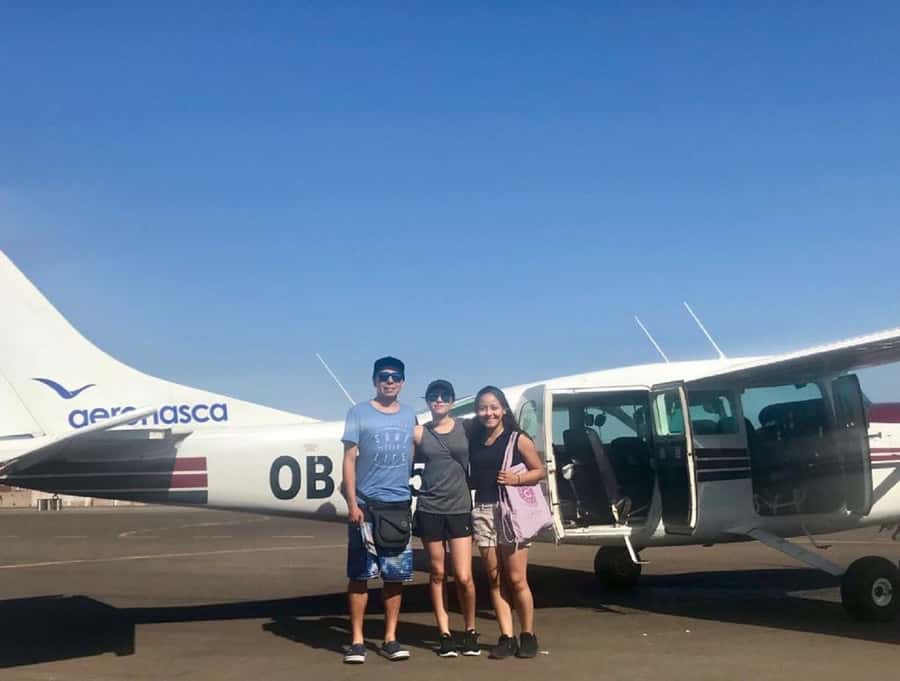
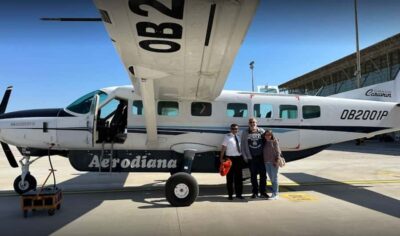
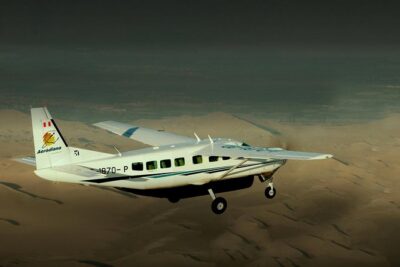
- Small aircraft with six passengers: The plane has eight seats total, including two pilots, and each passenger is promised a panoramic view.
- Plan for airport time: The safety and boarding procedure takes about 40 to 45 minutes before takeoff.
- Budget for the real cost: The flight is $129 per person, plus an air tax of about S/. 77, or $25, paid in cash before boarding.
- Prepare for a busy airport routine: Flights run from 9:00 a.m. to 4:00 p.m., in arrival order, and weather can change the schedule.
Why the Nazca Lines need an airplane
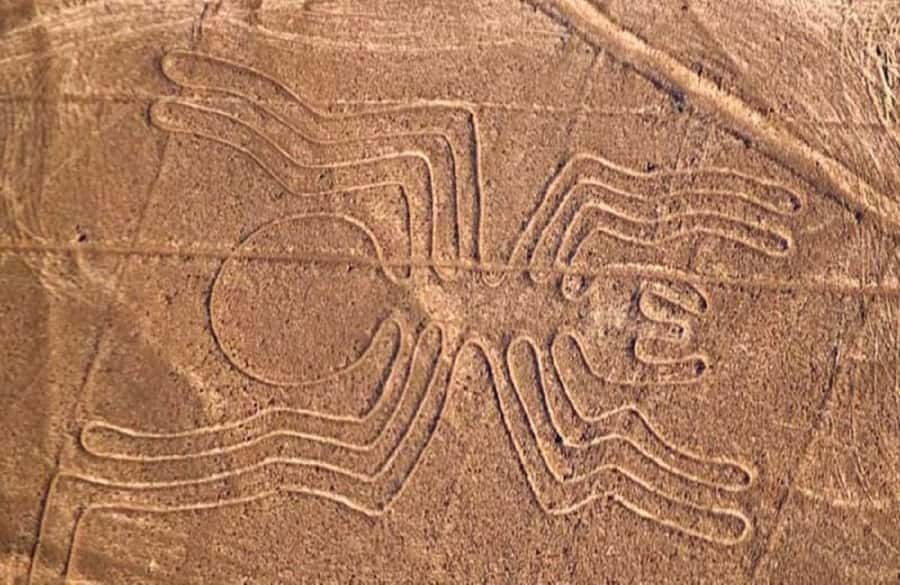
The Nazca Lines are huge drawings cut into the desert plains between Nazca and Palpa. Ancient workers removed the dark surface stones to expose lighter ground below, creating long lines and broad shapes that are difficult to read from ground level. The dryness of the region helped preserve them for centuries.
The first written reference dates to 1547, but Peruvian archaeologist Toribio Mejía Xesspe identified and studied the lines in 1927. Maria Reiche, a German archaeologist, spent much of her life researching and protecting them after 1946. Her idea was that the lines formed a large solar and lunar calendar used by ancient astronomers.
That explanation is only one theory. The purpose of the drawings remains uncertain. Some ideas connect them to religious ceremonies, water, astronomy, or gods imagined to view the earth from above. Other theories have taken a more fantastic turn, including claims about visitors from space. A good guide should separate what is known from what is guessed, and this tour gives you background on the Nazca culture without pretending that the mystery has been solved.
The Nazca culture developed between the first and seventh centuries AD. Its people were skilled in painted ceramics, textiles, and metalwork. They also built aqueducts that helped bring water to farmland in a very dry region. Their ceremonial center at Cahuachi lies in the Nazca River valley, adding useful context to the drawings. The lines were not made by an isolated desert people with no practical skills. They were part of a society that organized labor, managed water, and produced refined art.
more nazca lines flights
- From Nazca: 35-Minute Flight Over Nazca Lines
★ 4.6 · 583 reviews - Lima: Ballestas & Huacachina Day Trip w/ Nazca Lines Flight
★ 4.9 · 117 reviews - Private Tour to the Astonished Nazca Lines and Huacachina Oasis
★ 5.0 · 84 reviews
From your hotel to Maria Reiche Aerodrome
The experience starts with pickup in central Nazca. You can be collected from a hotel or the bus terminal, then ride about 12 minutes by shared vehicle to Maria Reiche Aerodrome. After the flight, the same general arrangement takes you back to a central hotel or bus station, with the return ride listed at about 10 minutes.
This transfer is especially useful if you arrive in Nazca by long-distance bus. You do not need to find the aerodrome on your own, and you can keep your luggage plans simple. The included service covers central Nazca only. If your hotel sits outside downtown, you need to arrange and pay for that extra transfer separately.
At the aerodrome, expect paperwork, a documentary about the Nazca Lines, and a safety briefing before boarding. The procedure takes roughly 40 to 45 minutes. That may feel long beside a 35-minute flight, but it is important when planning a bus connection. Do not schedule your onward departure too tightly.
Flights operate between 9:00 a.m. and 4:00 p.m. The order of arrival matters, and weather can affect the schedule. After booking, the operator contacts you with the flight time. Keep some flexibility in your day, particularly if you are using Nazca as a quick stop between bus journeys.
Inside the six-passenger plane
The aircraft carries eight people: two pilots and six passengers. That small size helps keep the view open for everyone. Each passenger is promised a panoramic view, which matters here because the pilot turns the plane so both sides can see the figures.
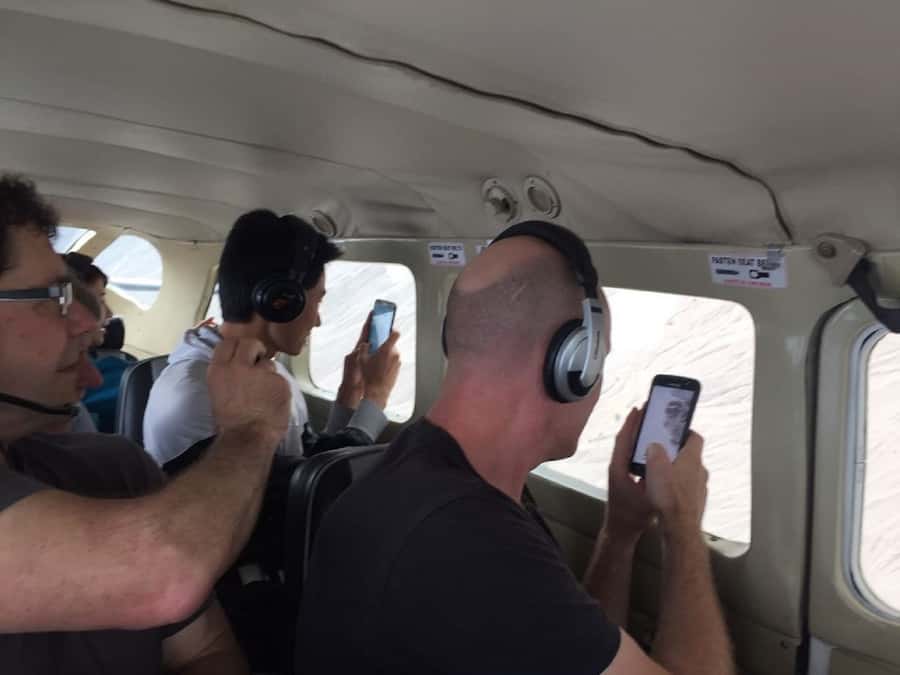
The same setup also creates the main physical challenge. You will likely look down, then turn across the cabin, then look down again as the plane banks toward the next drawing. The figures are spread across a wide area, so the flight is not a quiet, straight ride over one spot.
Take motion sickness seriously. One passenger who normally has no problem with transport became sick after taking photos and concentrating on the scenery, with only about five minutes left. I would bring an approved motion sickness remedy if you are prone to nausea, avoid a heavy meal immediately before the flight, and spend less time looking through a camera if your stomach starts to turn. The supplied advice specifically recommends considering motion sickness medication.
A hat and sunscreen are useful before and after the flight. Bring your passport and cash. Your passport is listed among the required items, and the air tax must be paid in cash before boarding.
The 35-minute route and its 13 famous figures
The regular flight lasts about 35 minutes and passes over 13 major figures. The exact sequence may vary, but the listed geoglyphs include:
- The whale
- Trapezoids
- The dog
- The astronaut
- The monkey
- The condor
- The compass
- The spider
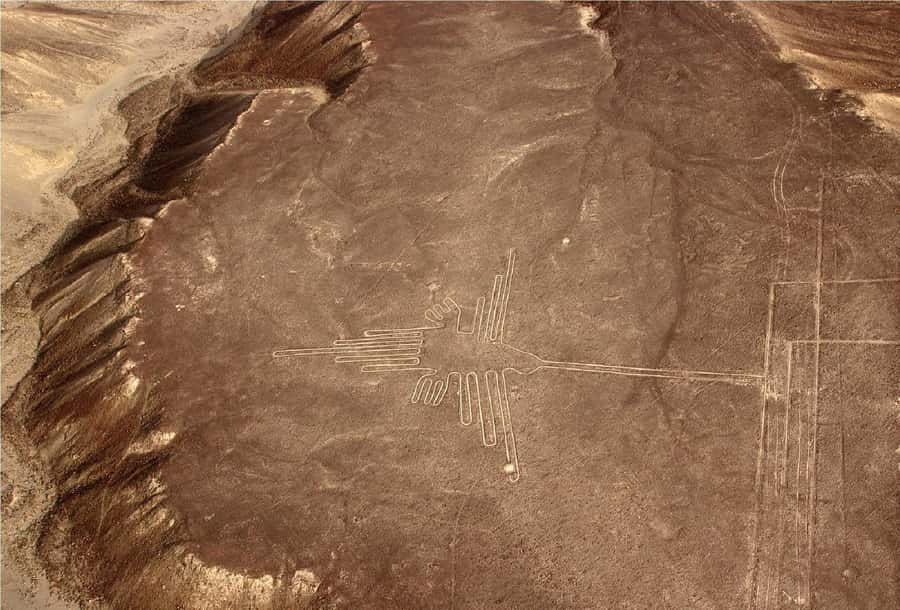
- The hummingbird
- The parrot
- The tree
- The hands
- The albatross
The fun is in finding each one. The guide explains what you are seeing, but you should also study the map provided with your flight certificate. The figures can be hard to identify at first, especially when sunlight, shadows, and the angle of the plane change their appearance.
The monkey and hummingbird are among the easiest shapes to appreciate because their outlines are more recognizable. The trapezoids and compass are different: they show the scale and geometric side of the site rather than an animal portrait. The astronaut, with its unusual human shape, is one of the most talked-about figures and naturally feeds the more imaginative theories about the lines.
The flight is short, but it does not feel empty. You spend part of the time listening to explanations, part of it locating the next figure, and part of it trying to take pictures through the window. A 35-minute flight is the sensible choice if you have limited time in Nazca or mainly want to see the best-known drawings.
Somewhere else entirely, still within reach of Nazca:
- From Lima: Ballestas, Nazca Lines & Huacachina Oasis
★ 4.5 · 82 reviews - Nazca Lines & Ballestas Islands Private Tour Bus&Flight from Lima
★ 4.0 · 77 reviews - From Lima: Nazca Lines and Ica Desert Day Trip
★ 4.7 · 65 reviews - 10-Day Taste Peru Experience: Lima, Nasca, Cusco & Machu Picchu
★ 5.0 · 63 reviews
The one-hour flight over Nazca and Palpa
The one-hour option includes the same first 13 figures, then continues over the Palpa plains. At least four people are needed for this longer flight to operate, so it is less flexible than the standard option.
The extra route adds figures such as the heron, crane, pelican, seagull, another parrot, snail, llamas, iguana, lizard, snakes, and several birds. This gives you a wider picture of the ancient drawing tradition rather than only the most famous Nazca examples.
I would choose the longer flight if you have a strong interest in archaeology, aerial photography, or the full Nazca and Palpa area. It costs more in time and may increase the chance of motion sickness simply because you remain in the air longer. If you are unsure how you handle small-plane turns, the 35-minute route is the safer first choice.
The one-hour flight also needs a minimum of four people. Ask about availability before building your day around it. The standard 30 or 35-minute option has its own group rule: from 1:00 p.m. onward, at least two people are required to start the flight.
What the guide adds to the view
A flight without context would be a hunt for shapes. The guide helps connect the figures to the Nazca culture, Cahuachi, ancient farming, aqueducts, and the different explanations for the lines. English and Spanish assistance is available, and the activity is led in those languages.
No individual guide is named in the available details, so you should not book expecting a particular person. The practical advantage is the small group, limited to six participants, which should make it easier to hear the explanations and ask for help identifying a shape.
Language is worth considering. One French-speaking passenger enjoyed the experience but wanted a French guide. If you need explanations in a language other than English or Spanish, confirm what can be provided before booking. If your English or Spanish is limited, do some reading first and use the map to help identify the figures. Basic preparation can make the flight much more rewarding.
The staff have been praised for being professional, prepared, reliable, and safe. At the same time, the airport process can feel hectic or disorganized. I would expect an efficient aviation routine rather than a slow, polished museum visit. Keep your documents ready, listen for instructions, and allow time for the queue.
The real cost of the $129 flight
The advertised price is $129 per person. Add the air tax of about S/. 77, or $25, paid in cash before boarding. That brings the practical total to about $154 per person, before any extra transport from a hotel outside central Nazca.
For that price, you receive shared round-trip transfers from central Nazca, the flight, a documentary, English or Spanish assistance, a flight certificate, and a map of the lines. The certificate and map are small items, but the map has real value during the flight because it helps you match the guide’s explanation to the shapes below.
The cost is reasonable if seeing the lines from above is a priority. There is no comparable ground-level view of the complete figures. You are paying not only for transport and a short flight, but also for access to an archaeological site whose scale only makes sense from the air.
The value is weaker if your schedule is extremely tight or you dislike small planes. The airport procedure takes longer than the flight, and the weather or arrival order can shift your plans. I would treat the overflight as the main activity for your Nazca stop, not as a quick extra squeezed between two fixed departures.
Passengers above 209 pounds, or 95 kilos, pay 50 percent more. Above 253 pounds, or 115 kilos, an additional seat is required. Tell the operator your weight when booking so there are no surprises at the aerodrome.
Getting the most from the flight
Read about the main figures before you go. You will have more fun spotting a monkey or hummingbird when you already know its general shape. The documentary and guide fill in the wider story, but a little preparation helps you use the limited viewing time.
Bring your passport, sunscreen, hat, and cash. Keep the cash separate and easy to reach for the airport tax. Your passport is a required item, not just a useful backup.
Use the provided map. The figures may look obvious in photographs, but they can be surprisingly difficult to locate from a moving aircraft. Listen for the guide’s directions, then look for the broader lines around the main shape.
Limit photography if you feel unwell. The desire to record every figure is understandable, but motion sickness can arrive late. Look out the window with your head steady, and take only a few pictures when you have found a clear view.
Do not promise yourself an exact departure time until the operator confirms it. Flights run during daylight hours, but schedules are subject to weather and the order of arrival. This is one of those activities where a relaxed timetable makes the experience easier.
Who should book this overflight?
I recommend it to anyone who wants to understand why the Nazca Lines are famous and has at least a half-day available in Nazca. It suits people interested in archaeology, ancient engineering, photography, and unusual views of Peru. The small plane and guaranteed panoramic position make the sight far more meaningful than a roadside stop.
It is also a good fit for an overnight bus itinerary, since central pickup and drop-off reduce the need for extra transport. The 35-minute flight gives you the essential figures without committing to the longer route.
I would think twice if you are highly prone to motion sickness, need a strict connection immediately after the activity, or require a guide in a language other than English or Spanish. The flight can also feel hectic around the aerodrome, so you should be comfortable with a practical, shared-tour setup.
Should you book it?
Book this tour if seeing the Nazca Lines from the air is one of your Peru priorities. The flight is short, the main figures are remarkable, and the small aircraft gives every passenger a useful view. The cultural background, map, and certificate add substance to what could otherwise be a quick sightseeing flight.
Choose the 35-minute route for the essential experience and a tighter schedule. Pick the one-hour Nazca and Palpa route if you want more figures and have at least four people confirmed. Either way, budget the extra $25 tax, carry cash, prepare for motion sickness, and leave room for weather delays. Those details matter more here than fancy extras.
FAQ
Where does the Nazca Lines overflight take place?
The flight departs from Maria Reiche Aerodrome in the Ica Region of Peru and passes over the desert plains between Nazca and Palpa.
How long does the activity last?
The flight options last about 35 minutes or one hour. The full activity also includes transfers, airport procedures, and a safety briefing. The preflight procedure takes about 40 to 45 minutes.
What does the 35-minute flight include?
It passes over 13 figures, including the whale, dog, astronaut, monkey, condor, spider, hummingbird, parrot, tree, hands, albatross, compass, and trapezoids.
What does the one-hour flight include?
It includes the first 13 figures and then continues over the Palpa plains to see additional figures such as the heron, crane, pelican, seagull, snail, llamas, iguana, lizard, snakes, and several birds.
How many passengers are in the plane?
The aircraft has eight seats total: two pilots and six passengers. Each passenger is provided with a panoramic view.
Is the air tax included in the price?
No. The air tax is about S/. 77, or $25, per person. You pay it in cash before boarding.
Where are the transfers provided?
Shared round-trip transfers are included from the bus station or hotels in central Nazca. Transfers from hotels outside downtown are not included.
What languages are available?
The live guide and assistance are available in English and Spanish.
What should I bring?
Bring your passport, sunscreen, a hat, and cash. The cash is needed for the air tax, and the passport is listed as required for the activity.
Recently added around Nazca
- From Lima: Nazca Lines Flight with Huacachina Oasis Tour★ 5.0 · 3 reviews
- From Ica or Huacachina: Flight Tour Nazca Lines | Overflight★ 4.3 · 3 reviews
- Nazca: Chauchilla Cemetery Archaeological Tour★ 5.0 · 3 reviews
- From Nazca: Cahuachi Pyramids Private Tour★ 4.3 · 3 reviews
- Lima and Nasca : Ballestas -Huacachina-Nasca Lines★ 4.5 · 4 reviews
- From Lima 2 days 1 night, Ballestas,Huacachina & Nazca lines★ 3.0 · 4 reviews
- Nazca: Light aircraft flight over the Nazca Lines★ 3.7 · 4 reviews
- Nasca: Ocongalla Aqueduct Sandboarding in the Usaka desert★ 4.4 · 4 reviews
Nazca Tours, compared.
Ballestas & Huacachina Day Trip w/ Nazca Lines Flight
Read our review →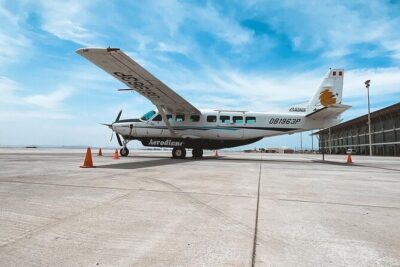
Private Tour to the Astonished Nazca Lines and Huacachina Oasis
Read our review →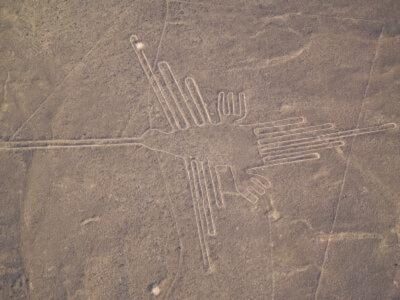
Nazca Lines & Ballestas Islands Private Tour Bus&Flight from Lima
Read our review →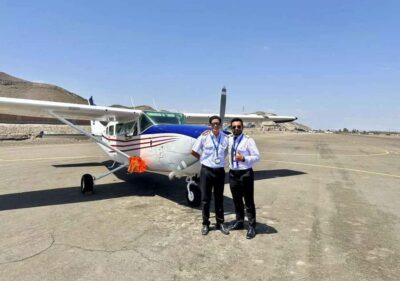
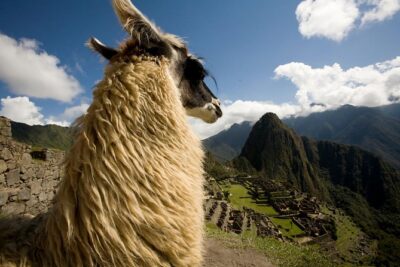
10-Day Taste Peru Experience: Lima, Nasca, Cusco & Machu Picchu
Read our review →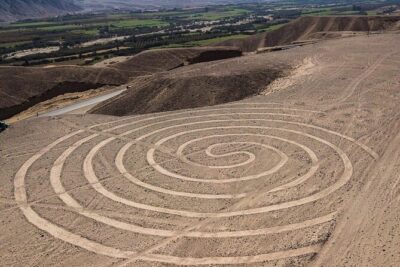
The Nazca Lines & Huacachina Oasis from Lima – Private Trip
Read our review →Browse the lists this tour appears in