
Reviewed · AMAZON JUNGLE TOURS
Iquitos: Full Day Tour in the Jungle | Amazon Safari
The best part of this Iquitos Amazon tour is the river ride itself. From the Bella Vista Nanay pier, you follow the meeting point of the Nanay and Amazon rivers, watching the water widen beneath thick jungle. Along the way, the boat crew looks for pink and gray dolphins, though sightings are never guaranteed.
I like the chance to meet the Kukama community, where local traditions, plant use, stories, and dance are part of the visit. I also like the mix of stops: monkeys, rescued wildlife, Amazonian drinks, and a buffet lunch at a jungle lodge. The main concern is pace and depth. Some departures use a large boat with about 50 people, and the guides may give only brief explanations at certain stops.
Key points to know before booking
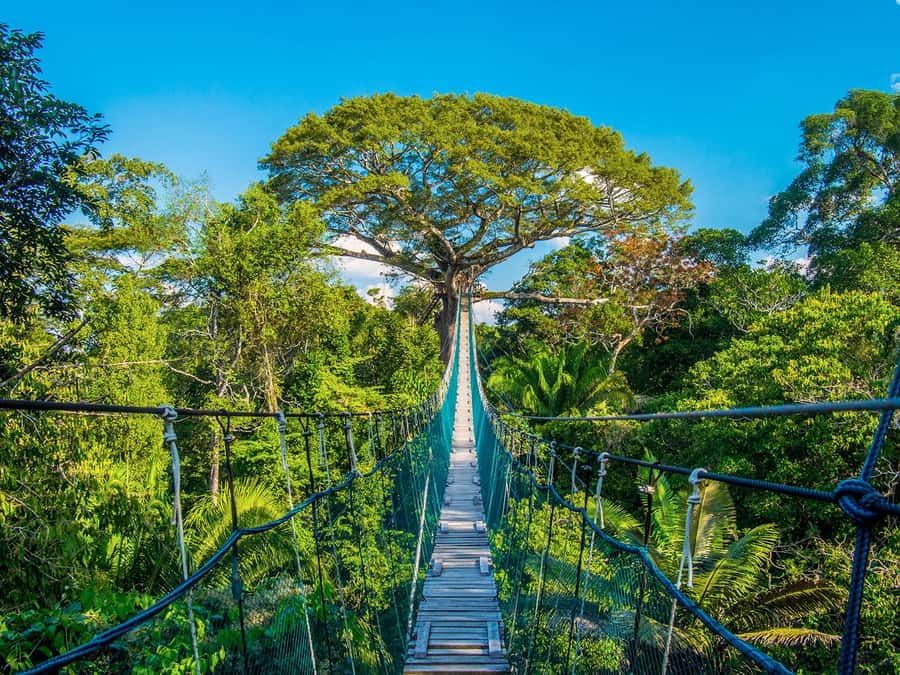
- The Amazon River ride is the main event: You will spend much of the day on a traditional boat, with views of the Nanay and Amazon confluence.
- Dolphins are a possible sighting, not a promise: The tour looks for both gray and pink river dolphins during the boat ride.
- The Kukama visit receives the strongest praise: Dance, oral traditions, plant medicine, and community life are central to this stop.
- Monkey Island can be unpredictable: The number of animals present may be small, and feeding fruit may be part of the visit.
- Fundo Rony is a care center, not a safari: Animals are kept in cages while receiving care before possible release.
- The day ends earlier than some people expect: After lunch and a short rest at the lodge, the boat returns to Iquitos rather than taking you on a long afternoon walk.
From Bella Vista Nanay to the meeting of two rivers
Your day starts with pickup in Iquitos, either from your hotel or the airport, followed by a roughly 15 minute transfer to the tourist pier at Bella Vista Nanay. Confirm the meeting time by WhatsApp or email the day before. That message is useful, since the exact organization of a river day can depend on boat arrangements and water conditions.
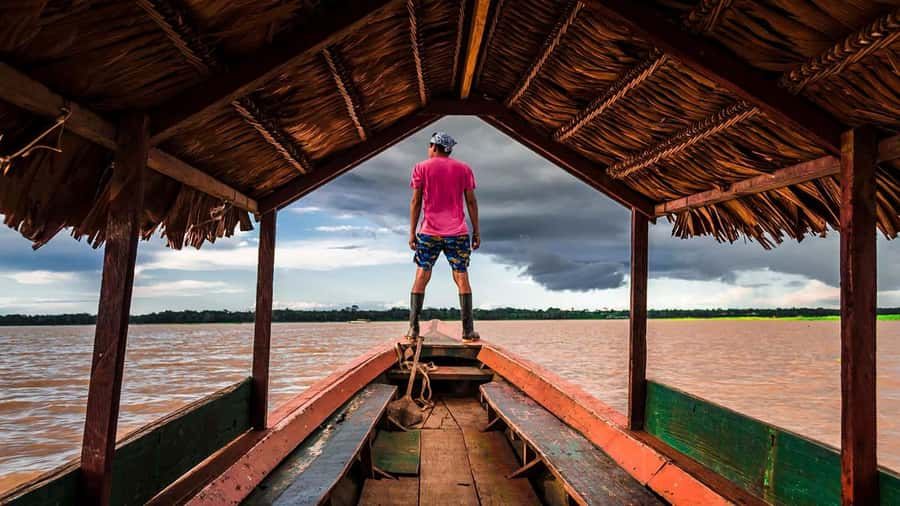
The boat is described as traditional, comfortable, and safe, but comfort depends on the departure and your seat. One reported trip used wooden benches without padding, and the group changed boats twice. Another departure carried around 50 people, which made the ride feel tight and slowed movement at stops.
I would treat the boat as part of the adventure, not as a polished cruise vessel. Bring a hat, sunglasses, sunscreen, and water. A long-sleeved shirt and long pants help with sun and insects. Insect repellent belongs in your day bag, not buried in your luggage.
The route begins along the Amazon River, with the jungle opening on both banks. The meeting of the Nanay and Amazon rivers is one of the clearest geographic moments of the day. You can see how two waterways come together and how quickly the surroundings shift from city edge to open river and forest.
This is also the point to set realistic expectations. The tour gives you a broad introduction to the Amazon near Iquitos. It does not provide the long, quiet wildlife searches or extended forest walks associated with a multiday jungle stay.
More Jungle Tours in Iquitos
- 3-Day All Inclusive Guided Jungle Tour from Iquitos at Maniti Eco-Lodge
★ 4.5 · 74 reviews - 2-Day All Inclusive Guided Jungle Tour from Iquitos at Maniti Eco-Lodge
★ 4.5 · 62 reviews - 3-Day Iquitos Amazon Jungle Adventure at Heliconia Lodge
★ 4.5 · 54 reviews
Looking for pink and gray river dolphins
Dolphin watching takes place from the boat during the river journey. The guide and boat crew look for both gray and pink dolphins, which may appear briefly before slipping below the surface. The ride offers the best chance to see them because you cover several stretches of river rather than waiting in one place.
The boat journey and dolphin sightings are among the most consistently praised parts of the day. That makes sense. Even without a close encounter, the wide river, shifting current, and jungle banks give the morning a strong sense of place.
Still, do not book this as a guaranteed wildlife show. Dolphins are free animals, and visibility changes with weather, water movement, and timing. Keep your camera ready, but also watch the river without staring through a screen. A quick glimpse may be all you get.
A practical tip: ask the guide how long the group will spend looking before moving on. The written plan includes several stops, and long waits for dolphins can reduce time elsewhere. A good guide will explain the tradeoff clearly.
Meeting the Kukama community
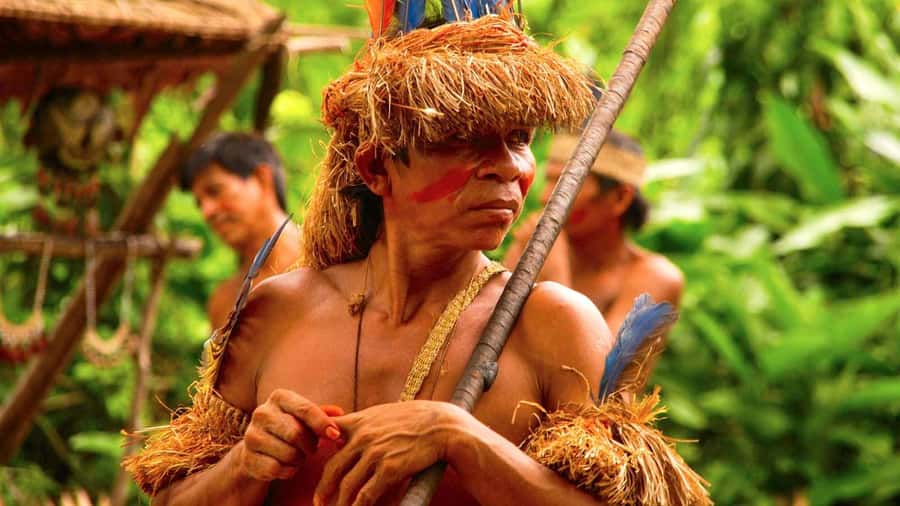
The Kukama visit is the cultural center of the tour. The community is presented as a guardian of local biodiversity, with plant knowledge and natural medicine used to live in a demanding river environment. You will hear stories and myths passed down through oral tradition, learn about the community’s relationship with nature, and join a dance.
This stop can be meaningful when the explanation goes beyond a short performance. Ask about Kukama origins, daily life, local plants, and how the community uses the river. The quality of the visit depends heavily on how much context your guide provides and how the interaction is organized.
Some departures have offered only a brief account of Kukama customs and history. You may also see children taking part in the presentation or selling items. If that makes you uncomfortable, ask your guide how the visit supports the community and how photographs should be handled.
I would approach the stop with respect rather than treating it as a quick photo opportunity. Listen first. Ask before photographing people. Buy something only if you genuinely want it, and do not assume that dancing with the community tells you everything about Kukama life.
For many people, this is the most memorable stop because it connects the river to the people who live beside it. The monkeys and rescue center give you animals to look at. The Kukama visit gives you a chance to think about how culture and the forest fit together.
Monkey Island at Neyser
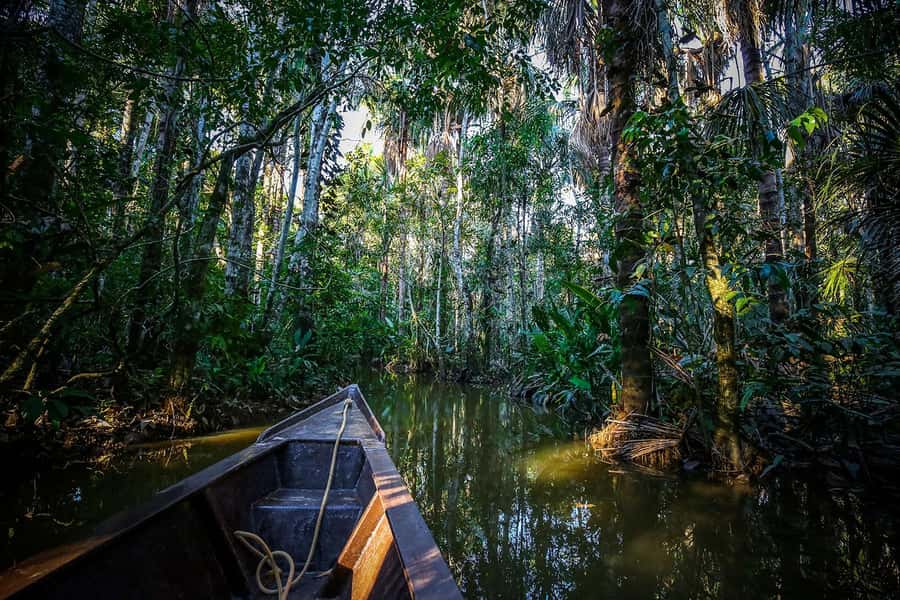
After continuing along the Amazon, the boat enters a smaller creek toward Monkey Island, also identified as Neyser. The plan is to see several monkey species in a more natural setting, feed them, play with them, and take photographs.
This sounds like a major wildlife stop, but keep expectations modest. One departure saw only three monkeys, while another saw a few small monkeys and an anteater. Animal activity can vary, but the stop also appears to rely on feeding fruit, so it is worth asking what the site does for animal welfare and conservation.
The phrase natural habitat needs careful reading here. You are not walking alone through untouched forest in search of wild monkeys. You are visiting a managed location where animals may approach people. That can make close photos easy, but it does not offer the same feeling as spotting a monkey high in the trees without human contact.
Use this stop to learn the names and habits of the species you see. If the guide gives little information, ask direct questions: Are these animals rescued? Which ones can return to the forest? What food is appropriate? How does the site protect them?
The visit will suit families and anyone who enjoys close animal encounters. If your priority is undisturbed wildlife, you may find this stop less satisfying than the river ride or the Kukama community visit.
more amazon lodges and jungle days
- From Iquitos: 3-Day Amazon Jungle Adventure Trip
★ 4.7 · 50 reviews - Amazon Rescue Center – Manatees Conservation Center Admission Ticket
★ 4.5 · 49 reviews - Monkey Island,Amazon River & Native Aquatic Species – All tickets
★ 5.0 · 44 reviews - From Iquitos: Full day tour in the Peruvian jungle
★ 4.4 · 25 reviews
Fundo Rony and the limits of a rescue center
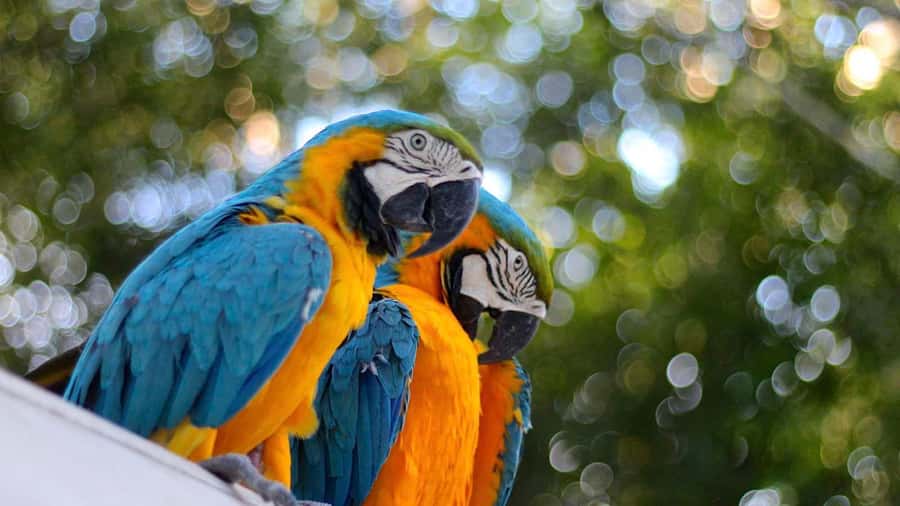
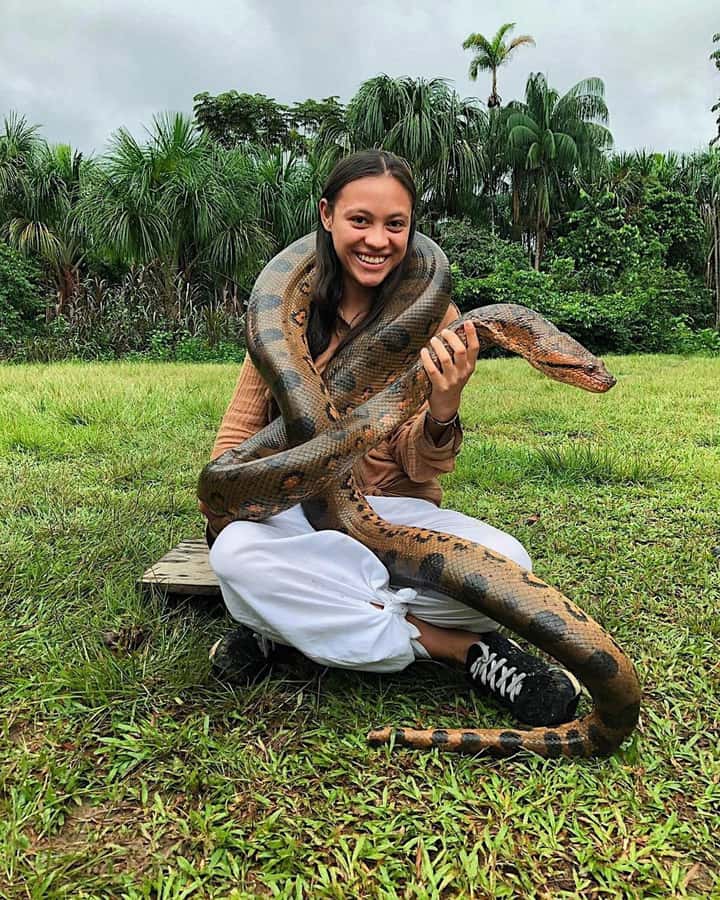
The Wildlife Rescue Center, called Fundo Rony, houses sloths, monkeys, macaws, toucans, boa constrictors, and turtles. The animals are kept in cages because they are receiving care before possible release into the wild.
That last point matters. This is not a zoo visit and not a place where every animal is guaranteed to return to the forest. The tour presents the center as a way to learn respect for Amazon wildlife, but the exact rescue stories and release plans may not be explained in detail.
Ask the guide where each animal came from and what rehabilitation involves. You can also ask how the center decides if an animal is ready for release. Those questions turn a quick viewing stop into a more useful lesson.
Conditions may change with the river. During one visit, flooding meant there was little to see at the rescue site. If high water affects access, the schedule may shift toward other activities, including a presentation or sale connected with local medicine.
This is one of the less predictable parts of the day. You may see a useful range of Amazon species, or you may find the animals difficult to view. Either way, remember that cages here indicate care and rehabilitation, not a permanent attraction.
Amazonian trapiche and local drinks
The Amazonian trapiche introduces traditional macerated drinks, including camu camu, seven roots, and ginger. The tasting gives you a quick introduction to local ingredients and the way plant products are linked to health and daily life.
Camu camu is associated with vitamin C. Ginger is commonly used for digestive discomfort and nausea. Seven roots is presented as a drink connected with vitality and medicinal tradition. Treat these claims as cultural and traditional information, not as medical advice.
This stop has drawn strong praise for its presentation. It can be the most informative part of the day when the guide or host explains the plants, preparation, and customary use rather than simply offering samples for sale.
The tasting may also feel commercial. One departure found that the medicine presentation took the place of a more useful rescue-center visit. You can enjoy the flavors without feeling obliged to buy anything, and you should ask about ingredients if you have allergies or dietary concerns.
Lunch at the jungle lodge
The boat continues to a lodge for a buffet lunch based on typical jungle cuisine. Vegetarian food is available if you request it in advance. The package includes meals at the camp, but drinks at the bar, including soft drinks and beer, cost extra.
Lunch is more than a meal here. It gives you a break from the boat, a chance to use facilities, and time to sit in a jungle setting before the return ride. The food has been described as acceptable rather than a major highlight.
Allow for a slow meal. One person felt that too much of the day was lost at lunch. If you are hoping for more wildlife or a forest walk, a long lunch can make the schedule feel short.
After eating, you have time to relax, look around the camp, or use the pool. The available plan does not include a substantial afternoon walk. One departure returned to Iquitos after lunch, which surprised someone expecting more time on foot.
That is an important booking decision. This is an eight-hour river and lodge outing, not eight hours of active jungle hiking.
What the $89 price really covers
At $89 per person, the tour offers a fairly broad bundle: hotel or airport pickup, the transfer to Bella Vista Nanay, boat transport, guided excursions, lunch, and time at the lodge. For a first look at the Amazon near Iquitos, that can be useful value.
You are mainly paying for transport, coordination, food, and access to several sites in one day. The price does not buy a private boat, a small group, or a specialist wildlife expedition. Personal snacks, bottled water, bar drinks, flights, and a transfer back to the airport are not included.
The value rises if you want variety and have only one day. You can see river scenery, look for dolphins, meet the Kukama community, visit animal facilities, taste local drinks, and eat jungle food without arranging each piece yourself.
The value falls if you want detailed guiding or long periods in the forest. Some departures have had sparse explanations, few monkeys, a disappointing rescue-center visit, or repeated boat changes. The tour provider, izi Peru, offers guides in Spanish and English, and the individual guide matters. Alan received especially warm praise for his effort and ability to make the experience memorable.
Ask at the start who your guide is and request explanations at every stop. A good guide can add meaning to a basic schedule. Without that interpretation, the day may feel like a series of quick visits connected by boat rides.
Who should book this Amazon day tour?
I would recommend it to first-time visitors with one free day in Iquitos who want a broad sampler rather than a demanding jungle program. Families may like the simple mix of dolphins, monkeys, rescued animals, drinks, lunch, and a pool break.
It also suits you if the boat ride is your main interest. The river views and the meeting of the Nanay and Amazon rivers give the day its strongest sense of place.
I would hesitate if you want quiet wildlife observation, serious conservation work, or a long forest walk. You should also think twice if a large group, hard wooden seats, boat changes, or a slow lunch would frustrate you.
Wear sports clothing and bring sun and insect protection. Carry personal water and snacks. Keep your schedule flexible, since river conditions can affect the rescue center and the timing of stops. Cancellation is free up to 24 hours before departure, and you can reserve now and pay later, which helps if your Iquitos plans are still moving.
Should you book it?
Book this tour if you want an affordable introduction to the Amazon and prefer a full schedule of different activities. The river ride, dolphin search, and Kukama visit are the strongest reasons to go, with the trapiche tasting adding a local touch.
Skip it if your main goal is undisturbed wildlife or a real jungle walk. For that, you would likely need a longer program. For one day, though, this outing can work well, as long as you see Monkey Island and the rescue center as short, changeable visits rather than guaranteed animal encounters.
FAQ
How long is the Iquitos Amazon tour?
The tour lasts about eight hours, including transfers, the boat ride, visits, lunch, and the return to Iquitos.
Where does pickup take place?
Pickup is available from your hotel or the airport in Iquitos. The group then transfers to the tourist pier at Bella Vista Nanay.
Are pink dolphins guaranteed?
No. The boat looks for pink and gray dolphins during the river journey, but sightings depend on conditions and animal activity.
Is lunch included?
Yes. Lunch at the lodge is included and is served as typical jungle cuisine. A vegetarian option is available if you request it in advance.
What languages are available?
The tour provides a live guide in Spanish or English.
What should I bring?
Bring sunglasses, a sun hat, sunscreen, insect repellent, long pants, a long-sleeved shirt, sportswear, and personal water or snacks. Extra drinks at the lodge bar are not included.
More Full-Day in Iquitos
- Tarapoto: Full-Day to Laguna Azul (Blue Lake) – El Sauce
★ 3.8 · 3 reviews - Iquitos: Amazon River Tribes Full-Day Tour with Lunch
★ 3.5 · 3 reviews - Iquitos : Full Day Excursion to Monkey Island
★ 4.4 · 3 reviews - From Lima: Paracas and Huacachina Oasis Full Day Guided Tour
★ 4.7 · 1,780 reviews
Recently added around Iquitos
- Tarapoto: Full-Day to Laguna Azul (Blue Lake) – El Sauce★ 3.8 · 3 reviews
- Iquitos: Amazon River Tribes Full-Day Tour with Lunch★ 3.5 · 3 reviews
- Iquitos : Full Day Excursion to Monkey Island★ 4.4 · 3 reviews
- Iquitos: 5 Days inside the Rainforest | Amazon Jungle Tour★ 5.0 · 3 reviews
- 2-Day All Inclusive Guided Jungle Tour from Iquitos★ 4.3 · 3 reviews
- Iquitos: Piranha Fishing Experience in the Amazon jungle★ 4.7 · 4 reviews
- Iquitos: Amazon Jungle in 3 Days: Adventure and Culture★ 4.8 · 4 reviews
- Iquitos: Amazon Jungle in 2 Days: Adventure and Expedition★ 4.5 · 6 reviews
Amazon Jungle Tours, compared.
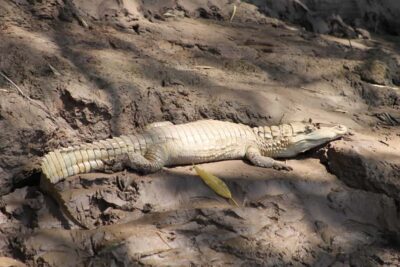
Tambopata Peruvian Amazon Jungle for Three Days/Two Nights
Read our review →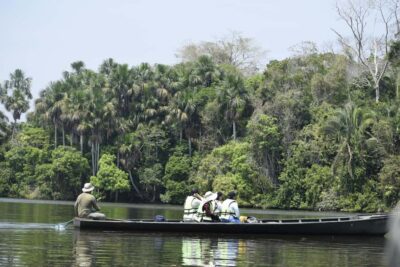
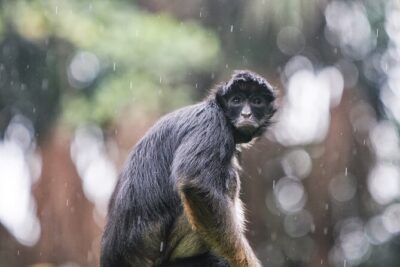
3-Day All Inclusive Guided Jungle Tour from Iquitos at Maniti Eco-Lodge
Read our review →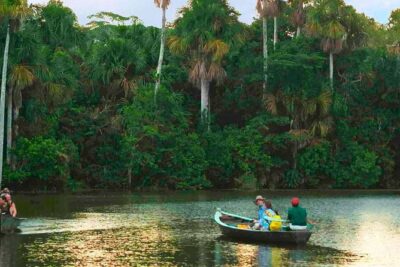
4 Day Tambopata Amazon Wildlife & Canopy Experience
Read our review →
2-Day All Inclusive Guided Jungle Tour from Iquitos at Maniti Eco-Lodge
Read our review →
4-Day Inca Jungle Adventure, Mountain Biking, Rafting and Zipline
Read our review →Browse the lists this tour appears in