
Reviewed · PERU
From Cusco: Inka Suspension Bridge Qeswachaca – Qeswachaka
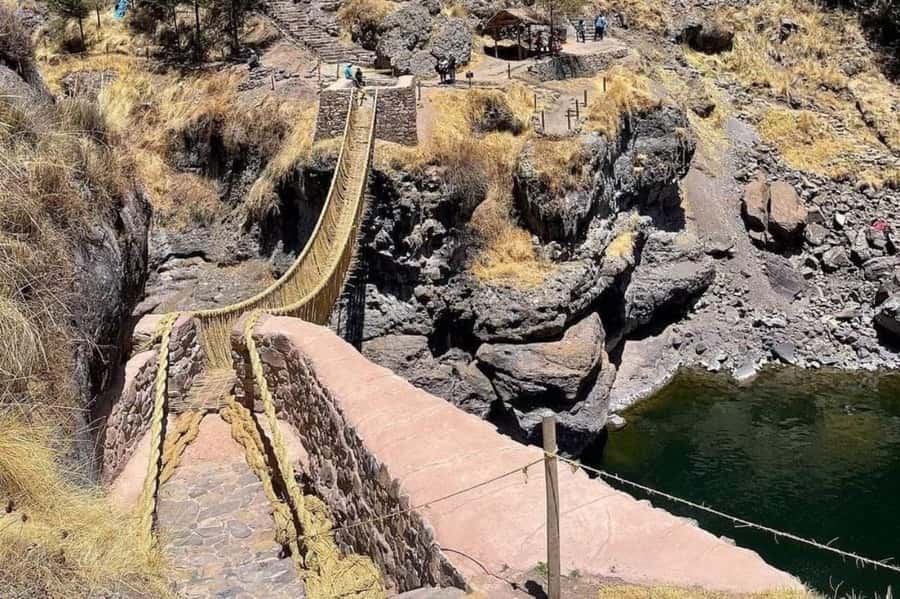
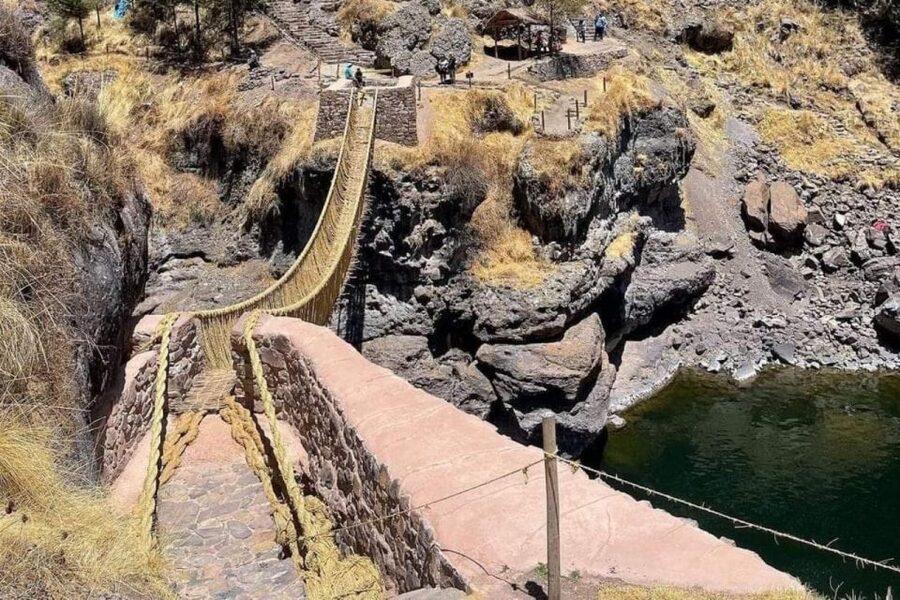
The main reason to book this day trip is the Qeswachaka Bridge, a handwoven grass crossing suspended over the Apurimac River. Built from ichu plant fiber and renewed each year by four local communities, it feels less like a museum piece and more like a living Andean tradition.
I like the quiet circuit of Pomacanchi, Acopia, Asnaqocha, and Pampamarca Lakes, and I like the final comparison with Checacupe’s colonial Inca Bridge. The scenery gives the long drive a purpose. The main catch is the timing: this is a 12-hour outing with many hours on the road, and the breakfast and lunch schedule may leave a long gap between meals.
Key points to know before booking
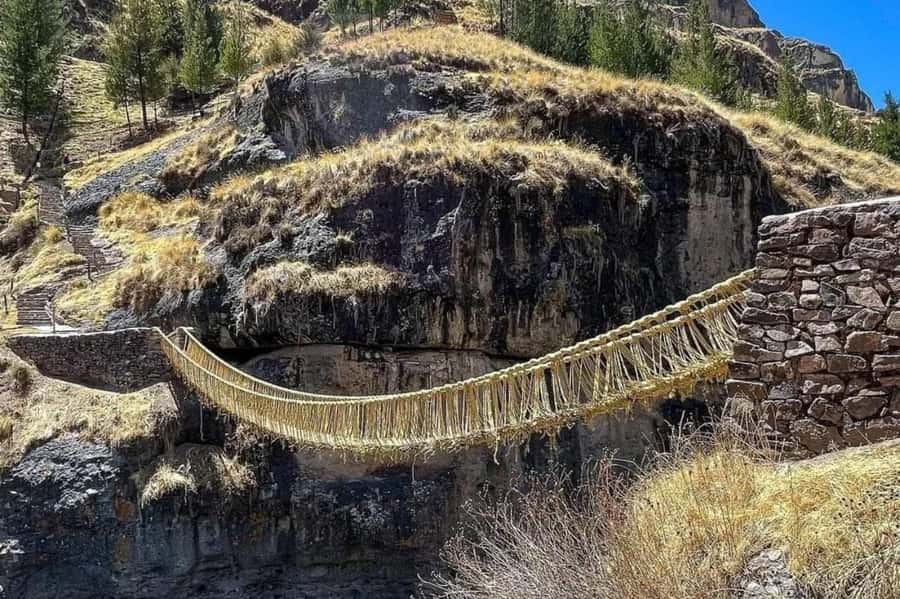
- The bridge is the star: Qeswachaka sways underfoot and crosses the Apurimac River on woven ichu fiber.
- Four lakes add calm scenery: Pomacanchi, Acopia, Asnaqocha, and Pampamarca or Tungasuca offer photo stops and a quieter side of the Cusco Region.
- The day begins before sunrise: Hotel pickup is scheduled between 4:30 and 5:10 AM, with a return near Plaza Kusipata around 5:00 PM.
- The bridge fee is extra: Budget S/20 for Qeswachaka and S/2 for the small volcano stop.
- Guide language can matter: English and Spanish tours are offered, but English explanations may be limited on some departures.
- This suits active sightseers, not wheelchair users: You walk to the bridge and cross it, and the activity is not wheelchair accessible.
Why Qeswachaka is worth the long ride
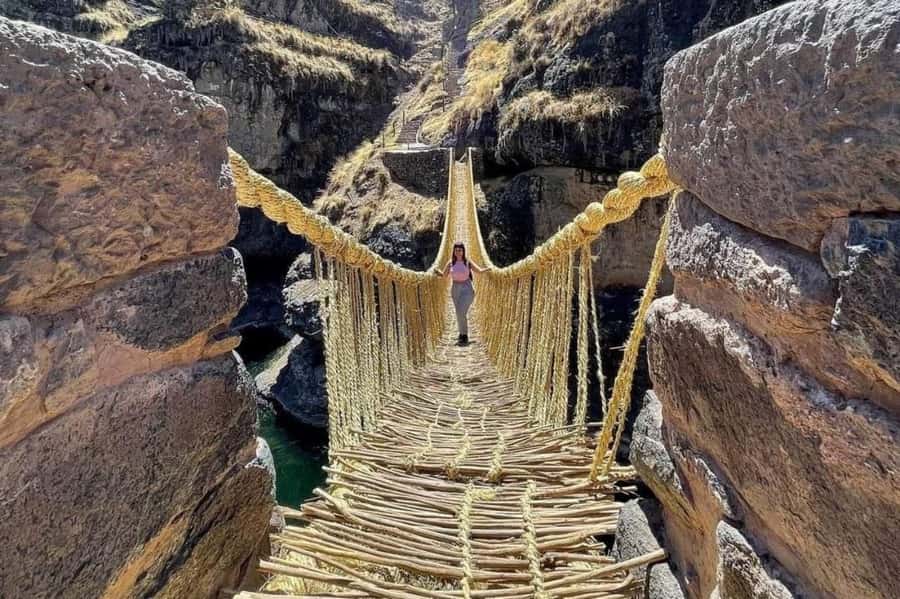
Qeswachaka is not simply an old bridge left behind by the Inca. The current crossing is rebuilt and maintained each year by people from four nearby communities. Its materials are humble: dried ichu grass, twisted and braided by hand. Yet the finished bridge spans a serious river gorge and still serves as a striking link between the two sides.
That annual work is what gives the visit its real value. You are seeing a practical tradition that remains in use, not just a replica behind glass. The bridge also shows how Andean engineering relied on shared labor, local plants, and careful maintenance rather than stone alone.
You should expect a short walk to reach the crossing. At the bridge, the guide explains how it is made and maintained before you walk across. The crossing is high and noticeably wobbly. That movement is part of the appeal, but it can unsettle anyone who dislikes heights or unstable footing.
The best view comes from above the river, where you can look down into the Apurimac valley and see the bridge’s woven structure against the surrounding hills. The bridge itself is not enormous in length, so the experience depends less on spending a long time on it and more on the feeling of stepping onto a living piece of Andean craft.
Other Peru days that pair with this one:
- Cusco: Humantay Lake Tour with Breakfast and Buffet Lunch
★ 4.9 · 2,976 reviews - From Cusco: Sacred Valley & Maras Salt Mines Tour with Lunch
★ 4.8 · 2,227 reviews - From Cusco: Moray, Maras Salt Mines & Chinchero Weavers Tour
★ 4.8 · 1,925 reviews
Leaving Cusco before dawn
Pickup takes place at your hotel between 4:30 and 5:10 AM. You should wait in the lobby at least 10 minutes before the scheduled time, and you should be ready for the possibility that the vehicle arrives early. One departure arrived about an hour ahead of the quoted time, although the group was collected at the scheduled hour after the mix-up.
The drive heads southwest from Cusco. The first major part of the day is transport, with roughly two hours before the early sightseeing and meal stops begin. That matters because the advertised 12-hour duration includes the road time, not just time at the bridge and lakes.
The transport is necessary. Qeswachaka lies well beyond the usual Cusco day-trip circuit, and getting there requires a full day. Still, you should not book this expecting a relaxed sequence of nearby attractions. The rhythm is closer to a long Andean road journey with several short stops and one main destination.
Bring water and a few snacks. Breakfast is included, as is lunch, but the timing can be uneven. On some departures, the two meals have been separated by around nine hours. That is a long stretch, especially after an early start and before the bridge visit.
Four lakes around Pomacanchi
The lake stops provide the softest part of the day. Pomacanchi is the named photo stop, with about 25 minutes set aside, while the route also takes in Acopia, Asnaqocha, and Pampamarca or Tungasuca. These bodies of water give you open views, quiet shorelines, and a break from sitting in the vehicle.
Do not expect a long lakeside walk or a detailed ecological outing. The available time is mainly for looking, taking photographs, and enjoying a peaceful pause. Conditions can change with the route, and the stops may feel brief if you prefer slow photography or extended time outdoors.
I like these pauses because they show a less familiar side of the Cusco Region. Many people come for the main archaeological sites, but the highland lakes give you a sense of the region’s scale and rural character. They also make the bridge journey feel like a wider tour of the southern Andean countryside rather than a single attraction reached by bus.
At the same time, the lakes are supporting stops, not the main reason to pay for this trip. If you would be satisfied with the bridge alone, you may see the lake circuit as filler. If you enjoy scenery and want a broader day away from Cusco, the stops add variety.
Pabellones Volcano near Yanaoca
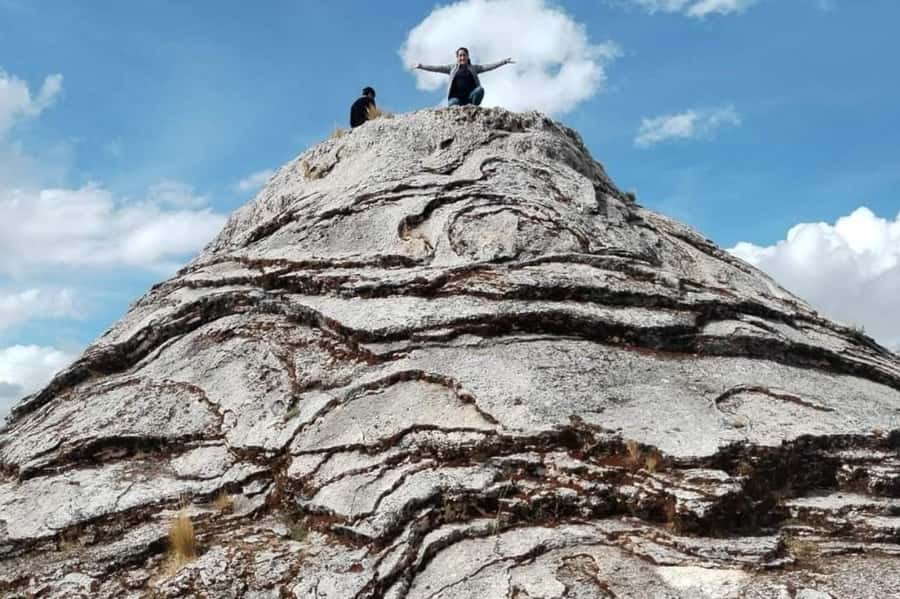
Near Yanaoca, the route pauses at the small Pabellones Volcano. It is an unusual feature, but the stop is short and modest in scale. The separate entrance costs S/2.
Keep your expectations in check. The volcano does not appear to be a major geological visit with a long walk or extensive interpretation. It is better treated as a quick roadside point of interest before the main bridge stop.
Some people will enjoy the change of texture and the chance to see another Andean formation. Others may find that it takes time away from the bridge without adding much. If you are comparing tours, check how much emphasis the operator places on this stop. For most people, Qeswachaka is the clear priority.
Somewhere else entirely, still within reach of Peru:
- From Lima: Paracas and Huacachina Oasis Full Day Guided Tour
★ 4.7 · 1,780 reviews - From Cusco: Full-Day Group Tour of Machu Picchu
★ 4.7 · 1,767 reviews - Machu Picchu Day Trip from Cusco
★ 4.5 · 1,644 reviews - Cusco: Half-Day City Tour with Sacsayhuaman and Q’enco
★ 4.6 · 1,129 reviews
Crossing the Qeswachaka Bridge
The approach to Qeswachaka includes a short walk. Once you reach the Apurimac River, the guide gives information about the bridge’s construction and the communities that renew it every year. The official entrance fee is S/20, paid separately from the tour price.
The crossing is the moment that justifies the early alarm and the long ride. The bridge moves as you walk, and its height gives you a wide view of the river below. You do not need technical climbing skills, but you do need to be comfortable walking across a suspended surface and using your balance carefully.
Take your time. The bridge is narrow, and the sensation can be stronger than photographs suggest. If heights make you nervous, you can still appreciate the structure from the approach and viewpoints, but the most memorable part is stepping onto the woven span.
The bridge’s construction also rewards close attention. Ichu fiber may look simple, but the finished crossing depends on many strands being twisted, joined, and kept under tension. The annual renewal explains why this tradition has survived: the bridge is cared for as a community project, not abandoned as an ancient relic.
Guide quality makes a real difference here. Roland received especially strong praise for explaining the bridge, its technique, and the Inca ideas behind it, while also answering questions about Andean climate, plants, animals, and the lakes. On another departure, the guide was friendly and helpful but had limited English despite an English booking.
The tour is offered in English and Spanish, but you should confirm the language when booking and again at pickup if the explanations are important to you. A strong guide can turn a short crossing into a meaningful cultural visit. Without clear interpretation, you may mainly get the view and the thrill of the bridge.
The optional boat ride and extra charges
A small boat ride may be offered near the bridge area. It is not listed among the included services, so ask for the price before agreeing. The ride can give you another angle on the bridge and the river, but it is not essential to the main experience.
You may also be encouraged to join it because of promised views or wildlife. Keep the decision simple: if you want another perspective and the fee is reasonable to you, it can be a pleasant change after the drive. If your priority is value, save your money for the bridge entrance and enjoy the included stops.
The same rule applies to the Pabellones Volcano. The extra S/2 is small, but small charges add up during a long day. The $47 tour price covers transport, hotel pickup, a bilingual guide, breakfast, lunch, a first aid kit, and oxygen. It does not cover the S/20 bridge ticket, the S/2 volcano ticket, personal spending, or any additional boat ride.
Comparing Qeswachaka with Checacupe
On the return to Cusco, the final planned stop is the Colonial Inca Bridge of Checacupe. This is a smart addition because it lets you compare two bridge traditions rather than seeing Qeswachaka in isolation.
Qeswachaka is a flexible, woven suspension bridge made from plant fiber and maintained through annual communal work. Checacupe lets you look at a more permanent colonial-era structure with different materials and architectural features. The contrast helps explain that Andean bridge building did not follow one single pattern.
The stop also breaks up the return drive. By this point, you will have been sitting for hours, so another chance to get out and look around is welcome. Do not expect Checacupe to replace the main bridge visit. It works best as a closing comparison and a final piece of context.
Meals, comfort, and the pace of the day
Breakfast and lunch are included, and the food can be a bright spot. The meals are served buffet-style on some departures, with a good range of choices and enough food for a demanding day.
The concern is not the meals themselves but the spacing. An early breakfast followed by a long wait for lunch can make the day feel harder than it needs to be. Ask the guide about the meal plan at the start, and carry a snack even though food is provided.
Bathroom breaks also deserve attention. One departure had no clear bathroom stop or warning for a long period. You should use facilities whenever an opportunity appears and ask directly about the next stop rather than assuming one is coming soon.
The first aid kit and oxygen are included. That is useful support on a highland outing, but it does not remove the need to pace yourself, drink water, and tell the guide if you feel unwell. The tour is not suitable for wheelchair users, and the walk to the bridge plus the uneven setting make comfortable mobility important.
Is $47 a fair price?
At $47 per person, this is a reasonable organized-tour price if you value hotel pickup, transport, meals, and a guide. Reaching Qeswachaka independently would require arranging a long round trip, and the included food removes two more planning tasks.
The value drops if you mainly want a short bridge visit. The day contains extensive road time, brief lake and volcano stops, and extra entrance charges. Add S/20 for the bridge, S/2 for the volcano, and possibly a boat fee, then consider the cost against how much time you want to spend on the road.
I would book it for the combination of access and interpretation, not for the number of attractions. The bridge is unusual enough to justify a special journey, especially when a guide explains the fiber work and community maintenance. The lakes and Checacupe stop make the route more varied, but they do not turn this into a packed sightseeing tour.
Who should choose this day trip?
You are a good match if you want a distinctive cultural experience beyond Cusco’s standard circuit, enjoy highland scenery, and do not mind an early start. It also suits anyone curious about practical Inca engineering and present-day community traditions.
You may want another plan if you dislike long bus rides, need tightly scheduled meals and bathroom stops, or want a full day of substantial sightseeing rather than short pauses. People who are uncomfortable with heights should think carefully about the bridge crossing, even though you can admire it without crossing.
English-language support deserves special care. The activity is advertised in English and Spanish, but actual fluency can vary by guide. Roland provided detailed explanations on one departure, while another English-booked group received Spanish-only guiding. Confirm this point if cultural interpretation is central to your decision.
Should you book Qeswachaka?
Book it if walking across a high, swaying bridge made from handwoven ichu sounds like the kind of story you want to bring home from Peru. The annual community renewal, the Apurimac River setting, and the comparison with Checacupe give the day genuine substance.
Skip it if the bridge is only a minor curiosity for you. The long transport time, early pickup, uneven meal schedule, extra fees, and possible language mismatch can make $47 feel high for a day built around one main sight.
For the best value, treat the lakes and volcano as pleasant additions, bring snacks and water, confirm your guide’s language, and budget for the S/20 bridge ticket. The trip is demanding, but Qeswachaka is a rare experience that cannot be reduced to a quick photograph from the roadside.
FAQ
How long does the Qeswachaka tour from Cusco last?
The activity lasts about 12 hours. Pickup is scheduled between 4:30 and 5:10 AM, and the tour finishes near Plaza Kusipata, about a block from Cusco’s Plaza de Armas, at around 5:00 PM.
What is included in the tour price?
The $47 price includes hotel pickup, transportation, a bilingual guide, breakfast, lunch, a first aid kit, and oxygen.
How much are the extra entrance fees?
The Qeswachaka Bridge entrance costs S/20. The Pabellones Volcano stop costs S/2. Personal expenses are not included, and any boat ride offered may have an additional fee.
Is the tour available in English?
The activity is offered with live guides in English and Spanish. English fluency may vary by departure, so confirm the language when booking if detailed explanations are important to you.
Can wheelchair users join this activity?
No. The activity is not suitable for wheelchair users.
Where does the tour finish?
The tour finishes at Plaza Kusipata, about one block from Cusco’s Plaza de Armas.
Recently added around Peru
- Palcoyo colored mountain hike + stone forests★ 4.6 · 3 reviews
- Mancora: Beaches and Tumbes Mangroves Day Trip★ 4.5 · 3 reviews
- Maras Moray★ 5.0 · 3 reviews
- Ica: Tacama Winery and Pisco Tasting Tour with Hotel Pickup★ 3.1 · 3 reviews
- Full-Day Condor Viewpoint & Inca Sites Tour★ 5.0 · 3 reviews
- From Cusco: Vinicunca Mountain of Colors Excursion + Ticket★ 5.0 · 3 reviews
- Excursion 2 days/1 nights in the jungle: Tambopata★ 5.0 · 3 reviews
- Excursion Cusco – Puno – Titicaca Observatory Train★ 5.0 · 3 reviews