
Reviewed · MARAS AND MORAY TOURS
From Cusco: Chinchero, Moray, Maras, Ollantaytambo, Pisaq
The best thing about this Sacred Valley circuit is its sheer range. In one long day, you see textile-making in Chinchero, the strange round terraces of Moray, the working salt ponds at Maras, the fortress at Ollantaytambo, and the high ruins of Pisaq. It is a lot of Peru in one bus ride.
I like the small vehicle, limited to 18 people, and the buffet lunch in Urubamba, which includes a vegetarian option. I also like the guide service in English or Spanish, especially since the sites make far more sense with an explanation of Inca farming, construction, and local Quechua traditions.
The drawback is simple: this day is packed. The stops are short, and the drive includes curving mountain roads. If you want time for quiet walks and close study of each ruin, you’ll need a longer visit or a private tour.
Key points to know before booking
- Five major Sacred Valley stops in one day: Chinchero, Moray, Maras, Ollantaytambo, and Pisaq all appear on the route.
- A working tradition at Maras: More than 4,000 salt ponds are still used by local families.
- Short visits, broad coverage: Most archaeological stops last about 30 to 40 minutes, so expect an overview rather than a slow exploration.
- Buffet lunch in Urubamba: Food is included, with a vegetarian choice, but drinks and snacks cost extra.
- Extra entrance costs: The tourist ticket is 70 soles, and Maras requires an additional 20 soles entry fee.
- Central Cusco pickup: Hotel and Airbnb pickup is offered in the historic center, with the day ending near Plaza Regocijo.
What this full-day Sacred Valley route is really like
This is a sightseeing sweep rather than a relaxed valley stay. You leave central Cusco, spend the morning among highland ruins and traditional crafts, stop for lunch in Urubamba, then continue to two of the valley’s most important Inca sites before returning to Cusco.
That format works well if you have limited time. You get enough context to decide which places deserve a return visit. It is less suitable if your ideal day means lingering at one ruin, taking long photographs, or sitting quietly with the view.
The total length is about 12 hours. That includes a series of bus rides, with listed driving legs ranging from 20 minutes to an hour. The vehicle holds no more than 18 people, a useful middle ground between a large coach and a costly private car.
The day begins with pickup from a central Cusco hotel or Airbnb. Several central meeting points are also listed, including locations on Santa Clara and near the historic center. Confirm your exact pickup point and start time before the morning of the tour, since the schedule can vary with availability.
more maras and moray mornings
- From Cusco: Sacred Valley & Maras Salt Mines Tour with Lunch
★ 4.8 · 2,227 reviews - From Cusco: Moray, Maras Salt Mines & Chinchero Weavers Tour
★ 4.8 · 1,925 reviews - Cusco: Sacred Valley, Pisac, Ollantaytambo, Salt Mines Moray
★ 4.6 · 1,058 reviews
Chinchero: alpaca fiber and the remains of an Inca estate
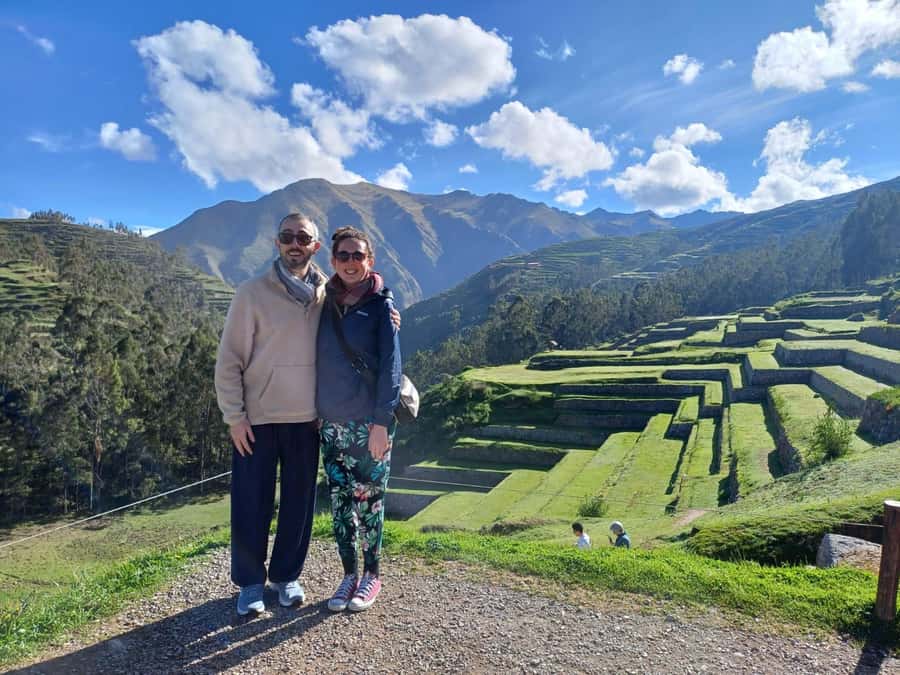
The first major stop is Chinchero, about an hour from Cusco by the stated route. The visit begins at a textile center, where you learn how alpaca fiber is turned into woven goods.
This part adds useful local context before the ruins. You see the work behind the bright Andean textiles sold in the region, and the guide explains elements of Quechua craft traditions. There is also a shop, so be ready for a sales stop. You are not required to buy anything, but it is worth listening to the explanation and judging the quality for yourself.
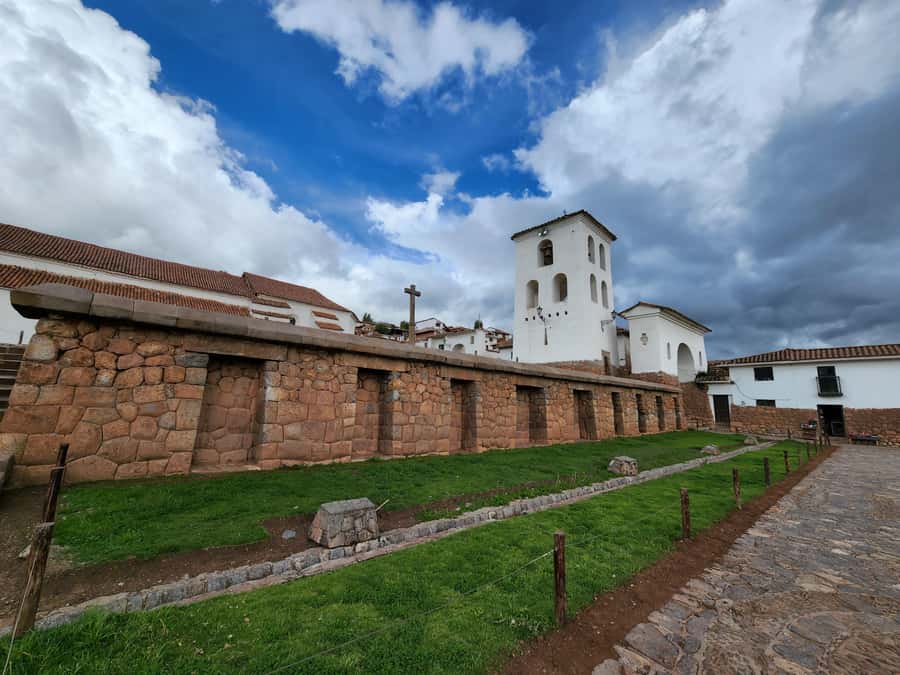
After the textile presentation, you visit the archaeological center of Chinchero. The site includes the enclosure linked with the Inca ruler Tupac Yupanqui. Chinchero is especially useful as an introduction to the way Inca ceremonial and agricultural spaces fit together.
You have about an hour here, including the guided explanation. That sounds generous, but it also includes moving between the textile center and ruins. Wear shoes with a firm sole, since archaeological areas can involve uneven ground.
Moray’s circular terraces and the value of a short stop
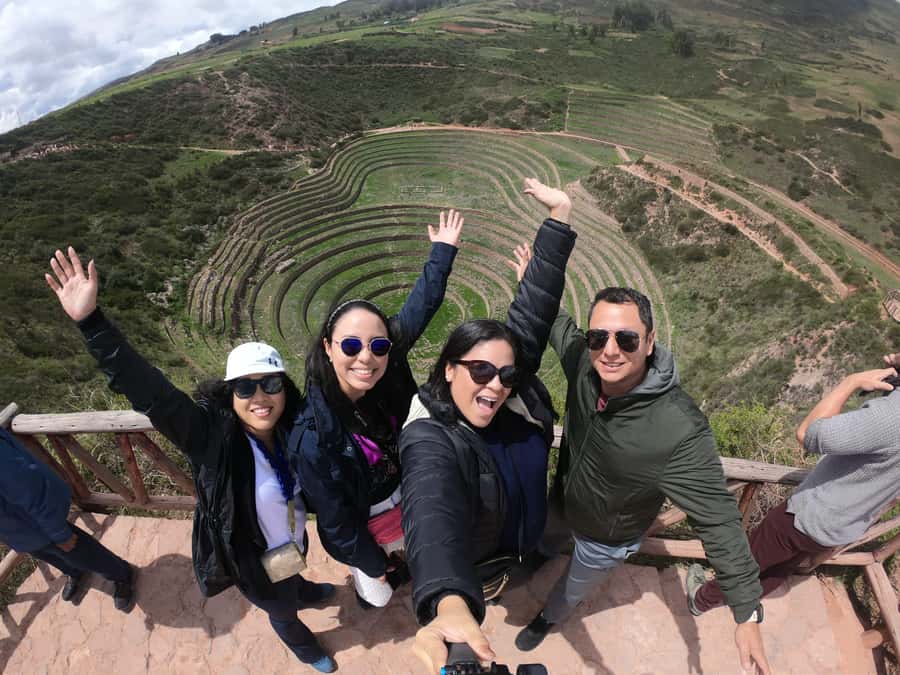
Moray is one of the most unusual sites on the route. Its great circular terraces sink into the earth in a series of rings, creating a shape unlike the rectangular terraces seen elsewhere in the Sacred Valley.
The site is often described as an experimental agricultural laboratory. The key idea is that each terrace sits at a different level, creating changes in temperature and growing conditions. Your guide can help you understand why the Incas built the terraces in this form rather than treating them as simple farmland.
The guided stop lasts about 30 minutes. That is enough to hear the main explanation and take in the shape of the site, but not enough for a leisurely walk or extended photography session. I would pay attention during the first explanation, then use the remaining time for the view rather than trying to cover every angle.
Moray also shows why a guide matters on this tour. Without context, the terraces are an impressive pattern in the ground. With context, you begin to see them as part of a larger system of food production and adaptation to the high Andes.
Maras Salt Mines: a working Andean tradition
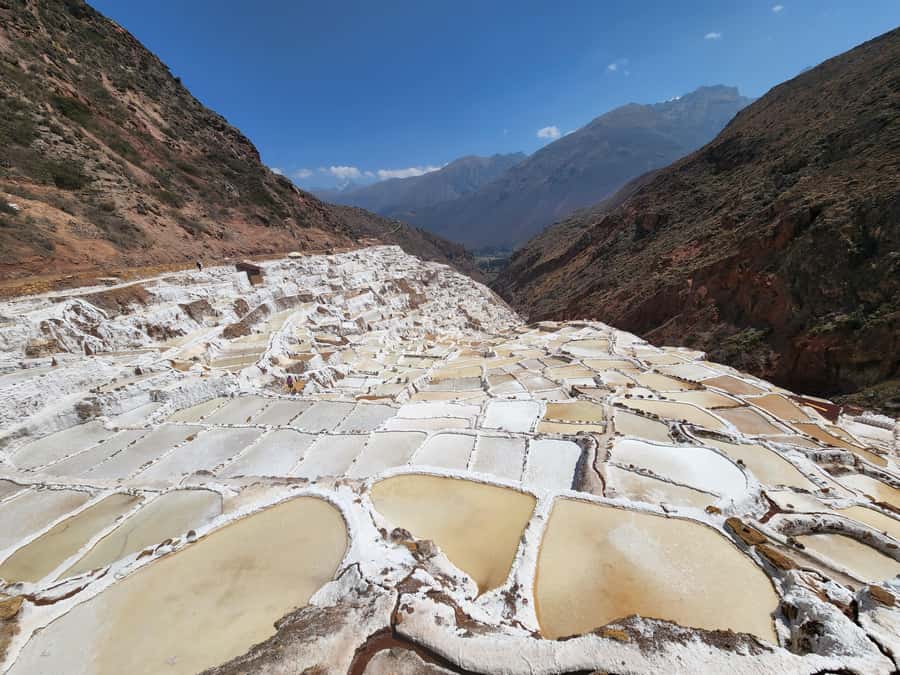
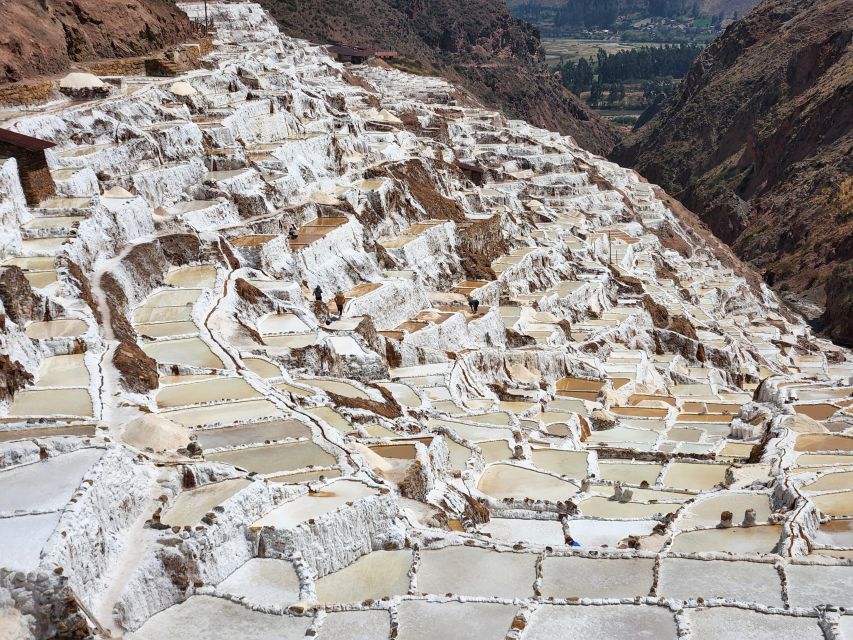
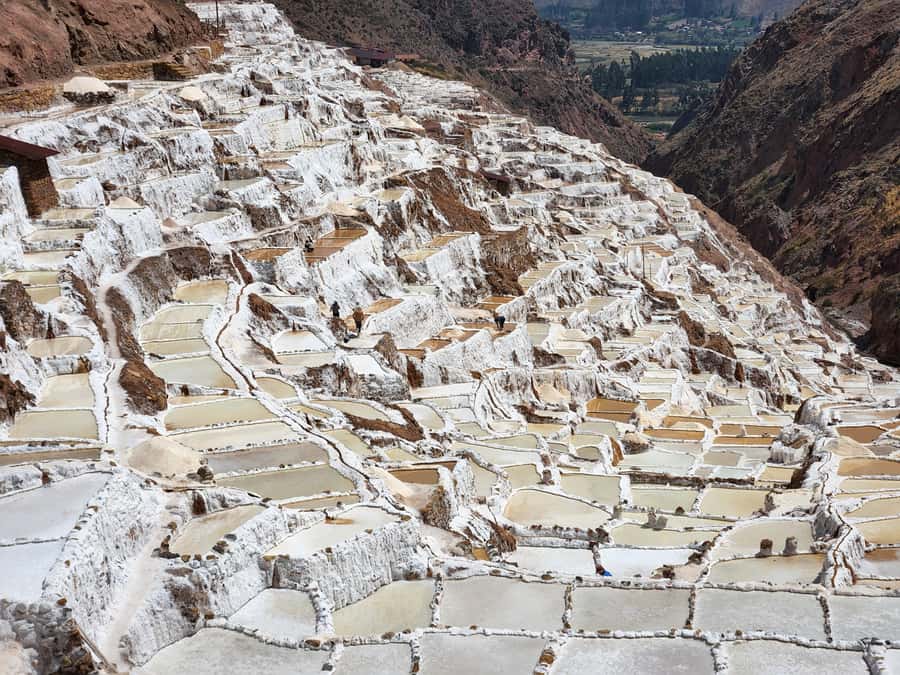
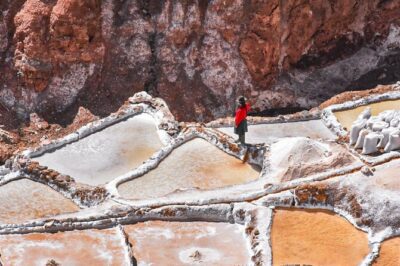
The Maras Salt Mines are close to Moray, making the pairing sensible. Here, more than 4,000 small salt ponds spread across the mountainside. Salt water flows into the ponds, where evaporation leaves salt behind for collection.
This is not only an archaeological stop. The local population continues the same basic salt-making tradition, so you are seeing a working practice rather than a sealed ruin. That gives the visit a more direct connection to daily life in the region.
You receive an explanation of the extraction process and have about 40 minutes at the site. The ponds create striking views, but the visit can feel quick if you want to study the channels and terraces closely.
Maras has a separate entrance fee of 20 soles. That is in addition to the 70-sol tourist ticket required for the archaeological sites. At the listed tour price of $45 per person, these extra costs matter when you set your total budget. Bring cash in soles unless your operator confirms another payment method.
Drones are not allowed. Also remember that salt works are not a good place to rely on snacks or drinks being available, so carry water and something small to eat if you need it. Drinks and snacks are not included in the tour.
Somewhere else entirely, still within reach of Cusco:
- Cusco: Humantay Lake Tour with Breakfast and Buffet Lunch
★ 4.9 · 2,976 reviews - From Cusco: Full-Day Group Tour of Machu Picchu
★ 4.7 · 1,767 reviews - Machu Picchu Day Trip from Cusco
★ 4.5 · 1,644 reviews - Cusco: Half-Day City Tour with Sacsayhuaman and Q’enco
★ 4.6 · 1,129 reviews
Urubamba lunch: a useful break in the middle
After the morning sites, the bus continues to Urubamba for a buffet lunch. The meal lasts about 40 minutes and includes a vegetarian option.
I like this placement in the day. By this point, you have already visited three stops and spent time getting in and out of the vehicle. A seated meal gives you a chance to reset before the afternoon ruins.
A buffet also makes lunch practical for a mixed group. You can choose from the available dishes instead of waiting for one fixed plate, and vegetarians have an option. Drinks are not included, so budget for those separately.
Do not expect lunch to become a long culinary event. Forty minutes is enough to eat, but the schedule keeps moving. The main value is convenience and variety, not a slow restaurant experience.
Ollantaytambo Fortress: the day’s most imposing ruins
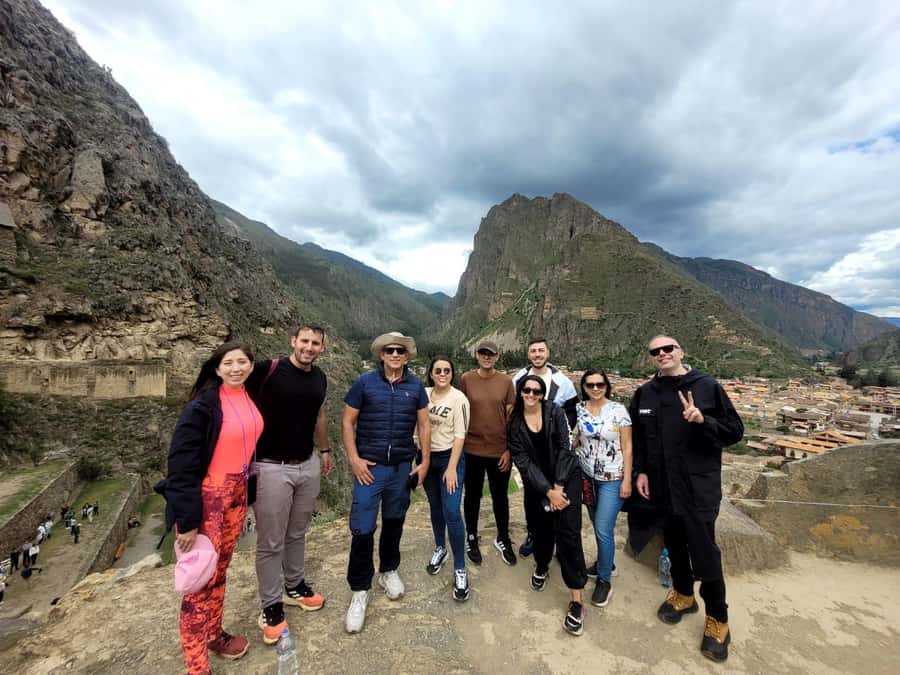
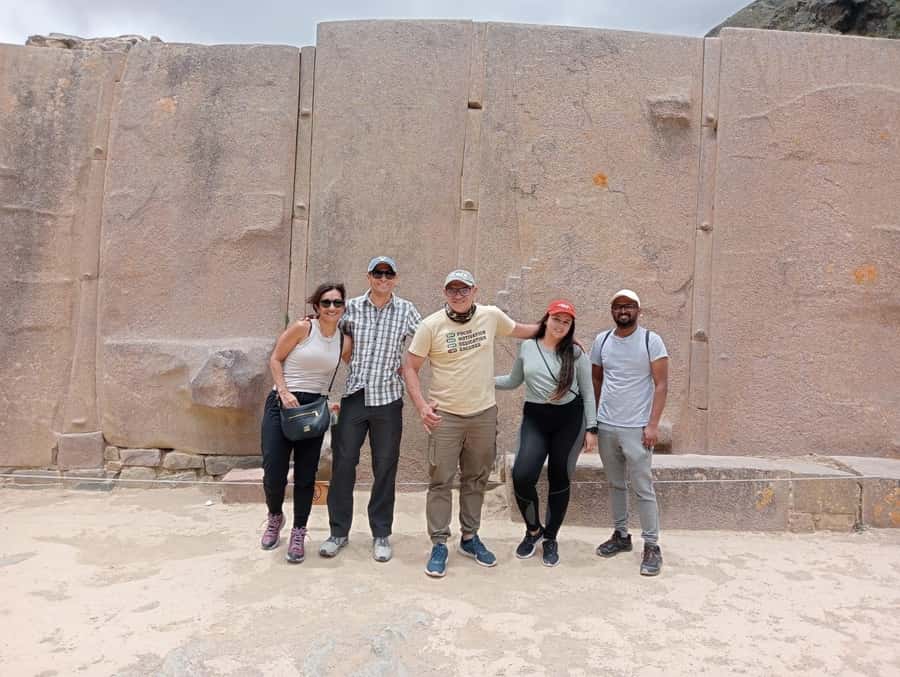
After lunch, you visit Ollantaytambo, one of the strongest architectural stops on this route. The site contains massive Inca constructions and was built as a fortress guarding the approach toward Machu Picchu.
The stonework is the reason to pay close attention here. The large terraces and main enclosures show the scale of Inca building better than a quick photograph can. Your guide explains the purpose of the fortress and helps connect the site to the wider movement through the Sacred Valley.
The scheduled guided visit lasts about 40 minutes. That gives you an effective overview, though it is not enough to inspect every wall or climb around at your own pace. Ollantaytambo is the place most likely to make you wish for extra time.
The route includes a 20-minute bus ride before this stop, followed by about an hour of driving afterward toward Pisaq. That long road section is part of the trade-off. You cover a great deal of ground, but some of your day is spent in the vehicle.
Pisaq: terraces, royal enclosures, and an Inca cemetery
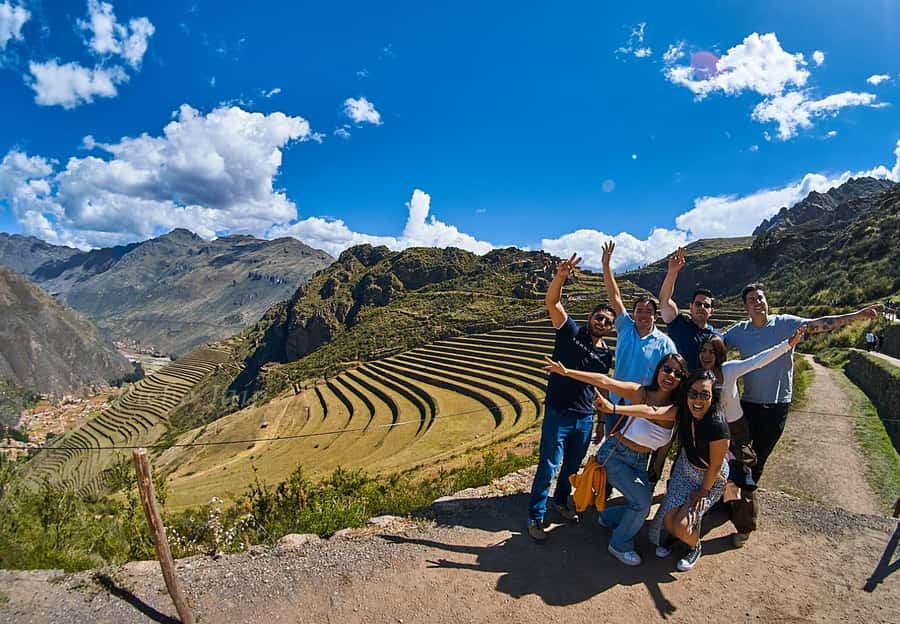
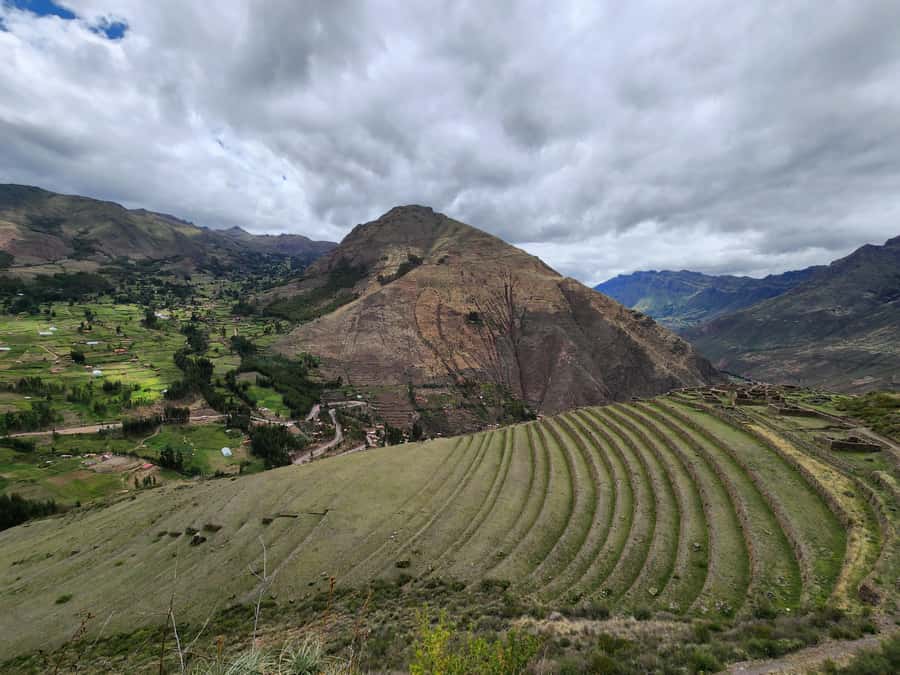
The final archaeological stop is Pisaq. Here you see agricultural terraces, enclosures linked with Inca royalty, and an Inca cemetery.
Pisaq helps complete the picture begun at Chinchero and Moray. The terraces show how the Incas shaped steep ground for farming, while the royal areas point to the site’s political and ceremonial role. The cemetery adds a more sobering side to the visit and reminds you that these were lived-in places, not just stone platforms.
The guided visit lasts around 40 minutes. As with the other sites, listen closely to the opening explanation, since you will not have hours to wander. The site can feel like a final burst of information after a very full day.
From Pisaq, the bus takes about 45 minutes to return to Cusco. The tour ends near Plaza Regocijo, one block from the city’s main square. That central finish is handy if you want to walk back to your hotel or continue with dinner in the historic center.
How the timing affects your experience
The route’s main strength is its coverage. You see five important places without having to arrange separate transport, compare local drivers, or work out the order yourself.
The main weakness is the pace. A 30-minute stop at Moray and a 40-minute stop at Maras, Ollantaytambo, and Pisaq leave little room for wandering. One past participant described the stops as very quick, while still finding the day useful for learning which sites deserved a longer return visit. That is the right way to view this tour.
The mountain roads also deserve a mention. The route includes tough curves, and the driver’s skill matters. If you get motion sickness, sit where movement is least noticeable, keep water close, and bring any medication you normally use. The tour includes a first aid kit, but personal preparation is still sensible.
You should also expect a long day with repeated changes between bus, ruins, textile center, and lunch. This is manageable for people who enjoy active sightseeing, but tiring if you prefer an unhurried schedule.
What the $45 price covers, and what it does not
At $45 per person, the tour offers good value for broad Sacred Valley coverage. Transport, central pickup, a professional bilingual guide, buffet lunch, and a first aid kit are included. Organizing all five sites independently would require more time and several separate transport decisions.
The headline price is not the full cost. Add 70 soles for the tourist ticket and 20 soles for Maras, plus drinks and snacks. Those mandatory entry fees can change your final budget, so calculate them before booking.
The value is strongest for a first visit, a short stay in Cusco, or anyone who wants a practical overview. It is weaker for photographers, archaeology fans, and people who want to explore Ollantaytambo or Pisaq without watching the clock.
The tour has a 4.9 rating from 20 reviews, and the praise focuses on the guide’s clear explanations and kind manner, the capable driver on curving roads, and the good range of lunch choices. Those are the parts that matter most on a long group excursion.
Who should choose this tour
I would choose this trip if you want to see the major Sacred Valley highlights in a single day and prefer having the route, transport, and explanations handled for you.
It suits you especially well if:
- You have only a short time in the Cusco Region.
- You want both archaeological sites and living local traditions.
- You speak English or Spanish and want a live guide.
- You prefer a small group rather than a large coach.
- You are happy with brief visits in exchange for broad coverage.
- You want lunch included and a vegetarian option available.
I would look for a slower or private option if you have already seen the main sites, want long photography sessions, or dislike spending many hours on mountain roads. The same applies if your main goal is a detailed visit to Ollantaytambo, Moray, or Pisaq rather than a survey of all five.
Free cancellation is available up to 24 hours before departure, and you can reserve now and pay later. The activity is not considered suitable for people over 95 years old. Those details are useful, but the pace and extra entrance fees should guide your decision more than the flexible payment terms.
Should you book this Sacred Valley day trip?
Book it if you want the biggest possible introduction to the Sacred Valley in one organized day. The combination of Chinchero textiles, Moray terraces, Maras salt ponds, Ollantaytambo stonework, and Pisaq’s cemetery gives you a broad and memorable outline of the region.
Do not book it expecting a slow cultural walk. You will be moving often, watching the clock, and spending a fair amount of time on the road. For many people, that is a fair trade for $45 plus entrance fees. I would treat this as an excellent first look, then return to your favorite site later if your schedule allows.
FAQ
How long does the Sacred Valley tour last?
The tour lasts 12 hours, including transportation, guided visits, lunch, and the return to Cusco.
Which places does the tour visit?
The route includes Chinchero, Moray, the Maras Salt Mines, Ollantaytambo Fortress, and Pisaq.
Is hotel pickup included?
Yes. Pickup is included from hotels and Airbnb properties located in the historic center of Cusco.
Where does the tour finish?
The tour finishes at Plaza Regocijo, about one block from Cusco’s main square.
What languages are available?
The live guide is available in English or Spanish.
How large is the tour vehicle?
The tourist transport has a maximum capacity of 18 people.
Is lunch included?
Yes. A buffet lunch in Urubamba is included, with a vegetarian option available.
Are entrance fees included?
No. The tourist ticket costs 70 soles, and the Maras Salt Mines entrance costs 20 soles. Drinks and snacks are also excluded.
Are drones allowed?
No. Drones are not allowed on this activity.
Can I cancel the reservation?
Yes. You can cancel up to 24 hours in advance for a full refund. The activity also allows you to reserve now and pay later.
Recently added around Cusco
- Palcoyo colored mountain hike + stone forests★ 4.6 · 3 reviews
- Maras Moray★ 5.0 · 3 reviews
- Full-Day Condor Viewpoint & Inca Sites Tour★ 5.0 · 3 reviews
- From Cusco: Vinicunca Mountain of Colors Excursion + Ticket★ 5.0 · 3 reviews
- Excursion Cusco – Puno – Titicaca Observatory Train★ 5.0 · 3 reviews
- Machu Picchu: Private Tour Guide Service for up to 15 people★ 4.5 · 3 reviews
- Machu Picchu: 1-day tour by Vistadome Observatory train★ 5.0 · 3 reviews
- Cusco: Chonta Canyon and Condor Flight Tour with Lunch★ 5.0 · 3 reviews
Maras and Moray Tours, compared.

Sacred Valley & Maras Salt Mines Tour with Lunch
Read our review →
Moray, Maras Salt Mines & Chinchero Weavers Tour
Read our review →
Sacred Valley, Pisac, Ollantaytambo, Salt Mines Moray
Read our review →
Chinchero,Moray & Salt Mines drop-off in Ollantaytambo
Read our review →

Moray, Maras Salt Mines & Chinchero Weavers Half-Day
Read our review →Browse the lists this tour appears in