Reviewed · CUSCO TOURS
Cochahuasi Animal Sanctuary® Admission Ticket
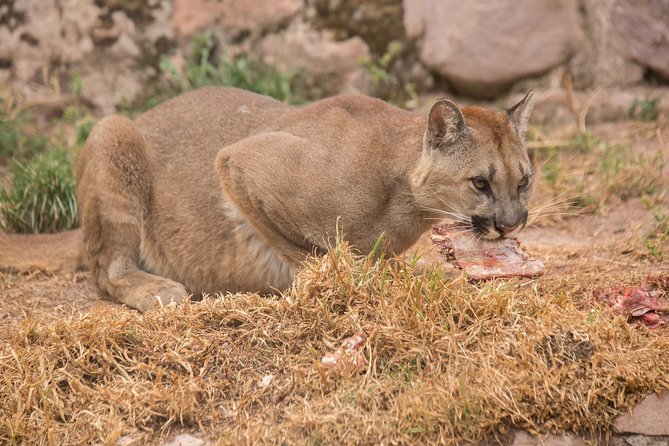
Cochahuasi Animal Sanctuary gives you a close look at rescued Andean wildlife, including pumas that suffered terrible abuse before reaching safety. The visit is short, personal, and guided, with time to hear each animal’s story rather than simply walk past a row of enclosures.
I like the chance to support a working rescue center while seeing animals that are hard to encounter elsewhere. I also like the small-group format, with no more than 15 people and a local guide who can explain the sanctuary’s conservation work in clear English.
The main thing to consider is the condition of the enclosures. Some are small, and one visitor found parts of the site poorly maintained. You should come ready for an earnest rescue facility, not a polished modern zoo.
Key points before you book
- Rescued pumas with remarkable stories: Two pumas were reportedly taken from a Lima disco after their teeth and claws had been removed. The sanctuary had dentures made so they could eat meat.
- A short stop from Cusco: The sanctuary is about 30 minutes from the city by taxi, making it a practical half-day addition to a Cusco stay.
- A guide is included: Your local guide leads you through the grounds and explains the past and present condition of the animals.
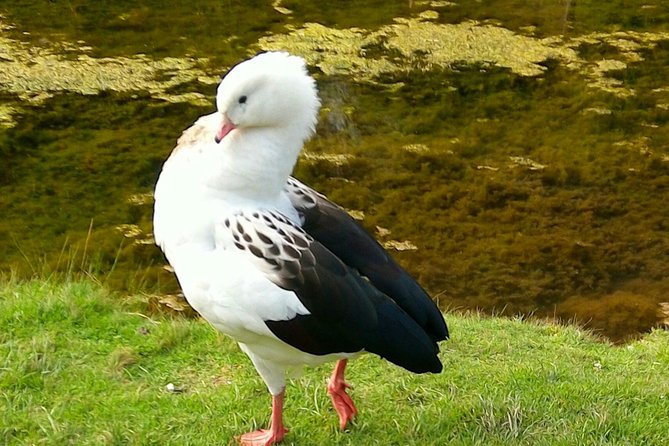
- Animals you may see: The collection includes bears, condors, pumas, monkeys, llamas, and alpacas.
- Small groups help: The maximum group size is 15, so you have a better chance to ask questions than at a large attraction.
- Plan your ride home: An Uber or taxi may not wait nearby. Arrange a return ride or ask your driver to stay.
Why this sanctuary matters near Cusco
Cochahuasi is not simply a place to look at animals. It exists because many rescued animals cannot safely go back into the wild. Some have lasting injuries. Others have become used to people through illegal ownership, trafficking, or neglect.
That point gives the visit its weight. A puma behind a fence can seem sad if you only see the enclosure. Once you learn that it may have been kept as a novelty pet, abused, or physically altered, the purpose of permanent care becomes easier to understand.
The sanctuary works with both animals that may recover enough for release and animals that need a lifelong home. That distinction is important. Rehabilitation is not always a quick path back to nature, especially when an animal has lost the skills or physical abilities needed to survive.
I appreciate that the visit connects individual animals with the wider problem of wildlife trafficking. You are not just ticking off a list of species. You are learning why wild animals should not be kept for entertainment, displayed in unsuitable places, or sold as pets.
more Cusco days to weigh up
- Machu Picchu Entrance Ticket
★ 4.5 · 108 reviews - Machu Picchu: Tour Guide Service & Entrance Ticket Circuit-2
★ 4.6 · 90 reviews - Machu Picchu Private Tour from Aguas Calientes (Tickets included)
★ 5.0 · 84 reviews
What you see during the 45 to 90 minute visit
The experience centers on one stop, Cochahuasi Animal Sanctuary itself. The advertised visit takes about 45 minutes to 1 hour 30 minutes, depending on the pace of the group and the questions you ask.
A local guide takes you around the sanctuary and explains the background of the animals. The strongest part of the visit is this interpretation. Without a guide, you might see cages, birds, and mammals, then move on. With a guide, you understand how each animal arrived and what care it needs now.
The route may include several major Andean species:
- Pumas
- Andean condors
- Bears
- Monkeys
- Llamas
- Alpacas
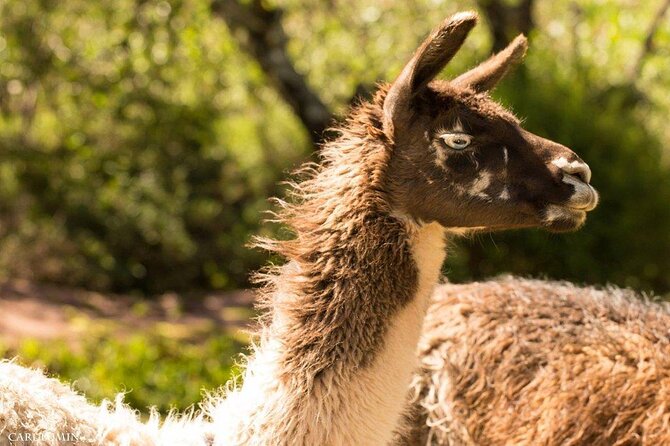
The mix is appealing because you see both wild animals and familiar domestic South American species. The alpacas can be a particular hit, and additional interaction or feeding may cost extra, according to the information provided. Ask about that before assuming it is part of admission.
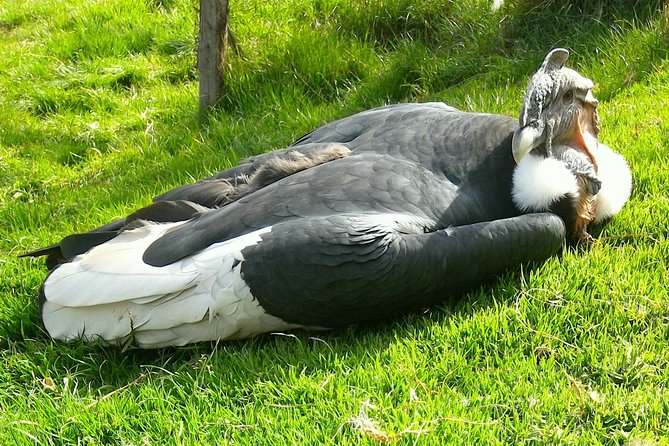
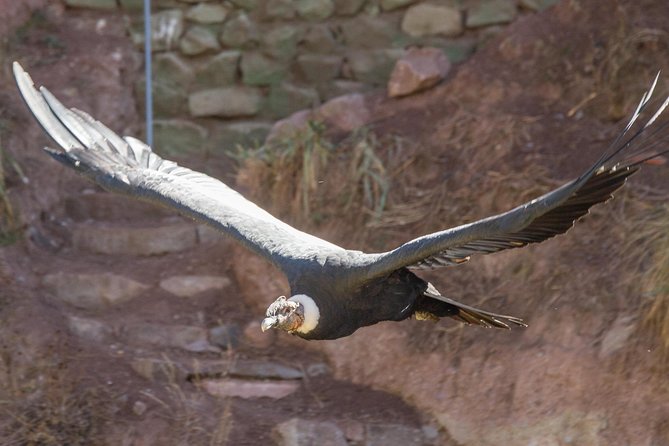
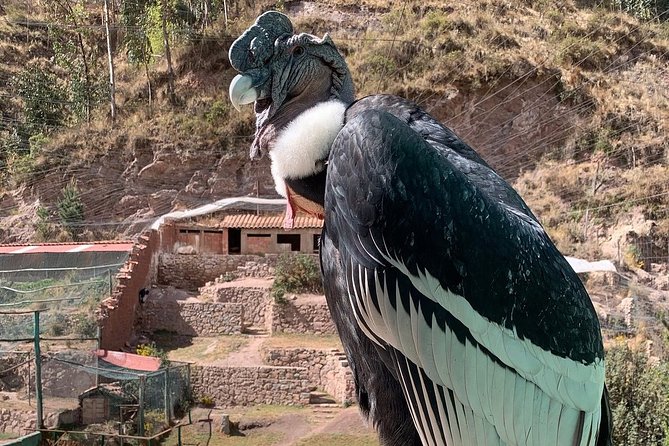
Condors are another strong reason to visit. Seeing these large birds at close range can be memorable, especially if you have only seen them as small shapes over the mountains. The sanctuary gives you a chance to consider the challenges faced by rescued birds as well as mammals.
The guide’s explanation of the pumas is likely to be the most difficult and most memorable part. Two had reportedly been used in a Lima disco and had their teeth and claws removed. The sanctuary arranged dentures so they could eat meat. That detail shows both the cruelty these animals can face and the practical care required after rescue.
The guide makes the difference
A guide is included, and that matters here. The sanctuary is about the animals, but the visit depends on someone explaining what you are seeing.
You should expect a walk through the grounds with information about the history and current condition of the animals. One visitor described an English-speaking guide who spoke very well, while another said the owner personally led the visit. The exact person may vary, but you should have a local representative to answer questions.
I would use the guide time well. Ask which animals can eventually be released, which ones need permanent care, and how injuries or human imprinting affect their future. These questions turn a quick stop into a better lesson in conservation.
The small group limit of 15 people is useful. It does not guarantee a private tour, but it should make it easier to hear the explanation and ask about individual animals. If you are visiting with children, the guide can also help frame the experience in a respectful way.
This is not the place for loud behavior or teasing the animals. Children must be accompanied by an adult, and that rule makes sense. A quiet, attentive visit is better for you and for the creatures in care.
The hard truth about the enclosures
I want to be clear about the central drawback. One visitor felt the animals were kept in spaces that were too small and found parts of the grounds dirty and poorly maintained. That is a serious concern, particularly for an attraction built around animal welfare.
Other accounts describe the animals as safe, cared for, and content, and the sanctuary explains that some cannot be released because of health or behavioral problems. Both points can be true at once. A rescue center may save animals from far worse conditions while still having facilities that look basic or cramped.
You should not expect the appearance of a major, heavily funded zoo. The setting is described as a sanctuary, but the enclosures may look utilitarian. The contrast between the good intentions of the work and the physical limitations of the site is part of the experience.
If enclosure standards are your main concern, look closely at recent conditions before booking and keep your expectations realistic. If you can accept a modest rescue facility and want to support animals that have few other options, the visit may feel worthwhile.
The sanctuary team has stated that it works to provide a safe, clean, suitable environment and continues improving its facilities and care. That is useful context, but you should still judge the conditions for yourself during the visit.
Somewhere else entirely, still within reach of Cusco:
- Cusco: Humantay Lake Tour with Breakfast and Buffet Lunch
★ 4.9 · 2,976 reviews - From Cusco: Sacred Valley & Maras Salt Mines Tour with Lunch
★ 4.8 · 2,227 reviews - From Cusco: Moray, Maras Salt Mines & Chinchero Weavers Tour
★ 4.8 · 1,925 reviews - From Cusco: Full-Day Group Tour of Machu Picchu
★ 4.7 · 1,767 reviews
Getting there from Cusco
The sanctuary is roughly 30 minutes from Cusco by taxi, based on the practical information supplied by visitors. That makes it an easy short outing, but transport needs more thought than the admission itself.
An Uber may take you out to the sanctuary and then leave. Because the site is remote, finding another ride back may be difficult. One visitor specifically recommended arranging transportation in both directions to avoid being stranded.
The simplest plan is to hire a taxi from Cusco and ask the driver to wait. A reported example cost about 100 soles total for the ride and waiting time, though that was an individual arrangement rather than a guaranteed fixed fare. Agree on the price and waiting plan before setting off.
This arrangement can turn the sanctuary into a straightforward afternoon trip. Without it, a cheap ride there could become an inconvenient and expensive problem later.
The admission experience itself is not designed as a full-day excursion. With 45 to 90 minutes on site, you can usually combine it with other Cusco plans, provided you allow time for traffic and transport. Do not pack the schedule too tightly if you want to listen to the guide and ask questions.
Is the $10 price good value?
The listed price is $10 per person. A separate note says admission paid directly at the sanctuary is 20 soles per person, so check the current exchange rate and booking terms when comparing the two options.
The online ticket’s practical value is not only the admission. It lets you reserve ahead and avoid waiting in line, although the sanctuary may not be a place with long queues at every hour. The main benefit is having the entry arranged before you make the trip.
Your ticket includes a local guide, which adds real value. You are paying for an explanation of the rescue work, not just access to animal enclosures. That guided context is what separates this visit from a quick roadside stop.
Food and drinks are not included. Since the visit is short, this is not a major issue, but you should plan refreshments elsewhere rather than expect a café stop to be part of the experience.
The sanctuary is also a place where an optional donation can matter. Several accounts encouraged giving extra if possible. I would treat that as voluntary support, not an obligation, and donate only what fits your budget.
Who will enjoy this visit most?
This is a good choice for wildlife lovers, families with older children, and anyone who wants a short conservation-focused outing from Cusco. It also suits people who prefer meeting a local guide and hearing personal animal stories rather than visiting a large commercial attraction.
You will get the most from it if you are curious about animal rescue and willing to accept a basic setting. The guide’s explanation can be moving, especially when you hear how trafficking and abuse have changed an animal’s chances of returning to nature.
Families should keep children close and explain that the animals are rescues, not performers. The experience may be upsetting in places, particularly when the guide describes injuries or past mistreatment. That is not a reason to avoid it, but it is a reason to prepare young children.
You should think twice if you want spacious, landscaped enclosures, polished visitor facilities, or a long list of activities. The visit is compact, and the quality of the setting may not meet everyone’s standards.
A moderate level of physical fitness is recommended. The information provided does not specify a detailed route or accessibility features, so contact the provider if you have mobility concerns or need a particular arrangement.
How to make the most of the sanctuary
Book at least a little ahead if you want the included guide and a smoother arrival. The experience is booked, on average, six days in advance, so it is not always a last-minute decision for people planning their Cusco schedule.
Arrange your return transport before you leave Cusco. If your taxi waits, confirm how long you will spend inside and what happens if the tour runs closer to 90 minutes rather than 45.
Bring questions. Ask about release programs, permanent residents, veterinary treatment, and the effect of human imprinting. The guide can give you details that are not obvious from the enclosures.
Keep your pace unhurried. This is a small visit, and rushing through it defeats the point. Pay attention to the stories, not only the animals you recognize.
If you want to feed or touch alpacas, ask whether that interaction is included or requires an additional payment. One account described feeding and petting the alpacas as a highlight, while the basic information indicates that some interaction may cost extra.
Finally, judge the sanctuary with both compassion and a critical eye. The rescue work can be valuable even when the facilities are imperfect. You do not have to ignore legitimate concerns about enclosure size or upkeep to recognize the importance of caring for animals that cannot return to the wild.
Should you book Cochahuasi Animal Sanctuary?
I would book this if you want an affordable, short wildlife outing from Cusco and care about rescue work. The local guide, small group size, and stories of rehabilitation give the visit more substance than a simple animal viewing stop.
I would not book it expecting a modern zoo or flawless facilities. The sanctuary has faced criticism over small enclosures and maintenance, and those concerns deserve consideration.
For many people, the best decision is to arrange round-trip transport, reserve the $10 admission, and allow 90 minutes for the visit. You will see unusual Andean animals, learn why some cannot be released, and support a center doing difficult work. Just arrive with open eyes and realistic expectations.
FAQ
Where is Cochahuasi Animal Sanctuary?
Cochahuasi Animal Sanctuary is in the Cusco area of Peru. The sanctuary is about 30 minutes from Cusco by taxi, according to the available transport information.
How long does the visit take?
The visit takes approximately 45 minutes to 1 hour 30 minutes. The exact length can depend on the group’s pace and time spent with the guide.
How much does admission cost?
The listed admission price is $10 per person. Information also states that paying at the sanctuary costs 20 soles per person, so compare the current prices before booking.
Is a guide included?
Yes. A local guide is included with admission and leads you through the sanctuary while explaining the animals and conservation work.
What animals can I see?
The sanctuary has rescued bears, condors, pumas, monkeys, llamas, and alpacas. The exact animals visible during a particular visit is not specified.
Can I feed or pet the animals?
Feeding and petting alpacas has been available during some visits. Additional payment may be required for interaction, so ask the sanctuary before assuming it is included.
Is transportation included?
No transportation is listed as included. You need to arrange your own taxi or other ride from Cusco, including transportation back to the city.
Is the sanctuary suitable for children?
Children can visit, but they must be accompanied by an adult. The activity also recommends a moderate level of physical fitness.
Can I cancel for a full refund?
Yes, if you cancel at least 24 hours before the experience start time. Cancellations or changes made within 24 hours are not refunded.
Recently added around Cusco
- Palcoyo colored mountain hike + stone forests★ 4.6 · 3 reviews
- Maras Moray★ 5.0 · 3 reviews
- Full-Day Condor Viewpoint & Inca Sites Tour★ 5.0 · 3 reviews
- From Cusco: Vinicunca Mountain of Colors Excursion + Ticket★ 5.0 · 3 reviews
- Excursion Cusco – Puno – Titicaca Observatory Train★ 5.0 · 3 reviews
- Machu Picchu: Private Tour Guide Service for up to 15 people★ 4.5 · 3 reviews
- Cusco: Chonta Canyon and Condor Flight Tour with Lunch★ 5.0 · 3 reviews
- Machu Picchu: 1-day tour by Vistadome Observatory train★ 5.0 · 3 reviews
Cusco Tours, compared.
Humantay Lake Tour with Breakfast and Buffet Lunch
Read our review →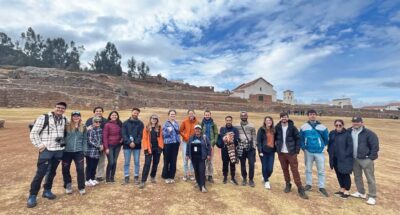
Sacred Valley & Maras Salt Mines Tour with Lunch
Read our review →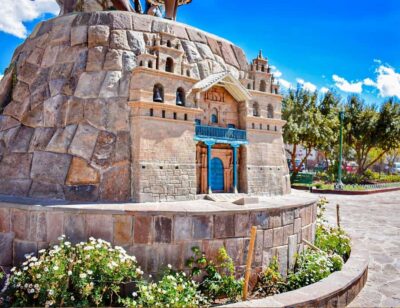
Moray, Maras Salt Mines & Chinchero Weavers Tour
Read our review →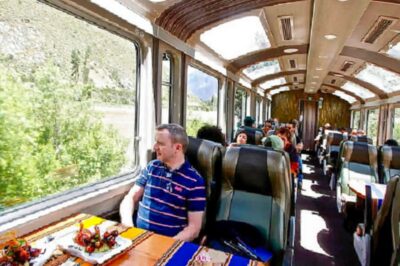
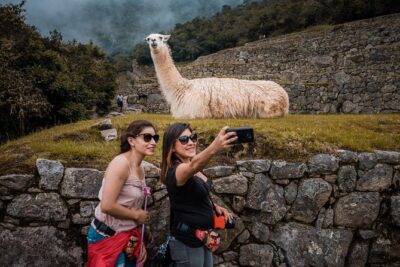
Half-Day City Tour with Sacsayhuaman and Q’enco
Read our review →
Sacred Valley, Pisac, Ollantaytambo, Salt Mines Moray
Read our review →