
Reviewed · CUSCO TOURS
City Tour Cusco
Cusco’s best first lesson comes in stone. This five-hour circuit moves from the Spanish and Inca layers of Qorikancha to the huge masonry of Saqsayhuamán, then out to four major sites above the city. You get a quick but useful map of Cusco’s sacred, military, and ceremonial world.
I like the small maximum of 12 people, which should make it easier to hear your guide and ask questions. I also like the guide-led format: Jhonny, Victor, Saul, and Jorge are praised for clear explanations, friendly energy, and allowing time for photographs. The main caution is cost clarity: the $32 tour price does not include the $25 archaeological ticket or the $7 Qorikancha entrance.
Key Points at a Glance
- Five major sites in about five hours: Qorikancha, Saqsayhuamán, Q’enqo, Puka Pukara, and Tambomachay fit into one compact route.
- Private transportation included: You ride between the sites instead of arranging separate taxis.
- A guide makes the difference: Jhonny, Victor, Saul, and Jorge are specifically praised for lively, clear explanations.
- Tickets are extra: Budget another $32 for the listed $25 partial tourist ticket and $7 Qorikancha admission.
- The tour begins and ends at Plaza de Armas: This makes it easy to fit into a first day in Cusco.
- Expect variety, not one long ruin visit: You see a temple, fortress, ritual site, military post, and water shrine.
Why This Is a Good First Look at Cusco
Cusco can feel like several cities at once. In one street you may see carefully fitted Inca stonework beneath a Spanish colonial wall, while a short drive later brings you to high archaeological sites with broad views over the surrounding hills. This tour gives you that contrast without asking you to plan five separate visits.
The route also gives each place a role. Qorikancha introduces religion and the Spanish takeover. Saqsayhuamán shows the scale of Inca stone construction. Q’enqo brings you into ritual space, while Puka Pukara explains military control and Tambomachay points to the importance of water.
I would choose this as an opening activity if you want context before visiting Machu Picchu or the Sacred Valley. It is not a slow archaeological study, and you will not have unlimited time at each stop. But a good guide can connect the sites so they feel like parts of one story rather than a string of unrelated ruins.
The tour begins at Plaza de Armas and returns there after the final stop. That central meeting point is practical, especially if you are staying near the historic center or want to continue exploring on foot afterward.
More City Tours in Cusco
- Cusco: Half-Day City Tour with Sacsayhuaman and Q’enco
★ 4.6 · 1,129 reviews - City Tour Cusco Qoricancha Sacsayhuaman y Tambomachay
★ 4.7 · 617 reviews - Cusco: Sightseeing Tour of the City on an Open-Top Bus
★ 4.0 · 481 reviews
Qorikancha: Where Inca and Spanish Cusco Meet
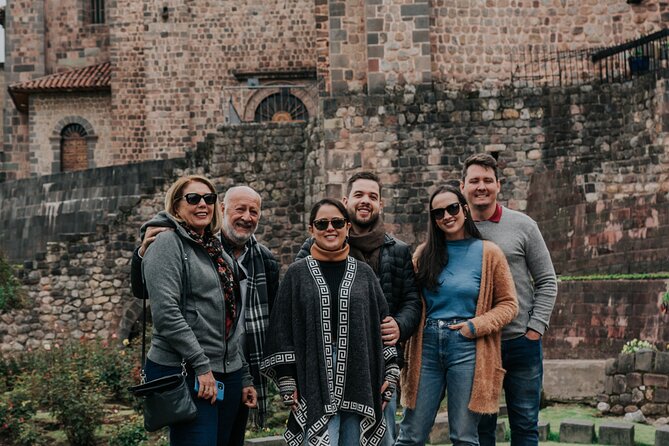
The tour begins at Qorikancha, often translated as the Temple of the Sun. The visit is listed at about 45 minutes, though the stop is described as roughly one hour within the overall schedule. This is the most important place on the route for seeing how Inca and Spanish architecture occupy the same space.
Your guide explains the religious role of the temple and the way its original Inca design was changed under Spanish rule. Look closely at the contrast between the precise stone construction and the later colonial elements. That combination gives Qorikancha its force. You are not seeing two separate monuments. You are seeing two periods built into one site.
I like starting here because it gives you questions to carry through the rest of the afternoon. Why were certain places sacred? How did the Inca use stone, water, and mountain settings? What changed when Spanish institutions were built over earlier religious spaces?
Admission is not included. The listed price is $7, so add that to your budget before booking. Because Qorikancha is in the city, it is also the easiest stop to visit independently, but the guide adds useful context in a short visit.
Saqsayhuamán and the Problem of Moving Giant Stones
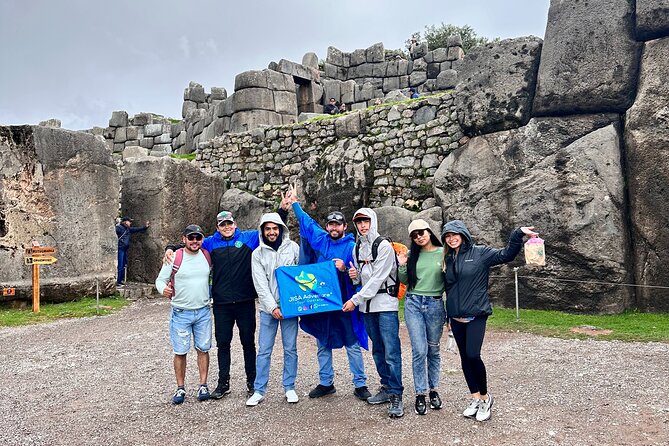
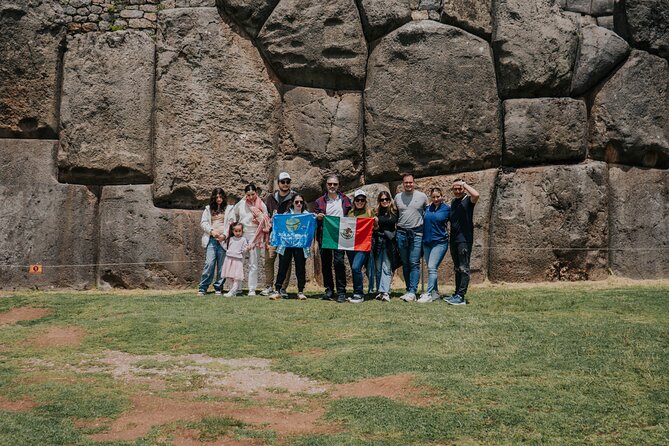
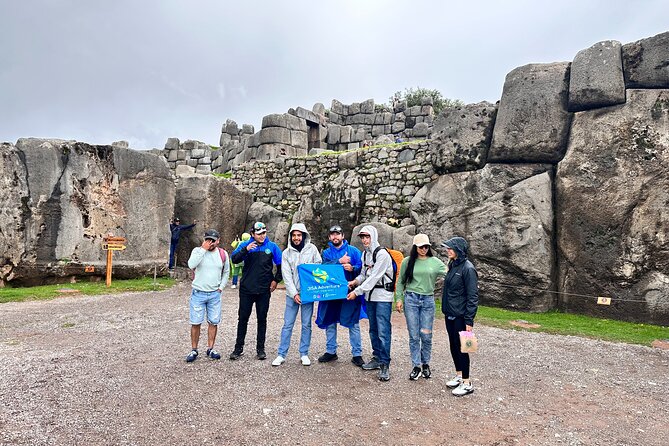
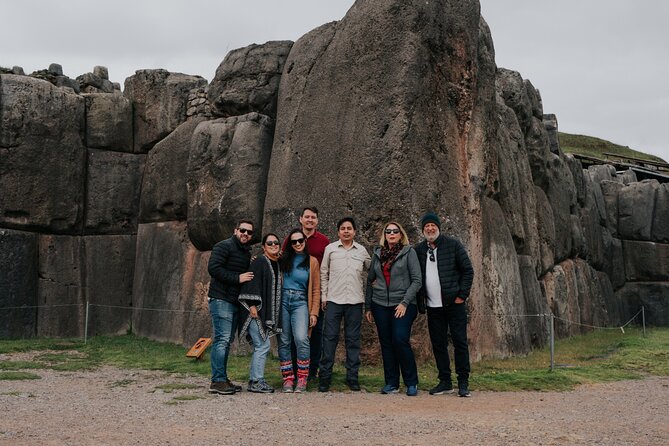
After about 20 minutes in the vehicle, you reach Saqsayhuamán. This is the largest-feeling stop on the route, with enormous carved stones and imposing walls that make the Inca building method easier to appreciate than any small model or museum display could.
Your guide focuses on construction techniques and the site’s ceremonial and historical role. Pay attention to the stone joints. The blocks fit together with remarkable care, and the scale changes your sense of what an Inca building project required.
This is also one of the places where a little extra time for photographs matters. Victor is specifically praised for explaining the sites while allowing time to capture pictures, an approach that works well here. The masonry and open setting invite you to pause rather than rush from one information point to the next.
Saqsayhuamán is part of the archaeological ticket rather than a free stop. The listed partial tourist ticket costs $25 and covers all the archaeological centers on this tour. That ticket is a major part of the real price, so the advertised $32 should not be treated as the full cost of the afternoon.
Q’enqo: A Smaller Site With a More Mysterious Feel
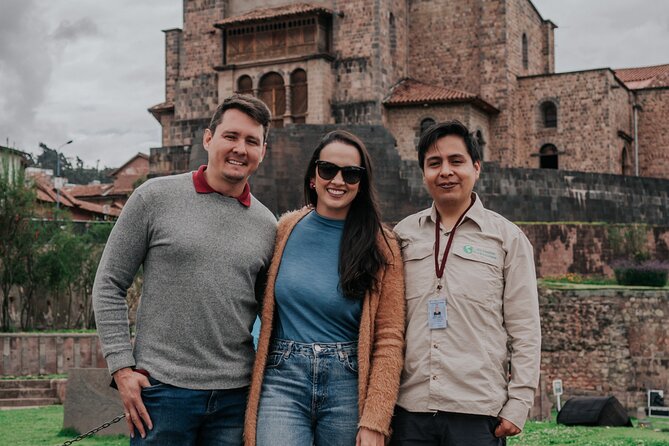
The route continues to Q’enqo, a ritual center set on a rocky outcrop. Compared with Saqsayhuamán, this site is less about giant walls and more about carved rock, underground chambers, and altars.
The guide explains the rituals and beliefs associated with the place. The supplied description uses the word mysticism, and that fits the atmosphere without requiring you to accept every ancient interpretation as certain. Q’enqo asks you to think about how the Inca shaped natural rock for ceremonial use.
This stop can be especially valuable if you prefer meaning and setting over sheer size. The carved chambers are unusual, and the visit helps explain that Inca sacred places were not limited to temples with formal walls. Rock formations, caves, water, and mountain settings could all form part of a religious landscape.
The practical drawback is that Q’enqo may feel brief if you want a detailed archaeological discussion. The overall tour has five stops, so the guide must keep the group moving. Listen closely and ask questions while you are there, since the stop is built around interpretation rather than a long walk through a large complex.
Somewhere else entirely, still within reach of Cusco:
- Cusco: Humantay Lake Tour with Breakfast and Buffet Lunch
★ 4.9 · 2,976 reviews - From Cusco: Sacred Valley & Maras Salt Mines Tour with Lunch
★ 4.8 · 2,227 reviews - From Cusco: Moray, Maras Salt Mines & Chinchero Weavers Tour
★ 4.8 · 1,925 reviews - From Cusco: Full-Day Group Tour of Machu Picchu
★ 4.7 · 1,767 reviews
Puka Pukara and the Inca Road Network
After about 15 minutes in the vehicle, you arrive at Puka Pukara, a red-toned military fortress. Its name is commonly associated with a red fort, and the site is presented as a defensive and strategic post within the Inca Empire.
Here, the value comes from seeing how the Inca controlled movement through the region. Puka Pukara was not included simply because it is another ruin. It adds a military point of view to a route otherwise centered on worship, ceremony, and construction.
The site also breaks up the rhythm of the tour. After the heavy masonry at Saqsayhuamán and the enclosed ritual spaces at Q’enqo, Puka Pukara gives you another kind of structure to read. Your guide points out its defensive purpose and explains why its position mattered.
I would not book this tour expecting every stop to feel equally dramatic. Saqsayhuamán has the biggest visual impact, while Q’enqo has the strongest enclosed, ritual character. Puka Pukara is useful because it completes the picture, even if its walls may seem less imposing than those at the larger fortress.
Tambomachay: Water, Ceremony, and a Quiet Finish
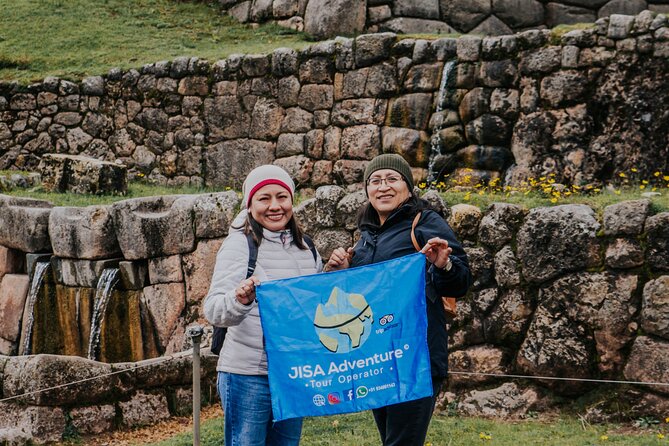
The final site is Tambomachay, known as the Baño del Inca, or Bath of the Inca. The site is associated with ceremonies and water worship, and its stone fountains and canals show how carefully the Inca managed water.
This is a fitting final stop. After seeing sacred buildings and military structures, you end with engineering tied to ceremony. The channels and fountains are not merely decorative. They show that water had practical and spiritual importance at the same time.
Tambomachay can also feel like a calmer way to finish the circuit. The guide explains the hydraulic work and the religious meaning of the site before the vehicle returns you to Cusco. If you enjoy seeing how engineering serves belief, this may be one of the most rewarding stops, even though it is smaller than Saqsayhuamán.
The final return to Plaza de Armas makes the afternoon easy to manage. You finish at the same central point where you began, rather than being left at a distant site or a separate transport terminal.
Guides, Group Size, and the Human Side of the Tour
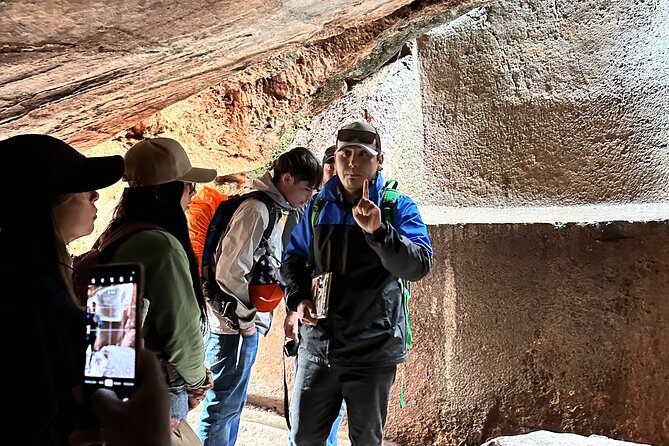
The strongest part of this experience is likely to be the guide you receive. Jhonny is praised for combining humor, energy, and clear explanations. Victor is singled out for his site knowledge and for giving people time to take photographs. Saul is praised for making a first day in Cusco feel easy and well organized, while Jorge is described as accommodating and helpful.
That matters because the ruins themselves are only part of the experience. Without explanation, a carved stone, water channel, or military wall can become another photograph with no clear meaning. A guide who keeps the group engaged helps you notice how the sites connect.
The small-group limit of 12 people is another plus. It is not a private tour, but it should be more personal than a large coach group. You can generally expect a better chance to hear the guide and get a direct answer to a question.
The tour includes an official tourism guide, private transportation, and an oxygen ball. The oxygen item may be reassuring at Cusco’s altitude, though the supplied information does not explain how it is used or what form it takes. You should not treat it as a substitute for taking the day at a comfortable pace.
Is the $32 Price Good Value?
At $32 per person, the base price is reasonable for a five-hour guided circuit with private transportation and a group capped at 12 people. The price becomes less modest once you add the entrance fees.
The listed extras are:
- $25 partial tourist ticket for the archaeological centers
- $7 entrance to Qorikancha
- Tips, which are not included
That brings the stated admission total to $32, making the practical cost about $64 per person before any tip. Prices and ticket rules can change, so confirm the current amount when booking, but use this figure for initial planning.
Even at the higher total, the tour can offer fair value if you want transportation and a guide for all five sites. Booking taxis separately would require more coordination, and visiting without a guide would leave you to arrange the route and learn the background on your own.
The value is weaker if you already have transport, prefer long visits at each ruin, or plan to explore the sites independently. This is a structured overview. You pay for convenience, interpretation, and a clear route more than for a leisurely pace.
Timing, Meeting Point, and Practical Details
The published duration is approximately five hours. The route includes vehicle transfers of about 20 minutes to Saqsayhuamán and about 15 minutes to Puka Pukara, along with the other short rides between sites. Each stop is described as roughly one hour, while the Qorikancha visit is described as approximately 45 minutes, so the exact timing may vary.
The meeting point is Plaza de Armas, Cusco 08000, Peru. The activity ends back at the same meeting point. The listed operating window is Monday through Sunday from 12:00 AM to 6:00 PM, but that broad display does not identify a specific departure time. Confirm your pickup hour before setting other plans.
Wear shoes suitable for uneven archaeological ground and bring water. Those are sensible precautions for any route that includes several stone sites, though the supplied information does not list a formal dress code or equipment requirement.
Most people can participate, and the tour is near public transportation. Confirmation is provided at booking. The experience is non-refundable and cannot be changed for any reason, so check your schedule carefully before paying.
Who Will Enjoy This City Tour Most?
I would recommend it to a first-time visitor who wants a clear introduction to Cusco’s major sites without spending a full day on a longer excursion. It also suits families and mixed-age groups who benefit from private transport and a guide who can keep the day moving.
It is a good choice before a Machu Picchu trip because it gives you basic context for Inca religion, stonework, military planning, and water engineering. The guide can also help you sort out the difference between city sights and the outlying archaeological centers.
You may prefer a different plan if your priority is photography, quiet contemplation, or detailed study. Five stops in five hours means the route is efficient, not leisurely. You will see a lot, but you should not expect long stretches of free time at every site.
The tone also depends on the guide. Jhonny, Victor, Saul, and Jorge are all praised for warmth and clear explanations, but guide assignments can vary. The company has a perfect 5 rating from 83 published reviews and a 100 percent recommendation rate, which is a strong signal, but no rating can promise the exact guide or pace you will receive.
Should You Book City Tour Cusco?
Book this tour if you want five major Cusco-area sites in one organized half-day, with transport and a guide handling the route. The combination of Qorikancha, Saqsayhuamán, Q’enqo, Puka Pukara, and Tambomachay gives you a useful first framework for understanding the city and the Inca world around it.
Budget for the entrance fees from the beginning, and do not book it if you need a flexible, refundable plan. For a first day in Cusco, especially before a longer Peru itinerary, this is a sensible way to get your bearings fast and put the city’s stones into context.
FAQ
Where does the Cusco city tour start?
The tour starts at Plaza de Armas in Cusco, Peru.
Where does the tour end?
The activity ends back at the meeting point in Plaza de Armas.
How long does the tour last?
The tour lasts approximately five hours.
Which sites are visited?
The route visits Qorikancha, Saqsayhuamán, Q’enqo, Puka Pukara, and Tambomachay.
Are entrance tickets included?
No. The listed archaeological ticket costs $25, and Qorikancha admission costs $7. Tips are also not included.
What is included in the tour price?
The $32 price includes an official tourism guide, private transportation, and an oxygen ball.
How many people can join the tour?
The activity has a maximum of 12 travelers.
Can I cancel or change the booking?
No. The experience is non-refundable and cannot be changed for any reason.
Recently added around Cusco
- Palcoyo colored mountain hike + stone forests★ 4.6 · 3 reviews
- Maras Moray★ 5.0 · 3 reviews
- From Cusco: Vinicunca Mountain of Colors Excursion + Ticket★ 5.0 · 3 reviews
- Full-Day Condor Viewpoint & Inca Sites Tour★ 5.0 · 3 reviews
- Excursion Cusco – Puno – Titicaca Observatory Train★ 5.0 · 3 reviews
- Machu Picchu: Private Tour Guide Service for up to 15 people★ 4.5 · 3 reviews
- Machu Picchu: 1-day tour by Vistadome Observatory train★ 5.0 · 3 reviews
- Cusco: Chonta Canyon and Condor Flight Tour with Lunch★ 5.0 · 3 reviews
Cusco Tours, compared.
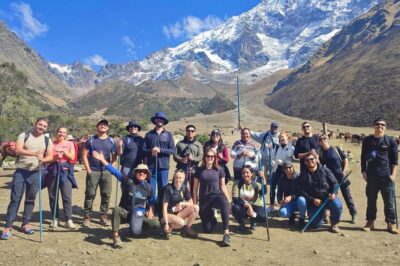
Humantay Lake Tour with Breakfast and Buffet Lunch
Read our review →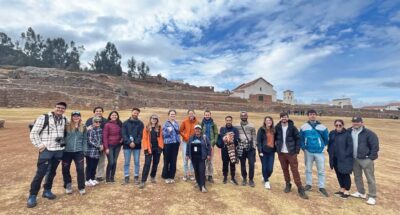
Sacred Valley & Maras Salt Mines Tour with Lunch
Read our review →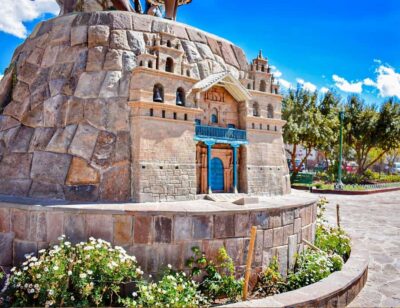
Moray, Maras Salt Mines & Chinchero Weavers Tour
Read our review →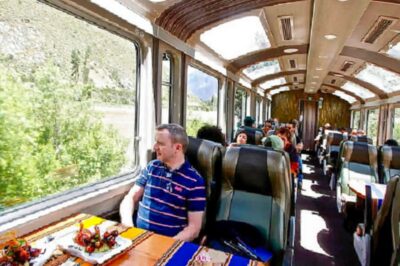
Half-Day City Tour with Sacsayhuaman and Q’enco
Read our review →
Sacred Valley, Pisac, Ollantaytambo, Salt Mines Moray
Read our review →
Browse the lists this tour appears in