
Reviewed · MARAS AND MORAY TOURS
From Ollantaytambo:Moray, Salt Mines, Chinchero end in Cusco
The clever idea here is using your transfer from Ollantaytambo to Cusco as a full day of sightseeing. Instead of spending the ride staring out a bus window, you stop at Moray, the Maras Salt Mines, and Chinchero, then arrive in Cusco with several major Sacred Valley sights behind you.
I like the private-group format, which means the guide can adjust the pace and answer your questions without herding a large crowd. I also like the cultural range: Inca farming at Moray, living salt ponds at Maras, and textile work in Chinchero. The main drawback is that entrance tickets cost extra, and the textile visit includes a shopping stop that may feel unnecessary if you are not buying.
Key points at a glance
- A useful Ollantaytambo to Cusco transfer: Turn a necessary travel day into a guided visit to three important Sacred Valley sites.
- Moray’s unusual circular terraces: See how the Incas shaped mountain slopes for farming in a site that is easy to appreciate with an explanation.
- Maras Salt Mines and 4,000 ponds: Learn how salt is collected and how it helped Andean communities preserve food.
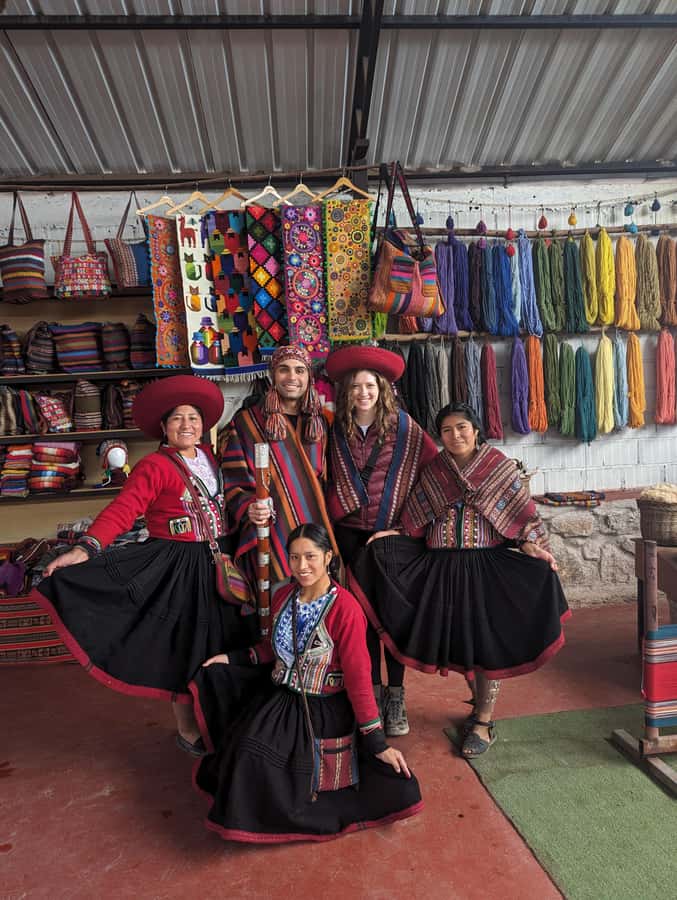
- Chinchero’s living textile tradition: Watch traditional weaving methods and see how local designs and techniques continue today.
- Private guides and comfortable transport: Guides including Julio, Marco, Ricardo, and Felipe have been praised for clear explanations and personal attention.
- Extra costs to plan for: The partial tourist ticket costs 70 soles, and the salt mine entrance costs 20 soles.
Why this makes sense after Ollantaytambo
Many Sacred Valley outings begin in Cusco and return there. This one begins at your hotel or train station in Ollantaytambo and ends in Cusco, which makes it especially useful after visiting Machu Picchu or spending a night among Ollantaytambo’s Inca streets.
You are not simply buying transportation. The day links three very different places, each showing another side of Andean life. Moray explains farming, Maras explains salt production, and Chinchero brings the focus to textiles and community traditions.
The tour lasts one day and uses private transportation for a private group. That matters on the winding roads between valley towns. One couple specifically valued the car over a larger bus because it reduced motion sickness, while another group appreciated having enough room to relax between stops.
Pickup is included from your Ollantaytambo hotel or train station. The final drop-off is in Cusco, either at the main square or your accommodation. Confirm the exact destination and pickup time in advance, especially if you are coordinating with a train arrival.
more maras and moray mornings
- From Cusco: Sacred Valley & Maras Salt Mines Tour with Lunch
★ 4.8 · 2,227 reviews - From Cusco: Moray, Maras Salt Mines & Chinchero Weavers Tour
★ 4.8 · 1,925 reviews - Cusco: Sacred Valley, Pisac, Ollantaytambo, Salt Mines Moray
★ 4.6 · 1,058 reviews
Maras and the salt ponds
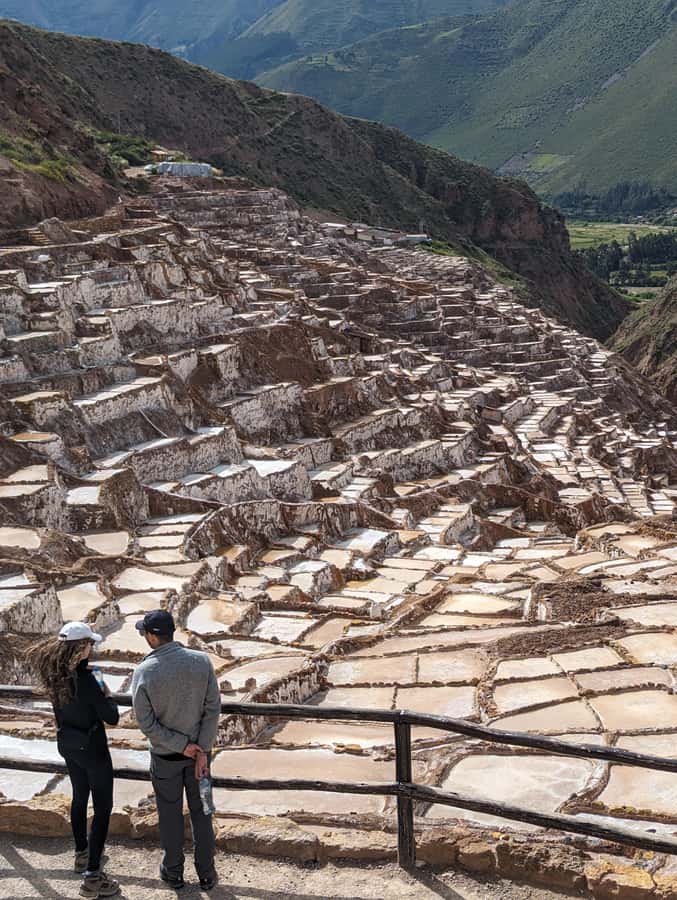
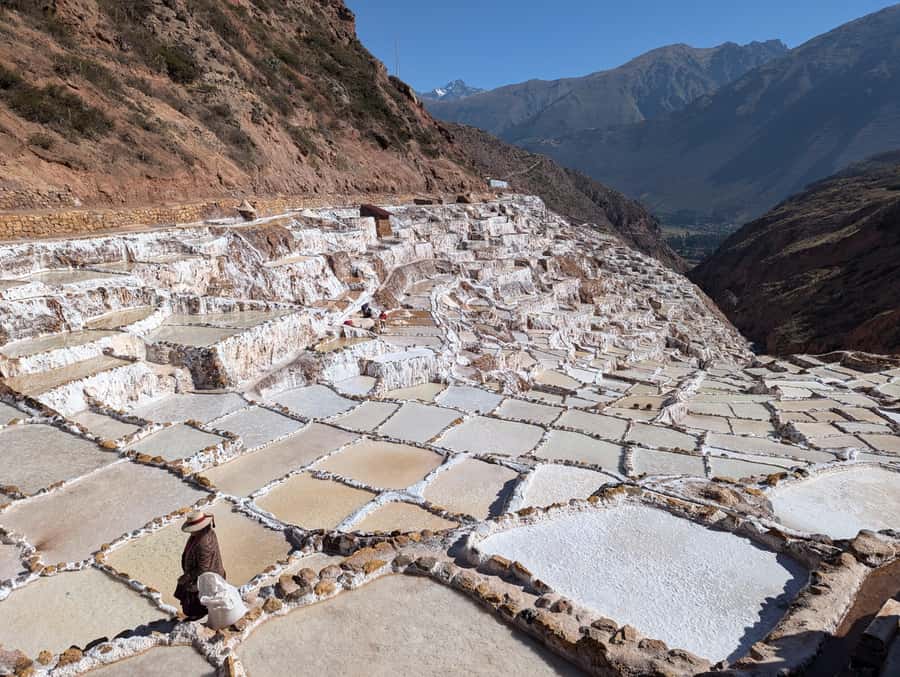
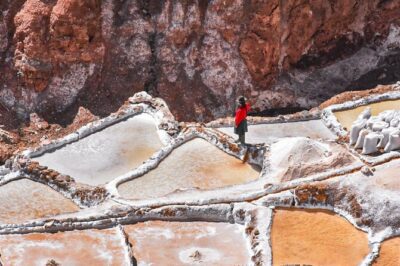
The route allows about an hour at the Maras Salt Mines, with time for a guided visit and photographs. The site contains more than 4,000 small salt ponds, built into the mountainside and supplied by salt-bearing spring water.
The striking part is the organization. Each pond is managed so water can evaporate and leave salt behind. This is not just an old ruin; it is a working example of a local practice that supported Andean households for a long time. Your guide can explain how salt was used to preserve food, an important detail when you look beyond the bright white terraces.
Bring cash for the entrance fee, which is 20 soles and is not included. The salt ponds can be highly photogenic, but you should also listen to the explanation rather than treating the stop as only a photo break. The small pools make more sense once you understand the water and evaporation process.
Wear sun protection. Sunglasses, a hat, sunscreen, and a camera are specifically useful here. Biodegradable sunscreen is requested, and cash is worth carrying for entrance fees, drinks, or purchases.
The order of the stops may follow the listed route, with Maras first, Moray next, and lunch afterward in the Maras area. The description also presents Moray as the first major stop, so confirm the final sequence with the operator. Either way, the two sites are close enough to combine naturally.
Moray’s circular farming terraces
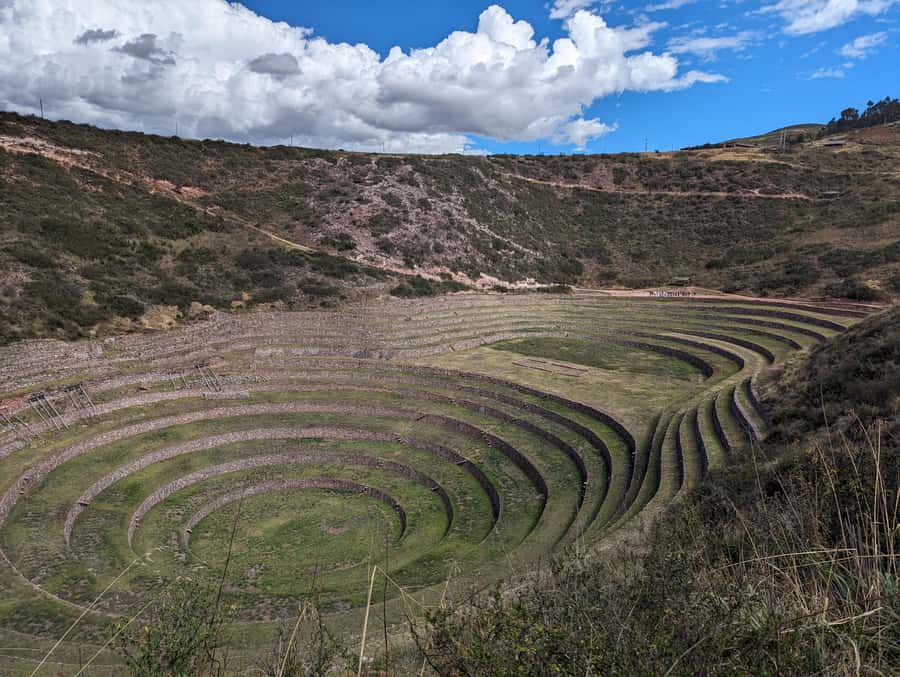
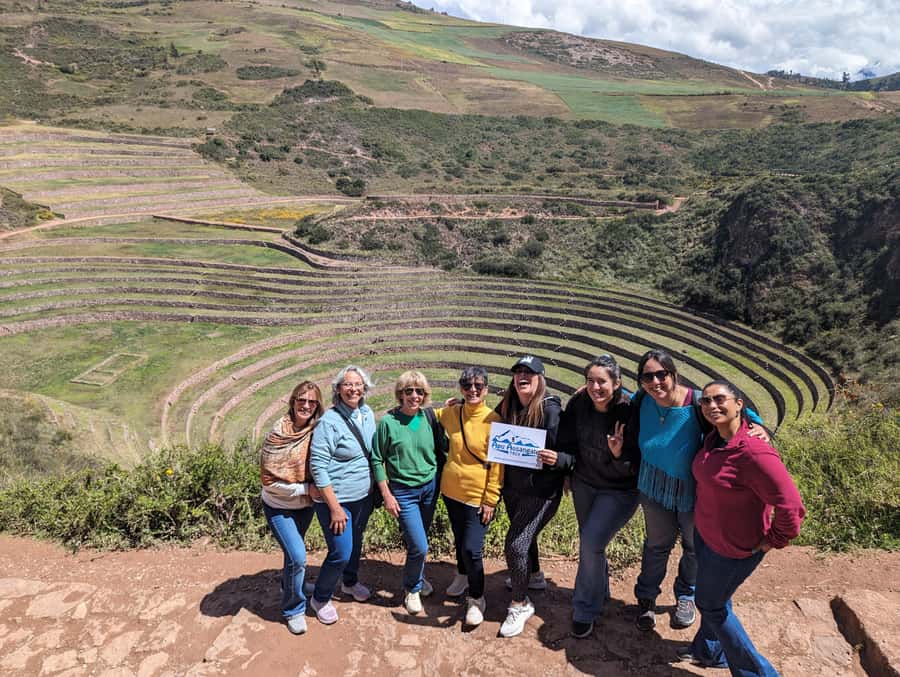
Moray receives about an hour for a guided visit, a photo stop, and a walk. Its wide, circular terraces are among the most unusual remains in the Sacred Valley.
The Incas built these terraces into the hillsides to grow crops in difficult mountain conditions. The circles descend into the ground like a natural amphitheater, but their purpose was practical. The design created different growing conditions from one level to another, making better use of land that would otherwise have been hard to farm.
I find this stop most rewarding when the guide connects the stonework to ordinary food production. It is easy to admire the shape and move on. A good explanation shows why the site mattered: the Incas were testing ways to grow crops across varied elevations and terrain.
The guides named in the booking information include Julio, Marco, Ricardo, Hipo, Rubén, Felipe, and others. Their strongest role here is explaining what you are looking at. The site has limited explanatory signs, so a bilingual guide makes a real difference. Guides have also pointed out native plants, explained medicinal uses, and demonstrated traditional rope-making from grass.
Allow yourself time to walk and take photographs, but remember that you are at high elevation in the Cusco Region. The schedule is full but not designed as a strenuous hike. Comfortable shoes and sun protection will make the visit easier.
Lunch in the Maras area
After the morning visits, the group stops for lunch in Maras. Lunch is included, which helps the $109 price make more sense, especially because transport covers the full route from Ollantaytambo to Cusco.
The meal has been singled out as delicious and well handled. One guide arranged special food for a participant who was feeling unwell, a small example of the personal care possible with a private tour. Drinks are not included, so bring soles for anything you order separately.
Lunch also provides a sensible pause. The morning includes several explanations and short walks, and the afternoon continues to Chinchero. If you are prone to altitude discomfort or motion sickness, use this break to eat lightly and drink water.
The exact restaurant is not specified, so do not book this expecting a named dining venue or a particular menu. Think of lunch as a convenient included meal in the middle of a long transfer day.
Somewhere else entirely, still within reach of Cusco:
- Cusco: Humantay Lake Tour with Breakfast and Buffet Lunch
★ 4.9 · 2,976 reviews - From Cusco: Full-Day Group Tour of Machu Picchu
★ 4.7 · 1,767 reviews - Machu Picchu Day Trip from Cusco
★ 4.5 · 1,644 reviews - Cusco: Half-Day City Tour with Sacsayhuaman and Q’enco
★ 4.6 · 1,129 reviews
Chinchero, weaving, and the shopping stop
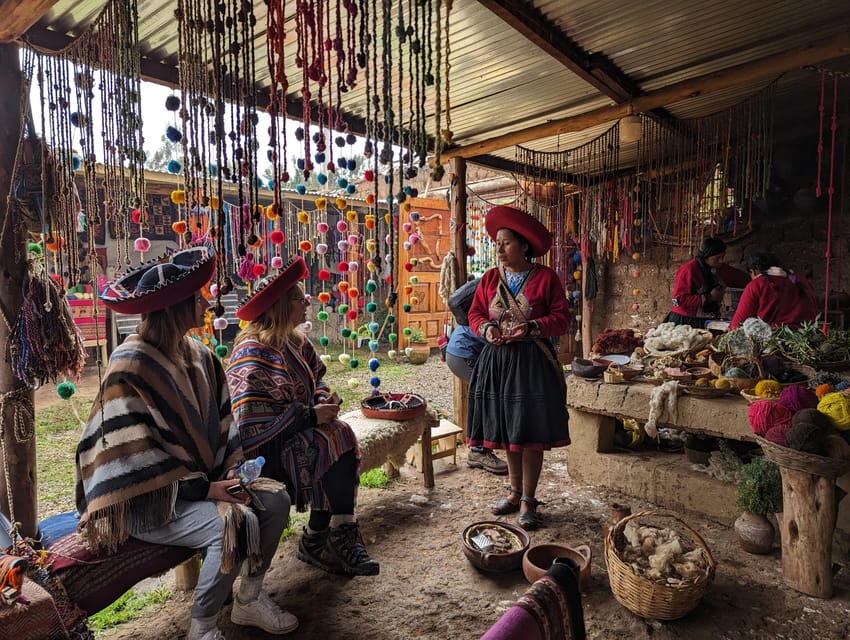
The afternoon visit to Chinchero includes roughly an hour for a guided walk, photographs, and a look around the district. A further 40-minute stop focuses on textiles and shopping.
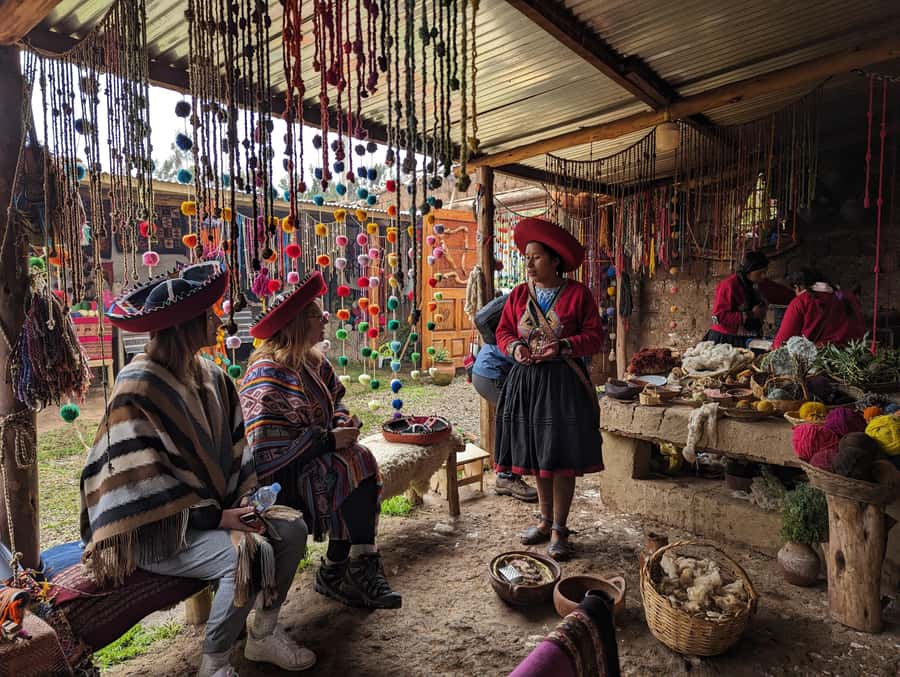
Chinchero is a rustic town with strong ties to Andean weaving. At the textile center, you can see traditional techniques used to make patterned cloth. The value of this stop is the explanation of how the textiles are produced, rather than simply browsing finished goods.
Ask the guide to explain the designs, materials, and process. The visit is meant to show a living cultural practice, not only an Inca-era display. That makes Chinchero a useful counterpoint to Moray and Maras, where the emphasis is more archaeological and agricultural.
You should know what the shopping portion feels like before booking. The schedule includes time at a textile center, and one additional shopping stop can feel unnecessary if you have no interest in buying. You are not required to purchase anything, but a sales setting can create mild pressure. If you prefer cultural explanation over shopping, tell your guide early and ask how much time will be spent there.
Still, this is not a throwaway stop. The weaving demonstration gives you a chance to see how older Andean methods remain part of local life. If you are looking for a meaningful textile purchase, it also gives you a place to examine the work and ask questions directly.
The ride to Cusco
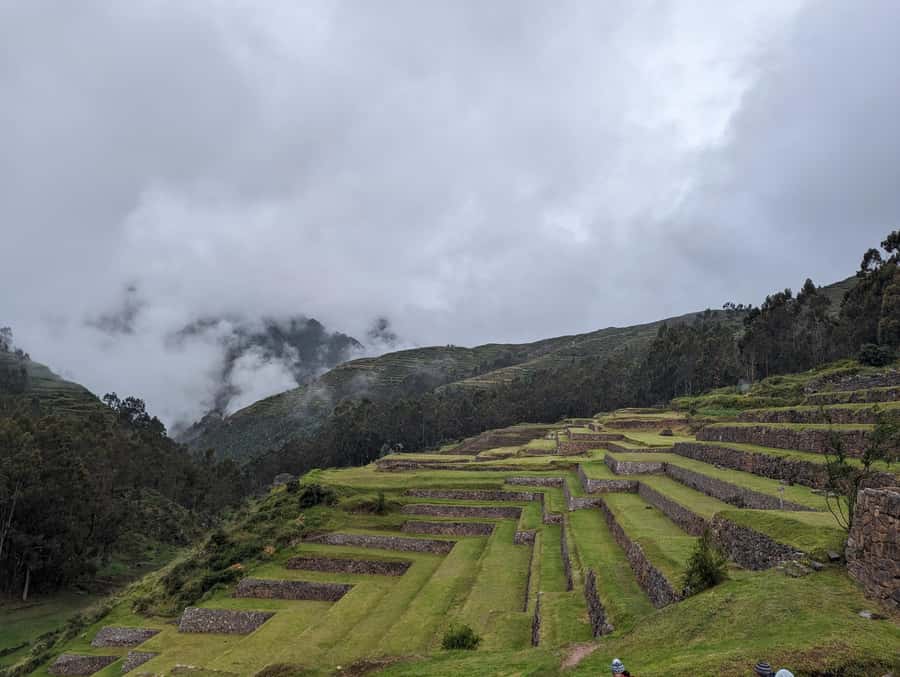
The final drive takes about an hour after Chinchero. You finish at Cusco’s main square or at your accommodation, depending on the arrangements.
This is one of the tour’s strongest practical features. A taxi from Ollantaytambo to individual sites would require separate planning, negotiation, and timing. This service puts the transportation, guide, visits, lunch, and final drop-off into one day.
The private vehicle also gives you more control than a large group bus. You can ask for a short pause, clarify a point, or discuss the timing with the guide. Past groups have described the vehicles as comfortable and the drivers as safe, with names such as Fernando, Alfredo, Americo, and Johan receiving special praise.
Do not treat the driving time as wasted time. The Sacred Valley views are part of the experience, with mountain roads, farming areas, and broad valley outlooks along the way. Keep your camera handy, though exact photo stops depend on road conditions and the day’s timing.
What the $109 price really includes
At $109 per person, the tour is not the cheapest way to move between Ollantaytambo and Cusco. It can be good value if you already planned to visit Moray, Maras, and Chinchero, because the price includes transportation, a bilingual guide, lunch, pickup, and drop-off.
The important extra cost is the partial tourist ticket. The supplied price is 70 soles for Ollantaytambo, Moray, and Chinchero, purchased at the first site. The salt mine entrance is separate at 20 soles. Drinks are also extra.
The Ollantaytambo portion needs special attention. The regular route begins with pickup in Ollantaytambo but does not clearly include a visit to its Inca site. You can request the ruins as an addition when the booking is confirmed. If seeing Ollantaytambo’s terraces and temple is a priority, make that request before the day begins and ask how it changes the timing and ticket needs.
For someone who would otherwise pay for a private transfer and separate admissions, the package can be sensible. For someone who has already visited Moray, Maras, and Chinchero, the price is less compelling.
The guides make the difference
This tour depends heavily on the guide. The places are impressive, but the site signs are limited, and the meaning of the terraces, salt ponds, and textiles is easy to miss without context.
Guides such as Julio have been noted for clear English, friendly explanations, and useful suggestions for later time in Cusco. Marco has been praised for answering questions and taking photographs. Felipe added a coca leaf ceremony and adapted lunch for a participant who felt ill. Ricardo was valued for his understanding of local people and the area, while Hipo helped keep the day detailed but unhurried.
Names and assignments can change, so you cannot book a particular guide unless the operator confirms one. You can expect Spanish and English guiding, and the private format gives you a better chance to shape the conversation around your interests.
The drivers matter too. A calm driver makes the mountain roads easier, especially after a long day. The combination of driver and guide has been one of the most consistently praised parts of the experience.
Timing, pace, and practical preparation
The listed route includes about one hour of driving from pickup to the first major stop, then shorter transfers between Maras and Moray, lunch, Chinchero, and Cusco. The full day is active, but the visits themselves are broken into manageable sections.
You should bring:
- Sunglasses and a sun hat
- Sunscreen, preferably biodegradable
- Comfortable walking shoes
- A camera
- Cash in Peruvian soles
- Any personal items you need for a full day away from your hotel
Alcohol and drugs are not allowed. The activity is not suitable for people over 95 years old, according to the stated restrictions.
Free cancellation is available up to 24 hours before the activity for a full refund. You can also reserve and pay later, which helps if your Sacred Valley schedule is still changing. Check the available starting time because the exact departure hour is not fixed in the information provided.
Who should book this experience
I would choose this tour if you are staying in Ollantaytambo and need to reach Cusco while still wanting to see more of the Sacred Valley. It is also a strong fit for couples, families, and small private groups who prefer a car to a crowded bus.
It suits you best if you want explanations, not just transport. The guide-led format gives Moray and Maras much more meaning, and Chinchero adds a cultural stop that is different from the stone sites.
Families may appreciate the private pace. A guide has entertained a five-year-old by pointing out medicinal plants and showing how Andean people made rope from grass. That kind of flexibility is harder to arrange in a large group.
I would hesitate if you dislike shopping stops, want a very short transfer, or have already visited all three sites. The added entrance fees also mean you should compare the full cost, not just the advertised $109.
Should you book it?
Book this tour if you are moving from Ollantaytambo to Cusco and want the road between them to count as part of your trip. The mix of Moray’s farming terraces, Maras’s working salt ponds, Chinchero’s weaving, included lunch, and private transport gives you a broad introduction to the Sacred Valley in one day.
Before paying, budget 90 soles for the two main admission charges, confirm the pickup and drop-off details, and request Ollantaytambo’s ruins if you want them added. If you can accept the textile shopping stop, this is an efficient and well-supported way to reach Cusco without giving up a day of sightseeing.
FAQ
Where does the tour begin?
Pickup is provided from your hotel or train station in Ollantaytambo.
Where does the tour finish?
The tour finishes in Cusco, either at the main square or at your accommodation.
How long does the experience last?
It lasts one day. The exact starting time depends on availability.
Is lunch included?
Yes. Lunch in the Maras area is included. Drinks are not included.
Are entrance tickets included?
No. The partial tourist ticket for Ollantaytambo, Moray, and Chinchero costs 70 soles and can be purchased at the first site. The salt mine entrance costs 20 soles.
Can Ollantaytambo’s Inca site be added?
Yes. You need to request the addition when the booking confirmation is sent.
What languages does the guide speak?
Guiding is available in English and Spanish.
Is the tour private?
Yes. The activity is arranged for a private group with transportation and a bilingual guide.
Recently added around Cusco
- Palcoyo colored mountain hike + stone forests★ 4.6 · 3 reviews
- Maras Moray★ 5.0 · 3 reviews
- Full-Day Condor Viewpoint & Inca Sites Tour★ 5.0 · 3 reviews
- From Cusco: Vinicunca Mountain of Colors Excursion + Ticket★ 5.0 · 3 reviews
- Excursion Cusco – Puno – Titicaca Observatory Train★ 5.0 · 3 reviews
- Machu Picchu: Private Tour Guide Service for up to 15 people★ 4.5 · 3 reviews
- Machu Picchu: 1-day tour by Vistadome Observatory train★ 5.0 · 3 reviews
- Cusco: Chonta Canyon and Condor Flight Tour with Lunch★ 5.0 · 3 reviews
Maras and Moray Tours, compared.

Sacred Valley & Maras Salt Mines Tour with Lunch
Read our review →
Moray, Maras Salt Mines & Chinchero Weavers Tour
Read our review →
Sacred Valley, Pisac, Ollantaytambo, Salt Mines Moray
Read our review →
Chinchero,Moray & Salt Mines drop-off in Ollantaytambo
Read our review →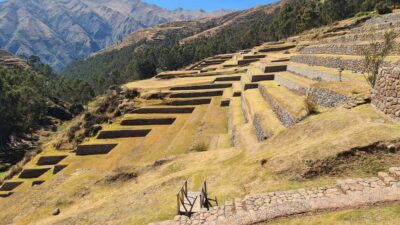

Moray, Maras Salt Mines & Chinchero Weavers Half-Day
Read our review →Browse the lists this tour appears in