
Reviewed · LIMA TOURS
From Lima: Cordillera de la viuda | Mountain Exploration
The appeal here is simple: in one very long day, you move from Lima’s dry foothills to high Andean lagoons, then return through small-town Peru. Checta’s mysterious stone drawings and the snowy Cordillera de la Viuda give the morning real variety.
I like the mix of ancient rock art and living rural culture, especially the Huaros trout farm and Canta market. I also like that oxygen, coca leaves, first aid, and a payment to Pachamama are included. The trade-off is the road time. This is a 5am to 9pm outing, and one account describes rough roads, heavy traffic, and a tiring transport experience.
Key points to know before booking
- Checta Petroglyphs: See stylized figures of animals, hunters, people, cosmic forms, and abstract marks carved into stone.
- Four Andean water stops: Laguna de Chuchun, Laguna Ocho, Laguna Leoncocha, and views toward the Cordillera de la Viuda form the scenic center of the day.
- Huaros community visit: Learn how trout farming supports a local mountain community.
- Canta’s food market: Look for flat bread, rosquitas, humitas, tamales, honey, cheeses, and other local products.
- Spanish-only guiding: The tour includes a live official guide, with Wilma, Alejandro, and Gabo praised for attentive service on different departures.
- Long, demanding schedule: The tour costs $39 per person, but you pay with a full day, early start, and potentially difficult road travel.
Why the Cordillera de la Viuda trip is worth considering
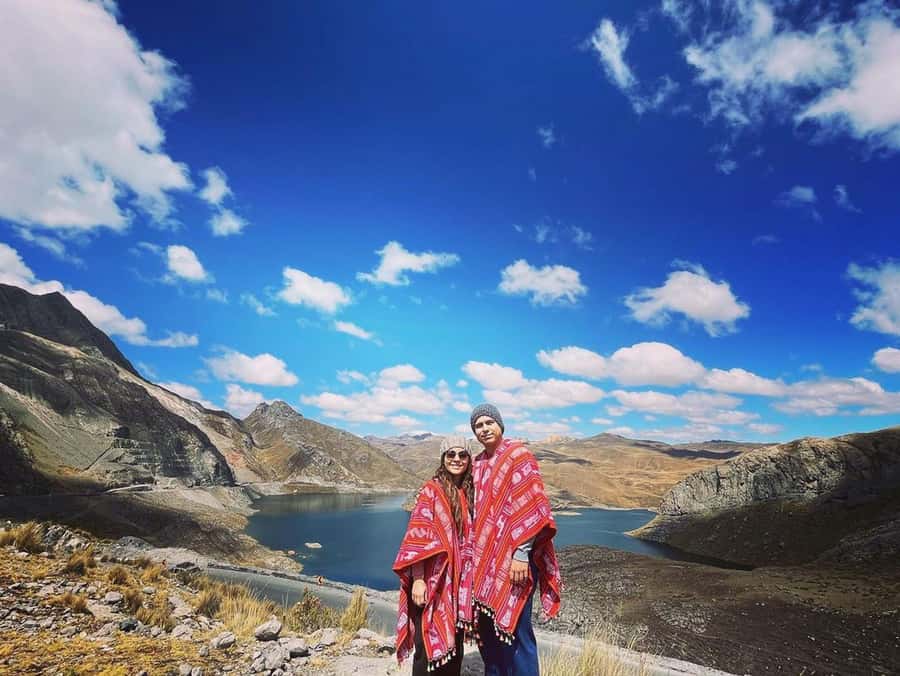
The Cordillera de la Viuda offers a sharp change from Lima. The city is dry, crowded, and coastal. This route carries you into mountain scenery where the air, roads, and pace feel different. You are not signing up for a single polished attraction. You are signing up for a string of stops that show how people, beliefs, food, water, and history fit together in the Lima mountain region.
At $39 per person, the price is low for a 16-hour outing that includes transport, a guide, group oxygen, a first aid kit, coca leaves, a Pachamama payment, and photography. Food is not included, and the lagoon entrance costs S/3. A boat ride, if you choose it, costs S/7, with prices subject to change.
I see this as a value trip for someone who wants maximum coverage at a modest price. It is less appealing if you prefer slow travel, comfortable roads, or plenty of time at each stop. The schedule packs in a lot, so you should expect short visits and long periods in the vehicle.
Other Lima days that pair with this one:
- Lima: Ultimate Peruvian Food Tour
★ 4.9 · 700 reviews - Full Day Paracas Ica and Huacachina from Lima All Included
★ 4.5 · 623 reviews - Lima’s Vibrant Heritage: Exploring the City’s Landmarks Half-day
★ 4.5 · 581 reviews
Leaving Lima at 5am for the mountain road
The meeting point is the La Rambla shopping mall, with the exact GPS location sent to you. Departure is scheduled for 5am, so confirm the precise pickup details before bed. The return is planned for about 9pm at the same initial starting points.
That timing matters. You get a full day of mountain scenery, but this is not a gentle late-start excursion. Bring a small bag that keeps your essentials close: sunglasses, sunscreen, insect repellent, and swimwear are specifically recommended. The swimwear may be useful around the lagoons, though the information does not promise swimming conditions or a swimming stop.
The road itself is an important part of the decision. One poor account describes around five hours on rough roads and severe traffic, along with uncomfortable transport. I would treat that as a serious warning, not a reason to dismiss the entire experience. Mountain trips from Lima can be hard on the body, and the condition of the vehicle may shape your day as much as the scenery does.
The operator includes oxygen for the group and coca leaves, which shows that altitude is taken seriously. Still, those provisions do not turn a long mountain day into an easy one. If you are sensitive to winding roads or altitude, plan conservatively and listen to your body.
Reading the stones at Checta Petroglyphs
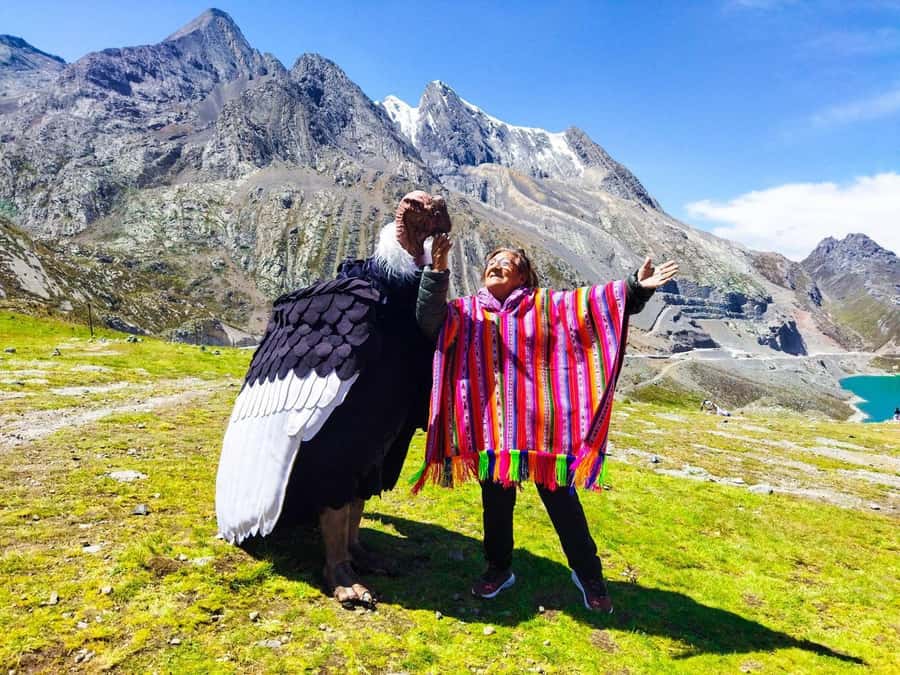
The first major cultural stop is the Checta Petroglyphs. The stones carry stylized drawings of animals, human figures involved in hunting, cosmic elements, and abstract shapes. Their meaning is open to different interpretations, which is part of the attraction.
I like this stop because it asks you to look closely. It is not just a photo stop with one obvious monument. You are studying marks on stone and trying to make sense of images created long before modern roads reached the area.
Your guide is important here. A Spanish-speaking guide can explain the broad setting and point out forms you might miss on your own. If you do not speak Spanish, ask in advance about language support. The supplied details identify Spanish as the tour language and do not promise English interpretation.
Checta also gives the day a useful opening. Before the lagoons and mountain views, you get a sense that this region has been used, observed, and given meaning for a very long time. Keep your expectations measured. The experience is about seeing the petroglyphs in their setting, not visiting a large museum with extensive displays.
A quick pause at Cochapampa viewpoint
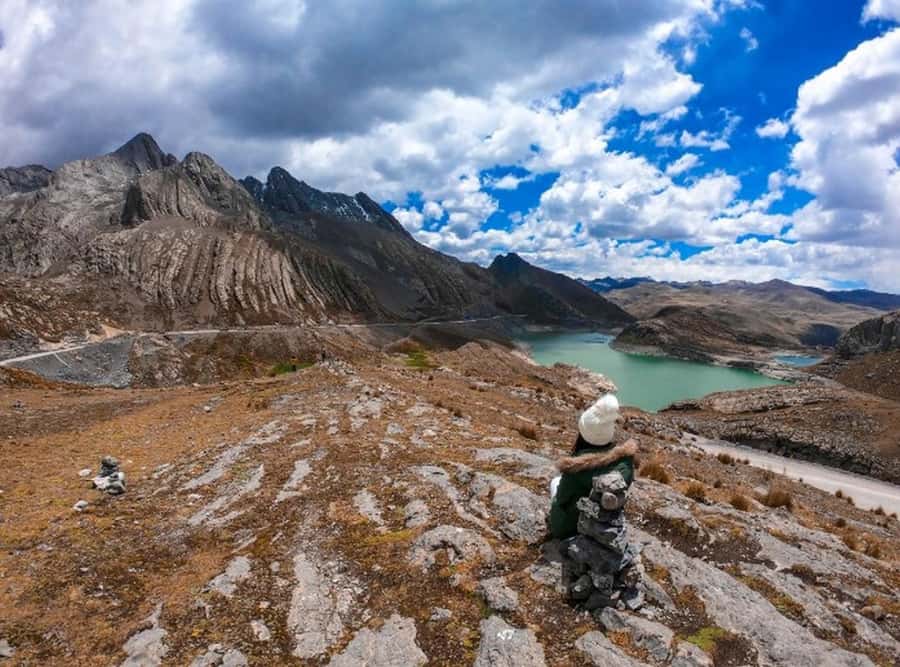
The route includes a stop at the Cochapampa viewpoint. This is a brief scenic pause rather than a major destination, but it breaks up the road journey and gives you a chance to take in the mountain setting.
Viewpoints are especially useful on a packed excursion because they help you understand the shape of the route. You are not only being driven from one named stop to another. You are watching Lima’s surroundings change as the road climbs into the mountains.
Keep your camera ready and your expectations flexible. The information does not state how long the stop lasts or what facilities are available. A viewpoint is best treated as a short chance to stretch, photograph the scenery, and reset before the next road section.
Somewhere else entirely, still within reach of Lima:
- From Lima: Day trip to Paracas, Ica and Oasis Huacachina
★ 4.6 · 409 reviews - Private transfers from Lima Airport or to Lima Airport
★ 4.0 · 359 reviews - Lima: Paracas and the Huacachina Oasis Guided Day Tour
★ 4.5 · 354 reviews - Lima: The Charm of Barranco & Pre Inca Pyramid in Miraflores
★ 4.9 · 322 reviews
The main scenic stretch: Chuchun, Ocho, and Leoncocha
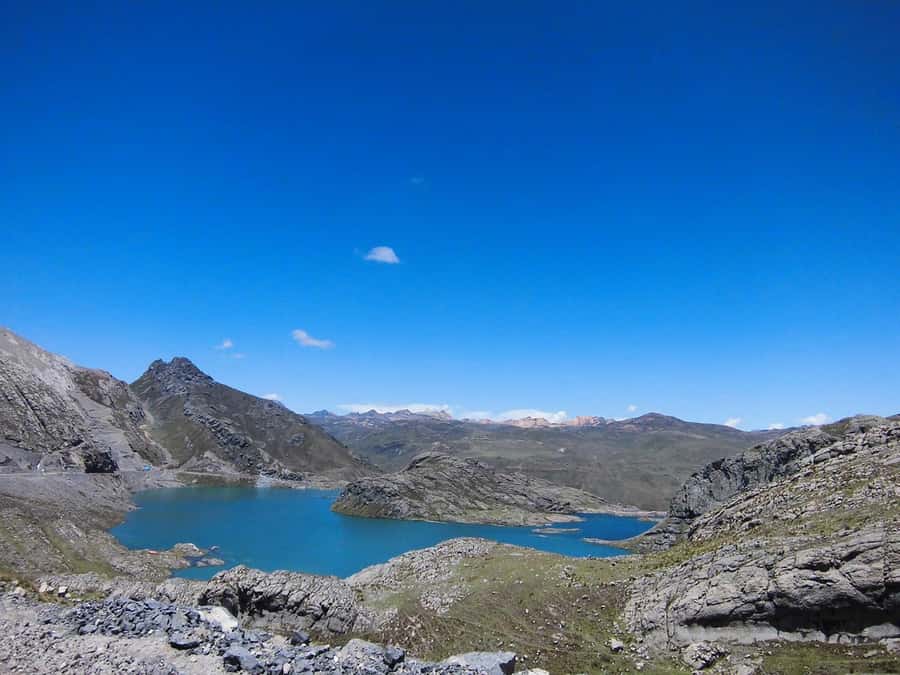
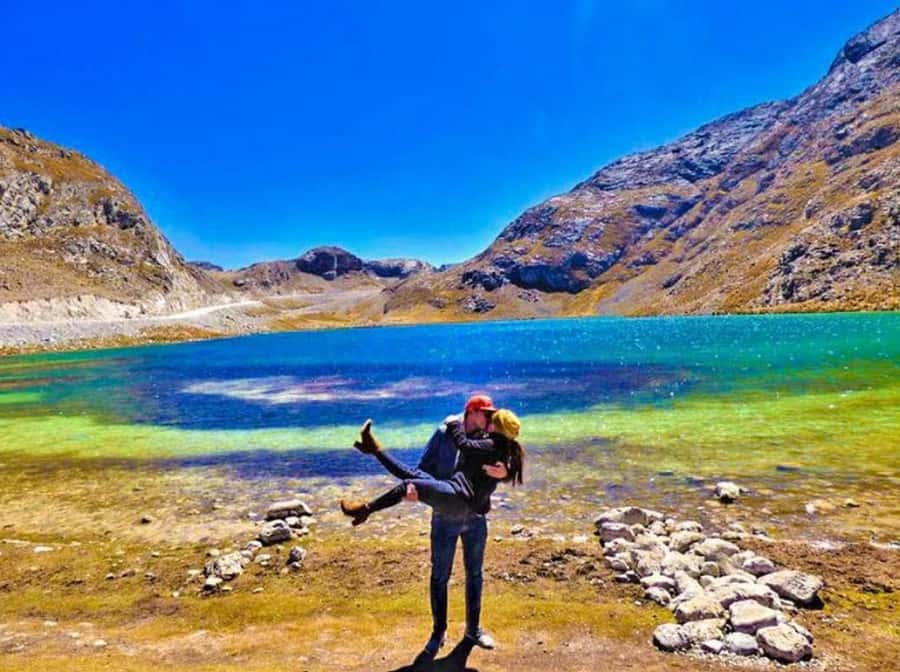
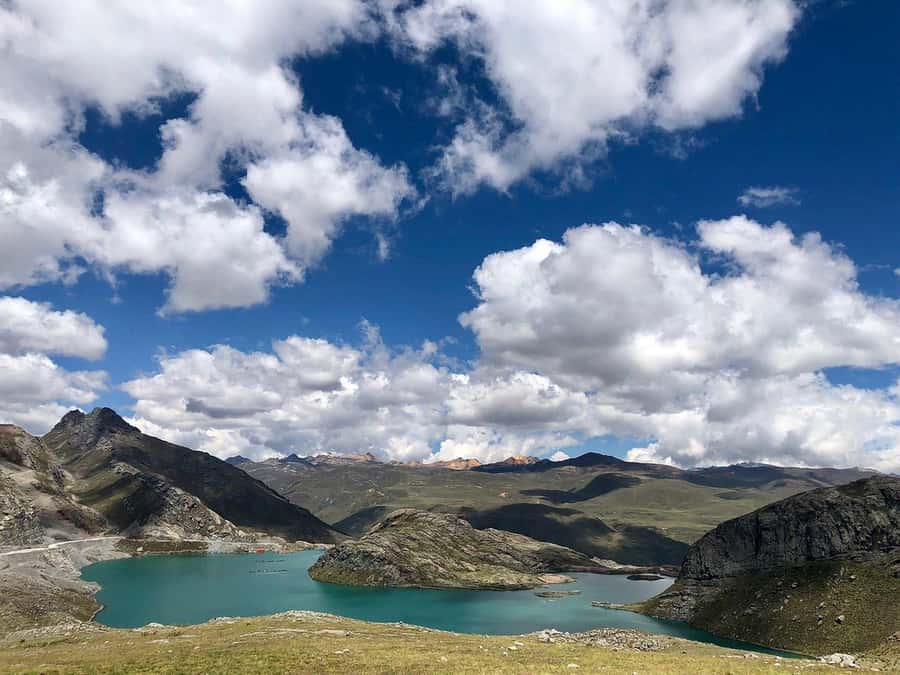
The central part of the trip reaches Laguna de Chuchun, Laguna Ocho, and Laguna Leoncocha. The program also includes views of the snow-capped Cordillera de la Viuda. This is where the outing earns its mountain-exploration label.
Laguna de Chuchun is presented as the main point of the route, while the other lagoons add variety to the scenery. You can expect open mountain views, cold-looking water, and a setting far removed from Lima’s coast. The snow-capped peaks give the day a strong visual finish, especially after the earlier petroglyph stop.
The lagoon entrance fee is S/3. A boat trip is listed at S/7, although it is optional and prices can change. That small extra cost may be worthwhile if you want to see the water from a different angle, but do not assume the boat is part of the base fare.
This section also has practical limits. The schedule does not state how long you spend at each lagoon, and the road conditions can affect the timing. You may get excellent views, but you should not book this expecting a quiet half-day beside one lake. The route aims to show several places in one sweep.
Bring sunscreen even if the air feels cool. Mountain sunlight can be strong, and sunglasses will help with glare. Insect repellent is also on the recommended packing list. The inclusion of swimwear suggests a possibility of water-related activity, but you should confirm the exact plan if that matters to you.
Meeting the Huaros community through trout farming
After the lagoons, the group visits the fish farm of the Huaros community. You learn about trout farming and how the activity works in a mountain setting.
This is one of the most useful stops because it connects scenery with daily life. A lake may look untouched from a distance, but mountain communities use water and land in practical ways. Trout farming gives you a glimpse of local work rather than another scenic photo stop.
The visit also makes the day feel less like a race through viewpoints. You get a direct connection to a community and an example of local production. The description calls the farming sustainable, so the guide should explain how the operation works and why it matters to Huaros.
Lunch follows this part of the route, but food is not included in the $39 price. You should budget separately and clarify the lunch arrangement before departure. The details supplied do not name the restaurant, menu, or meal cost, so do not assume a particular dish or dining standard.
Canta, the Heroic Villa
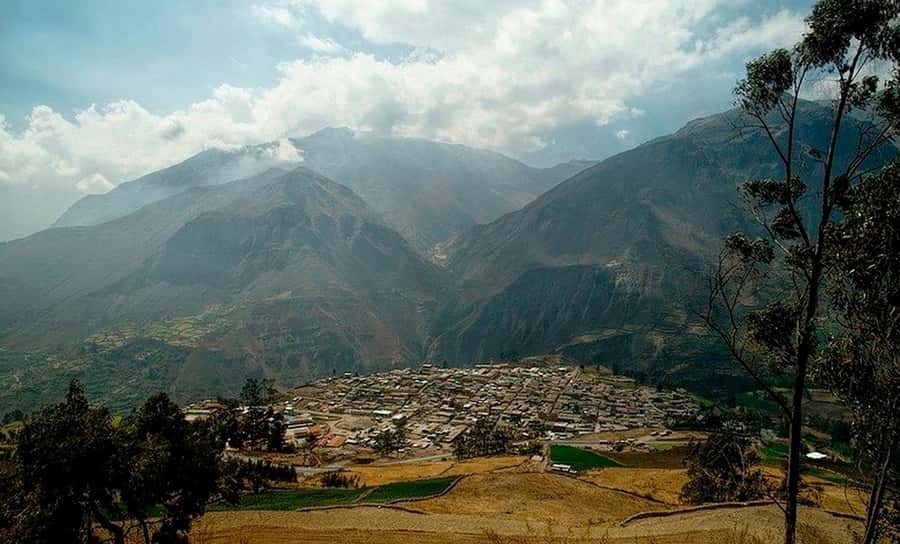
The afternoon continues to Canta, also known as the Heroica Villa. The town is linked with battles for independence and with the war with Chile, giving the stop a clear place in Peru’s national story.
The city tour centers on the Plaza de Armas, its historic colonial pool, Republican-era portals, and the church. You will also see the patron figures of Canta, including Mariscal Chaperito, described as the most important patron of the town.
I like this portion because it slows the subject matter down. The morning is about stone carvings and mountain water. Canta shifts the focus to a living town, public spaces, religious images, and local memory. You get a chance to walk, look at architecture, and see how a smaller Peruvian city presents its past.
Do not expect a large urban sightseeing program. Canta is included as a compact city tour within a much longer circuit. The value comes from the contrast with the high lagoons, not from spending an entire afternoon in town.
Shopping for local food at Canta market
The market is one of the most practical stops. Suggested purchases include flat bread, rolls, rosquitas, humitas, tamales from Canta, honey, manjar blanco, cow butter, cow cheeses, and beef.
This is where you can turn the trip into a food experience rather than simply buying souvenirs. Local baked goods and dairy products are useful take-home choices if you have room in your bag. Humitas and tamales may also give you a better sense of the area’s everyday cooking than a standard restaurant meal.
Bring small bills if possible, although the supplied information does not specify payment methods. The tour includes time for shopping, but it does not say how long you have or which vendors will be open. Buy only what you can carry comfortably for the remaining journey back to Lima.
The market also gives you a chance to spend directly in the town. That matters on a low-cost group tour. A modest purchase supports local sellers and gives you something connected to the place, rather than a generic item from a city shop.
Santa Rosa de Quives and the wishing well
The final cultural stop is the Santa Rosa de Quives sanctuary. You visit the sanctuary where the patron saint lived, along with the chapel and wishing well.
This is a quieter close to the sightseeing portion of the day. After petroglyphs, lagoons, trout farming, market shopping, and a town tour, the sanctuary offers a religious setting and a different kind of local tradition.
The stop is especially suitable if you enjoy places where faith is part of community life. You do not need to treat it as a major architectural monument to appreciate it. The chapel and wishing well are tied to the saint’s presence and to the devotional customs of the area.
The supplied details do not state whether the tour includes a religious service or how much time is spent inside. Expect a visit to the sanctuary, chapel, and well, with the guide providing context in Spanish.
Guides, service, and what the price includes
The tour includes an official tourist guide, and Spanish is the stated language. Several guides and staff members receive specific praise for their care: Alejandro and Gabo are named for excellent attention, while Wilma and driver Edgar are singled out for an interesting tour, attentive driving, and friendly service.
That is useful information when you are weighing a budget group tour. The quality of a long day often depends on communication, timing, and the driver as much as on the attractions. If your departure is handled by one of these people, you can reasonably hope for a personable experience, but staff assignments can change.
Included services are:
- Transport from the meeting point and back
- Official Spanish-speaking guide
- Oxygen for the group
- Coca leaves
- Payment to Pachamama
- First aid kit
- Photography during the tour
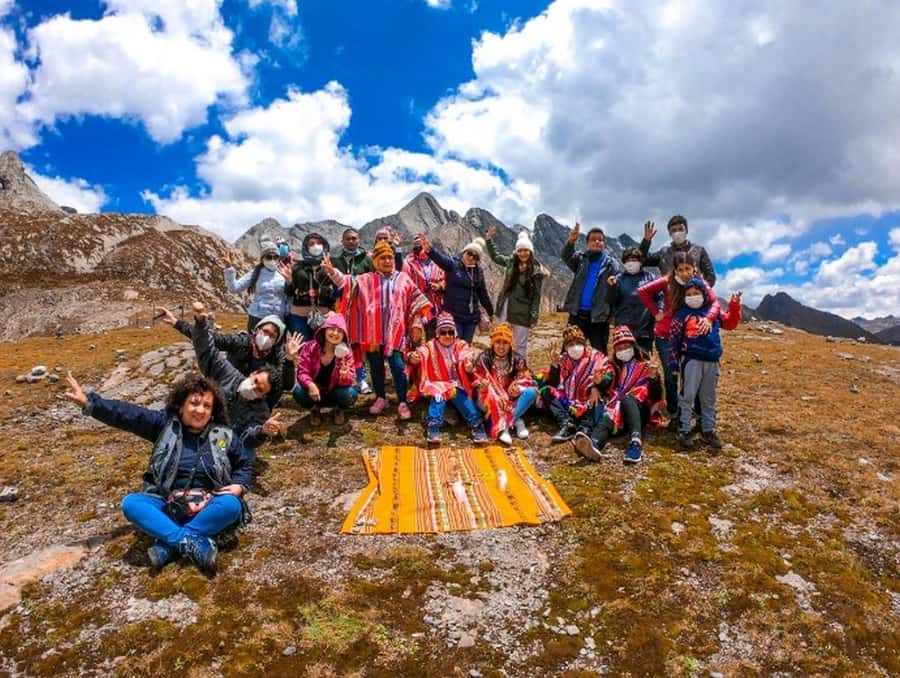
Photography is a nice extra, especially when you are moving through several stops and may not have time to arrange every picture yourself. One practical point remains: confirm how and when the photos will be delivered. A guest was still waiting for photos after the tour, so do not leave the country before checking the delivery plan.
The payment to Pachamama and coca leaves also show that the operator has included elements connected with Andean travel traditions. These are not substitutes for cultural understanding, but they can add context when the guide explains their purpose respectfully.
Who should book this 16-hour mountain trip?
I would recommend this outing to you if you want a broad taste of Lima Province beyond the capital and you are willing to accept a hard, early, road-heavy day. It suits curious visitors who would rather see several smaller places than spend the day at one famous site.
It is also a good fit if you value variety. You get archaeology, mountain water, snowy peaks, community farming, town history, a local market, and a sanctuary in one schedule. Few low-cost day trips offer that range.
I would hesitate if you need a comfortable vehicle, dislike rough roads, or want generous time at each stop. The negative account about poor transport and traffic deserves attention. A 16-hour program leaves little room for delays, long meals, or extra rest.
The tour is Spanish-only, so basic Spanish will help you follow explanations and manage purchases. If you do not speak Spanish, ask the provider before booking about language options rather than assuming another guide can be arranged.
The cancellation policy is flexible: you can cancel up to 24 hours in advance for a full refund, and reserve now while paying later. If online reservations close, the provider says you can contact them about a last-minute place. Those terms reduce booking risk, but they do not remove the need to confirm the pickup point and departure details.
Should you book the Cordillera de la Viuda tour?
Book it if your priority is maximum variety for $39 and you are comfortable with a 5am start, a late return, Spanish guiding, and possible road discomfort. The strongest parts are the unusual Checta carvings, the cluster of Andean lagoons, the Huaros trout farm, and the chance to shop for Canta specialties.
Skip it if comfort and spare time matter more than coverage. This is an ambitious regional circuit, not a relaxed mountain retreat. Confirm the transport details, lunch plan, photo delivery, and exact meeting location before you commit.
FAQ
Where does the tour meet in Lima?
The meeting point is at the La Rambla shopping mall. The exact GPS location is sent to you after booking.
What time does the tour begin and end?
The scheduled departure is 5am, with arrival back in Lima at about 9pm. The total duration is 16 hours.
What language is the tour guide?
The live guide service is in Spanish.
What places are visited during the tour?
The route includes Checta Petroglyphs, Cochapampa viewpoint, Laguna de Chuchun, Laguna Ocho, Laguna Leoncocha, views of the Cordillera de la Viuda, the Huaros trout farm, Canta, its market, and the Santa Rosa de Quives sanctuary.
Is food included?
No. Food is not included in the tour price. Lunch takes place after the Huaros community visit.
How much are the lagoon entrance and boat fees?
The lagoon entrance is listed at S/3. A boat tour is listed at S/7. Both prices are indicative and may change.
What should I bring?
Bring sunglasses, swimwear, sunscreen, and insect repellent.
What services are included?
Transport, an official tourist guide, group oxygen, coca leaves, a Pachamama payment, a first aid kit, and photography during the tour are included.
Can I cancel the reservation?
Yes. You can cancel up to 24 hours in advance for a full refund. You can also reserve now and pay later.
Recently added around Lima
- Enjoy Lima Walking Historic Center, Plaza San Martin and Plaza de Armas★ 5.0 · 3 reviews
- From Lima: City tour Prehispanic + Colonial & Modern Lima★ 5.0 · 3 reviews
- Lima: City Sightseeing Panoramic Bus Tour★ 3.3 · 3 reviews
- City Tour Colonial and Modern Lima for 5 Hours★ 3.2 · 3 reviews
- Lima: Lunuhuaná Extreme All In + Cerro Azul + Rafting + ATV + Canopy★ 4.4 · 3 reviews
- Lima: Shanty Town Exploration★ 5.0 · 3 reviews
- Lima: Tour to Huaca Pucllana and Huaca Mateo Salado★ 5.0 · 3 reviews
- Lima: Historic Center Walking Tour with Pisco Sour Tasting★ 5.0 · 3 reviews
Lima Tours, compared.


Full Day Paracas Ica and Huacachina from Lima All Included
Read our review →
Lima’s Vibrant Heritage: Exploring the City’s Landmarks Half-day
Read our review →

Paracas and the Huacachina Oasis Guided Day Tour
Read our review →
The Charm of Barranco & Pre Inca Pyramid in Miraflores
Read our review →
Full Day to Paracas and Huacachina Desert Oasis
Read our review →
Pachacamac Ruins & Barranco Half-Day Guided Tour
Read our review →Browse the lists this tour appears in