
Reviewed · MARAS AND MORAY TOURS
From Cusco: Moray, Maras Salt Mines & Chinchero Weavers Tour
Moray’s giant circular terraces and Maras’ bright salt pools make an excellent one-day pairing: one shows how the Inca worked with soil and altitude, the other shows a living trade that began before the Inca era. I like the strong contrast between the sites and the fact that this tour fits into about six and a half hours.
I also like the clear explanations from guides such as Felipe, Julio, Jhon, and Manuel, plus the relaxed pace reported on many departures. The main catch is that the $15 price does not include the Moray and salt-mine admission fees, and the Chinchero and Maras stops include time for shopping.
Key points to know before you book
- Moray sits at 3,450 meters: Walk around the famous circular farming terraces while your guide explains their purpose and irrigation system.
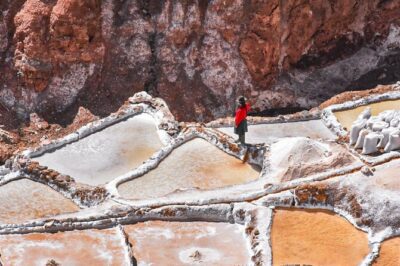
- Maras has about 3,000 salt pools: The shallow pools are still used to produce salt, and the narrow approach roads make a careful driver important.
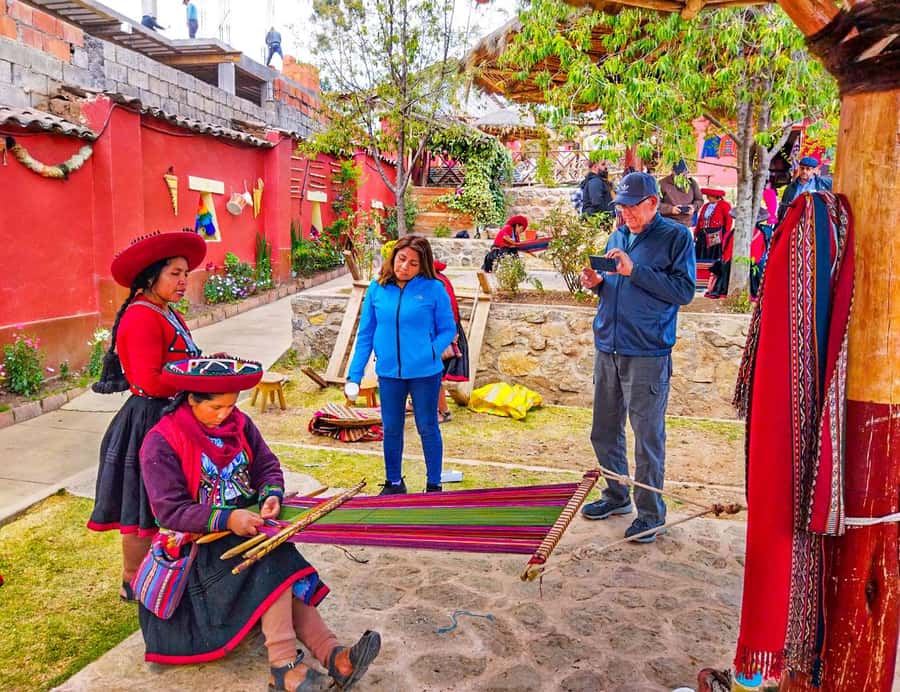
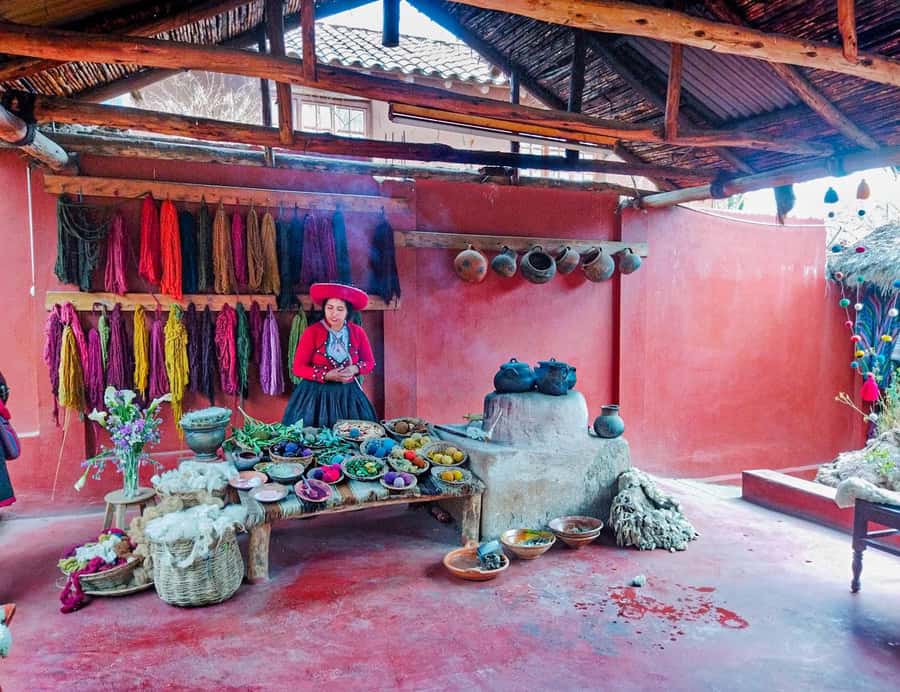
- Chinchero adds living culture: See Quechua textile methods, including dyes made from local plants and demonstrations involving alpaca goods.
- This is a full half-day: The stated duration is 390 minutes, with a return to Cusco in time for lunch on your own.
- Extra entrance fees matter: Allow 70 soles for Moray and 20 soles for the salt mines, paid separately.
- Sun and altitude shape the day: Bring water, a hat, sunscreen, cash, and shoes suitable for short walks without much shade.
Why this Cusco half-day works so well
If your time in Cusco is tight, this outing gives you three distinct subjects in one trip: Andean weaving, Inca agriculture, and salt production. It is not a marathon through every major Sacred Valley site. That is its strength.
The schedule uses short visits rather than one long stop. You spend about an hour at the Chinchero workshop, around 40 minutes at Moray, about 40 minutes at the salt mines, and roughly 20 minutes in Maras. That leaves time for driving, photos, bathroom breaks, and small shopping stops without turning the day into a race.
I especially like the mix of looking and learning. Moray is visually striking, but a guide helps you understand why the terraces matter. The salt pools are beautiful in a very different way, and the production process gives the visit a practical link to local life.
The tour is not designed for a long hike. You walk at each site, but the stops are short and the route is manageable for someone seeking a lighter day before a trek. You still need to take the high altitude seriously, especially at Moray, which sits at 11,318 feet.
more maras and moray mornings
- From Cusco: Sacred Valley & Maras Salt Mines Tour with Lunch
★ 4.8 · 2,227 reviews - Cusco: Sacred Valley, Pisac, Ollantaytambo, Salt Mines Moray
★ 4.6 · 1,058 reviews - Cusco:Chinchero,Moray & Salt Mines drop-off in Ollantaytambo
★ 4.8 · 793 reviews
Chinchero, where weaving is more than a souvenir stop
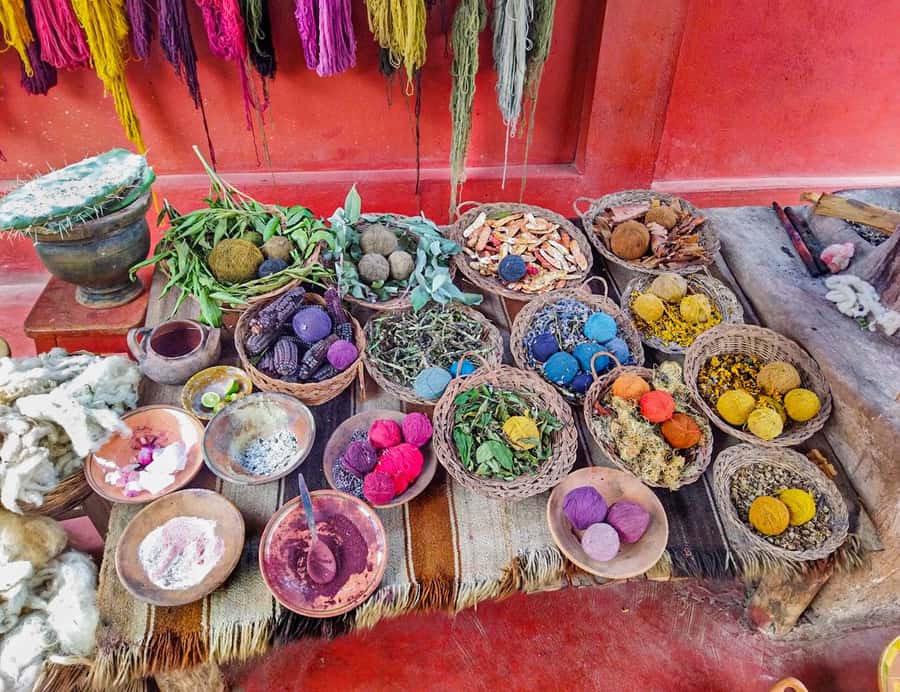
The first major stop is Chinchero District, at about 3,762 meters. Here, a local weaving workshop presents Quechua textile traditions, with demonstrations of how plants are used to create natural colors for Andean art.
This stop gives the day a human scale. Instead of seeing only old stonework, you watch a skill that continues in the present. The demonstration can include information about alpaca wool and locally made textiles, and you have time to browse the goods afterward.
I would treat the workshop as both a cultural visit and a shopping stop. Some people will enjoy looking at alpaca products and woven items, while others may find the retail portion less interesting. The schedule allows about an hour, so it is a substantial part of the morning rather than a quick photo stop.
You do not need to buy anything. The value is in seeing the dyeing and weaving process, then deciding for yourself if a textile or alpaca item is worth carrying home. Cash is useful here, as it is throughout the day.
Guides can add much to this section. Felipe, in particular, was praised for explaining local traditions, herbs, and cultural practices in clear English. The quality of the presentation can vary by guide, but the tour offers live guidance in English or Spanish.
Moray’s circular terraces at 11,318 feet
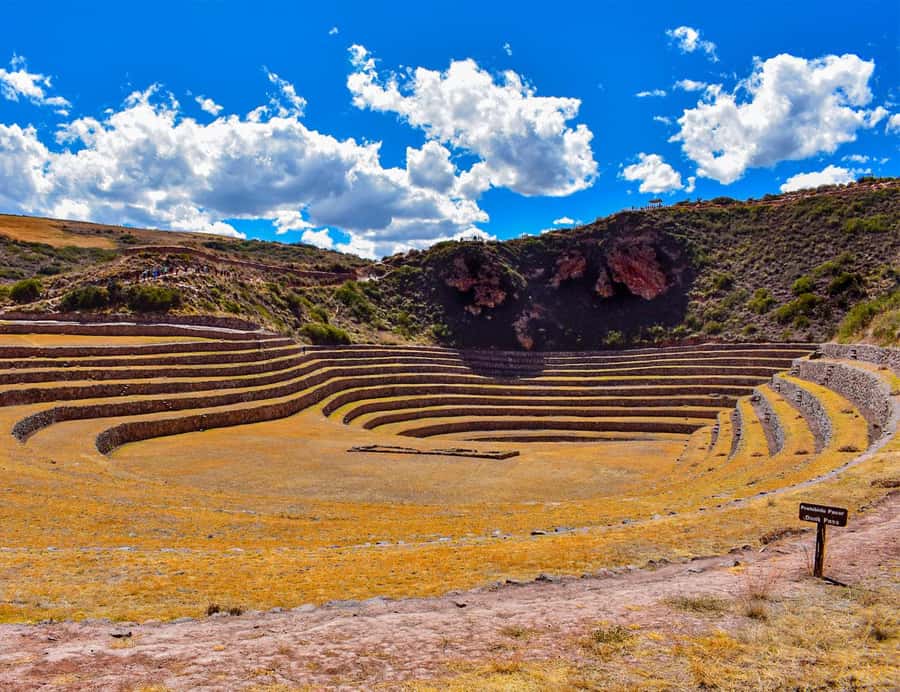
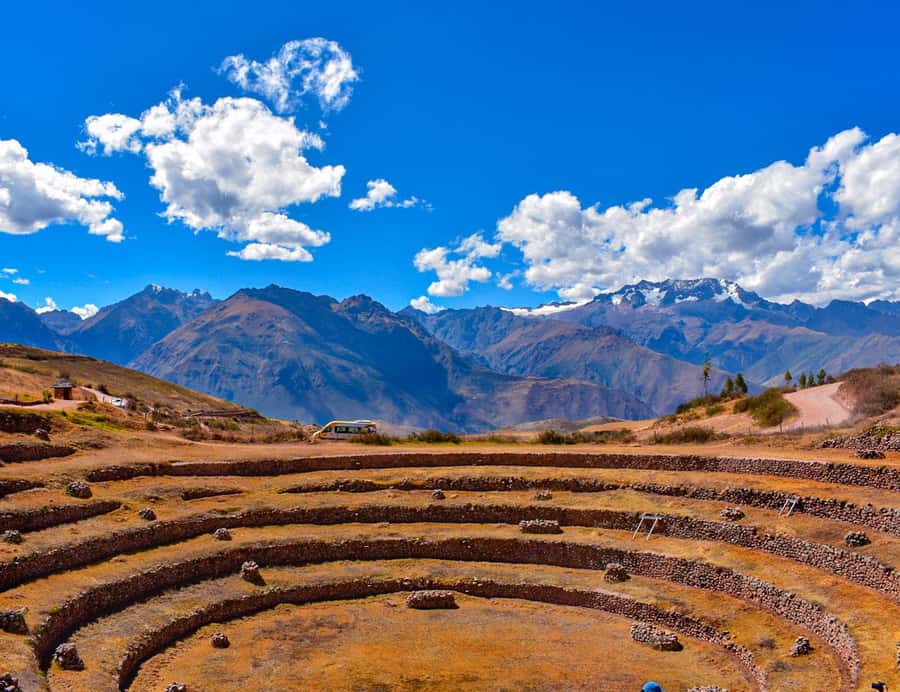
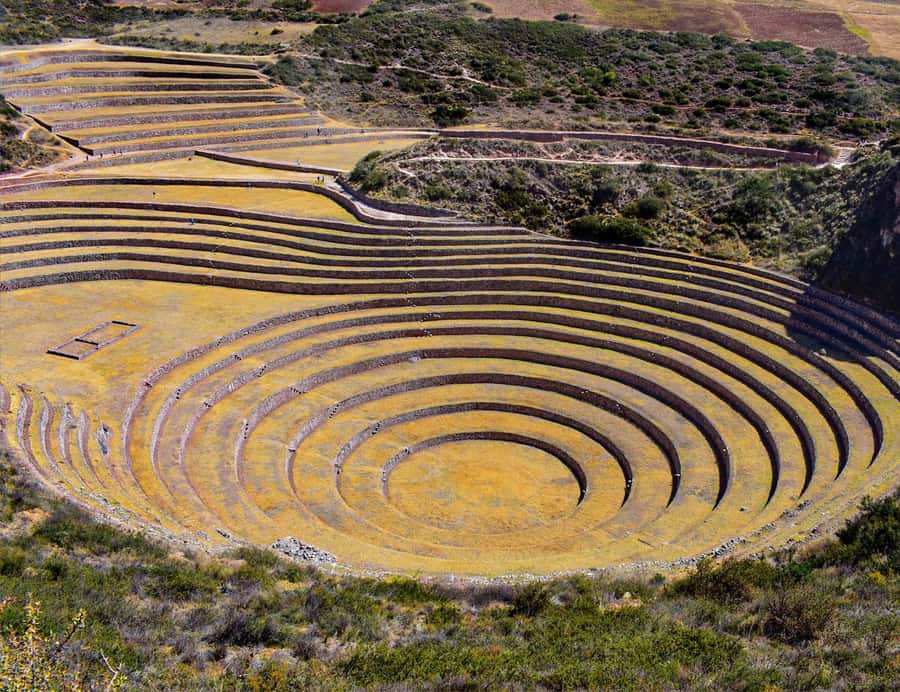
Moray is the archaeological centerpiece for anyone interested in Inca engineering. The site consists of broad circular terraces cut into a natural depression, with each level dropping toward the center.
Your visit includes a guided walk and photo time of about 40 minutes. That is enough to see the main formation, hear the explanation of the terraces and irrigation system, and take in the mountain views. It is not enough for a long, wandering archaeological visit, so set your expectations accordingly.
The interesting question here is why the Inca built terraces in this unusual shape. Your guide will discuss their agricultural purpose and the way the design worked with changing elevations and growing conditions. The site becomes much more meaningful when you connect the visible steps to food production rather than treating them as a giant stone amphitheater.
The altitude is the practical issue. At 3,450 meters, even a short walk can feel harder than expected if you have just arrived in Cusco or have not adjusted to the elevation. Walk slowly, drink water, and do not spend the first few minutes charging down the slopes for photographs.
There is limited shade, and the sun can feel strong. A hat and sunscreen are not optional extras here. Bring a camera, but also bring enough attention for the site itself, since the view across the terraces is the main event.
Maras Village adds colonial-era stonework
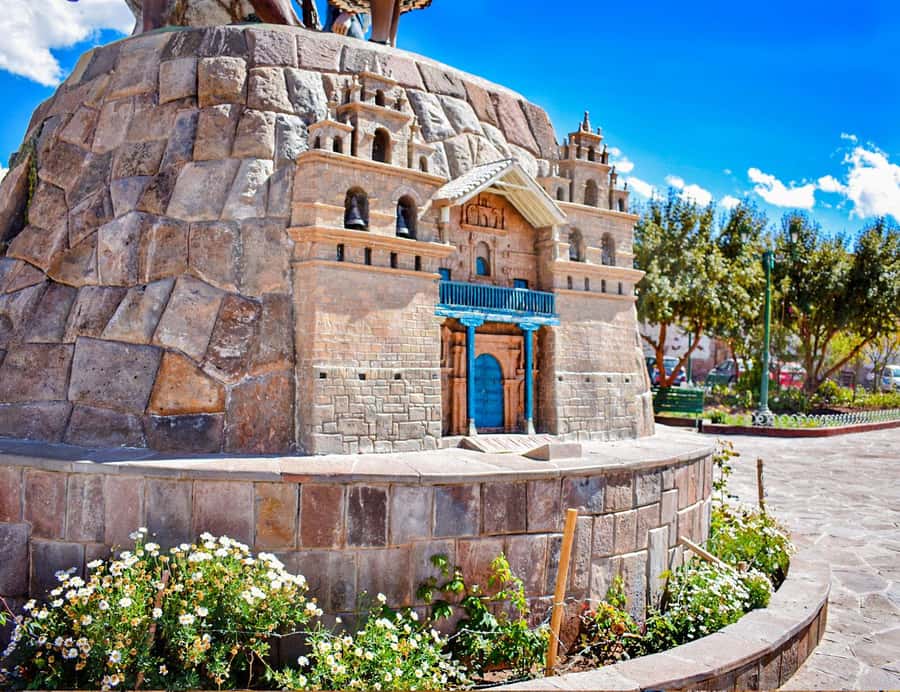
Before or around the salt-mine visit, the tour passes through Maras Village. The stop offers free time, shopping, and a workshop-style visit lasting about 20 minutes.
Maras is different from Moray. Here you see preserved colonial architecture and thin-stone buildings, giving the route a broader historical range. The day is not only about the Inca period. It also shows how later communities shaped the towns and buildings of the Sacred Valley.
This is a brief stop, so you should see it as a pause rather than a full village tour. You may have time to browse local products or take photographs, but the main archaeological explanation comes at Moray and the salt mines.
The shopping can be useful if you want salt products or small souvenirs without setting aside another afternoon. It can also feel like a sales-oriented break if you prefer a purely archaeological program. The good news is that several departures were described as relaxed, with no heavy pressure to purchase.
Somewhere else entirely, still within reach of Cusco:
- Cusco: Humantay Lake Tour with Breakfast and Buffet Lunch
★ 4.9 · 2,976 reviews - From Cusco: Full-Day Group Tour of Machu Picchu
★ 4.7 · 1,767 reviews - Machu Picchu Day Trip from Cusco
★ 4.5 · 1,644 reviews - Cusco: Half-Day City Tour with Sacsayhuaman and Q’enco
★ 4.6 · 1,129 reviews
The Maras Salt Mines are still working
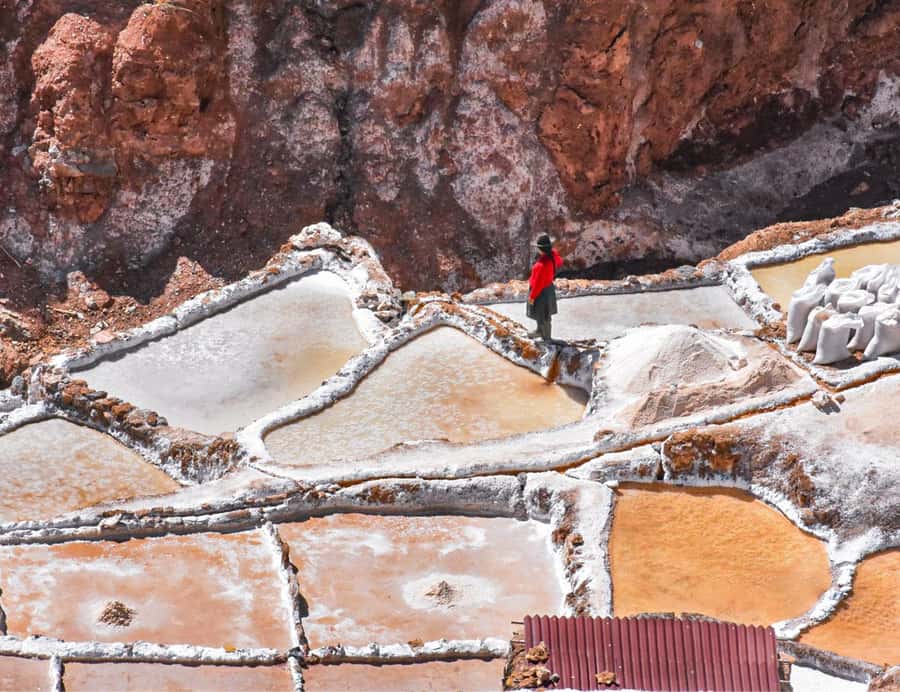
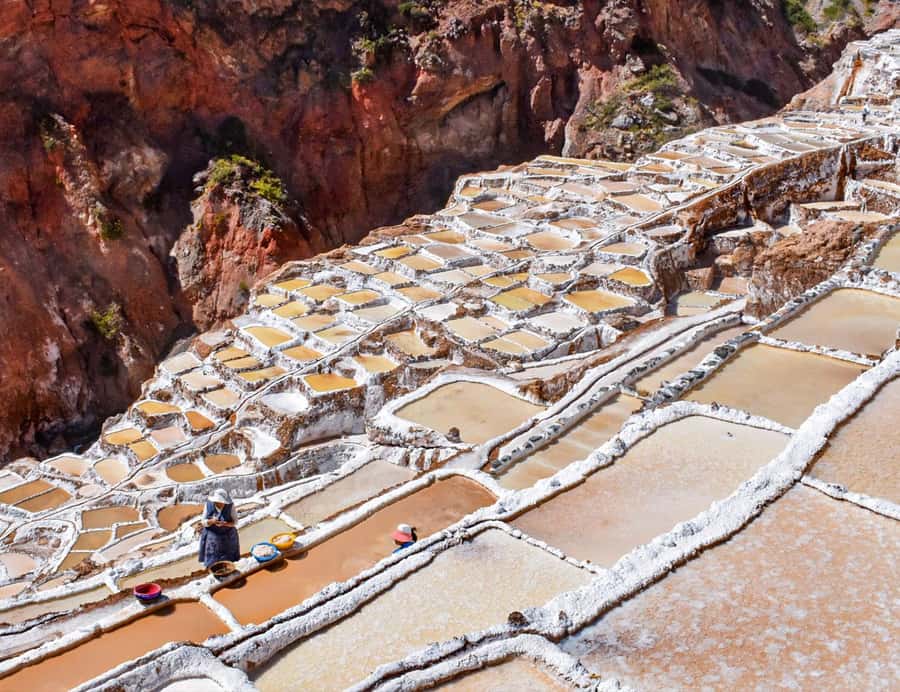
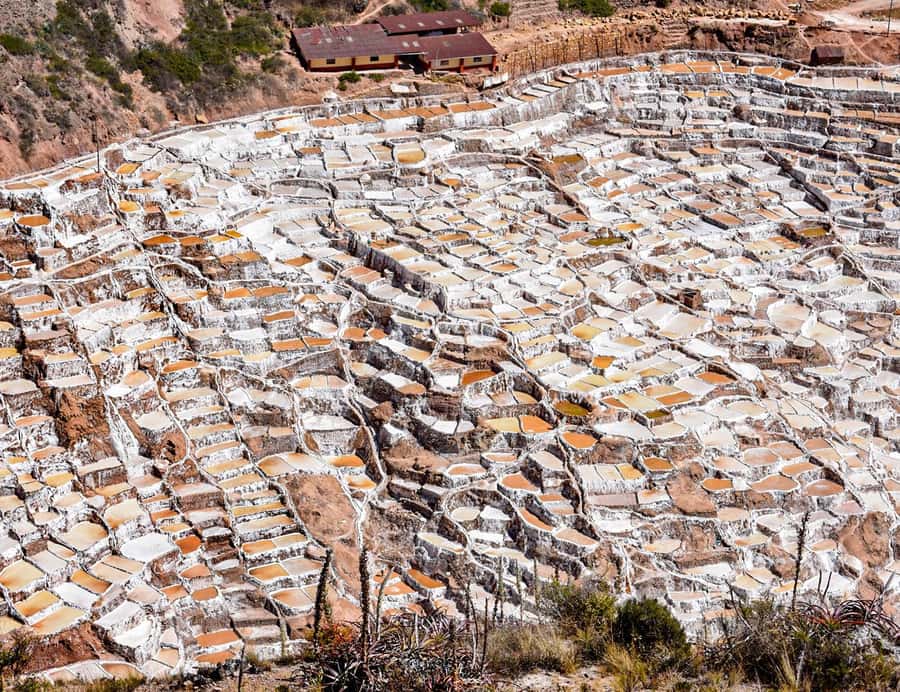
The Salineras are the most unusual stop on the route. About 3,000 small pools spread across the mountainside, each receiving salty water that evaporates and leaves salt behind.
The operation dates to pre-Inca times and still produces salt that is processed and distributed in the region. That continuing use gives the site its particular appeal. You are not looking at an abandoned ruin, but at a working system tied to local production.
You get around 40 minutes for a guided visit and photos. The pools create a striking pattern, especially from the viewpoints above the site. Depending on the conditions, the colors and brightness can vary, but you should expect a memorable scene of white and tan pools cut into a steep slope.
The access road is narrow in places. A careful driver matters, and several guides and passengers specifically appreciated safe driving near the salt mines. The vehicle ride can also be uncomfortable if you get carsick, though the frequent stops help break up the journey.
The salt mine entrance costs 20 soles and is not part of the $15 tour price. You may also have the chance to buy salt afterward. Carry cash, since the additional fees and local purchases are separate from your booking.
Transportation, timing, and the return to Cusco
The stated duration is 390 minutes, making this a substantial half-day rather than a quick morning excursion. Many schedules begin around 8:30 a.m. and return to central Cusco around 3:30 p.m., though you should check the available start time for your date.
Pickup is included from hotels outside Cusco’s Centro Histórico. You should wait in the hotel lobby 10 minutes before the scheduled pickup. If you are staying in the historic center, use the assigned central meeting point, such as the Centro Histórico or Plaza Regocijo, according to your booking details.
Hotel drop-off is not included. The return points are in or near central Cusco, including Plaza Regocijo and the Centro Histórico. This is easy enough if you plan to have lunch in town, but less convenient if you expect to be delivered back to your hotel.
The vehicle was described as clean and comfortable, even when full. It can get hot inside on sunny days, so wear light clothing and bring water. The ride itself is part of the experience, with mountain scenery along the way, but the winding roads may trouble anyone prone to motion sickness.
One practical advantage is the option to bring luggage. At least one departure allowed a suitcase for a passenger heading straight to the airport afterward, but you should confirm this before relying on it. Do not assume every vehicle has unlimited luggage space.
What the $15 price really covers
At $15 per person, this is unusually inexpensive for transportation, a bilingual guide, and several major stops in the Sacred Valley. The price makes sense as a shared small-group outing, though a private option is also available.
The advertised fare is not the final cost of the day. Moray requires 70 soles, and the salt mines require 20 soles, for a listed total of 90 soles in separate admission charges. Lunch is also on your own, and the tour does not include hotel drop-off.
Even after adding those fees, the package can be good value if you want transport and interpretation without arranging several taxis or private transfers. You are paying for a focused route rather than a long full-day circuit of the Sacred Valley.
The private option changes the value calculation. It costs more than the basic shared rate, but it can offer a more personal pace and more room for questions. One private departure was described as flexible and unrushed, with the guide adapting explanations to personal interests.
For a budget-conscious visitor, the shared option is the sensible choice. For a couple or family with limited time and a strong interest in history, the private option may be worth comparing.
The guides shape the experience
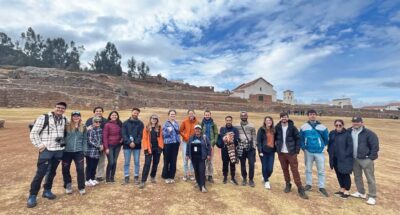
The strongest praise has gone to the guides. Names that appear repeatedly across recent departures include Felipe and Julio, with Jhon, Manuel, John, Roy, Rehider, and Edi also receiving positive attention.
The useful pattern is clear: the guide is not only there to announce the next stop. The best explanations connect Inca farming, Quechua traditions, plants used for dyes, salt harvesting, and daily life. Felipe was also noted for reminding the group about altitude, hats, and sunscreen, which is exactly the sort of practical care you want.
Several guides helped with photographs and answered questions patiently. One guide helped a passenger with forgotten items and money exchange trouble, while another showed a short cultural ritual. These details suggest a hands-on style, though individual guide assignments are not guaranteed.
If you want a silent ride and complete independence, this may feel too structured. If you like context but still want free time to look around, the balance is better. The schedule leaves room to explore at each stop instead of keeping you beside the guide every minute.
Heat, altitude, and what to pack
The route can be hot despite the high elevation. Several departures noted strong sun and little shade, especially at Moray and the salt mines.
Pack:
- Passport
- Sun hat
- Sunscreen
- Water
- Comfortable walking shoes
- Camera
- Cash
- Light clothing for warm weather
The tour runs rain or shine. A cloudy morning may make the salt pools look less bright, while rain can make walks less pleasant, but the departure still goes ahead.
You do not need heavy hiking equipment. The walks are short, but uneven ground and altitude mean comfortable shoes are a better choice than sandals or stiff city footwear. Take your time, particularly at Moray.
If you are arriving in Cusco immediately before this tour, remember that all three main cultural stops are high above sea level. The half-day format helps, but it does not remove the effects of altitude.
Who should book this tour
I would choose this trip if you want a compact introduction to the Sacred Valley without committing to a full-day route of four or five archaeological sites. It suits first-time visitors, solo visitors who want organized transport, couples, families, and anyone who wants a lighter outing before a trek.
It is also a good match for people who enjoy variety. In one day you see textiles, colonial buildings, Inca terraces, salt production, and mountain views. The subjects change often enough to keep the ride interesting.
I would think twice if you dislike shopping stops or want long, quiet periods at archaeological sites. Chinchero and Maras include time to browse, and Moray and the salt mines each receive about 40 minutes. That is efficient, not exhaustive.
The tour also makes sense for solo visitors who want reassurance. Pickup, transport, a bilingual guide, and a set route remove much of the work of arranging the day alone. Private and small-group options give you more control if that matters.
Should you book it?
For most visitors with a free half-day in Cusco, yes. The route gives you two memorable sites, a useful cultural workshop, mountain scenery, and a working salt operation for a low starting price.
Book it knowing the real cost includes 90 soles in listed entrance fees, plus lunch and any purchases. Bring cash, water, sunscreen, and a hat, and confirm your pickup point carefully.
Choose the shared tour for value and variety. Choose private touring if you want a slower pace or more time for questions. If Moray, Maras, and Chinchero are already on your list, this is a practical way to see them without exhausting your entire day.
FAQ
How long does the tour last?
The stated duration is 390 minutes, or about six and a half hours. Some schedules begin around 8:30 a.m. and return to central Cusco around 3:30 p.m.
What sites does the tour visit?
The route includes Chinchero District, Moray, the Maras Salt Mines, and Maras Village. It includes a weaving workshop, guided walks, photo stops, and shopping time.
Is hotel pickup included?
Yes. Hotel pickup is available outside Cusco’s Centro Histórico. You should wait in the hotel lobby 10 minutes before your scheduled pickup.
Is hotel drop-off included?
No. The tour returns to central locations such as Plaza Regocijo and the Centro Histórico rather than providing hotel drop-off.
Are entrance fees included in the price?
No. Moray requires 70 soles, and the Salt Mines require 20 soles. These fees are paid separately.
What languages are available?
The tour offers live guides in English and Spanish.
Can I book a private tour?
Yes. Private and small-group options are available, depending on the option selected.
What should I bring?
Bring your passport, sun hat, camera, sunscreen, comfortable shoes, and cash. Water and light clothing are also sensible because the sun can be strong and the vehicle may become warm.
Recently added around Cusco
- Palcoyo colored mountain hike + stone forests★ 4.6 · 3 reviews
- Maras Moray★ 5.0 · 3 reviews
- Full-Day Condor Viewpoint & Inca Sites Tour★ 5.0 · 3 reviews
- From Cusco: Vinicunca Mountain of Colors Excursion + Ticket★ 5.0 · 3 reviews
- Excursion Cusco – Puno – Titicaca Observatory Train★ 5.0 · 3 reviews
- Machu Picchu: Private Tour Guide Service for up to 15 people★ 4.5 · 3 reviews
- Machu Picchu: 1-day tour by Vistadome Observatory train★ 5.0 · 3 reviews
- Cusco: Chonta Canyon and Condor Flight Tour with Lunch★ 5.0 · 3 reviews
Maras and Moray Tours, compared.
Sacred Valley & Maras Salt Mines Tour with Lunch
Read our review →
Sacred Valley, Pisac, Ollantaytambo, Salt Mines Moray
Read our review →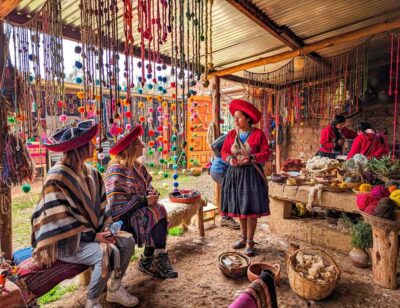
Chinchero,Moray & Salt Mines drop-off in Ollantaytambo
Read our review →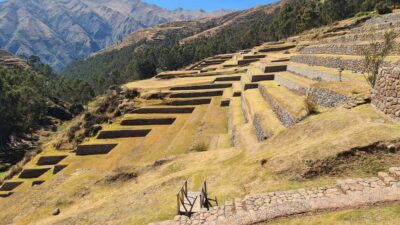

Moray, Maras Salt Mines & Chinchero Weavers Half-Day
Read our review →
Browse the lists this tour appears in