
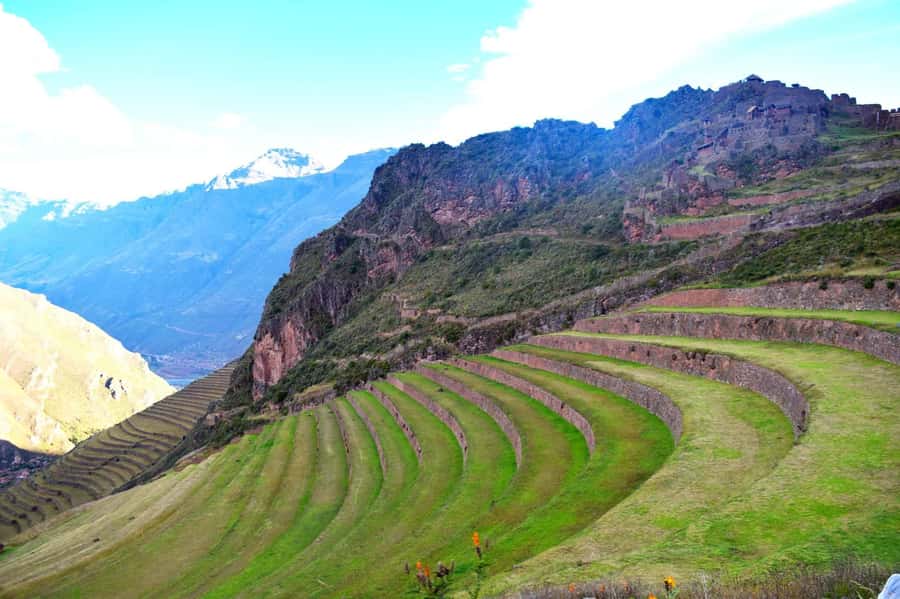
Reviewed · SACRED VALLEY TOURS
Cusco: Sacred Valley of the Incas Tour
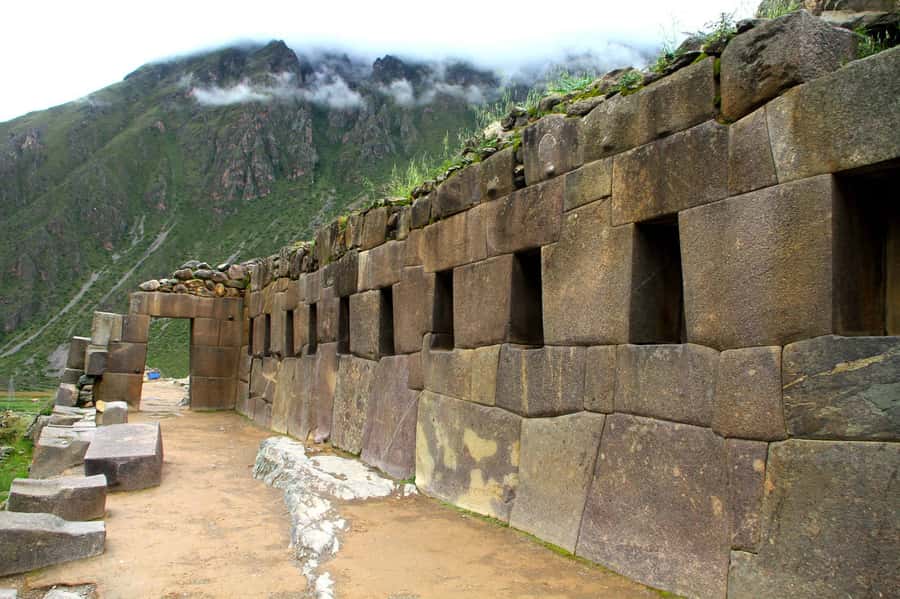
Ollantaytambo is the star of this day, with huge Inca stones and terraces climbing the mountainside above the Sacred Valley. I like that you also get Pisac’s terraces and temples plus a real weaving demonstration in Chinchero, not just a quick photo stop. I also like the low $22 price for transport and a guide.
The tradeoff is a long, tightly packed day at high altitude. Pickup can be rough: one recent group waited 45 minutes on the street with luggage before joining a full bus, and family members were split up. Plan for a little patience, and do not expect a private or leisurely tour.
Key points before you book
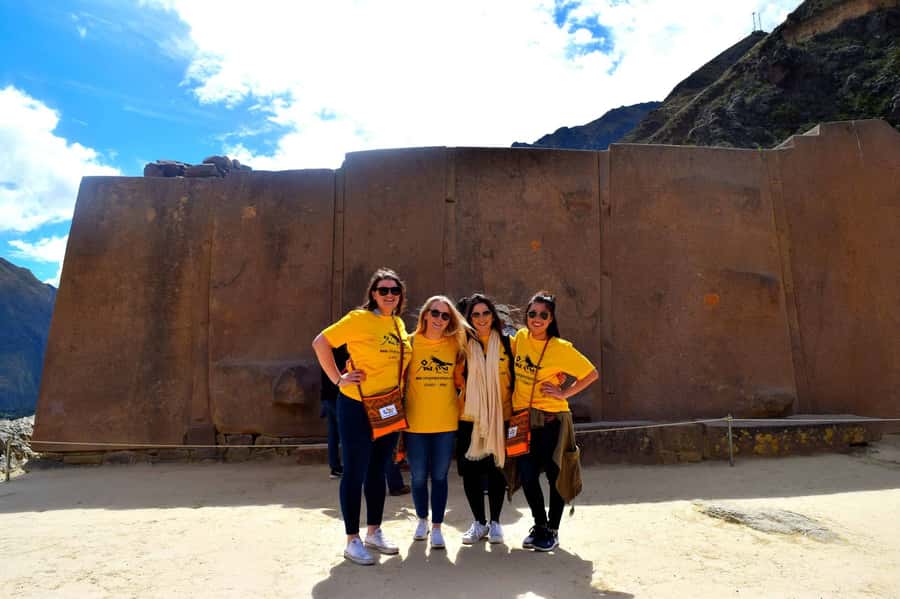
- Ollantaytambo is the day’s strongest site: Massive terraces, steep mountain walls, and a fortress with both military and religious importance.
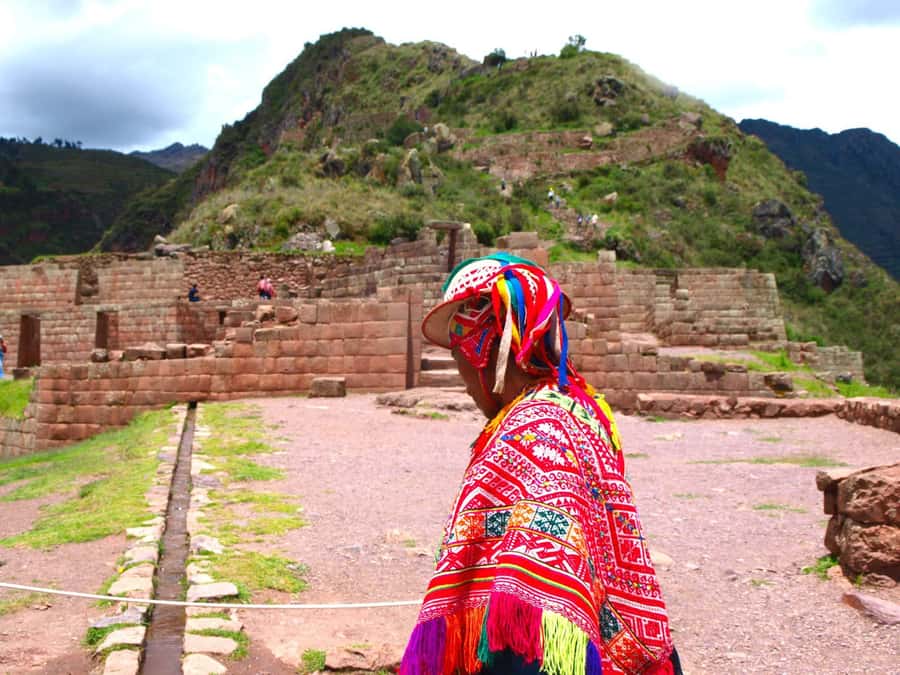
- Pisac combines archaeology and shopping: You visit the ruins and the town market, where handwoven textiles and silver jewelry are sold.
- Chinchero reaches 12,342 feet: The weaving demonstration is useful and authentic, but the altitude may be harder than the valley stops.
- The $22 price covers the basics: Transport and an English or Spanish-speaking guide are included, while lunch and the 70-sol tourist ticket are not.
- The schedule runs about 10 hours: Expect an early start, one hour for lunch in Urubamba, and a return to Cusco in the early evening.
- Pickup needs care: Hotel pickup is included, but you should wait in the lobby 10 minutes before the stated time and keep your luggage close.
Why this Sacred Valley day works
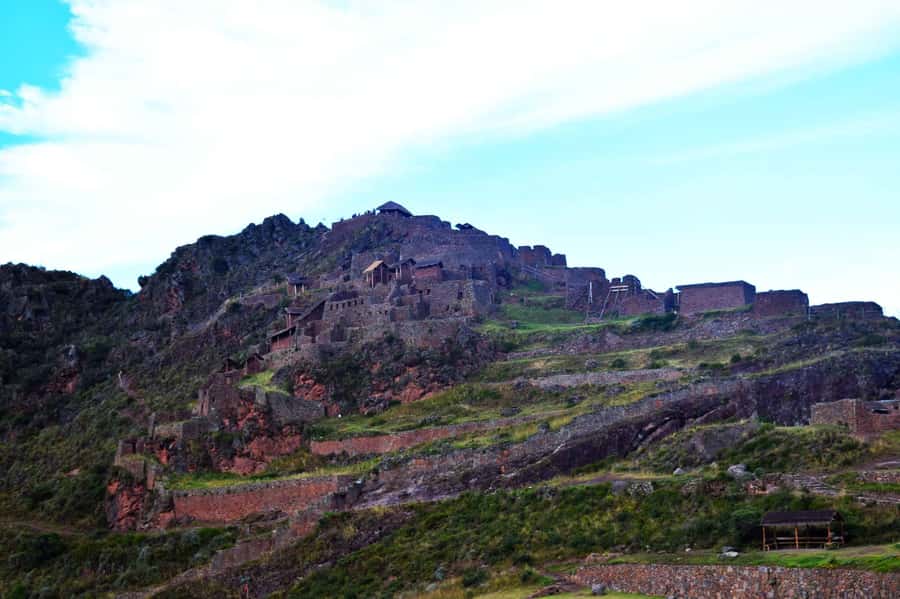
This tour gives you a broad first look at the Sacred Valley without arranging separate taxis, tickets, and guides for each stop. In one day, you move from Pisac’s high terraces to Urubamba’s lower valley floor, then to the fortress at Ollantaytambo and the high town of Chinchero.
I like the route because each stop has a different feel. Pisac shows how the Incas shaped a steep mountainside for farming and ceremony. Ollantaytambo gives you the most powerful stonework. Chinchero connects ancient Andean customs with living textile work.
You should also know what kind of day this is. Ten hours is a lot of time in a vehicle, and the stops are guided rather than open-ended. If you like a clear schedule and want to cover the main Sacred Valley sights in one outing, that is a fair exchange. If you prefer long walks, quiet ruins, or time to browse at your own speed, the pace may feel rushed.
The tour starts in Cusco at about 11,152 feet. Since the route drops into the valley before climbing again to Chinchero, you may feel changes in the air and temperature during the day. Bring water, sun protection, a hat, and rain gear.
more sacred valley days
- From Cusco: Sacred Valley & Maras Salt Mines Tour with Lunch
★ 4.8 · 2,227 reviews - Cusco: Sacred Valley, Pisac, Ollantaytambo, Salt Mines Moray
★ 4.6 · 1,058 reviews - Sacred Valley: Chinchero, Moray, Ollantaytambo & Pisac+Lunch
★ 4.8 · 501 reviews
From Cusco to the first Sacred Valley viewpoint
Pickup is arranged from the Centro Histórico, at Iglesia del Triunfo, with hotel pickup and return included. You are asked to wait in the hotel lobby 10 minutes before the scheduled time. That sounds simple, but allow extra room in your morning because the transport arrangement may involve a smaller vehicle collecting you before you meet the main bus.
Keep your bags with you during pickup. A recent departure had passengers waiting outside with luggage for 45 minutes, then joining a full bus. The result was that one family sat separately. This is not a reason to reject the tour outright, but it is a good reason to avoid booking it on a day when you have a train, flight, or other fixed connection afterward.
The first scenic lookout gives you a broad view toward the Sacred Valley. This is a useful opening stop because it lets you understand the geography before walking among the ruins. You see the valley as a long corridor between mountains, with cultivated land and high slopes framing the route.
Take your photos here, but do not spend all your energy at the viewpoint. The day has several archaeological sites ahead, and the best experience comes from saving some strength for the uphill paths.
Pisac town and its artisan market
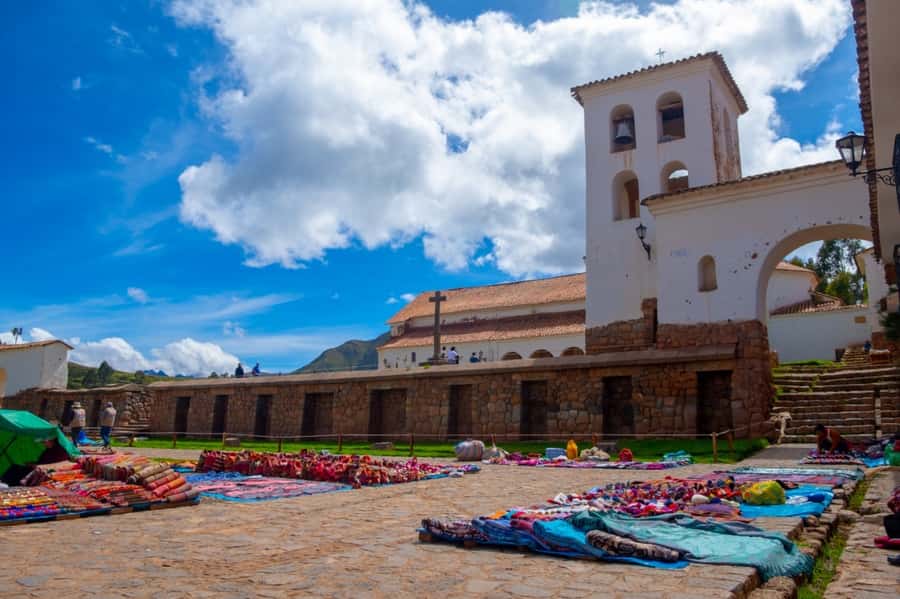
The route continues to Pisac, at about 9,751 feet. In town, you have around 30 minutes with a guide and time to look at the artisan market. Handwoven textiles and silver jewelry are the main draws.
This part of the day is useful if you want to see Andean craftwork without giving up an archaeological stop. Look closely at the textiles and ask questions about the patterns and weaving methods. You may find that the short time works better for a quick look than for serious shopping, so decide in advance if you want to buy something or simply observe.
The market can also affect the pace. A large group can spend its allotted minutes spread among stalls, then need to regroup before moving to the ruins. If you buy anything, keep it easy to carry. You still have hours of walking and several vehicle transfers ahead.
The town stop is not the main reason to book this outing. It works best as a short introduction to local goods before the more substantial archaeological visit.
Pisac’s terraces and ceremonial site
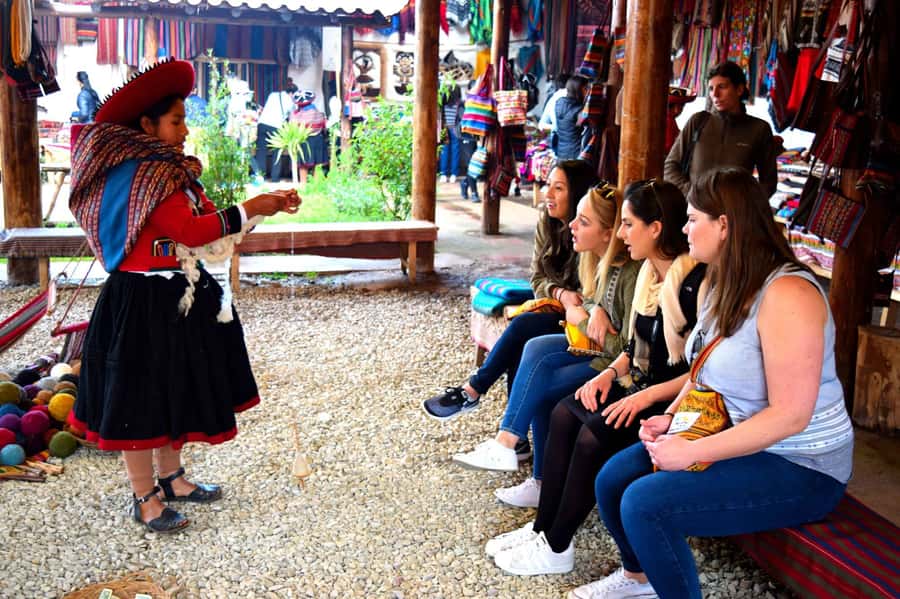
At roughly 10,980 feet, the Pisac archaeological site sits above the valley and gives you a close look at Inca engineering. The tour allows about one hour with a guide.
The terraces are the key sight. They were built into the mountainside, creating level ground and controlling water and soil. From above, the work looks orderly and almost geometric, while the steep setting shows how much effort went into building here.
The site also includes ceremonial temples overlooking the valley. Your guide can help connect the stonework, terraces, and position of the ruins. This is where having a guide adds real value, since a quick walk among the walls can otherwise leave you seeing only stones and views.
Wear shoes with a good grip and take the slopes slowly. The altitude is significant, and the day has only one hour here. You will get more from the visit if you focus on the main terraces and temples instead of trying to inspect every corner.
Pisac is often the most scenic stop, while Ollantaytambo is the most imposing. That distinction helps set expectations. Pisac spreads across the mountain and feels tied to the valley below. Ollantaytambo feels more concentrated and defensive.
Somewhere else entirely, still within reach of Cusco:
- Cusco: Humantay Lake Tour with Breakfast and Buffet Lunch
★ 4.9 · 2,976 reviews - From Cusco: Moray, Maras Salt Mines & Chinchero Weavers Tour
★ 4.8 · 1,925 reviews - From Cusco: Full-Day Group Tour of Machu Picchu
★ 4.7 · 1,767 reviews - Machu Picchu Day Trip from Cusco
★ 4.5 · 1,644 reviews
Urubamba lunch and the valley floor
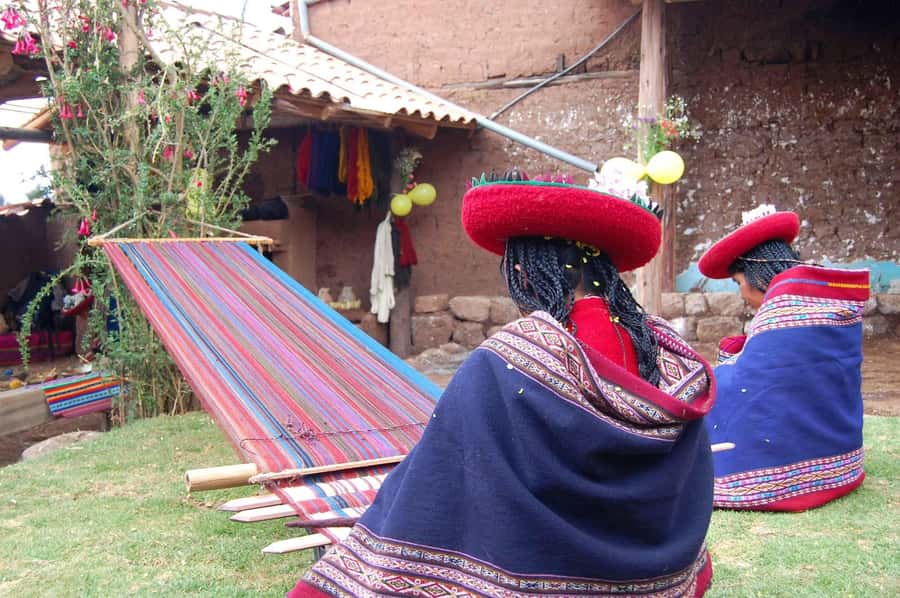
After Pisac, the bus heads to Urubamba, at about 9,420 feet. You have one hour for lunch, which is not included in the $22 price.
The lower altitude can be welcome after the higher ruins. Use this break to eat, drink water, and rest your legs. You are paying for your own meal, so carry some small snacks as well in case the timing or available choices do not suit you.
One hour is enough for a straightforward lunch, but not for a slow meal with much wandering. Keep an eye on the departure time. Being late here can hold up the whole group, and the remaining stop at Ollantaytambo is one you do not want to shorten.
Urubamba also gives you a change of scale. The morning is about high ruins and mountain views. Here, you pause in the broad valley before climbing into another major Inca site.
Ollantaytambo Fortress at 9,160 feet
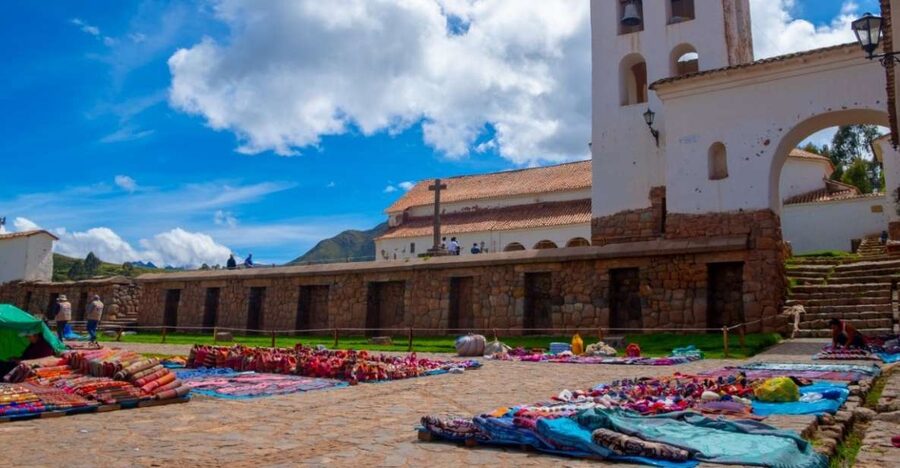
Ollantaytambo is the centerpiece of the route. The fortress sits at about 9,160 feet, lower than Pisac and Chinchero, and the guided visit lasts about one hour.
The first thing you notice is the stonework. Huge terraces rise up the mountainside, making the site feel larger and more powerful than its one-hour visit might suggest. The position was strategic, but it also had spiritual importance, so the guide’s explanation helps you see more than a military outpost.
The terraces are steep, and walking up them can be demanding even at this lower altitude. Take your time and use the pauses for views over the valley. The climb is part of the experience, but the tour schedule may not allow a relaxed ascent with long stops.
I would protect this hour. If pickup delays, a long market visit, or a slow lunch cut into the schedule, you want the guide to preserve time at Ollantaytambo. It is the stop most likely to make the day feel worthwhile.
One recent booking ended early before the group reached the Ollantaytambo ruins because a participant became ill. That is a useful reminder that altitude and a full day can catch up with you. If you feel unwell, tell the guide early. Do not treat the steep terraces as a test of willpower.
Chinchero’s high-altitude weaving traditions
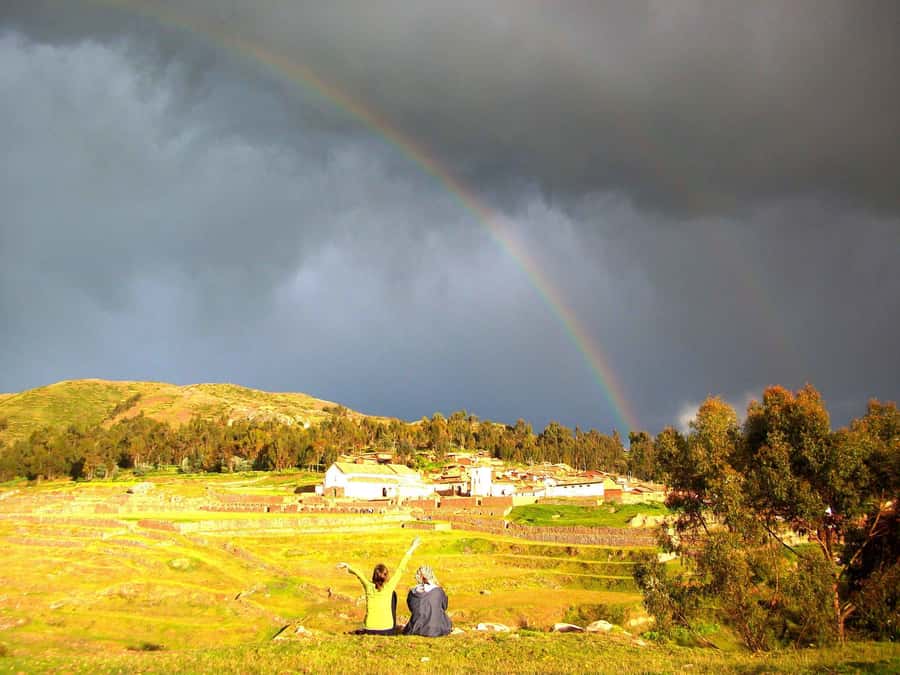
The final major stop is Chinchero, at about 12,342 feet. That makes it the highest point listed on the route, higher than Cusco itself. The district is known for Inca ruins, a colonial church, and textile workshops.
The weaving demonstration gives the day a human side. Instead of seeing only old walls, you watch artisans show traditional Andean techniques in action. This is a good place to ask about the process, patterns, and materials, though the supplied details do not specify exactly how long each demonstration lasts beyond the one-hour guided stop.
Chinchero can be a surprisingly hard finish because of the altitude. By this point, you have already visited two archaeological sites, sat through several drives, and eaten lunch. Walk gently, drink water, and keep your rain gear handy. Weather can change quickly in the highlands, and the tour specifically advises bringing rain protection.
The colonial church adds another layer to the visit, showing how Spanish-era buildings were placed in an area with older Inca traditions. The ruins, church, and weaving work make Chinchero more than a shopping stop.
What the $22 price really covers
At $22 per person, this is an inexpensive way to reach several places that would take more planning on your own. Transport and a professional guide are included, with tours offered in English or Spanish. For a full day covering Pisac, Urubamba, Ollantaytambo, and Chinchero, the basic price is strong.
The important extra cost is the tourist ticket. It is not included, and the stated price is 70 soles. You can buy it at the entrance to the first place visited, Pisac, so have local currency or a suitable payment method ready. Do not assume that the $22 gets you through the gates.
Lunch in Urubamba is also extra. Your total daily cost will therefore be the tour price, 70 soles for admission, and your meal, plus anything you choose to buy at Pisac or Chinchero.
This pricing suits you if you want convenience above control. A private tour would likely give you more say over how long to stay, while this group outing keeps the cost low by following a fixed route.
Guides, transport, and the pace of the day
The tour uses live guides in English or Spanish. One guide named Luis received especially warm praise for being patient and well informed, which matters on a day with several sites and altitude changes. Guide quality can shape the whole outing, since the ruins are much easier to understand when someone explains their purpose and construction.
Transport is included from Cusco and back to the historic center near Iglesia del Triunfo. The exact vehicle arrangement can vary, and the most important practical weakness is the possibility of a delayed pickup followed by a full bus.
Do not plan to sit with a large suitcase or assume that every member of your group will automatically have seats together. Keep your essential items in a small day bag, wait in the hotel lobby, and avoid scheduling anything important immediately after the stated return time.
The group format also explains the short visits. One hour at each major site is enough for an introduction, but not for a slow, independent exploration. I would choose this tour for coverage, price, and basic orientation. I would choose a smaller or private option for photography, long hikes, or detailed archaeology.
Who should book this Sacred Valley tour
This outing fits first-time visitors who want to see the main Sacred Valley sights in a single day. It also works well if you are based in Cusco and want transport handled for you rather than arranging several separate rides.
You should have enough stamina for uneven ground, steps, and a full day at altitude. The experience is not suitable for people with mobility impairments or pre-existing medical conditions, according to the stated restrictions. That is worth taking seriously, especially because Chinchero reaches more than 12,000 feet and Ollantaytambo involves steep terraces.
Families may appreciate the variety, but the long bus day and possible seat separation require realistic expectations. If someone in your group is prone to altitude problems, fatigue, or motion discomfort, a shorter plan may be wiser.
Bring your passport or ID, a sun hat, sunscreen, water, and rain gear. Pets, intoxication, alcohol, drugs, weapons, and sharp objects are not allowed.
Should you book it?
Book this tour if you want maximum Sacred Valley coverage for a low upfront price and are comfortable with a fixed group schedule. Pisac, Ollantaytambo, and Chinchero each offer something different, and the guide can turn a fast-moving day into a meaningful introduction to Inca sites and Andean craft.
Think twice if you need reliable pickup timing, guaranteed seats together, a relaxed meal, or long hours at each ruin. Confirm the 70-sol ticket cost, budget for lunch, and keep the day after arrival flexible if you are still adjusting to Cusco’s altitude. With those limits in mind, this is a practical first look at the valley, not a slow or private archaeological tour.
FAQ
How long does the Sacred Valley tour last?
The tour lasts about 10 hours, with a return to Cusco in the early evening.
Where does pickup take place?
Pickup is available from hotels, with the listed central meeting point at Iglesia del Triunfo in Cusco’s historic center.
What time should I wait for pickup?
You should wait in your hotel lobby 10 minutes before the scheduled pickup time.
Is transport included?
Yes. Transport to and from the tour is included.
Is a guide included?
Yes. A live professional guide is included in English or Spanish.
Is lunch included?
No. Lunch in Urubamba is not included, and you have about one hour for the meal.
How much is the entrance ticket?
The required tourist ticket costs 70 soles and is not included in the tour price.
Where can I buy the tourist ticket?
You can buy it at the entrance to the first place visited, Pisac.
What should I bring?
Bring your passport or ID card, sun hat, sunscreen, water, and rain gear.
Can I cancel the booking?
You can cancel up to 24 hours before the activity for a full refund. You can also reserve now and pay later.
Recently added around Cusco
- Palcoyo colored mountain hike + stone forests★ 4.6 · 3 reviews
- Maras Moray★ 5.0 · 3 reviews
- Full-Day Condor Viewpoint & Inca Sites Tour★ 5.0 · 3 reviews
- From Cusco: Vinicunca Mountain of Colors Excursion + Ticket★ 5.0 · 3 reviews
- Excursion Cusco – Puno – Titicaca Observatory Train★ 5.0 · 3 reviews
- Machu Picchu: Private Tour Guide Service for up to 15 people★ 4.5 · 3 reviews
- Machu Picchu: 1-day tour by Vistadome Observatory train★ 5.0 · 3 reviews
- Cusco: Chonta Canyon and Condor Flight Tour with Lunch★ 5.0 · 3 reviews
Sacred Valley Tours, compared.

Sacred Valley & Maras Salt Mines Tour with Lunch
Read our review →
Sacred Valley, Pisac, Ollantaytambo, Salt Mines Moray
Read our review →

2-Day Trip to the Sacred Valley and Machu Picchu
Read our review →
Sacred Valley Pisaq,Ollantaytambo,Chinchero with Lunch
Read our review →
Full-Day Excursion to Sacred Valley, Pisac and Ollantaytambo from Cusco
Read our review →
Food and Culture Full day Tour in the Sacred Valley
Read our review →Browse the lists this tour appears in