
Reviewed · CUSCO TOURS
Cusco: Private City Tour and Trip to Archeological Sites
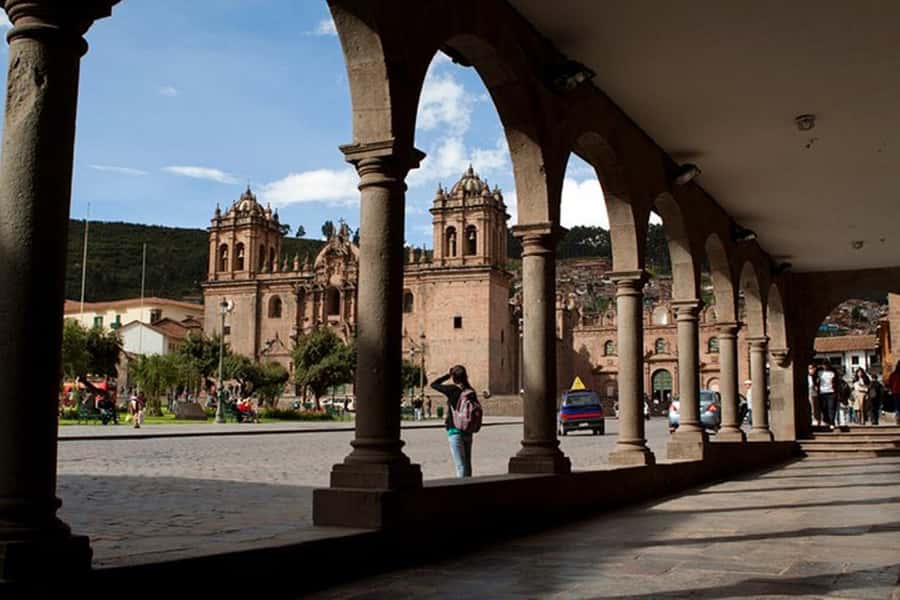
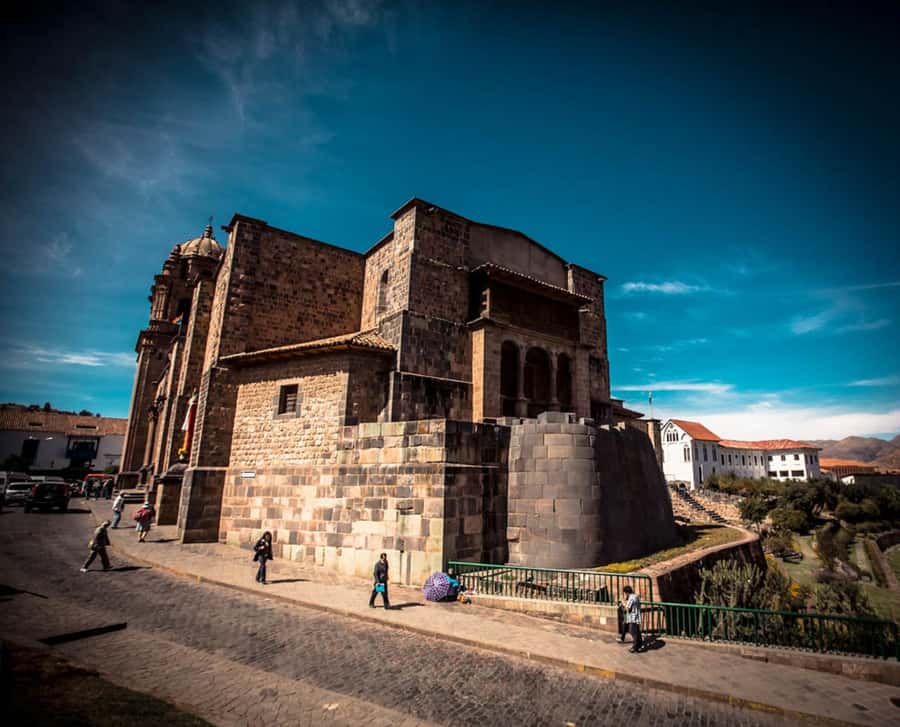
Cusco’s best first lesson may be found in a wall where two cultures meet. At Santo Domingo Convent, the Spanish church sits over Coricancha, the Inca temple once dedicated to the sun. I like that this tour begins with that collision of faith, power, and architecture. I also like the private format and the uphill ride to Sacsayhuaman, where Cusco opens below you in a broad city view.
The main catch is the Cusco Tourist Ticket, or BTC. It is not included, yet you need it for Sacsayhuaman, Qenqo, Puka Pukara, and Tambomachay. The tour includes Coricancha and the Cathedral, but you should sort out the BTC before pickup or risk seeing the outer sites without entering them.
Key points at a glance
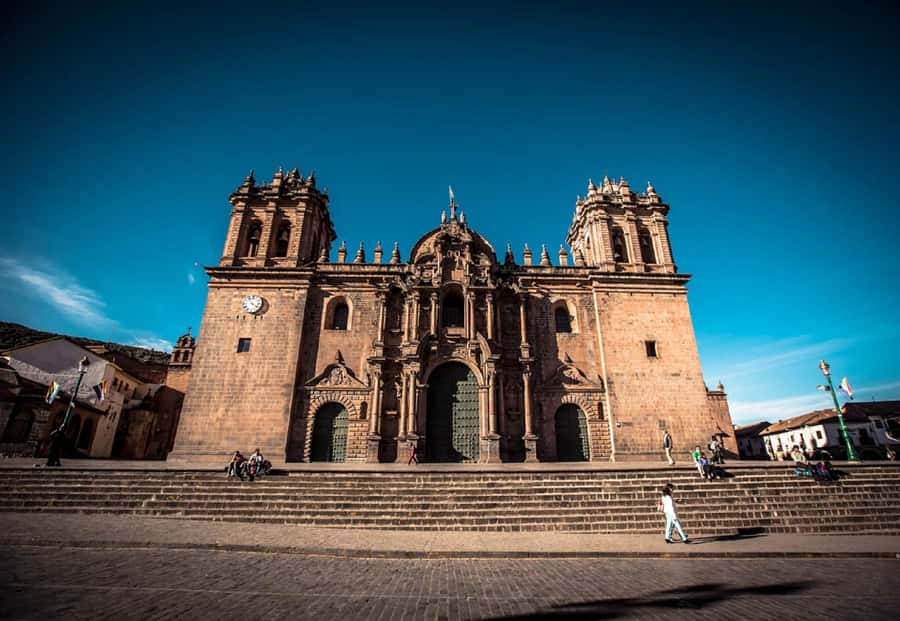
- Coricancha beneath Santo Domingo: See prominent Inca foundations under a Renaissance-baroque convent.
- Four-hour private format: Travel by private vehicle with a guide speaking English, Spanish, or Portuguese.
- Sacsayhuaman viewpoint: Walk among huge fortress walls and look down over Cusco.
- Three hilltop sites: Qenqo and Puka Pukara add ritual and military context to the tour.
- Historic Center pickup: Hotel collection and return are included for hotels in central Cusco.
- Plan for the BTC: The archaeological sites require a separate Cusco Tourist Ticket.
Why this makes a strong first look at Cusco
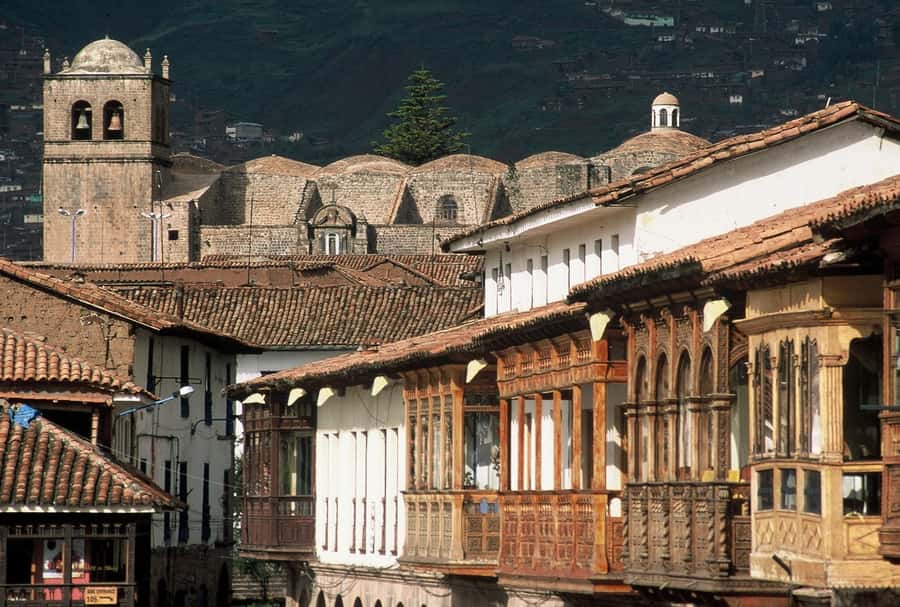
I see this as a brisk orientation tour, not a full archaeological study. In four hours, you move from the central city to the hills above it, taking in Spanish colonial power, Inca religion, military engineering, ritual spaces, and road defenses.
That range is the real value. You do not spend the entire morning inside one church or one ruin. Instead, you get a working outline of Cusco, then you can decide which places deserve a longer visit later.
The private setup matters here. You can ask questions without waiting for a large group, and the guide can adjust the explanation to your interests. If you are seeing Cusco for the first time, I would use this tour early in your stay, once you have arrived and are ready for a compact introduction.
The tour is provided by LimaTours and costs $101 per person. That is not a bargain-basement city walk, but the price includes hotel pickup and return, a private group, a professional guide, transport, and admission to Coricancha and the Cathedral. The value improves if you are sharing the private vehicle with others and want one organized outing that covers both the city center and the surrounding ruins.
It is less attractive if you only want a slow stroll through Cusco. You will spend part of the four hours in the vehicle, and the schedule moves quickly. For a short stay, though, that time is put to good use.
More City Tours in Cusco
- Cusco: Half-Day City Tour with Sacsayhuaman and Q’enco
★ 4.6 · 1,129 reviews - City Tour Cusco Qoricancha Sacsayhuaman y Tambomachay
★ 4.7 · 617 reviews - Cusco: Sightseeing Tour of the City on an Open-Top Bus
★ 4.0 · 481 reviews
Santo Domingo and the golden heart of Coricancha
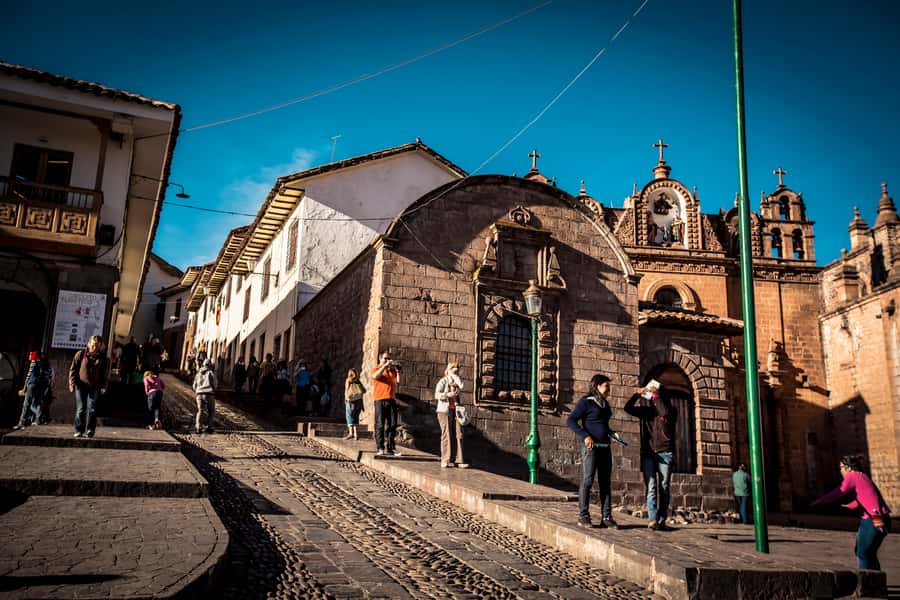
The tour starts at Santo Domingo Convent, a large Spanish religious complex built over Coricancha. The building itself is a useful introduction to Cusco’s colonial era, but the more striking story lies below it.
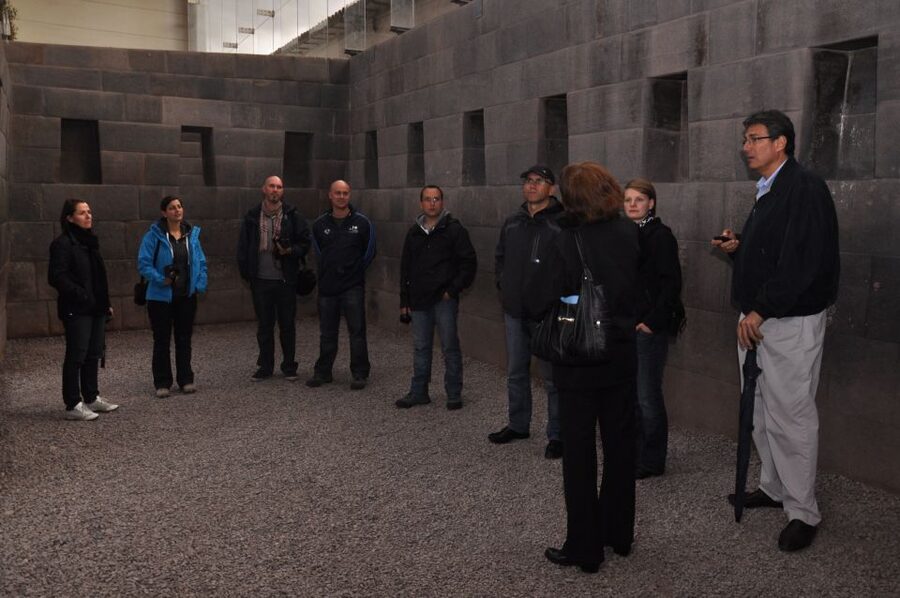
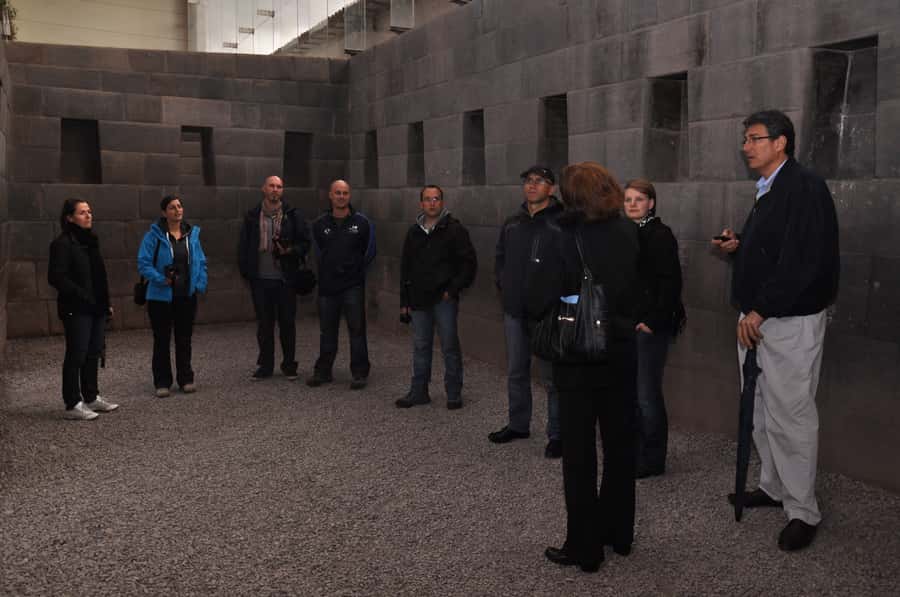
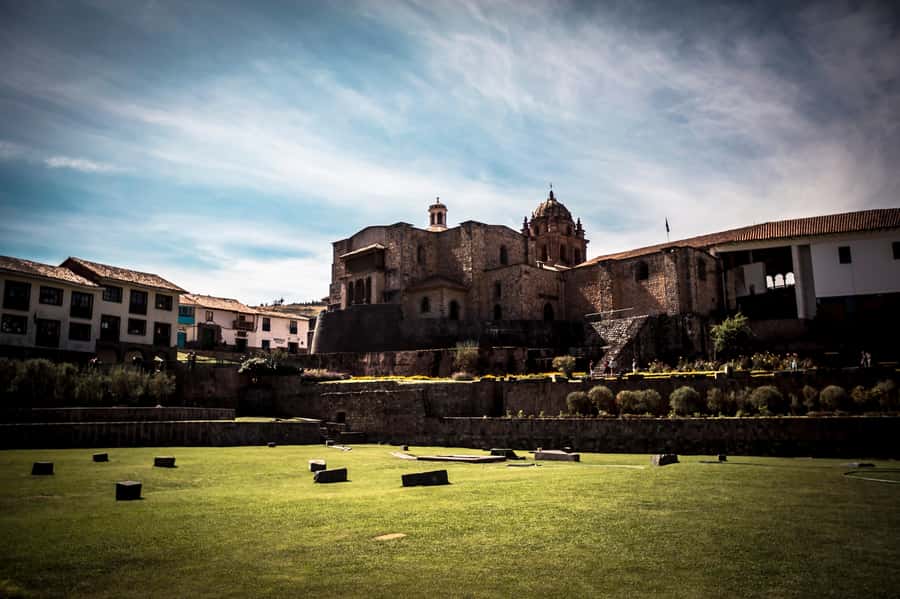
Coricancha was one of the most important Inca temples devoted to the sun. Ancient accounts describe walls covered in gold leaf and golden images of nature. The surviving gold is gone, but the foundations remain prominent at the base of the convent, giving you a chance to see the older structure beneath the later church.
I like this stop because it makes history physical. You are not just hearing that Spanish buildings were placed over Inca sacred sites. You can look at the masonry and understand how one center of power was built directly on another.
Your guide can also help you read the site in layers. The convent represents Spanish religious authority. The foundations point to the Inca state and its sun worship. The contrast is compact, clear, and easy to grasp even if you know little about Andean history.
Admission to Coricancha is included in the tour price. That is useful because it removes one extra ticket from your planning. You should still wear shoes with a good grip, since the tour involves walking through historic buildings and outdoor archaeological sites.
Cusco Cathedral and the city’s main square
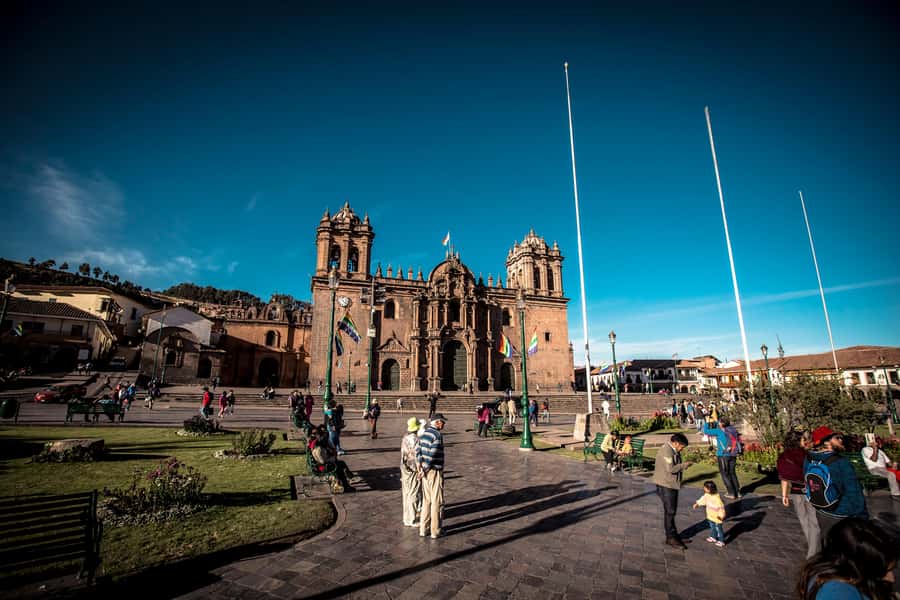
Next comes Cusco Cathedral, the most imposing monument on the Main Square. It gives the tour a second view of Spanish religious power, this time on the city’s central plaza.
The Cathedral is not simply a quick photo stop. It helps explain how the Spanish reshaped the center of Cusco after the conquest. As you move through the city, your guide can connect the Cathedral with the convent at Coricancha and show how the colonial center was organized around major churches and public spaces.
I would pay close attention to the guide’s commentary here rather than rushing through. The building is important not only for its size, but also for its place in the city’s story. A guide speaking English, Spanish, or Portuguese can make the difference between seeing a large church and understanding why it dominates the square.
Admission to the Cathedral is included. The tour does not include food or drinks, so plan to eat before or after the four-hour outing rather than expecting a meal break. Since the schedule covers several sites, a quick start and comfortable clothing will serve you better than dressing for a formal city visit.
Sacsayhuaman, where the city opens below you
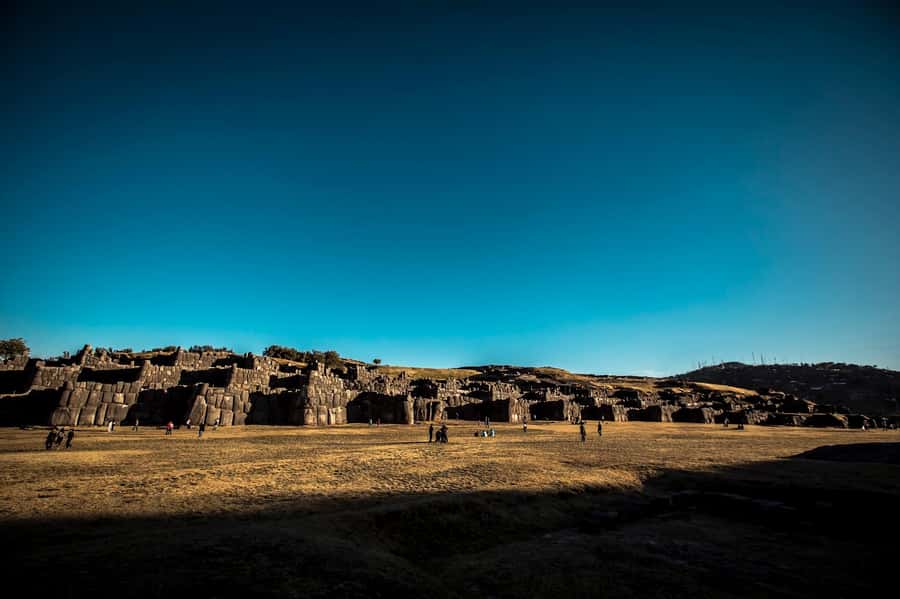
From central Cusco, the tour heads uphill to Sacsayhuaman. The site is known for its massive ramparts, and the scale changes the way you understand the Inca state. Coricancha shows sacred power in a concentrated urban setting. Sacsayhuaman shows it in enormous stonework spread across the hills.
The viewpoint is a major reason to include this stop. From the fortress area, you get a panoramic look toward Cusco. The city’s shape becomes easier to understand from above, and the ride also shows how quickly the urban center gives way to the surrounding hills.
I would not treat Sacsayhuaman as a quick photo stop. Give yourself time to look closely at the walls and notice the size and fit of the stones. The exact details of the visit depend on the guide and the pace of the group, but the site deserves more than a glance from the vehicle.
This is also where ticket planning becomes important. Sacsayhuaman requires the Cusco Tourist Ticket, which is not included. The tour includes transport and a guide, but you must have the proper BTC admission to enter the archaeological area.
The uphill setting means this stop is not ideal for everyone. The activity is not suitable for wheelchair users, and you should expect walking on uneven ground. Comfortable shoes, sunscreen, and comfortable clothes are specifically recommended. Cusco’s elevation also makes a gentle pace sensible, even though the tour itself lasts only four hours.
more Cusco days to weigh up
- City Tour in Cusco & visit Museum South American Camelid Private.
★ 5.0 · 147 reviews - Private Tour to Sacred Valley and Machu Picchu from Cusco
★ 5.0 · 133 reviews - Private Rainbow Mountain Full Day Tour from Cusco
★ 5.0 · 129 reviews - Full Day Private Guided Tour in Machu Picchu
★ 5.0 · 115 reviews
Qenqo and the meaning of ritual space
After Sacsayhuaman, the tour continues to Qenqo. The remains include a temple and amphitheater, and the site is associated with agricultural rituals.
Qenqo is smaller and less visually overpowering than Sacsayhuaman, but that is part of its appeal. Here, the focus shifts from military scale to ceremony and belief. The stop helps you see that the hills above Cusco were not filled only with forts. They also held spaces connected to ritual life and the agricultural cycle.
I find this kind of contrast useful. If you visit only the largest ruin, you may come away thinking of the Inca mainly as builders and soldiers. Qenqo adds another piece, showing how religion and farming shaped the use of these high sites.
Your guide’s explanation matters especially here because the remains may not be immediately clear on their own. A professional guide can point out the temple area, amphitheater, and features linked with ritual practice. The short itinerary gives you a framework, but it does not provide time for an extended archaeological walk.
Qenqo also requires the BTC. This is worth repeating because it is easy to assume that every admission is covered once the tour price includes Coricancha and the Cathedral. The two types of ticket are separate.
Puka Pukara, the red fortress on the road
The last archaeological stop is Puka Pukara, whose Quechua name means Red Fortress. It is an Inca military complex set on a prominent hill, and its position helps explain its role.
The remains include dwellings, squares, bathrooms, aqueducts, walls, and towers. That list is more useful than it may first sound. Together, these features show that Puka Pukara was not just a lookout with a wall. It was a functioning complex with spaces for people, water management, and defense.
The hilltop setting also connects the site to movement through the region. From a position like this, the Inca could monitor routes and control access. Your guide can tie Puka Pukara to the wider network of roads and settlements, though the tour’s short length means the explanation will be an introduction rather than a full lesson.
Puka Pukara requires the BTC as well. The site is outdoors, so sunscreen and sturdy, comfortable shoes are practical choices. As with the other ruins, uneven surfaces and the high setting make this a poor match for wheelchair users.
The itinerary information also lists Tambomachay among the places that require the BTC, but this four-hour tour specifically describes visits to Coricancha, the Cathedral, Sacsayhuaman, Qenqo, and Puka Pukara. I would not assume Tambomachay is included unless the operator confirms it directly.
What the private van adds to the morning
Hotel pickup and drop-off are included for hotels in Cusco’s Historic Center. You should be in your hotel lobby 15 minutes before the scheduled pickup time. This is a small detail, but it matters in a city where narrow streets, traffic, and changing access can make meeting a vehicle less simple than it sounds.
The tour uses private transport, and one recent booking described the van as very comfortable. That is welcome on an outing that moves between the central city and the hilltop ruins. You avoid arranging separate taxis, figuring out which site comes next, or negotiating a ride back into town.
The private group format gives you more control than a large shared coach. You can ask the guide to slow down at Coricancha, spend more time at Sacsayhuaman, or clarify the difference between the sites. The exact flexibility will depend on the day’s timing, but a private tour generally makes questions and adjustments easier.
The guide languages are English, Spanish, and Portuguese. One guide praised in the booking information was from Cusco, which is a useful detail for anyone hoping to hear local context alongside the standard facts. Guide names are not supplied, so you should not expect to request a particular person from the information available.
Who gets the most value from $101
I think the price works best for first-time visitors who want a clear introduction without spending a full day on separate tours. You get five substantial stops, transport, a private guide, and two included admissions in four hours.
It also suits couples, families with older children, and small groups who prefer not to share a vehicle. Children must be accompanied by an adult, and unaccompanied minors are not allowed. Pets and large bags are also not allowed, so bring only what you need for the morning.
The value is weaker for solo visitors who do not care about private transport or personal guiding. It may also be less suitable if your priority is a slow, detailed visit to every ruin. This is a sampler with useful context, not a day-long excavation study.
You should also factor in gratuity, which is not included. Food, drinks, and personal expenses are separate as well. For visitors from Peru or foreign people staying in Peru for more than 60 days, the stated rate does not apply because sales taxes are not included in the total and may be collected locally.
Practical preparation for the four hours
I would prepare for this tour with a small day bag, sunscreen, water, and comfortable shoes. Large bags are not allowed, so leave luggage at your hotel. Comfortable clothes make more sense than formal outfits because several stops are outdoors and involve uneven ground.
Bring your BTC if you intend to enter Sacsayhuaman, Qenqo, and Puka Pukara. Since the ticket is separate from the included Coricancha and Cathedral admissions, this is the single most important preparation step.
The tour offers free cancellation up to 24 hours before the start and a reserve-now, pay-later option. Those terms are useful if your arrival schedule in Cusco is still shifting. Check the available start times before booking, since the activity lasts four hours but no fixed departure time is provided here.
Should you book this Cusco tour?
I would book it if you want a private, efficient first look at Cusco and its most accessible surrounding ruins. The strongest features are the layered start at Coricancha, the large-scale view from Sacsayhuaman, and the convenience of a private van with hotel pickup and return.
I would skip it if you want a relaxed walking tour, need wheelchair access, or do not want to arrange a separate BTC. I would also choose a longer specialist visit if Sacsayhuaman or Inca ritual sites are your main reason for coming to Cusco.
For most first-time visitors staying in the Historic Center, this is a practical opening chapter. Just buy or arrange the BTC first, wear good shoes, and treat the four hours as an overview that helps you choose where to return.
FAQ
How long does the Cusco private tour last?
The tour lasts four hours.
What sites are visited?
The route visits Santo Domingo Convent and the Coricancha complex, Cusco Cathedral, Sacsayhuaman, Qenqo, and Puka Pukara.
Is hotel pickup included?
Yes. Pickup and drop-off are included for hotels located in Cusco’s Historic Center. You should wait in your hotel lobby 15 minutes before the scheduled pickup.
Which languages are available?
The live guide service is available in English, Spanish, and Portuguese.
Is this a private group tour?
Yes. The activity is operated as a private group.
Is the Cusco Tourist Ticket included?
No. The BTC is not included. You need it to visit Sacsayhuaman, Qenqo, Puca Pukara, and Tambomachay.
Are Coricancha and Cusco Cathedral admissions included?
Yes. Admission to Coricancha and Cusco Cathedral is included in the tour price.
Is the tour suitable for wheelchair users?
No. The activity is not suitable for wheelchair users. Children must be accompanied by an adult, and pets and large bags are not allowed.
Recently added around Cusco
- Palcoyo colored mountain hike + stone forests★ 4.6 · 3 reviews
- Maras Moray★ 5.0 · 3 reviews
- Full-Day Condor Viewpoint & Inca Sites Tour★ 5.0 · 3 reviews
- From Cusco: Vinicunca Mountain of Colors Excursion + Ticket★ 5.0 · 3 reviews
- Excursion Cusco – Puno – Titicaca Observatory Train★ 5.0 · 3 reviews
- Machu Picchu: Private Tour Guide Service for up to 15 people★ 4.5 · 3 reviews
- Cusco: Chonta Canyon and Condor Flight Tour with Lunch★ 5.0 · 3 reviews
- Machu Picchu: 1-day tour by Vistadome Observatory train★ 5.0 · 3 reviews
Cusco Tours, compared.
Humantay Lake Tour with Breakfast and Buffet Lunch
Read our review →
Sacred Valley & Maras Salt Mines Tour with Lunch
Read our review →
Moray, Maras Salt Mines & Chinchero Weavers Tour
Read our review →


Half-Day City Tour with Sacsayhuaman and Q’enco
Read our review →
Sacred Valley, Pisac, Ollantaytambo, Salt Mines Moray
Read our review →
Browse the lists this tour appears in