
Reviewed · CUSCO TOURS
Cusco: Alpaca and Llama Farm Tour w/ Transfer & Weaving Demo
The most charming part of this short Cusco outing is the chance to get close to alpacas, llamas, vicuñas, and huanacos in one place. You can feed and pet some of the animals, then connect them to Andean culture rather than simply posing for a quick farm photo.
I like the easy transfer from central Cusco and the useful weaving lesson, especially the tips for telling genuine baby alpaca fabric from cheaper imitations. The main drawback is the commercial finish: the large shop is interesting, but prices can be much higher than in Cusco, and one visitor felt watched while browsing.
Key points to know before you go
- Twenty minutes from central Cusco: The short drive to Manos de la Comunidad gives you a quick break from the city without taking up a full day.
- Several Andean camelids in one visit: See two types of alpaca, several llama varieties, plus vicuñas and huanacos.
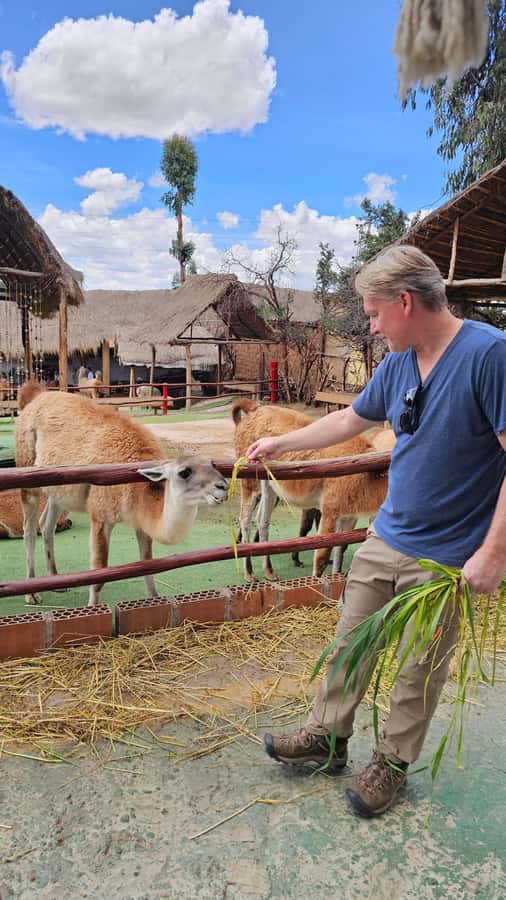
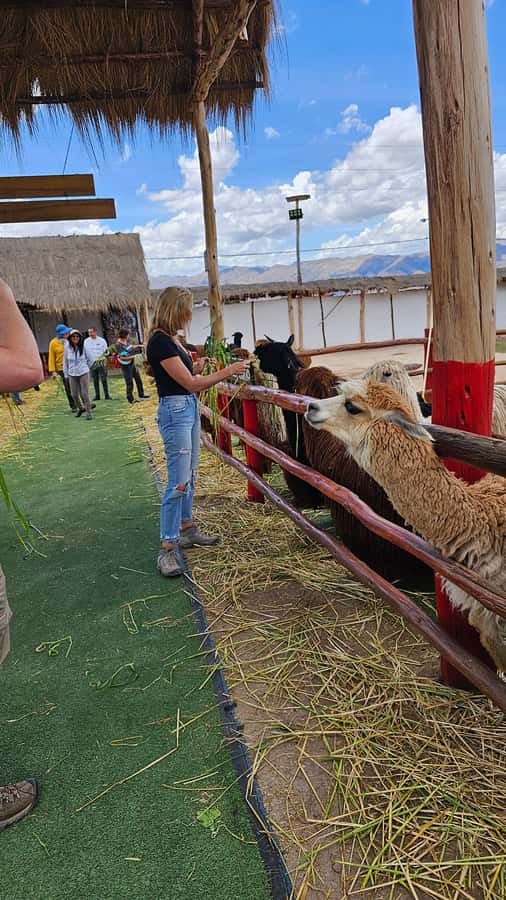
- Hands-on animal time: Feeding and petting the animals is possible, and the guides explain their different traits and personalities.
- Useful textile instruction: Watch wool sorting, dyeing, and traditional weaving, with advice on recognizing authentic alpaca products.
- A gentle first activity in Cusco: The two-and-a-half-hour format suits you if you are still getting used to the altitude.
- Budget-friendly with transport: At $34 per person, hotel pickup, drop-off, a guide, water, and both visits are included.
A quick escape from Cusco’s stone streets
This is a good way to spend part of a morning or afternoon when you want something lighter than a major archaeological site. From Cusco’s historic center, the drive to the farm takes about 20 minutes, although the road climbs and offers views back toward the city.
That short transfer matters. You get a change of pace without committing to a full-day trip into the Sacred Valley or the highlands. The farm visit lasts about 80 minutes, and the full experience takes 150 minutes including transportation.
I would consider this a gentle first or second activity after arriving in Cusco. Several people used it while adjusting to the elevation, and that makes sense: you can learn, walk around, and enjoy the animals without facing a demanding hike. Still, you are in the Andes, so take the visit at an easy pace and let your guide know if you need a moment to sit or slow down.
Pickup and drop-off at your hotel are included. That saves you the trouble of arranging a taxi, though you should check the exact pickup time when booking because starting times depend on availability.
More Private Drivers in Cusco
- Cusco: Abode of the Gods ATV Tour with Transfer
★ 4.5 · 118 reviews - Cusco Airport Pickup and Private Transfer
★ 5.0 · 82 reviews - Cusco Private Airport Transfer: Fast, Reliable Hotel Drop-Off
★ 5.0 · 80 reviews
Meeting the camelids at Manos de la Comunidad
At the farm, the guide begins with the basic family tree of South America’s camelids. You learn about domestication, the animals associated with ancient Andean societies, and the types that the Incas developed and valued.
The appeal here is not only that the animals are cute, though they certainly are. The explanation gives you a better sense of why alpaca and llama wool matter in Peru, how the animals differ, and why vicuñas have such a special place in Andean life.
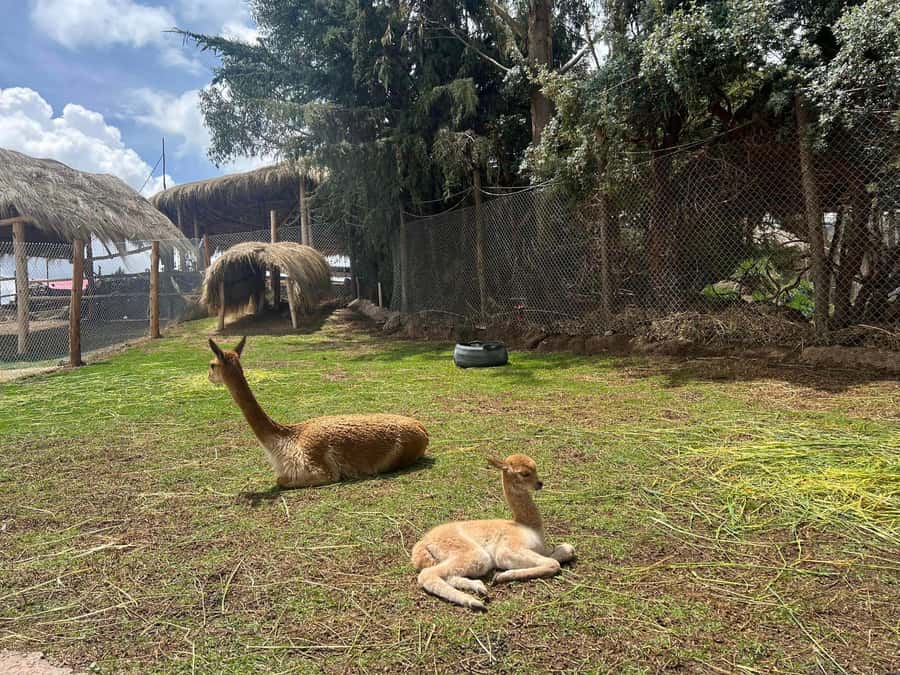
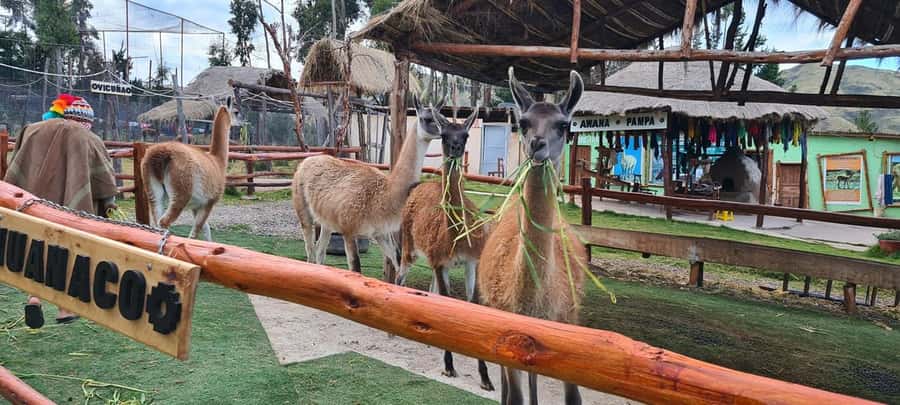
You can see two varieties of alpaca and several kinds of llama. The exact number of llama types described can vary, but one tour explanation covered four. You also meet huanacos and vicuñas, the wild relatives of the domesticated animals.
Vicuñas are often called the gold of the Andes because of the value of their fine wool. Seeing them beside alpacas and llamas makes the differences easier to understand than a museum label would. The guide points out physical features and behavior, while you get a chance to take photographs at close range.
Feeding and petting are part of the experience when conditions allow. Bring patience rather than expecting every animal to pose on command. Some will come forward eagerly, while others seem more interested in whatever is happening in the next enclosure.
The animals have individual personalities, and that is one of the small pleasures of this tour. You may find yourself remembering a particular llama or alpaca more than the formal lesson. One amusing detail from the farm is a notably muscular dog, which has become a favorite extra attraction for some visitors.
From rescued animals to Andean conservation
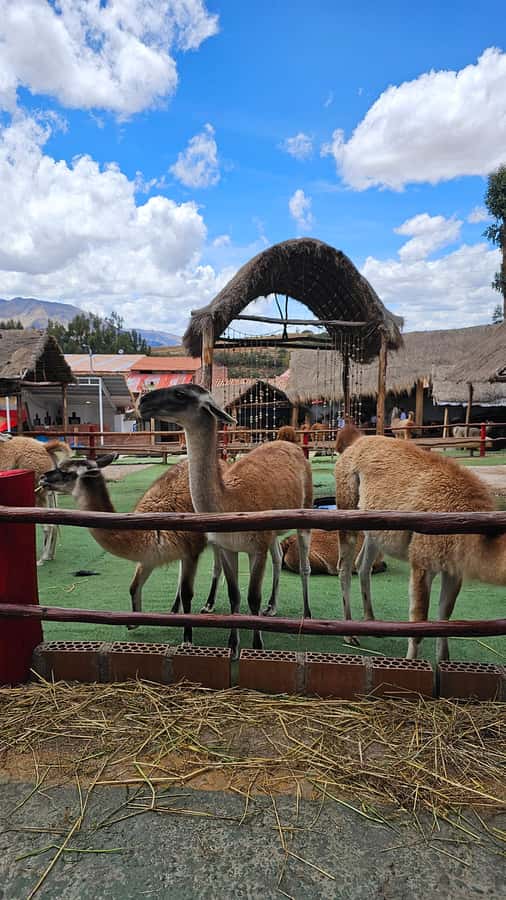
The farm includes animals described as rescues, and the visit has a conservation angle as well as a tourism purpose. The animal care element gives the stop more substance than a simple photo opportunity, although this is still a public attraction with a retail component.
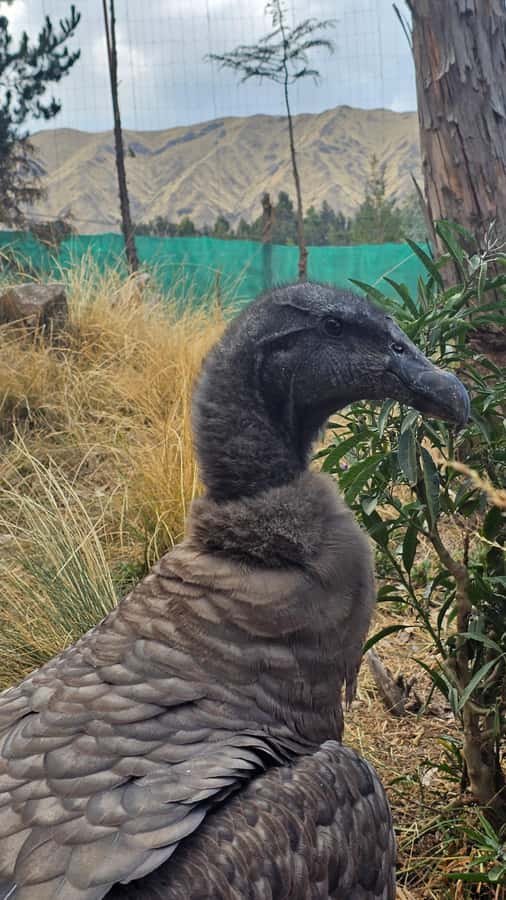
Some visits also include rescued condors, deer, guinea pigs, and a small museum area. These extras are not the central promise of the outing, so I would treat them as possible additions rather than guaranteed highlights. The core visit is the camelid collection and the textile demonstration.
Your guide links the animals to Inca culture and local customs. Guides such as Marlith, Holger, Olga, and others have been praised for explaining clearly, answering questions, helping with photographs, and adding practical advice about Cusco. The quality of the talk matters here because the animal enclosures themselves do not require much time unless the story behind them is made clear.
A good guide turns a row of alpacas into a lesson about farming, wool, trade, and identity. That cultural connection is one reason I would choose this outing over a quick stop at an animal photo point with little explanation.
Watching wool become a woven textile
The second major part of the visit focuses on traditional weaving. You see how native artisans work with wool and learn about the skills used to produce Andean textiles.
The demonstration covers parts of the process such as dyeing and weaving. You may also see examples of older fabrics and learn how wool is handled before it becomes a scarf, hat, sweater, or other finished product. The lesson helps you notice the labor behind the bright patterns sold throughout Cusco.
The most useful detail is the guidance on identifying real baby alpaca fabric. That matters because the name is used loosely in tourist shops, and a soft-looking item is not automatically made from high-quality alpaca fiber. I would pay close attention here, especially if you expect to shop later in your trip.
The weaving lesson also gives you a way to judge souvenirs with more care. You can ask what the material is, how it was dyed, and how much of the product is alpaca rather than a blend. The demonstration does not turn you into a textile expert, but it gives you better questions to ask.
There is a large shop at the end. It can be educational, and the products may be attractive, but you are not required to buy anything. I would compare prices in Cusco before purchasing a major item. One shopper found yarn at 15 soles in a Cusco shop that was priced at 60 soles at the farm.
That price gap does not automatically mean the farm’s product is poor. A higher price might reflect presentation, overhead, or support for a local project, but you are not given enough information to assume that every premium goes to a good cause. Browse politely, ask questions, and buy only if the item and price make sense to you.
more Cusco days to weigh up
- CUSCO MAGICAL 4D Transfer, Hotel, City Tour, Sacred Valley and Machu picchu
★ 5.0 · 42 reviews - Transfer from Cusco to Ollantaytambo
★ 5.0 · 30 reviews - Cusco: Private City Tour and Saksaywaman Visit with Transfer
★ 4.9 · 15 reviews - Super Sacred Valley with Transfer to Ollantaytambo
★ 3.1 · 4 reviews
What $34 gets you
At $34 per person, the tour is priced reasonably for a short, guided outing with transport. You receive hotel pickup and return, a live guide in English or Spanish, the farm visit, the weaving demonstration, and water.
The value is strongest if you want convenience. A self-arranged taxi would get you to the general area, but it would not provide the animal identification, Inca context, textile advice, or return ride. The tour also removes the uncertainty of finding the farm and arranging transport back to Cusco.
It is less compelling if you have already visited several alpaca farms or plan a longer cultural tour that includes weaving. In that case, some of the material may feel familiar. For a first introduction, though, the combination of animals and textiles covers two important parts of Andean culture in a compact format.
The 150-minute duration is another advantage. You can fit it around a meal, a relaxed walk through Cusco, or another short activity. It does not swallow a whole day, and it leaves room for rest, which is useful at altitude.
Timing, pace, and practical comfort
The guided farm portion is listed at about 80 minutes, with the rest of the 150 minutes covering transfers and the overall visit. Most people found the pace comfortable, but one person felt the tour was rushed and shorter than expected.
That warning is worth keeping in mind. If you want long, quiet time with each animal, this may not be the right format. It is a structured introduction, not an open-ended farm stay. Stay with the guide so you do not miss the explanation, and use the animal stops for photographs without expecting unlimited time.
The activity is wheelchair accessible, which makes it an option for more visitors than a rough rural excursion. Still, accessibility in practice can depend on the specific route and conditions at the farm, so ask the provider about the day’s arrangements if you have particular mobility needs.
English and Spanish guiding are available. Guides have received especially strong praise for warmth, clear explanations, help with photographs, and local suggestions such as restaurant ideas or how to enjoy a pisco sour. The guide can make a noticeable difference, so ask questions rather than treating the visit as a passive walk-through.
Who will enjoy this Cusco farm visit?
I would recommend it most strongly to:
- Families who want a simple, memorable activity with animals
- First-time visitors seeking an introduction to Andean culture
- You if you are adjusting to Cusco’s altitude
- Anyone interested in alpaca wool, weaving, or Peruvian textiles
- Photographers who want close views of alpacas, llamas, and vicuñas
- Visitors with only a few free hours between larger excursions
Children will likely enjoy the feeding and petting, while adults may get more from the history and textile lesson. The visit also works well for couples and solo visitors. One person booked on a quiet day and received what felt like a private tour, but you should not count on that arrangement.
I would be more cautious if you dislike commercial stops or feel uncomfortable browsing a shop after a cultural demonstration. The retail area is part of the experience, and the attention there may feel stronger than you prefer, even though there is no stated pressure to buy.
What to bring and how to get more from it
Wear comfortable shoes and bring a light layer. The farm is outside central Cusco, and conditions can change with elevation. Sunscreen, a hat, and water are sensible in the highland sun, although water is included.
Keep your camera ready, but do not focus only on the animals. Watch how the guide distinguishes the camelids, listen for the Inca connections, and save a few minutes for the weaving process. The most worthwhile part is the link between what you see in the enclosures and what you later see in Peruvian shops.
If you plan to buy textiles, use the demonstration as a starting point rather than a sales pitch. Ask about fiber content and compare prices elsewhere. You can return to Cusco with a better eye for quality, even if you decide not to purchase anything at the farm.
Should you book the Cusco alpaca and llama farm tour?
Book it if you want a short, easy cultural outing with hotel transport, close animal encounters, and a practical weaving lesson. At $34, it offers good value for first-time visitors, families, and anyone easing into Cusco before taking on longer day trips.
Skip it if your main goal is a quiet, independent encounter with animals or if you strongly dislike gift shops. The farm is a managed attraction, not untouched countryside, and the shop can feel commercial.
For most visitors with a spare half-day, I think the balance works. You get more than a cute-animal stop: you learn how camelids connect to Andean history, conservation, and the textile trade, then return to Cusco without spending the whole day on the road.
FAQ
How long does the Cusco alpaca and llama farm tour last?
The complete activity lasts 150 minutes, or two and a half hours. The guided visit at Manos de la Comunidad lasts about 80 minutes, with the remaining time used for transfers and the rest of the program.
How far is the farm from Cusco?
The farm is about 20 minutes from Cusco’s historic center by transfer.
Does the tour include hotel pickup and drop-off?
Yes. Hotel pickup from Cusco and return drop-off are included.
What animals can I see?
You can see two varieties of alpaca, several varieties of llama, vicuñas, and huanacos. Some visits may also include rescued condors, deer, and guinea pigs.
Can I feed or pet the animals?
Feeding and petting alpacas and llamas are part of the experience when conditions allow. You can also take photographs of the animals up close.
Is the weaving demonstration included?
Yes. The visit includes a traditional weaving demonstration covering textile-making skills and aspects of wool handling and dyeing.
Can the guide speak English?
Yes. Live guiding is available in English and Spanish.
Is the tour wheelchair accessible?
Yes, the activity is listed as wheelchair accessible.
Does the price include food or souvenirs?
The $34 price includes water, but not souvenirs. Food is not listed as included.
Can I cancel the booking?
You can cancel up to 24 hours in advance for a full refund. The booking also allows you to reserve now and pay later.
More Farms in Cusco
- Private Ollantaytambo, Pisac Ruins Tour with Farm Visit, Gourmet Picnic Lunch
★ 5.0 · 52 reviews - From Cusco: Private Pisac Ruins and Alpaca Farm Day Trip
★ 5.0 · 9 reviews
Recently added around Cusco
- Palcoyo colored mountain hike + stone forests★ 4.6 · 3 reviews
- Maras Moray★ 5.0 · 3 reviews
- From Cusco: Vinicunca Mountain of Colors Excursion + Ticket★ 5.0 · 3 reviews
- Full-Day Condor Viewpoint & Inca Sites Tour★ 5.0 · 3 reviews
- Excursion Cusco – Puno – Titicaca Observatory Train★ 5.0 · 3 reviews
- Machu Picchu: Private Tour Guide Service for up to 15 people★ 4.5 · 3 reviews
- Machu Picchu: 1-day tour by Vistadome Observatory train★ 5.0 · 3 reviews
- Cusco: Chonta Canyon and Condor Flight Tour with Lunch★ 5.0 · 3 reviews
Cusco Tours, compared.
Humantay Lake Tour with Breakfast and Buffet Lunch
Read our review →
Sacred Valley & Maras Salt Mines Tour with Lunch
Read our review →
Moray, Maras Salt Mines & Chinchero Weavers Tour
Read our review →
Half-Day City Tour with Sacsayhuaman and Q’enco
Read our review →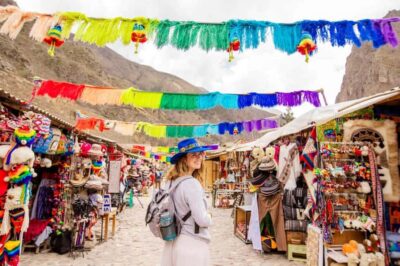
Sacred Valley, Pisac, Ollantaytambo, Salt Mines Moray
Read our review →
Browse the lists this tour appears in