
Reviewed · PERU
Visit to the Cochahuasi Animal Sanctuary with rescued animal
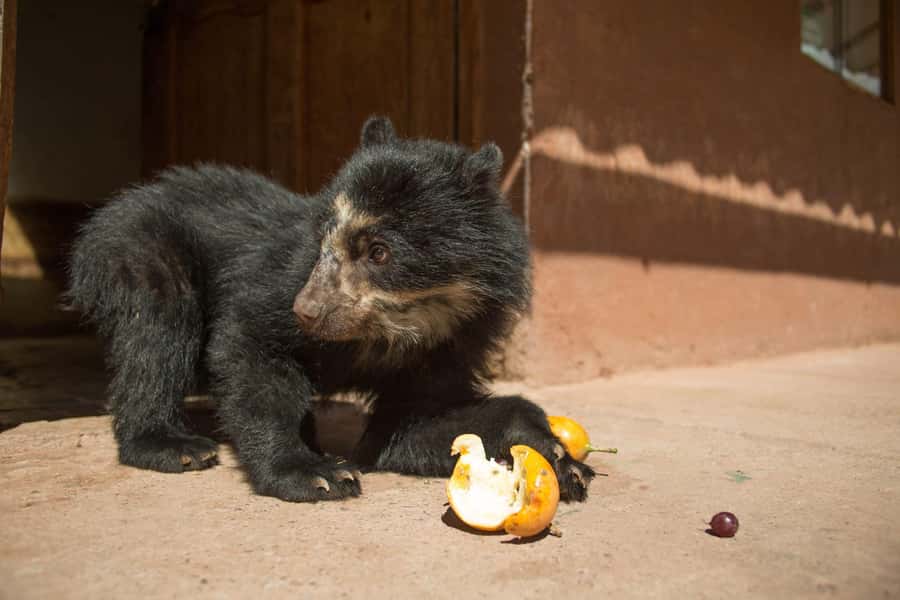
The most moving part of the Cochahuasi Animal Sanctuary visit is the chance to see rescued animals up close while learning why they need protection. About 30 minutes outside Cusco, the sanctuary cares for Andean spectacled bears, pumas, macaws, monkeys, and other animals from Peru’s mountains and coastal jungle.
I like the education-first mission and the chance to support work aimed at helping endangered animals. I also like that the visit includes animal food, enrichment, and time with llamas and alpacas, rather than being only a quick walk past enclosures.
The main thing to consider is that the sanctuary ticket is not included in the $50 price. The animal visit itself lasts about 40 minutes to 1 hour, with another 20 to 25 minutes of free time, so this is a focused half-day outing rather than a full-day wildlife trip.
Key points to know before you go
- About 30 minutes from Cusco: Hotel pickup and drop-off make this an easy short excursion.
- Rescued Peruvian wildlife: Expect Andean spectacled bears, pumas, macaws, monkeys, and other animals.
- A conservation and education visit: The sanctuary explains each animal’s story and works toward releasing some endangered animals.
- Hands-on animal care: Food, enrichment, and interaction with llamas and alpacas are included.
- English or Spanish guide: A professional wildlife specialist leads the visit.
- Budget for the entrance ticket: The $50 price does not include sanctuary admission, food, drinks, or gifts.
Why Cochahuasi adds meaning to a Cusco trip
Cusco is famous for Inca sites and mountain views, but a visit to Cochahuasi gives you a different way to understand Peru. The sanctuary focuses on animals that have been rescued and now need long-term care, protection, or a path toward release.
That purpose matters. You are not simply stopping at a place to take animal photos. You are seeing creatures that often cannot return to the wild without help, and you are hearing how conservation depends on public education and respect for wildlife.
I find that this changes the mood of the visit. A rescued animal may look impressive, but its presence also carries a difficult story. The sanctuary uses those stories to show why wild animals should not be treated as pets or removed from their natural homes.
The work also reaches beyond one species. The collection includes animals associated with Peru’s highlands and coastal jungle, giving you a small view of the country’s range of habitats. You may see Andean spectacled bears, pumas, macaws, and monkeys during the visit, along with llamas and alpacas.
Other Peru days that pair with this one:
- Cusco: Humantay Lake Tour with Breakfast and Buffet Lunch
★ 4.9 · 2,976 reviews - From Cusco: Sacred Valley & Maras Salt Mines Tour with Lunch
★ 4.8 · 2,227 reviews - From Cusco: Moray, Maras Salt Mines & Chinchero Weavers Tour
★ 4.8 · 1,925 reviews
The 30-minute ride from Cusco
The tour begins with pickup at your hotel in Cusco. From there, you travel by car for roughly 30 minutes to the sanctuary, then return to the city after the visit.
That short drive makes this useful when you have a spare morning or afternoon but do not want to commit to a long excursion. It also saves you from arranging separate transport, which can be helpful if you are still getting used to Cusco or prefer to keep your plans simple.
The exact pickup time depends on availability, so you need to check the starting times when booking. The total activity lasts about three hours, including transport, the guided sanctuary visit, free time, and the return to your hotel.
I would treat the drive as part of the practical value of the tour, not as a sightseeing stop. The main attraction begins at the sanctuary, and the transport is there to get you comfortably from Cusco to the animals and back.
Meeting the rescued animals
Inside the sanctuary, a wildlife specialist guide leads the visit in English or Spanish. The guide explains the animals living there and the circumstances that led to their rescue.
This is where the experience gains its human side. The animals are not presented only as rare species. You learn that each one has a story, and those stories can be sad. That may be difficult for children or sensitive visitors, but it also makes the conservation message clear.
The Andean spectacled bear is one of the most important animals to look for. It is associated with the Andes and is a powerful reminder that Peru’s wildlife needs protection in the same way its historic sites do.
Pumas offer a different kind of encounter. They are impressive animals, but seeing one in a sanctuary should not be confused with seeing one in the wild. The value here is learning about rescue and care, not pretending that the setting is a natural habitat.
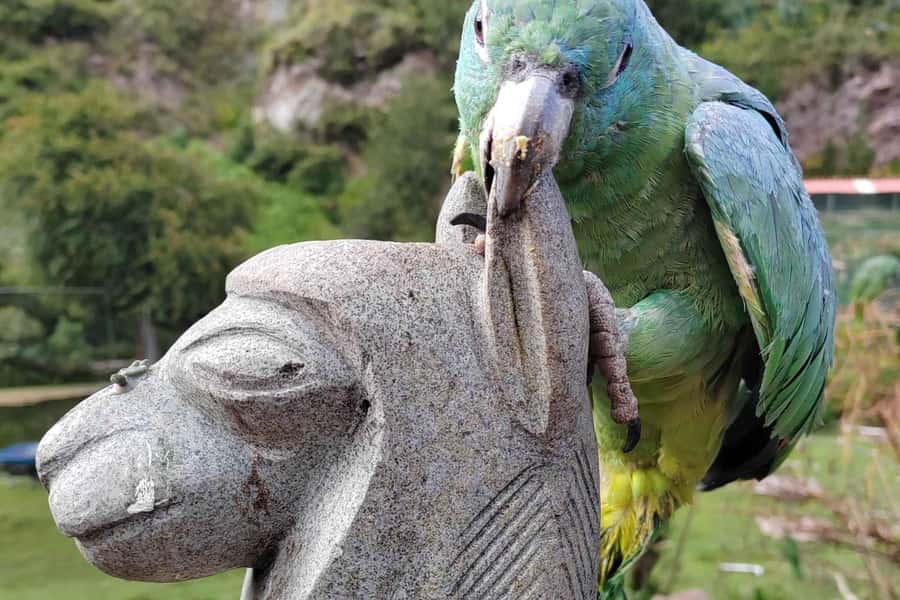
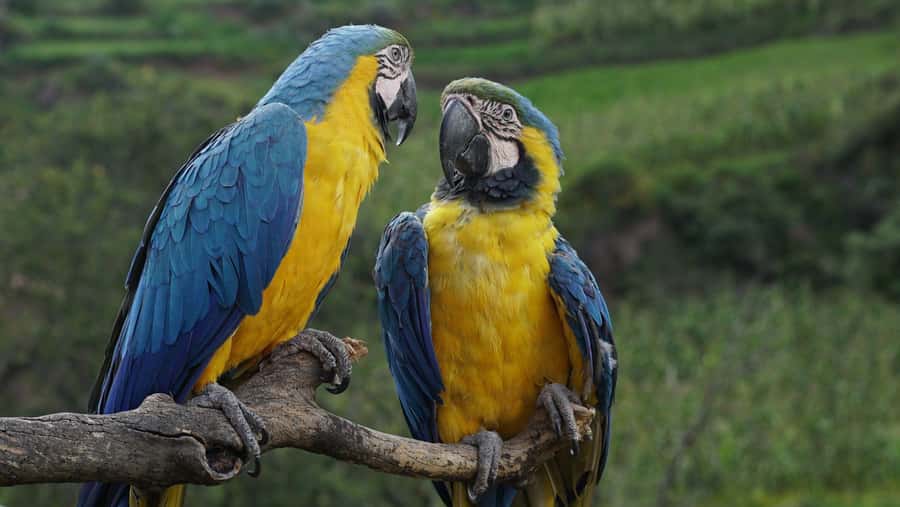
Macaws and monkeys add variety to the visit. Their presence also shows that the sanctuary cares for animals from more than one part of Peru. You may find the range of species especially interesting if you are not heading into the Amazon or other remote areas during your trip.
A visit built around care, not spectacle
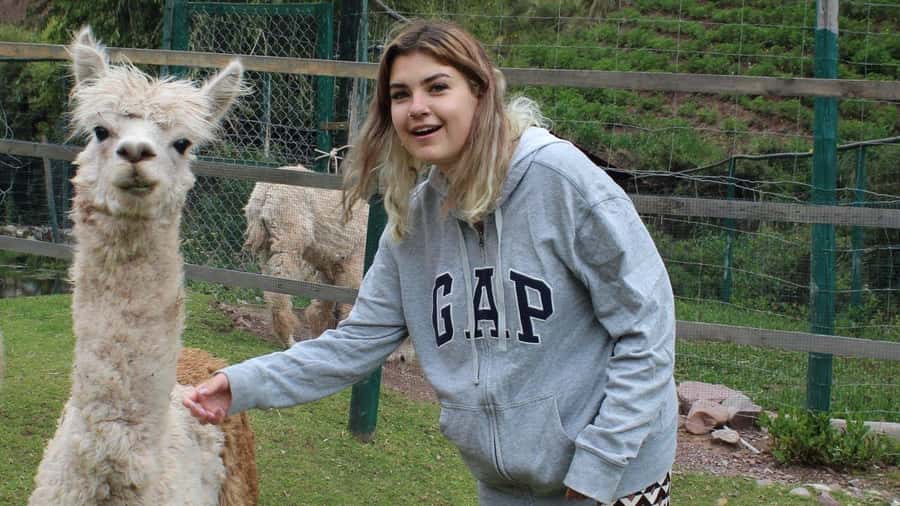
The included animal food and enrichment are important details. They indicate that the visit supports daily care rather than offering only a viewing experience.
Enrichment gives animals ways to stay active and engaged. The supplied information does not specify the exact activity or food used for each species, so you should not expect a fixed feeding performance. Instead, think of these inclusions as support for the sanctuary’s care work.
You also receive access to the VIP animal houses. The name suggests areas with closer or more special access, but the available details do not explain exactly which animals or facilities are included. Ask your guide what you will see there on the day.
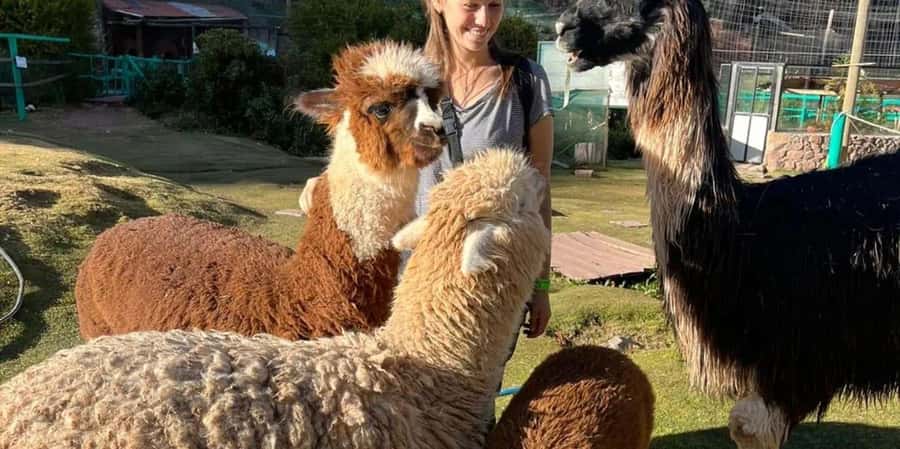
The inclusion of llamas and alpacas provides a gentler part of the visit. You can interact with them and give them food, which may be especially appealing to families and anyone who wants a simple, direct connection with a familiar Andean animal.
Still, keep your expectations sensible. This is a sanctuary visit, not a petting zoo built around constant handling. The animals’ well-being should come first, and the guide’s instructions matter.
Somewhere else entirely, still within reach of Peru:
- From Lima: Paracas and Huacachina Oasis Full Day Guided Tour
★ 4.7 · 1,780 reviews - From Cusco: Full-Day Group Tour of Machu Picchu
★ 4.7 · 1,767 reviews - Machu Picchu Day Trip from Cusco
★ 4.5 · 1,644 reviews - Cusco: Half-Day City Tour with Sacsayhuaman and Q’enco
★ 4.6 · 1,129 reviews
The conservation work behind the visit
The sanctuary’s stated mission is education. That makes the guide central to the experience. A good explanation helps you understand why a rescued animal needs care and why releasing animals is not always simple.
The sanctuary is also working to release some animals that face extinction. That is an ambitious goal, and it gives the visit a stronger purpose than permanent display alone. Release work requires suitable conditions, animal health, and the right environment, but the available information does not provide details about which animals are currently ready to return to the wild.
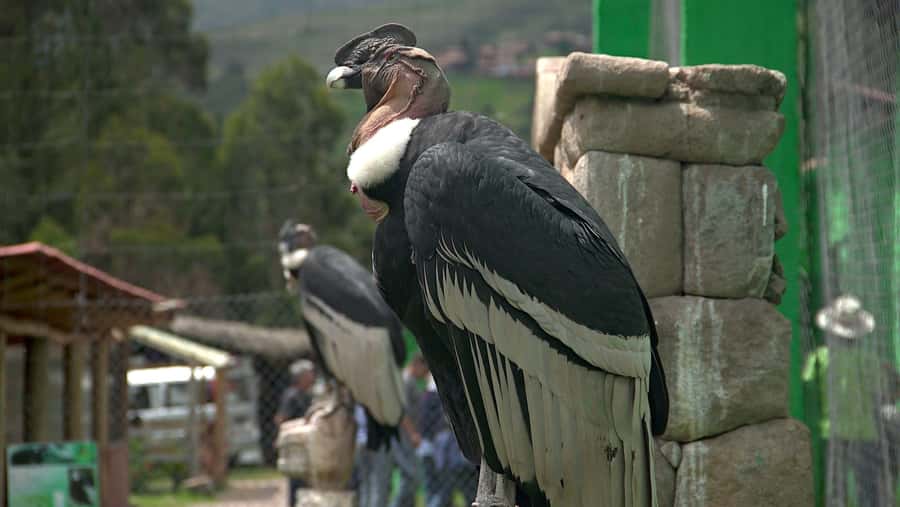
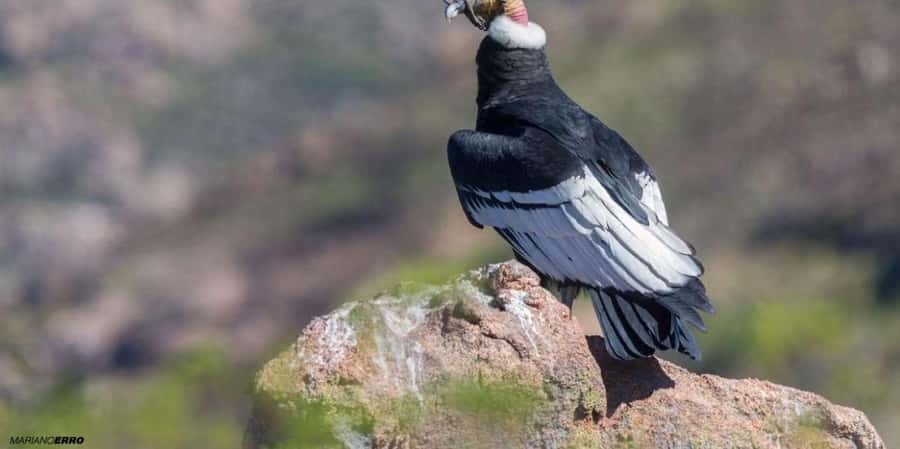
One notable example is a male Andean condor fitted with GPS and satellite equipment in 2019. That detail shows how technology can support conservation by tracking a released or monitored bird after it leaves human care.
I like this part because it connects a small visitor experience to a larger effort. Your visit will not explain every conservation project in Peru, but it can help you see why monitoring, education, and responsible care all matter.
How the three-hour schedule works
The sanctuary visit itself lasts about 40 minutes to 1 hour. During this guided portion, you see the animals, listen to their stories, and learn about the sanctuary’s work.
After that, you have around 20 to 25 minutes of free time. This gives you a chance to look around at your own pace, spend a little longer with the animals, or visit the area with products and crafts.
The free time is useful, but it is not long. If you want a leisurely shopping stop or a slow visit with every animal, you may find the schedule tight. The tour is designed to give you a clear introduction and then return you to Cusco, not to let you spend an entire day at the sanctuary.
The timing also means you should be ready to keep moving during the guided section. The sanctuary visit has several species and conservation themes to cover, so listen closely and save detailed questions for the guide when there is a natural pause.
What the $50 price really covers
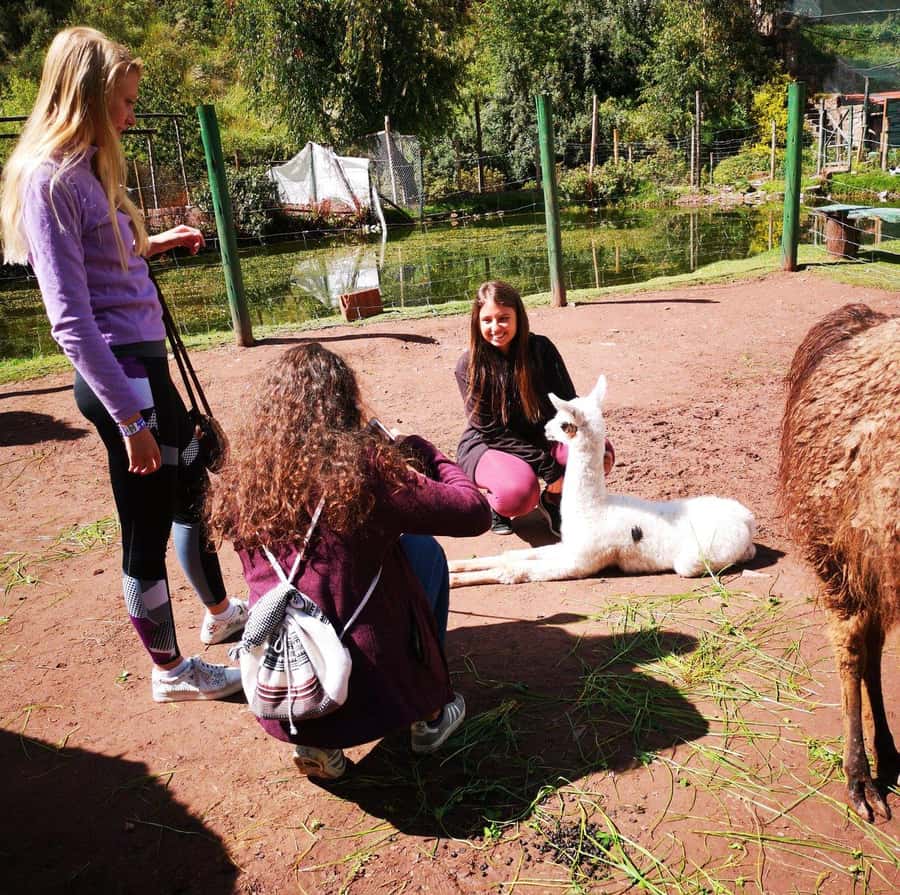
The listed price is $50 per person. That includes hotel pickup and drop-off, round-trip transport from Cusco, a professional wildlife specialist guide, animal food, enrichment, interaction with llamas and alpacas, and access to the VIP animal houses.
For me, the strongest value comes from combining transport and interpretation. You are not paying only to enter a sanctuary. You are also paying for a guide who can explain the animals and for a simple round trip from your hotel.
The price does not include the sanctuary entrance ticket. You also need to pay separately for food, drinks, and gifts or crafts. This is the most important budget detail, since the final cost will be higher than $50 once admission is added.
The tour makes good financial sense if you value convenience and guided learning. It is less appealing if you only want a very cheap animal viewing stop and are comfortable arranging your own transport and entrance.
Who will enjoy this visit most
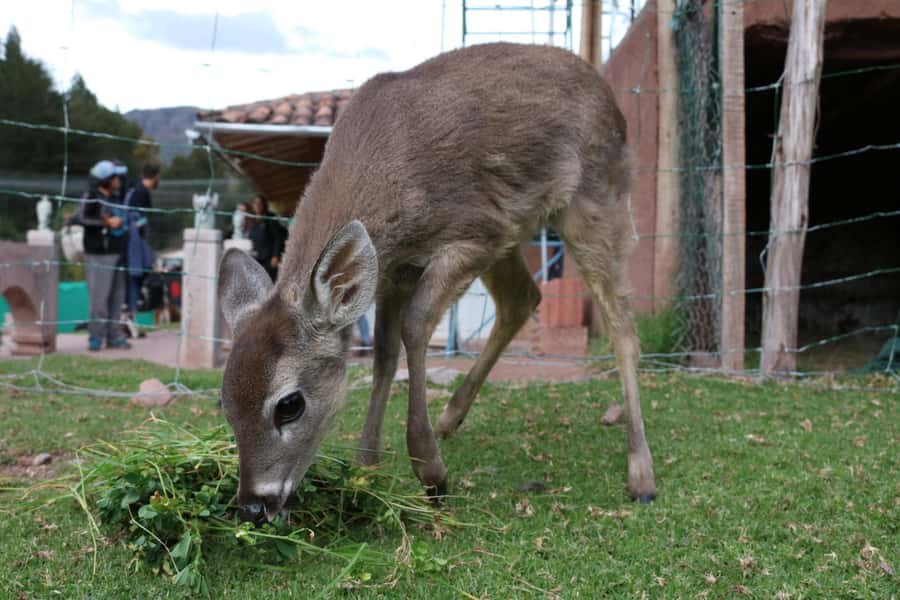
I would recommend Cochahuasi to animal lovers, families, and visitors who want a meaningful break from ruins and museums. The combination of large animals, llamas and alpacas, a short drive, and a clear conservation message gives the outing broad appeal.
It also suits you if you have limited time in Cusco. Three hours is long enough to make the trip feel worthwhile, but short enough to fit around other city plans.
Children may enjoy the variety of animals and the chance to feed llamas and alpacas. Parents should prepare them for the fact that some animals have sad rescue stories. This is an educational visit, and the tone may be more serious than a standard animal attraction.
You may want to skip it if your main goal is to see animals in the wild. The sanctuary offers care and education, not a wilderness encounter. It is also not the right choice if your schedule cannot absorb the extra entrance cost or if you prefer a long, slow wildlife outing.
Practical details that affect your day
The tour offers live guidance in Spanish and English. If you want to understand the conservation information fully, select the language that is most comfortable for you when booking.
Hotel pickup and drop-off are included, but the supplied details do not specify whether every hotel in the wider Cusco Region qualifies. Confirm your pickup point when making the reservation.
The experience is listed at $50 per person, and you should keep money available for the sanctuary ticket, drinks, food, or crafts. Since products and handicrafts are available at the end, it is easy to spend more if you want a small souvenir.
Free cancellation is available up to 24 hours before the activity for a full refund. You can also reserve now and pay later, which helps if you are arranging several Cusco activities and want to keep your plans flexible.
Is Cochahuasi worth booking?
I would book this tour if you want a short, organized visit that supports animal care and gives you more context than a quick self-guided stop. The strongest reasons are the rescued Andean wildlife, the professional guide, the included animal food and enrichment, and the chance to support conservation work.
Before you commit, confirm the extra sanctuary ticket cost and make sure the 40-minute to 1-hour guided visit matches your expectations. If you accept that this is a sanctuary rather than a wild-animal encounter, Cochahuasi offers a thoughtful and practical addition to a Cusco itinerary.
FAQ
Where is Cochahuasi Animal Sanctuary?
The sanctuary is in the Cusco Region, about 30 minutes by car from the city of Cusco.
How long does the activity last?
The full activity lasts about three hours, including transportation from Cusco, the sanctuary visit, free time, and the return trip.
Is hotel pickup included?
Yes. Hotel pickup and drop-off in Cusco are included.
What languages are available for the guided visit?
Live tour guidance is available in English and Spanish.
What animals can I see at the sanctuary?
The sanctuary has Andean spectacled bears, pumas, macaws, monkeys, and other rescued animals from Peru’s mountains and coastal jungle. Llamas and alpacas are also included for interaction.
Can I feed the animals?
Animal food is included, along with interaction with llamas and alpacas. The experience also includes enrichment for the animals.
Is the sanctuary entrance ticket included in the $50 price?
No. The sanctuary ticket is not included and must be paid separately.
Are food, drinks, and gifts included?
No. Food, drinks, gifts, and crafts are not included in the activity price.
Can I cancel the booking for a refund?
Yes. You can cancel up to 24 hours in advance for a full refund. The activity also allows you to reserve now and pay later.
Recently added around Peru
- Palcoyo colored mountain hike + stone forests★ 4.6 · 3 reviews
- Mancora: Beaches and Tumbes Mangroves Day Trip★ 4.5 · 3 reviews
- Maras Moray★ 5.0 · 3 reviews
- Ica: Tacama Winery and Pisco Tasting Tour with Hotel Pickup★ 3.1 · 3 reviews
- Full-Day Condor Viewpoint & Inca Sites Tour★ 5.0 · 3 reviews
- From Cusco: Vinicunca Mountain of Colors Excursion + Ticket★ 5.0 · 3 reviews
- Excursion 2 days/1 nights in the jungle: Tambopata★ 5.0 · 3 reviews
- Excursion Cusco – Puno – Titicaca Observatory Train★ 5.0 · 3 reviews