
Reviewed · CUSCO TOURS
Valle Sur Cusco | half day
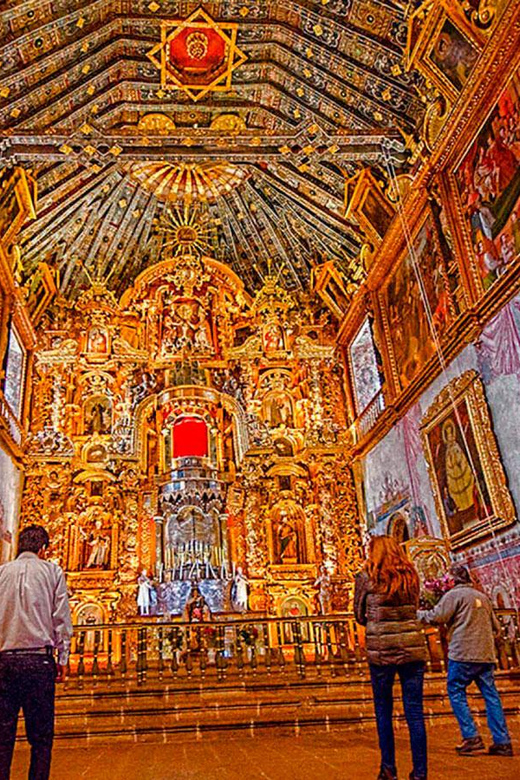
The real prize here is Andahuaylillas Church, a small colonial temple packed with gold-leaf altars, painted walls, and baroque artwork. It is an ornate finish to a day that also covers two very different archaeological sites: Tipon, built around moving water, and Pikillaqta, a pre-Inca Wari settlement.
I like the variety. You get engineering at Tipon and a large ancient settlement at Pikillaqta, then shift to colonial art and local food. I also like the easy hotel pickup in Cusco’s historic center and the optional chicharrón stop in Saylla. The main catch is cost: the $19 tour price does not include entrance fees, and the tickets can add more than $20.
Key points to know before booking
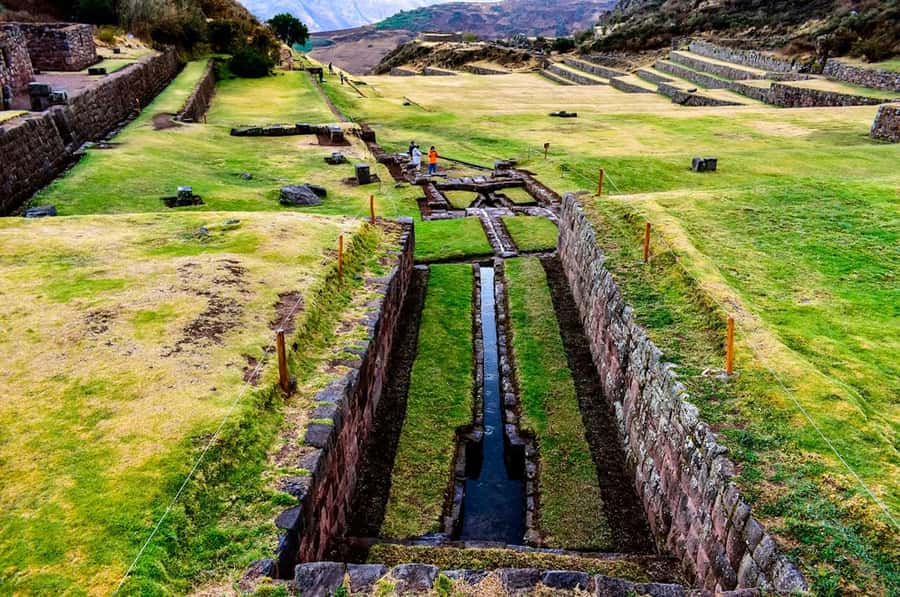
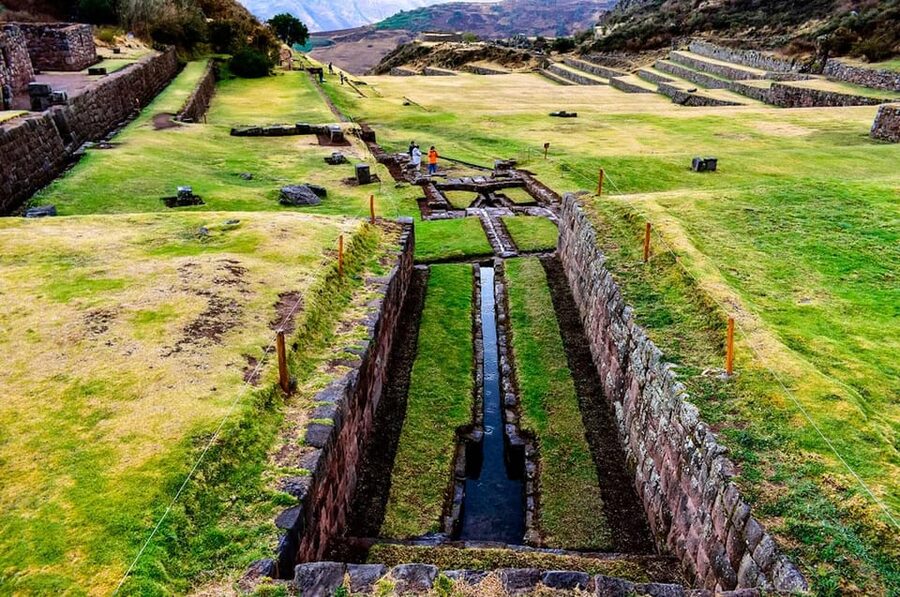
- Tipon’s water channels show how carefully the Incas controlled springs, terraces, and flowing water.
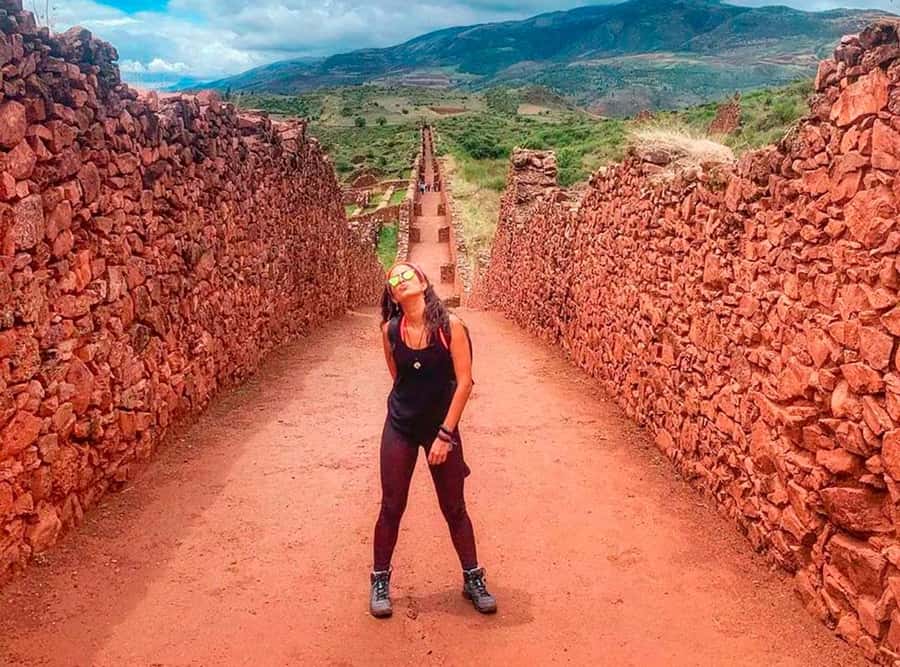
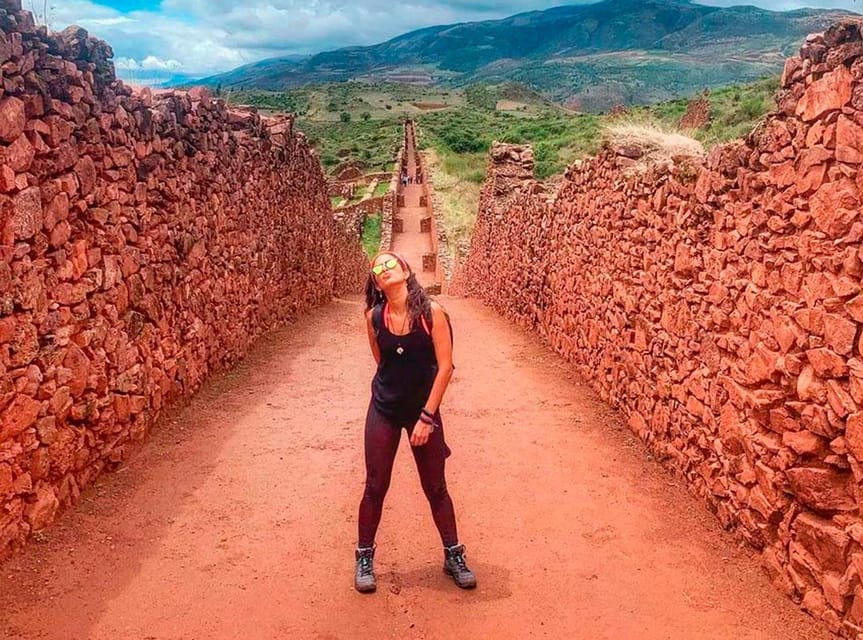
- Pikillaqta gives you a look at Wari urban planning, with broad walls and maze-like stone structures.
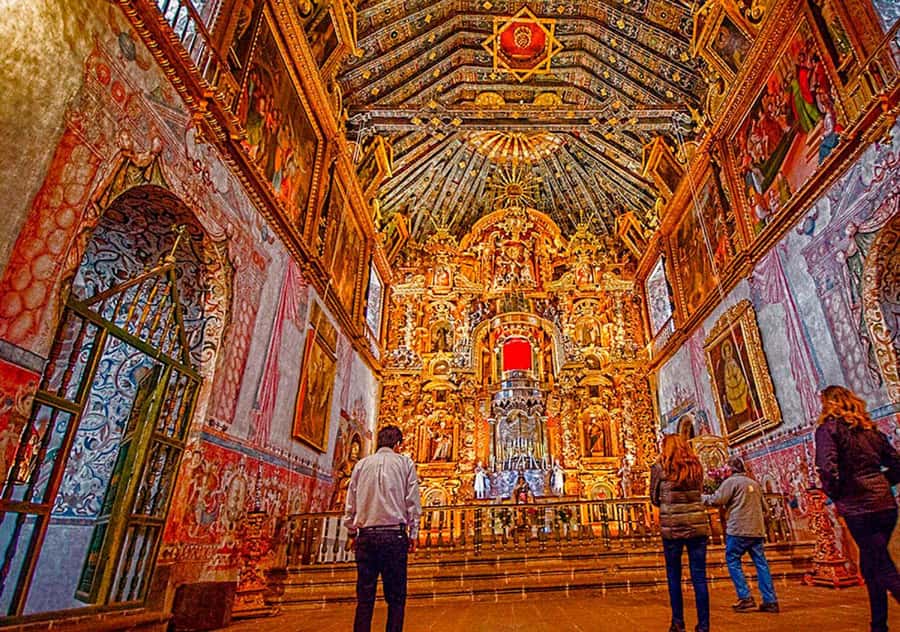
- Andahuaylillas Church is the artistic high point, with murals, gold leaf, and baroque decoration.
- Saylla chicharrón offers an optional taste of a classic pork dish on the return to Cusco.
- The $19 price is only the starting cost, since entrance fees, food, and drinks are separate.
- The tour lasts 450 minutes, or about seven and a half hours, despite being described as a half-day experience.
Why the South Valley makes a good change from Cusco
Cusco is the natural base for exploring the region, but the city’s best-known sights can leave you focused on Inca stonework and colonial streets. This outing takes you south into the Cusco Region for a broader look at the cultures that shaped the area.
The route links three sites with very different purposes. Tipon is about water and agriculture. Pikillaqta shows the planning of the Wari civilization. Andahuaylillas brings you into the colonial period, where religious art covers nearly every available surface.
I find that mix useful if you want context without committing to a full-day trip into the Sacred Valley or a multi-day archaeological circuit. You are not seeing three versions of the same ruin. Each stop asks you to look at the past in a different way.
The tour begins with pickup from a hotel in Cusco’s historic center between 8:00 and 9:00 in the morning. The broad pickup window means you should be ready early and confirm the exact time. Transport is provided in a tourist vehicle, with a professional guide speaking English or Spanish.
Other Cusco days that pair with this one:
- Cusco: Humantay Lake Tour with Breakfast and Buffet Lunch
★ 4.9 · 2,976 reviews - From Cusco: Sacred Valley & Maras Salt Mines Tour with Lunch
★ 4.8 · 2,227 reviews - From Cusco: Moray, Maras Salt Mines & Chinchero Weavers Tour
★ 4.8 · 1,925 reviews
Tipon and the Inca skill with water
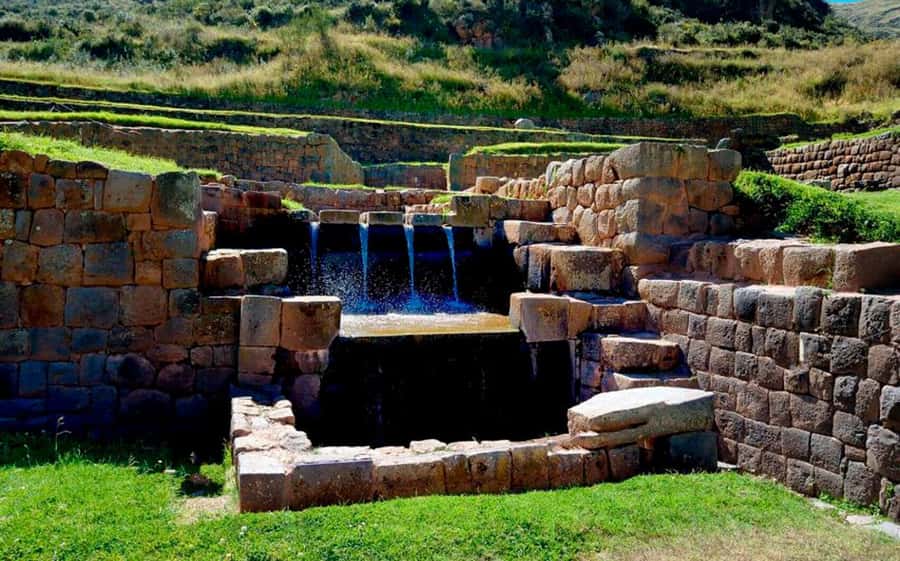
Tipon is the first major stop, and it earns its place on the route. The site is presented as the leading example of Inca hydraulic engineering in the area, so this is not simply a quick look at old terraces.
The appeal is practical. You can see how the Incas worked with water instead of treating it as an afterthought. Channels, stone construction, and controlled flow turn the site into a lesson in planning. The point is not only that the stonework is attractive. It is that the system had a clear purpose.
If you have already seen Cusco’s famous walls, Tipon gives you something different to study. Look for the way water is directed through the site and notice how engineering and agriculture fit together. The experience works best when you take a little time to watch the channels rather than treating them as background scenery.
Tipon is also a good early stop because it gives the day a clear theme. You start with function and design before moving on to the larger Wari settlement at Pikillaqta. A guide can add useful explanation in English or Spanish, though the supplied information does not name individual guides.
Pikillaqta, a Wari city of walls and order
Pikillaqta takes you farther back than the Inca period. It was built by the Wari civilization, a major pre-Inca culture, and the site is described as a city that once held about 10,000 people.
That figure helps you read the ruins. This is not just an isolated ceremonial building. You are looking at a planned settlement with repeated structures, walls, and an arrangement that can feel like a stone maze. The scale is one of the main reasons to include Pikillaqta in a Cusco itinerary.
I would pay attention to the layout more than to individual pieces of masonry. The broad impression comes from how the buildings relate to one another. You might find the site less immediately dramatic than Andahuaylillas Church, but it supplies the historical range that makes the day worthwhile.
Pikillaqta can also appeal to anyone who wants a break from the busiest Cusco sights. The experience is centered on ruins and spatial planning, not shopping or staged entertainment. Since the tour moves between several places, your guide’s explanations matter here, especially if you want to understand how the Wari settlement differed from later Inca sites.
Andahuaylillas Church and its painted interior
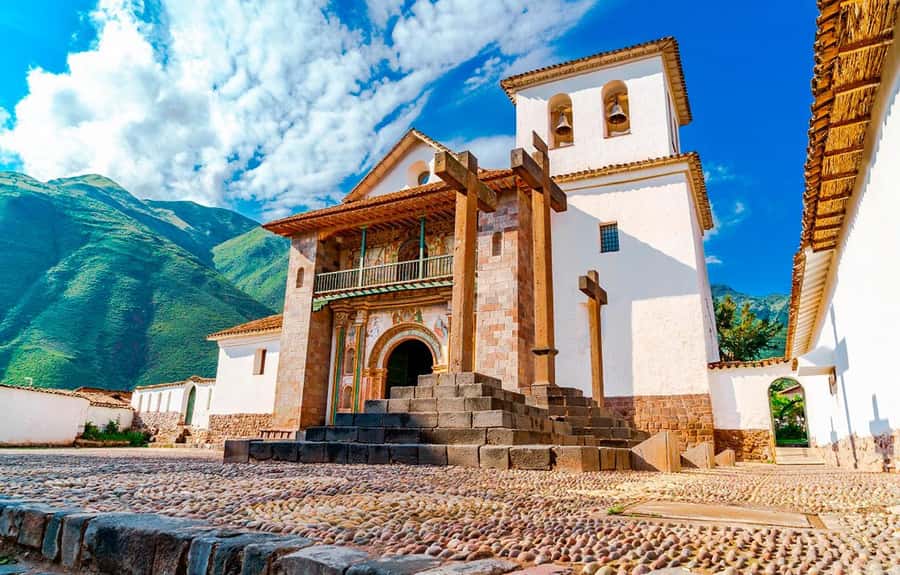
Andahuaylillas is the centerpiece of the circuit. The chapel is known for its colonial artwork, including gold-leaf altars, paintings, and murals in a baroque style.
From the outside, the building may not prepare you for the interior. Once inside, the decoration becomes the main event. Painted surfaces and gilded details create a very different mood from the open archaeological sites earlier in the day. Tipon asks you to study water control. Pikillaqta asks you to read a settlement. Andahuaylillas asks you to look closely at art.
Give yourself time here. Look at the walls, the painted scenes, and the way gold leaf catches the light. The church is valuable even if you are not an art specialist, because its decoration shows how colonial religious spaces used images and color to communicate.
This is also the stop most likely to make the tour feel distinctive. Many Cusco excursions focus heavily on archaeological sites. Here, the final major visit supplies a strong colonial counterpoint. The church’s baroque artwork and gilded decoration provide the day’s most polished visual finish.
Entrance fees are not included, so you need to budget separately for the sites. This is the biggest practical issue with the advertised $19 rate. One booking account placed the combined attraction tickets at more than $20, so check the current costs before you decide that this is a bargain. The guide service was specifically praised in the feedback, but the low base price does not cover everything.
Somewhere else entirely, still within reach of Cusco:
- From Cusco: Full-Day Group Tour of Machu Picchu
★ 4.7 · 1,767 reviews - Machu Picchu Day Trip from Cusco
★ 4.5 · 1,644 reviews - Cusco: Half-Day City Tour with Sacsayhuaman and Q’enco
★ 4.6 · 1,129 reviews - Cusco: Sacred Valley, Pisac, Ollantaytambo, Salt Mines Moray
★ 4.6 · 1,058 reviews
Saylla and the optional chicharrón stop
On the return to Cusco, the vehicle passes through Saylla, a place associated with chicharrón, a traditional pork dish. The meal is optional, and food and drinks are not included in the tour price.
This stop changes the rhythm of the day. After ruins and church art, you get a chance to sample something local rather than simply heading straight back to your hotel. If you enjoy trying regional food, this is a sensible addition. If you prefer a quicker return or have dietary concerns, you can treat it as optional and plan accordingly.
Chicharrón is the reason Saylla appears in the route, so this is not a generic restaurant break. It gives you a taste of a dish tied to the area. The available information does not specify the restaurant, portion size, or exact meal price, so keep cash or another payment method ready as appropriate and ask your guide about the current arrangement.
Because the meal is separate, the total cost can rise beyond the booking price. Add entrance fees and the optional food stop when comparing this excursion with other South Valley tours.
What the $19 price really covers
At $19 per person, this is an inexpensive way to arrange transportation and guiding for three stops outside central Cusco. The included package covers hotel pickup, tourist transport, a professional guide, and a first aid kit.
That price makes sense if you want a planned route and do not want to arrange each site on your own. You are paying for the vehicle, the guide, and the convenience of returning to your hotel. The English and Spanish language option also helps if you want live explanations rather than simply visiting the sites independently.
Still, the headline price needs a footnote. Entrance fees are not included, and food, drinks, and souvenirs are also extra. Since the attraction tickets can total more than $20, your real spend may be roughly twice the advertised rate before you add chicharrón.
I would compare the full cost, not only the booking price. The tour remains reasonable if you value hotel pickup and a guide, but it is not an all-inclusive $19 day out. Ask for the latest entrance-fee details before committing, especially if you are traveling on a tight budget.
Timing, comfort, and who should choose it
The stated duration is 450 minutes, which works out to seven and a half hours. That is much longer than most people would expect from the words half day. With pickup between 8:00 and 9:00 in the morning, you should expect the outing to occupy most of your daytime schedule.
That length is understandable because the tour includes three stops, transport between them, and a possible food break. Still, do not book a late-afternoon activity on the assumption that you will be back quickly. The final return is to your hotel in Cusco’s historic center.
The experience is not listed as suitable for wheelchair users, people with visual impairments, or anyone over 70. Those restrictions are important to take seriously. The information does not provide detailed surface conditions or walking distances, so you should contact the provider directly if your mobility needs fall outside the stated suitability.
Pets are not allowed, and alcohol and drugs are prohibited. Those rules are simple, but they help set expectations for a structured cultural excursion rather than a casual private outing.
This tour suits you best if you want a broad introduction to the South Valley, appreciate both archaeology and religious art, and are happy to spend most of a day on a guided route. It is less suitable if you want a short outing, dislike organized transport, or need a fully accessible experience.
Practical ways to get more from the day
Wear comfortable footwear and be ready for a schedule that moves from outdoor ruins to a decorated church. The supplied details do not specify weather conditions or clothing requirements, so check the forecast before leaving Cusco.
Keep some money aside for entrance fees and the optional meal. Since souvenirs are also excluded, you can decide in advance how much extra spending fits your budget instead of treating the $19 price as the final figure.
At Tipon, listen for the explanation of the water system. At Pikillaqta, step back and focus on the settlement’s overall design. At Andahuaylillas, slow down and inspect the murals and gold-leaf details. Each stop rewards a different kind of attention.
The guide is central to the experience. A verified booking account described the guide service as excellent, and that matters most at Tipon and Pikillaqta, where the meaning of the ruins is not always obvious from the stones alone. English and Spanish guiding is available.
Free cancellation up to 24 hours before the activity and the option to reserve now and pay later make the booking easier to adjust. Those policies are useful if your Cusco plans are still shifting, but they do not change the need to check the extra entrance costs.
Should you book Valle Sur Cusco?
Book it if you want three contrasting South Valley sights in one organized outing. Tipon’s waterworks, Pikillaqta’s Wari city, and Andahuaylillas’s ornate church create a stronger mix than a route focused on only one kind of monument.
The best reason to choose it is variety. The main caution is value calculation: $19 is attractive, but entrance fees can add more than $20, and chicharrón is optional and extra. I would recommend it to an active visitor who wants a guided overview, has most of a day available, and is comfortable with the stated accessibility limits.
FAQ
How long does the Valle Sur Cusco tour last?
The activity lasts 450 minutes, or about seven and a half hours.
What time does hotel pickup begin?
Pickup from hotels in Cusco’s historic center takes place between 8:00 and 9:00 in the morning.
Which sites does the tour visit?
The route visits Tipon, Pikillaqta, and the temple of Andahuaylillas, followed by a return through Saylla.
Is transportation included?
Yes. Hotel pickup and tourist transport are included, along with a professional guide and a first aid kit.
Are entrance fees included in the $19 price?
No. Entrance fees are separate. Food, beverages, and souvenirs are also not included.
Is the Saylla chicharrón meal required?
No. The chicharrón stop is optional, and the food cost is not included.
What languages are available for the live guide?
The live guide service is available in English and Spanish.
Who is this activity not suitable for?
The activity is not suitable for wheelchair users, people with visual impairments, or people over 70. Pets, alcohol, and drugs are also not allowed.
Recently added around Cusco
- Palcoyo colored mountain hike + stone forests★ 4.6 · 3 reviews
- Maras Moray★ 5.0 · 3 reviews
- Full-Day Condor Viewpoint & Inca Sites Tour★ 5.0 · 3 reviews
- From Cusco: Vinicunca Mountain of Colors Excursion + Ticket★ 5.0 · 3 reviews
- Excursion Cusco – Puno – Titicaca Observatory Train★ 5.0 · 3 reviews
- Machu Picchu: Private Tour Guide Service for up to 15 people★ 4.5 · 3 reviews
- Machu Picchu: 1-day tour by Vistadome Observatory train★ 5.0 · 3 reviews
- Cusco: Chonta Canyon and Condor Flight Tour with Lunch★ 5.0 · 3 reviews
Cusco Tours, compared.
Humantay Lake Tour with Breakfast and Buffet Lunch
Read our review →
Sacred Valley & Maras Salt Mines Tour with Lunch
Read our review →
Moray, Maras Salt Mines & Chinchero Weavers Tour
Read our review →


Half-Day City Tour with Sacsayhuaman and Q’enco
Read our review →
Sacred Valley, Pisac, Ollantaytambo, Salt Mines Moray
Read our review →