
Reviewed · CUSCO TOURS
TRIP FROM PUNO TO CUSCO WITH THE ROUTE OF THE SUN
The best thing about this Puno to Cusco trip is that it turns a long transfer into a full day of Andean culture. Instead of spending ten hours simply watching the road, you stop at Pucará, La Raya Pass, Raqchi and Andahuaylillas, with a guide to explain what you are seeing.
I like the comfortable bus and the fact that your buffet lunch and entrance tickets are included. I also like the well-paced mix of museum, mountain pass, archaeological site and colonial church. The catch is simple: this is still a long day, and several stops are short. If you want slow, quiet visits, you may feel rushed.
Key points
- A full cultural route between two major Andean cities: Use your transfer day to see four important sites instead of losing a day to transport.
- La Raya Pass reaches more than 4,335 meters: You stop near the border of Puno and Cusco, with views toward snow-capped Chimboya.
- Pucará shows a pre-Inca culture: The Lithic Museum displays ceramics and stone figures, including the striking Hatunñaqaq.
- Raqchi reveals the scale of Inca construction: See the Temple of Wiracocha and an impressive collection of storehouses.
- Andahuaylillas offers a richly decorated church interior: Its murals, gold leaf and Cusco School paintings explain its nickname, the Sistine Chapel of the Andes.
- Comfort matters on a 10-hour ride: The bus has received strong praise for roomy, comfortable seats and careful organization.
Why this is more than a bus ride to Cusco
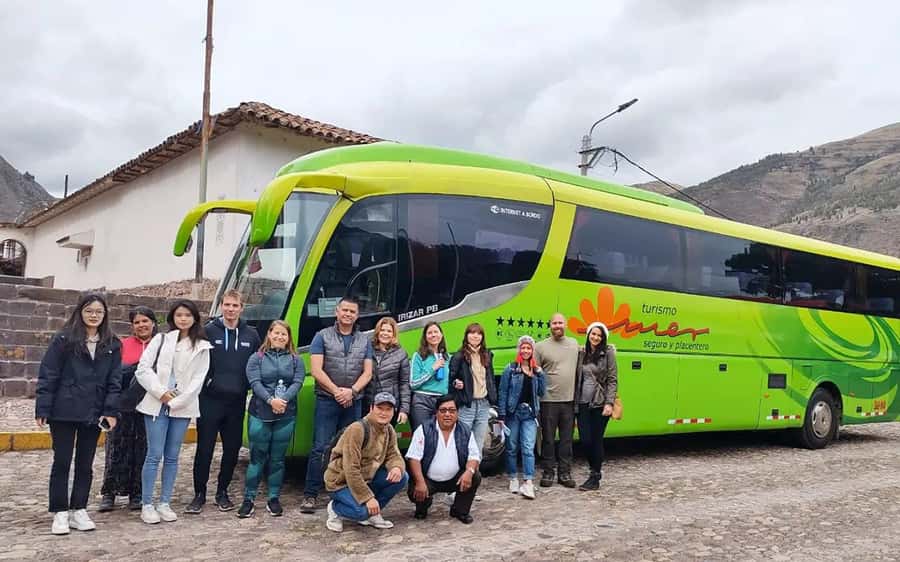
At $114 per person, this trip costs more than a plain intercity bus. But it also covers guided visits, entrance fees, a buffet lunch and hotel transfer at both ends. I see the value in that package if you want to understand the places along the road, not just pass them behind a window.
The route links several layers of southern Peru. Pucará takes you to a culture that came before the Incas. La Raya shows you the high mountain divide between the Puno and Cusco regions. Raqchi brings you to major Inca construction, while Andahuaylillas shifts the story to Spanish colonial religious art.
You leave Puno at about 6:00 in the morning and arrive in Cusco after roughly ten hours. That makes this a practical choice for a travel day, especially if you would otherwise need to pay separately for transport, lunch, taxis and site admissions.
The overall experience has a 4.7 rating from 16 bookings, with the strongest praise focused on the bus, punctual organization and guides. Max is singled out for being friendly, clear and good at sharing Peruvian culture during the long ride. That kind of guide can make a real difference here, since the road time is a large part of the day.
Other Cusco days that pair with this one:
- Cusco: Humantay Lake Tour with Breakfast and Buffet Lunch
★ 4.9 · 2,976 reviews - From Cusco: Sacred Valley & Maras Salt Mines Tour with Lunch
★ 4.8 · 2,227 reviews - From Cusco: Moray, Maras Salt Mines & Chinchero Weavers Tour
★ 4.8 · 1,925 reviews
Starting in Puno at 6:00 in the morning
Pickup is from your hotel in Puno. The stated meeting point is Av. Simon Bolivar 1671, and you should wait in the hotel lobby five minutes before pickup. The driver calls reception when ready, so keep your phone available and make sure the front desk knows you are leaving early.
The morning start is not a minor detail. You need enough time to reach Cusco before evening, and the four main stops only work because the bus leaves early. Bring a small day bag rather than packing everything you own. You will want comfortable shoes, a camera, warm layers and some cash.
The bus is one of the strongest parts of the trip. Several bookings specifically praise the spacious seating and comfort, which matters on a ten-hour route. The guide speaks English and Spanish, and the commentary helps turn the long stretches between stops into useful travel time.
You should still set reasonable expectations. This is a shared coach excursion, not a private car. The schedule has to keep moving, and the guide must serve the whole group. A small group can make the day easier, and one booking noted that an unexpectedly small group helped keep the trip relaxed, but group size is not guaranteed.
Pucará and the stone figures before the Incas
The first major stop is Pucará, near Puno. Here you visit the Lithic Museum, focused on the Pucará culture, which developed long before the Inca period.
The museum contains ceramics and stone sculptures with animal-like forms. The most memorable named piece is the Hatunñaqaq, described as the supreme cutthroat. Even without a long museum visit, this stop gives you an important correction to the usual Peru story: the Incas were not the beginning of civilization in the Andes.
I like Pucará because it starts the day with archaeology rather than scenery alone. You get a foundation for understanding the many cultures that shaped the region. The guided visit is useful here because a display of carved stone can seem mysterious without context.
You will have time to walk, take photographs and see the museum with the guide. Do not expect a large, leisurely museum session. The route has several stops ahead, so listen closely during the explanation and use your free minutes to focus on the pieces that interest you most.
La Raya Pass at 4,335 meters
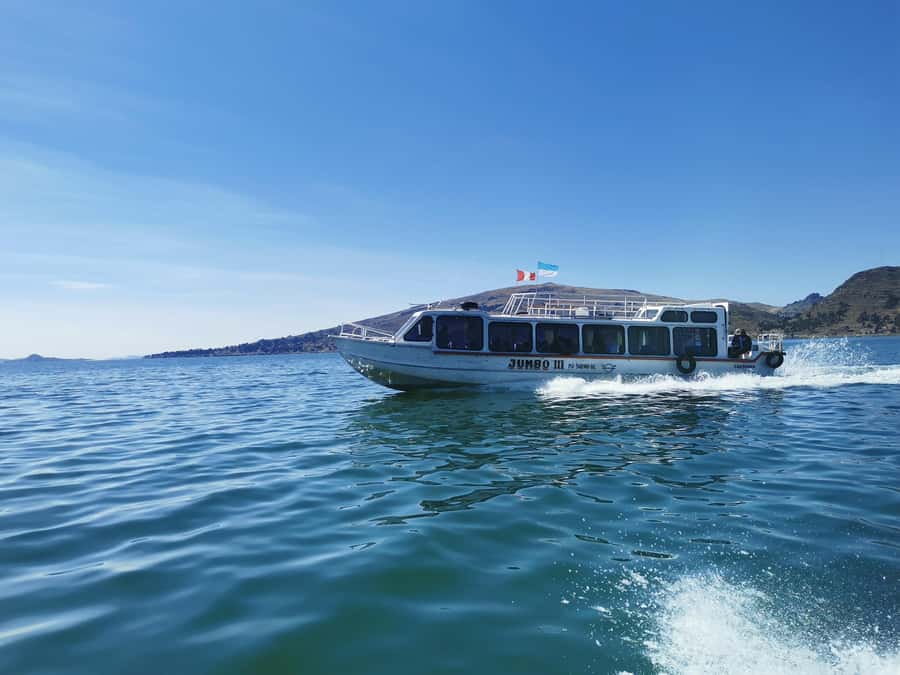
The road then climbs to Abra La Raya, the border between the Puno and Cusco regions. At more than 4,335 meters above sea level, this is the highest point on the route and a natural place to pause.
The pass is associated with snow-capped Chimboya, identified as the source of the Amazon River. You get free time for photographs and a short walk. This is the place to take in the broad mountain views, but it is also the place to remember that high altitude can affect your pace.
Keep your stop easy. Walk slowly, avoid rushing up slopes and carry cash if you want to buy anything during the break. The provided information does not specify vendors or facilities, so I would not rely on this stop for a full meal or a long rest.
La Raya is valuable because it gives the transfer a sense of geography. You are not simply going from one city to another. You are crossing a high Andean boundary between two regions, with the road rising into open mountain country before descending toward Cusco.
Bring a jacket even if Puno felt mild in the morning. The pass is high, and the stop may feel cold or windy. Comfortable clothes and shoes are not just packing suggestions here. They make the short walk and photo stop much easier.
Somewhere else entirely, still within reach of Cusco:
- From Cusco: Full-Day Group Tour of Machu Picchu
★ 4.7 · 1,767 reviews - Machu Picchu Day Trip from Cusco
★ 4.5 · 1,644 reviews - Cusco: Half-Day City Tour with Sacsayhuaman and Q’enco
★ 4.6 · 1,129 reviews - Cusco: Sacred Valley, Pisac, Ollantaytambo, Salt Mines Moray
★ 4.6 · 1,058 reviews
The buffet lunch and a welcome break
About halfway through the day, you stop at a local restaurant for the included buffet lunch. The spread includes national and regional dishes, starters, fresh vegetables, desserts and hot drinks.
A buffet works well on this particular tour because you do not have to spend valuable time choosing from a menu. You can eat at your own pace, sample several kinds of Peruvian food and get back on the bus without turning lunch into a long production.
Cold drinks are not included, so bring cash for those. There is also a small land port use tax of S/1.90 per person, about $0.58, which is separate from the tour price. These are minor costs, but knowing about them prevents the usual pocket search at the terminal or restaurant.
Lunch is also your best chance to reset before the afternoon stops. The day includes walking at archaeological and historic sites, so do not treat the meal as a quick snack. Eat, use the break to stretch and refill your water if needed.
Raqchi and the Temple of Wiracocha
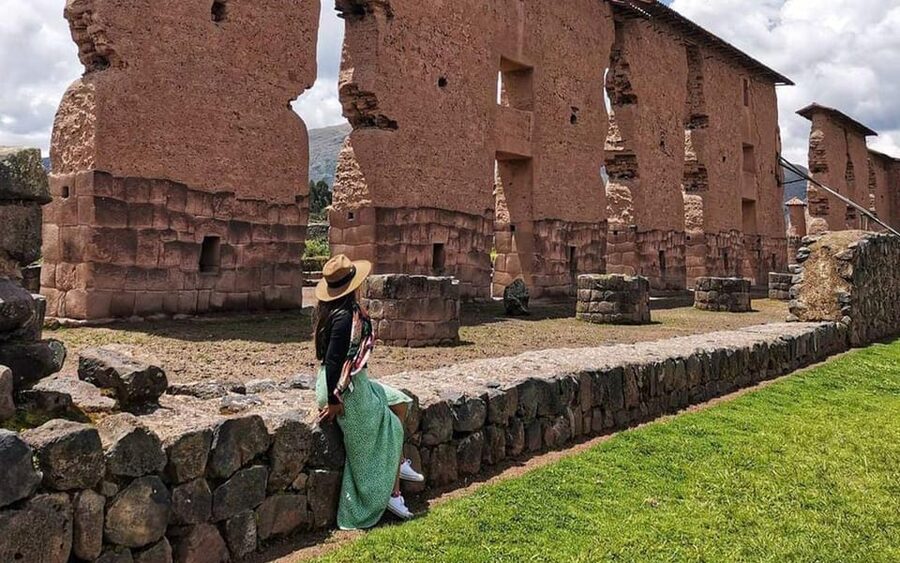
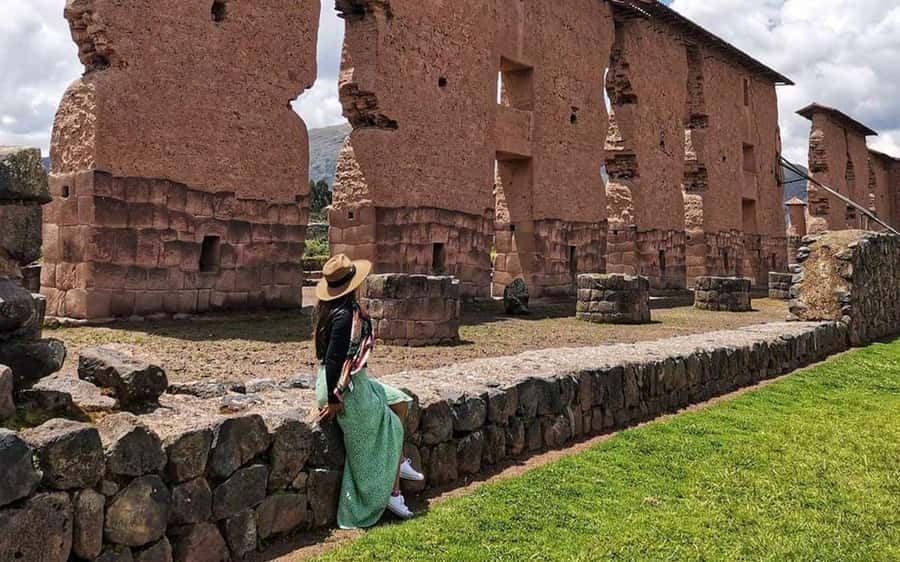
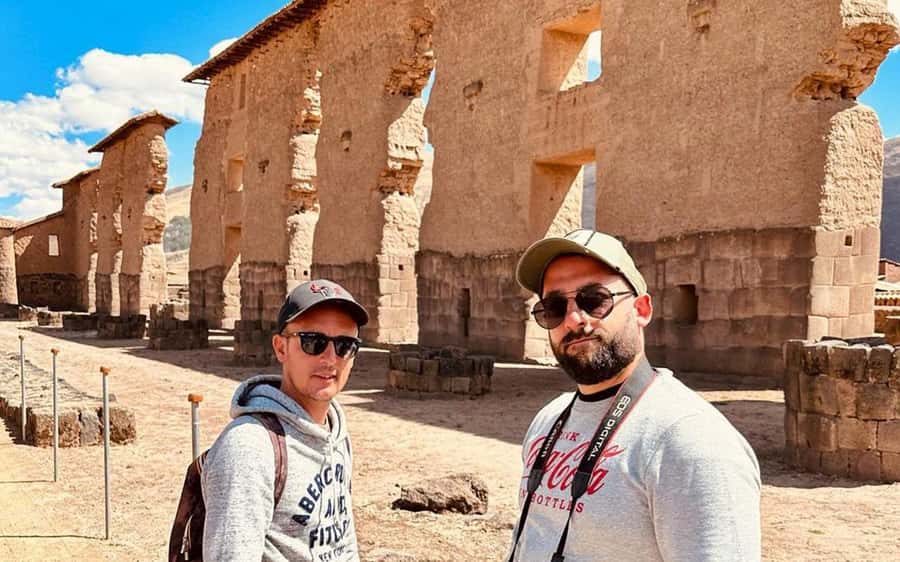
One of the most important stops is the Archaeological Park of Raqchi, also known as the Temple of Wiracocha. Wiracocha was a supreme Inca deity, and the site gives you a sense of the scale and planning behind Inca religious and practical buildings.
Raqchi is especially known for its large number of colcas, or storehouses. You also see major structures made with stone and adobe. The combination helps explain that this was not simply a ceremonial site. Storage and organization were central to the way the Inca state worked.
I would pay close attention to the guide here. The buildings are easier to understand when someone explains their purpose, materials and connection to the wider Inca system. The guide can also help you see details that disappear when you are concentrating only on taking photographs.
Time is the main limitation. One French booking rated the trip lower because the five stops felt compressed, especially when the guide gave lengthy explanations. That is a fair concern. Raqchi deserves more time than a quick photo break, but the day has to fit four cultural stops, lunch and the long road to Cusco.
My advice is to decide in advance what matters most to you. If Raqchi is your priority, stay near the guide during the explanation, then use your free minutes for the main structures rather than trying to see every corner.
Andahuaylillas and the Sistine Chapel of the Andes
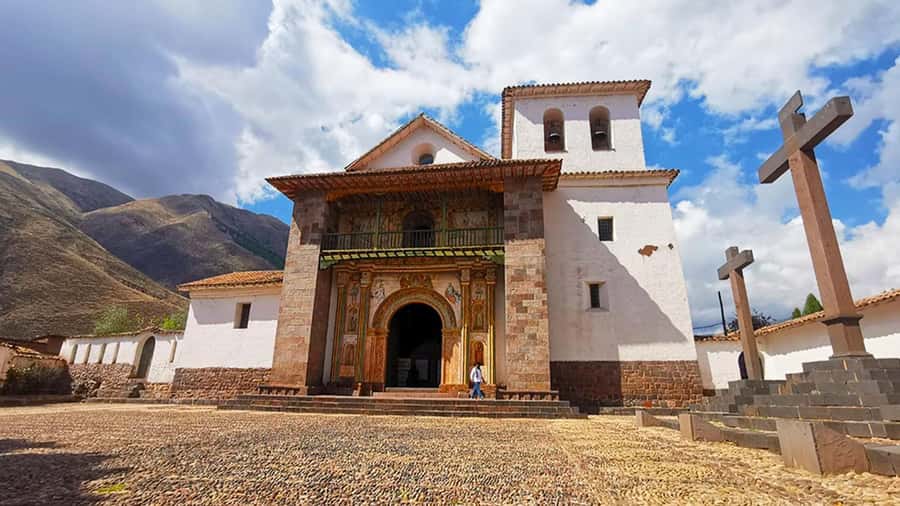
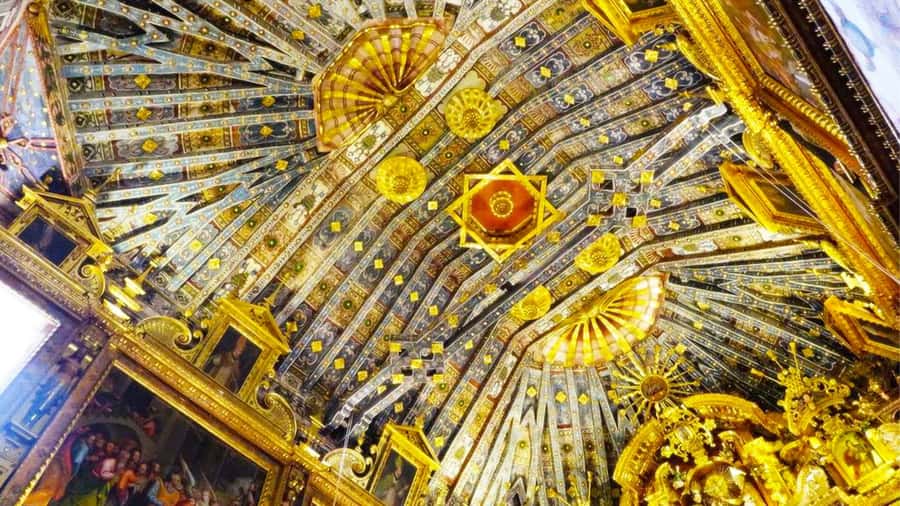
The other final cultural stop is Andahuaylillas, home to the church often called the Sistine Chapel of the Andes. The comparison points to the interior, where murals, gold leaf work and paintings from the Cusco School cover the church.
This is a very different experience from Raqchi. At Raqchi, you stand among large archaeological remains and try to understand an Inca religious and administrative site. At Andahuaylillas, the focus shifts indoors to colonial-era art and the meeting of European Christian traditions with Andean visual culture.
You should take time to look upward and around the walls. The appeal is in the density of the decoration, not in one single object. Gold leaf catches the eye, while the murals and paintings show how the church used images to teach and shape religious life.
The stop is guided and includes a photo opportunity, although rules for photography can vary inside churches. Follow the guide and local instructions rather than assuming your camera can be used everywhere.
The stated schedule places Andahuaylillas and Raqchi among the final stops before Cusco. The exact order may be handled by the operator on the day, but both are part of the planned route. Either way, this closing section gives you two sharply different views of the region’s past.
Reaching Cusco and transferring to your hotel
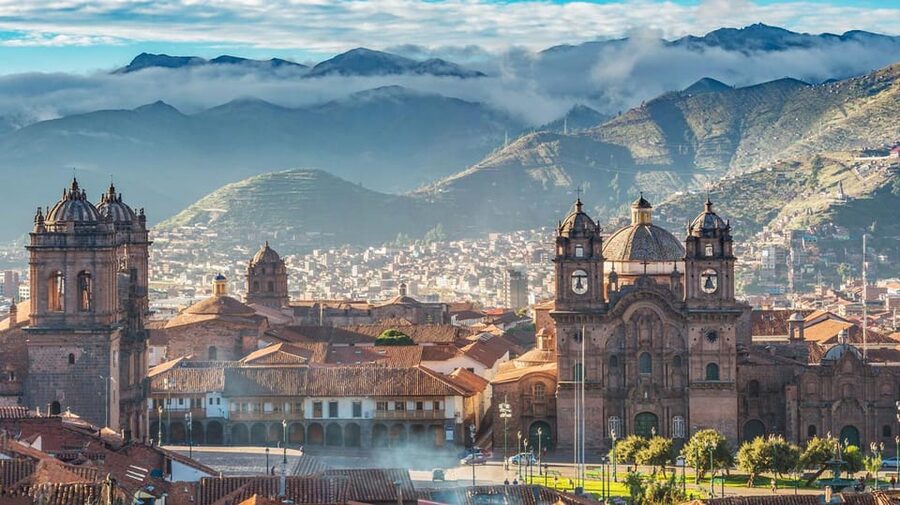
The bus finishes at a private bus station in Cusco. From there, a transfer takes you to your respective hotel, which is included in the price.
That final transfer is useful. After ten hours on the road, you do not want to negotiate a taxi while carrying luggage and trying to orient yourself in a new city. You should still provide accurate hotel information when booking, since the service is built around dropping you at your accommodation.
Arrival time can vary with road conditions, stop lengths and traffic. The advertised duration is ten hours, so keep your evening plans flexible. I would not book a fixed-time dinner, show or airport connection immediately after arrival.
The trip works best when you treat it as a full sightseeing day that ends with hotel drop-off, not as a fast transport service. You gain several meaningful visits, but you give up the freedom to arrive whenever you like.
How the $114 price compares in practical value
The price includes:
- Hotel pickup in Puno
- Tourist transport from Puno to Cusco
- An English or Spanish-speaking professional guide
- Entrance fees to the listed sites
- Buffet lunch
- Transfer from the Cusco bus terminal to your hotel
You pay separately for cold drinks and the S/1.90 terminal use tax. At $114, the package is easiest to justify if you value explanation and convenience. Buying a standard bus ticket would likely leave you arranging separate visits to Pucará, La Raya, Raqchi and Andahuaylillas, which can be difficult along a direct intercity route.
The price is less attractive if you have already visited these sites, dislike scheduled group days or want to spend a long time at one archaeological complex. The route gives you breadth, not depth.
I also think the comfortable coach adds real value. On a ten-hour day, a cramped seat would change the whole mood. The bus receives repeated praise for comfort, spaciousness and punctual organization, while the strongest guide feedback points to Max as a particularly effective host. Guides can change, so you should not book solely on the expectation that Max will lead your departure, but the service does provide a live guide in English or Spanish.
Who should book this Route of the Sun trip?
I would choose this trip if you are moving from Puno to Cusco and want your transfer day to carry real cultural value. It suits first-time visitors who want an introduction to pre-Inca, Inca and colonial Peru without arranging several separate excursions.
It is also a good fit if you prefer a comfortable coach to a more complicated independent journey. The included lunch, tickets and Cusco hotel transfer remove several small decisions from a long day.
You may want another option if you need a relaxed pace, have mobility concerns that make repeated walks difficult, or care more about extended time at one site than seeing several. The schedule is efficient, and that efficiency means short visits.
Pack layers, good walking shoes, a camera, water and cash. Keep your expectations focused on a well-organized cultural transfer, not a private tour with unlimited time. That is the fair way to judge what you are buying.
FAQ
Where does the trip begin?
Pickup is from your hotel in Puno. The stated pickup location is Av. Simon Bolivar 1671.
What time does pickup take place?
Pickup begins at about 6:00 AM. You should wait in the hotel lobby five minutes before the scheduled time.
Where does the trip finish?
The bus arrives in Cusco at a private bus station, followed by a transfer to your hotel.
How long does the experience last?
The trip lasts about 10 hours.
Which languages does the guide speak?
The live guide provides commentary in English and Spanish.
Which places do you visit?
The route includes the Lithic Museum of Pucará, Abra La Raya, Raqchi Archaeological Park and the church at Andahuaylillas.
Is lunch included?
Yes. A buffet lunch with national and regional dishes, starters, fresh vegetables, desserts and hot drinks is included.
Are entrance fees included?
Yes. Entrance to all listed tourist sites is included.
Are drinks included?
Cold drinks are not included. Hot drinks are part of the buffet lunch.
Is hotel transfer in Cusco included?
Yes. Transfer from the Cusco bus terminal to your hotel is included.
Can I cancel the booking?
You can cancel up to 24 hours in advance for a full refund. The reserve-now, pay-later option lets you book without paying immediately.
Should you book it?
Book this Route of the Sun trip if you need to travel from Puno to Cusco and want four useful cultural stops along the way. The comfortable bus, capable guides and included lunch and tickets make the $114 fare reasonable for a carefully planned transfer day.
Skip it if you want to linger at Raqchi, explore museums slowly or avoid a ten-hour schedule. For most first-time visitors with limited time, though, this is a smart way to connect the two cities while seeing much more than the road.
Recently added around Cusco
- Palcoyo colored mountain hike + stone forests★ 4.6 · 3 reviews
- Maras Moray★ 5.0 · 3 reviews
- Full-Day Condor Viewpoint & Inca Sites Tour★ 5.0 · 3 reviews
- From Cusco: Vinicunca Mountain of Colors Excursion + Ticket★ 5.0 · 3 reviews
- Excursion Cusco – Puno – Titicaca Observatory Train★ 5.0 · 3 reviews
- Machu Picchu: Private Tour Guide Service for up to 15 people★ 4.5 · 3 reviews
- Cusco: Chonta Canyon and Condor Flight Tour with Lunch★ 5.0 · 3 reviews
- Machu Picchu: 1-day tour by Vistadome Observatory train★ 5.0 · 3 reviews
Cusco Tours, compared.
Humantay Lake Tour with Breakfast and Buffet Lunch
Read our review →
Sacred Valley & Maras Salt Mines Tour with Lunch
Read our review →
Moray, Maras Salt Mines & Chinchero Weavers Tour
Read our review →


Half-Day City Tour with Sacsayhuaman and Q’enco
Read our review →
Sacred Valley, Pisac, Ollantaytambo, Salt Mines Moray
Read our review →