
Reviewed · LIMA TOURS
Full Day Pilgrims
Lima’s ancient story is not confined to a museum. This full-day outing takes you from city-center streets to three major archaeological sites, including the enormous Pachacamac complex south of Lima. I like the three-site format, since it gives you a wider view of Peru’s early cultures than a single huaca visit. I also like the guides’ lively style, especially Juan and Nacho, who explain the past with humor and plenty of answers.
The main thing to consider is the long day. You spend about eight hours on the road and at archaeological sites, and the schedule provided names Pachacamac specifically but does not give exact timing or the order of all three stops. Confirm the pickup details and final route before you go.
Key Points to Know Before You Book
- Three archaeological sites in one day: Visit Huallamarca, Pucllana, and Pachacamac rather than seeing just one Lima ruin.
- Pachacamac is the major outing: The large ceremonial site adds a longer trip beyond central Lima.
- Guides make the difference: Juan, Nacho, and Ignacio are praised for clear English, strong storytelling, and friendly service.
- Lunch and snacks are included: You do not need to plan a separate midday meal.
- Transport runs from the city center: End-to-end transportation keeps you from arranging several taxis.
- Free cancellation is available: Cancel at least 24 hours before the start time for a full refund.
Why Lima’s Huacas Deserve a Full Day
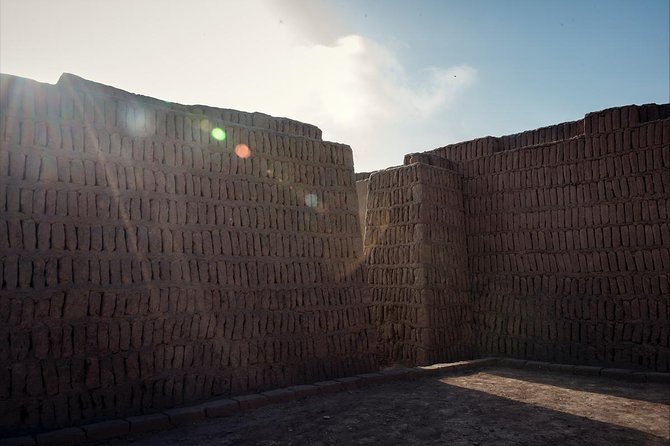
Most first-time visits to Lima focus on colonial squares, museums, and food. This excursion shows you another side of the city: the huge earthen ceremonial mounds and settlements that existed long before Lima became a Spanish colonial capital.
The word huaca refers broadly to a sacred place or revered object. In Lima, huacas often appear as broad, weathered adobe structures surrounded by modern buildings. That contrast is part of the experience. You can be looking at a site shaped by ancient hands while traffic, apartment blocks, and city life carry on nearby.
I like this tour because it connects several sites rather than treating each one as an isolated monument. Huallamarca and Pucllana help you understand archaeology within modern Lima. Pachacamac then gives you a much larger setting, with more space to consider how religion, trade, ceremony, and settlement worked across the coastal region.
The tour description refers to ancient Incan history, but the stops also cover cultures from before the Inca period. That distinction matters. You are not seeing only Inca remains. You are learning about several layers of Peruvian history, including pre-Inca societies whose buildings and religious centers shaped the region long before the Inca Empire arrived.
more Lima days to weigh up
- Full Day Paracas Ica and Huacachina from Lima All Included
★ 4.5 · 623 reviews - From Lima: Full Day to Paracas and Huacachina Desert Oasis
★ 4.6 · 301 reviews - Caral The First Civilization in America – Full Day From Lima
★ 5.0 · 59 reviews
Huallamarca: A Compact Site in the Modern City
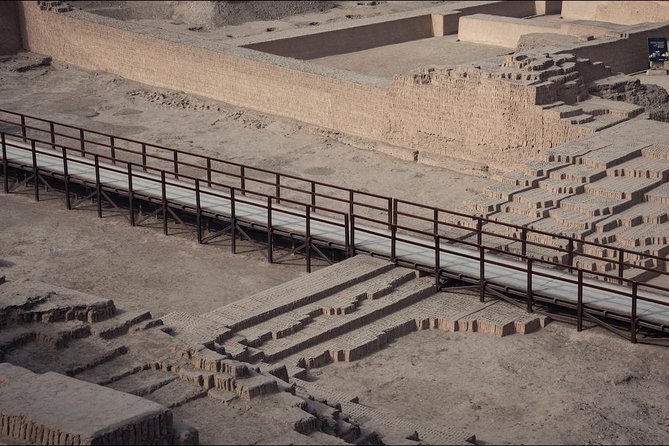
Huallamarca is one of the most useful stops for understanding Lima’s archaeological oddities. It is an ancient stepped mound surrounded by the contemporary city, so you get an immediate sense of how much history sits beneath and beside modern Lima.
The site is smaller than Pachacamac, which makes it easier to take in during a guided visit. Your guide can point out the structure’s form and explain how a place like this functioned as more than a simple pile of adobe. The value here is context. Without commentary, a low mud-brick pyramid can be difficult to read. With a guide, its shape becomes a clue to ceremony, status, and community life.
This is where a strong guide earns the price of admission. Juan, Nacho, and Ignacio are repeatedly praised for making complex history easy to follow. Nacho is also noted for speaking clear English and keeping the explanation light enough that the day does not become a lecture.
You should expect walking at each archaeological stop. The exact terrain and visit length are not provided, so wear comfortable shoes and bring sun protection. Lima can look gray and cool, but archaeological sites offer limited shade, and the day includes time outside.
Pucllana: Ancient Architecture Beneath Lima’s Skyline
Pucllana offers another sharp contrast between old and new. The site is known for its monumental adobe construction and its position within the built-up city. From here, the scale of present-day Lima becomes part of the view rather than a distraction.
I find Pucllana especially helpful after Huallamarca because the two stops encourage comparison. You can look at how different structures were built, how sacred places occupied urban space, and how much effort went into shaping adobe in a dry coastal climate. Your guide supplies the links between the sites, which is far more useful than hearing three disconnected sets of dates.
The guides’ style appears to be one of the tour’s strongest features. Ignacio is described as friendly, detailed, and easy to communicate with in English. That is important when a site has few obvious visual clues. The ground plan, walls, and platforms may not explain themselves, so good narration turns archaeology into a human story.
Do not expect every part of the site to feel grand or untouched. Pucllana is inside Lima, and its setting reminds you that preservation takes place in a living city. For some people, that urban backdrop is the appeal. If you want a remote ruin with no surrounding development, this outing will not provide that.
Pachacamac: The Day’s Big Historical Anchor
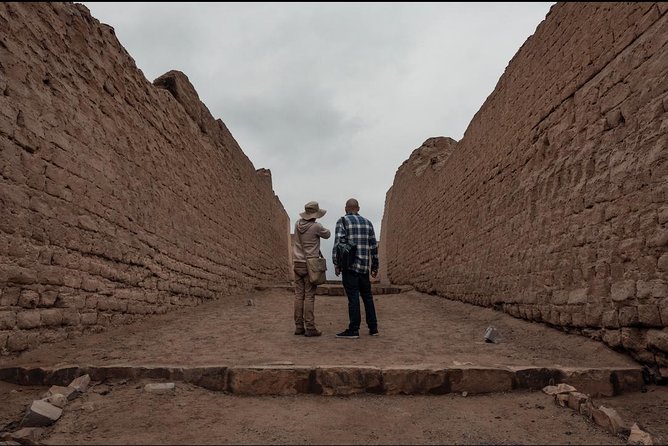
Pachacamac is the centerpiece of the excursion. Located beyond the central Lima area, it is a much larger archaeological complex and gives the day a sense of scale that the city huacas cannot provide.
The site was an important religious center used by different cultures over a long period. The supplied tour information emphasizes pre-Inca civilizations as well as Incan connections, so listen for how your guide explains the changing role of the complex. The key point is that Pachacamac was not simply one settlement built at one moment. It represents layers of belief and power across time.
This is where storytelling matters most. A large archaeological area can become tiring if you receive only a list of rulers, dates, and building names. Juan is praised for making ancient cultures feel real, while Nacho is described as funny, engaging, and ready to answer questions. That style helps you picture the people who worshipped, worked, traded, and traveled through the complex.
Pachacamac also makes the transportation useful. Instead of arranging separate rides from Lima and working out your return, you travel as part of the organized outing. The tour includes transportation from the city center and return travel, according to the description, so you can focus on the visit rather than watching the clock for your next taxi.
The drawback is time. Pachacamac is not a quick stop added between two central attractions. The drive contributes to the full-day length, and the site itself can require more walking than a compact urban huaca. If you have only a few hours in Lima, choose a shorter attraction. If you want archaeological context, Pachacamac is the reason this tour earns a full day.
Somewhere else entirely, still within reach of Lima:
- Lima: Ultimate Peruvian Food Tour
★ 4.9 · 700 reviews - Lima’s Vibrant Heritage: Exploring the City’s Landmarks Half-day
★ 4.5 · 581 reviews - From Lima: Day trip to Paracas, Ica and Oasis Huacachina
★ 4.6 · 409 reviews - Private transfers from Lima Airport or to Lima Airport
★ 4.0 · 359 reviews
A Guide-Led History Lesson That Stays Lively
The strongest thread running through this experience is the quality of the guides. Juan receives praise for vivid explanations and a way of making ancient cultures feel present. Nacho is described as an enthusiastic history lover who speaks English well, explains ruins in detail, and keeps the mood cheerful. Ignacio is also noted for his careful explanations, friendliness, and ability to communicate in both English and Spanish.
Guide quality can vary from one departure to another, so the named guides should not be treated as a guarantee for every date. Still, the repeated pattern is useful: this company’s approach is built around personal explanation rather than simply dropping you at a site.
You should ask questions. The guides are described as willing to answer them, and these sites reward curiosity. Ask how the buildings were used, why the sites mattered, and how the different cultures connect. A question-led visit will be more memorable than trying to memorize every name.
The multilingual service is another practical plus. English and Spanish are specifically mentioned, and some of the feedback also comes from French-, Italian-, and Russian-speaking customers. The available information does not promise every language on every departure, so confirm your preferred language when booking.
Lunch, Snacks, and the Value of the $200 Price
The listed price is $200 per person. That is not a budget outing, especially for a day centered on archaeological sites that can also be visited through other arrangements. The value depends on what you want to avoid organizing yourself.
The price includes transportation, a guide, lunch, and snacks. That combination matters in Lima, where visiting three separate sites could mean arranging several rides, finding food between stops, and managing entrance logistics on your own. It also gives you a single point of contact for the entire day.
The traditional Peruvian lunch is a welcome part of the plan. The available details do not name the dish or restaurant, so do not book this expecting a particular specialty. You can reasonably see it as a convenient cultural meal included in the day rather than a separate food tour.
I would call the price fair for someone who values a private, organized day of transport and interpretation, though less compelling for an independent visitor comfortable using public transportation and researching the sites in advance. Group discounts may improve the calculation for families or friends. Ask how the discount applies before paying.
The tour has a mobile ticket, and confirmation is provided at booking. It is also near public transportation, though the advertised plan includes transportation from the city center. Most people can participate, but the amount of walking and the outdoor setting are worth considering if mobility is a concern.
Timing, Comfort, and What to Bring
The advertised duration is about eight hours. One piece of feedback describes the day as closer to six hours, so timing may change with traffic, the group, or the exact route. Treat eight hours as the safer planning figure and avoid booking a tight evening commitment afterward.
Comfortable transportation is one of the tour’s practical strengths. Lima traffic can make a multi-site day awkward, and a planned vehicle reduces the need to negotiate rides between Huallamarca, Pucllana, and Pachacamac. The details do not identify the vehicle type or group size, so ask if those points matter to you.
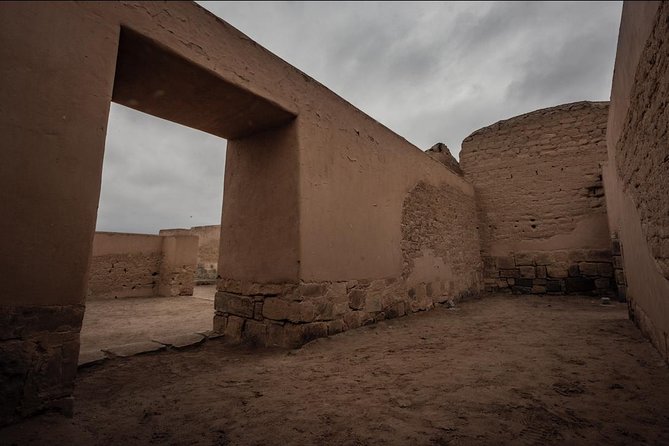
Pack water, sunscreen, a hat, and comfortable walking shoes. Lunch and snacks are supplied, but you may still want personal water for a warm stretch outdoors. A phone or camera is useful, since the sites offer strong contrasts between adobe architecture, open archaeological ground, and Lima’s modern buildings.
The tour requires good weather. If poor weather cancels the outing, you are offered another date or a full refund. It also requires a minimum number of participants, so a cancellation for that reason brings the same choices. For a full refund after changing your own plans, cancel at least 24 hours before the local start time. Changes or cancellations inside that window are not accepted for a refund.
Who Will Get the Most From This Tour
I would recommend this outing to you if you want a broad introduction to Lima’s archaeological sites without spending your day planning transport. It suits history-minded visitors, families who benefit from a clear schedule, and anyone who prefers a guide to explain what they are seeing.
It is also a good choice if this is your first visit to Peru. Several people found the day useful as an introduction to Peruvian culture and history, and the guide’s wider advice about places such as Cusco, Arequipa, and the Amazon may help you shape the rest of your trip.
The tour is less suited to you if you dislike structured group outings, want to move at your own pace, or have already studied these sites in detail. Eight hours is a serious commitment, and the archaeological focus leaves less time for Lima’s food markets, colonial center, or art museums.
Should You Book the Full Day Pilgrims Tour?
Book it if you want three archaeological sites, a traditional lunch, and door-to-door transport in one organized day. The best reason to choose it is not simply the number of stops. It is the combination of Pachacamac’s scale with the two city huacas, explained by guides such as Juan, Nacho, or Ignacio.
Before booking, confirm the exact pickup point, route, guide language, group size, and schedule for Huallamarca and Pucllana, since only Pachacamac is itemized in the supplied itinerary. If those details suit your plans, the $200 price can be worthwhile for the time saved and the historical explanation you receive.
FAQ
How long does the tour last?
The advertised duration is approximately eight hours. One description gives a six-hour estimate, so you should allow a full day and confirm the exact schedule before departure.
Which archaeological sites are included?
The tour overview includes Huallamarca, Pucllana, and Pachacamac in Lima. The supplied itinerary specifically lists Pachacamac as Stop 1, so confirm the final order with the provider.
Is transportation included?
Yes. Transportation from the city center and travel between the sites are included in the experience.
Is lunch included?
Yes. A traditional Peruvian lunch and snacks are included in the tour price.
Which guides may lead the tour?
The supplied information names Juan, Nacho, and Ignacio in connection with the experience. Guide assignment can vary, so you should confirm who will lead your departure.
Is the tour available in English?
English and Spanish are specifically mentioned in the information provided. Confirm the language for your chosen date when booking.
What does the tour cost?
The listed price is $200 per person. Group discounts are available, so ask about the current rate for your party.
Can I cancel for a full refund?
Yes, if you cancel at least 24 hours before the experience start time. Cancellations made less than 24 hours before the start are not refunded. Poor weather or failure to meet the minimum number of participants may result in another date or a full refund.
Recently added around Lima
- Enjoy Lima Walking Historic Center, Plaza San Martin and Plaza de Armas★ 5.0 · 3 reviews
- From Lima: City tour Prehispanic + Colonial & Modern Lima★ 5.0 · 3 reviews
- Lima: City Sightseeing Panoramic Bus Tour★ 3.3 · 3 reviews
- City Tour Colonial and Modern Lima for 5 Hours★ 3.2 · 3 reviews
- Lima: Lunuhuaná Extreme All In + Cerro Azul + Rafting + ATV + Canopy★ 4.4 · 3 reviews
- Lima: Shanty Town Exploration★ 5.0 · 3 reviews
- Lima: Tour to Huaca Pucllana and Huaca Mateo Salado★ 5.0 · 3 reviews
- Lima: Historic Center Walking Tour with Pisco Sour Tasting★ 5.0 · 3 reviews
Lima Tours, compared.


Full Day Paracas Ica and Huacachina from Lima All Included
Read our review →
Lima’s Vibrant Heritage: Exploring the City’s Landmarks Half-day
Read our review →

Paracas and the Huacachina Oasis Guided Day Tour
Read our review →
The Charm of Barranco & Pre Inca Pyramid in Miraflores
Read our review →
Full Day to Paracas and Huacachina Desert Oasis
Read our review →
Pachacamac Ruins & Barranco Half-Day Guided Tour
Read our review →Browse the lists this tour appears in