
Reviewed · LIMA TOURS
Peruvian Experience: Interactive, Cultural & Gastronomic Guided Tour
Peruvian Experience packs Peru’s past, drinks, cooking, and food into one lively two-hour visit. You begin with an animatronic Inka Pachacutec and a ride through Peruvian history, then move into a 1920s-style bar, a teaching kitchen, and a staged market with dance and a 12-course tasting.
I like the hands-on cooking and the way the experience connects food to Peru’s cultural influences. I also like the compact format, which gives you a useful introduction to several parts of the country without requiring a full day.
The main consideration is price: at $92.43 per person, this is not a casual museum stop. It makes the most sense if you value the food, drinks, theatrical effects, and guided participation as much as the cultural information.
Key things to know before you go
- The dark ride turns Peruvian history into a short theatrical show, with a cart, film, and special effects.
- You prepare your own Pisco Sour, while minors make a seasonal fruit shake instead.
- The cooking lesson is hands-on, with ceviche or causa as the featured dish.
- The final tasting includes 12 representative Peruvian dishes, served with music and typical dances.
- The small group size is capped at 15, which matters during the bar and cooking activities.
- You meet in Miraflores, and hotel pickup and drop-off are not included.
A fast, theatrical introduction to Peru
This experience is designed less like a quiet museum and more like a compact stage production. You move through themed rooms, watch short presentations, ride in a cart, handle ingredients, and finish with a shared food tasting.
That format works well for a first day in Lima. You get names, flavors, symbols, and broad historical connections before setting out to explore Peru on your own. It is also a good choice if your group includes people with different interests. One person can focus on food, another on history, and another on the visual effects.
The cultural presentation covers Peru’s past and the outside influences that helped shape its cuisine. The experience does not replace a serious archaeological visit or a long guided city tour. Instead, it gives you a lively introduction in a controlled indoor setting.
more Lima days to weigh up
- Lima: Paracas and the Huacachina Oasis Guided Day Tour
★ 4.5 · 354 reviews - Lima: Pachacamac Ruins & Barranco Half-Day Guided Tour
★ 4.6 · 296 reviews - Guided Tours in Colonial and Modern Lima
★ 5.0 · 54 reviews
Meeting Inka Pachacutec and the giant quipu
The visit opens with a welcome from Inka Pachacutec in animatronic form. It is an unusual start, especially if you are expecting a standard guide at a desk. The character gives the experience a theatrical tone from the first minute.
You then see a large quipu, an Inca system of knotted cords used for recording information. It is presented as the largest quipu in the attraction and as an ancient calculator connected to the Inca Empire. This is a useful reminder that Andean societies had sophisticated ways to organize records, goods, and obligations long before modern accounting tools.
Next comes an area devoted to Andean super beans and grains. You receive a tasting of cookies made with these grains. This small stop is easy to overlook, but it helps connect Peru’s food culture with crops from the highlands, rather than treating Peruvian cooking as only ceviche and potatoes.
I like this opening because it offers physical objects and tastes instead of giving you a long speech. The limitation is that the explanations are necessarily brief. If you want detailed history of the Inca state, you will need a museum or archaeological site as well.
Riding through Peru’s past in a dark ride
The dark ride is the most unusual part of the visit. You board a cart and pass through a film presentation about Peru’s history, gastronomy, and cultural influences. Special effects add movement and drama to the story.
Think of it as an introductory attraction rather than a traditional documentary. The cart format keeps the pace moving and gives children something to watch, while the food connections make the history easier to remember. You might see references to the people, traditions, and outside influences that helped create modern Peruvian cuisine.
The ride also provides a photo opportunity involving Machu Picchu, the Mountain of Seven Colors, or another selected Peruvian backdrop. Photos in the chroma key setup cost extra, so decide ahead of time if you want to budget for them. The attraction itself includes the journey, but the souvenir-style images are not part of the ticket.
This section suits families and first-time visitors who prefer an entertaining overview. It may feel light for someone hoping for a scholarly treatment of Peruvian history. The value is in the combination of movement, visuals, and storytelling, not in the amount of detail delivered on any one historical period.
Learning how Pisco becomes Peru’s national drink
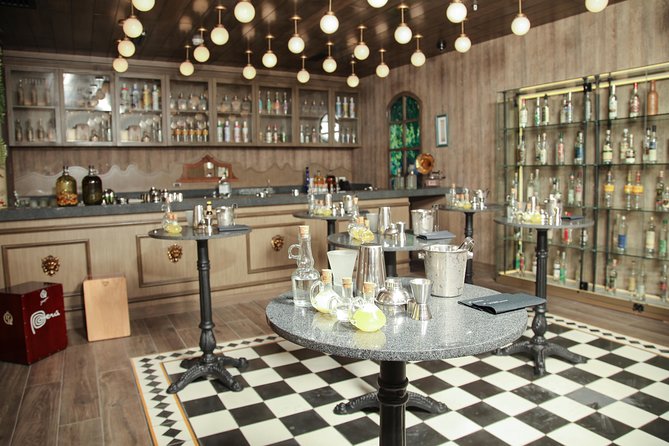
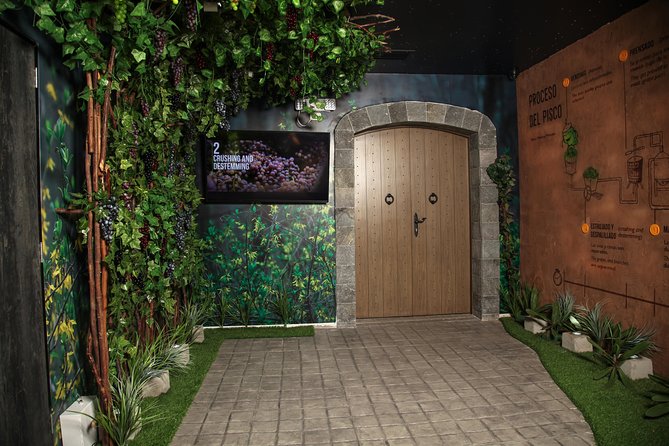
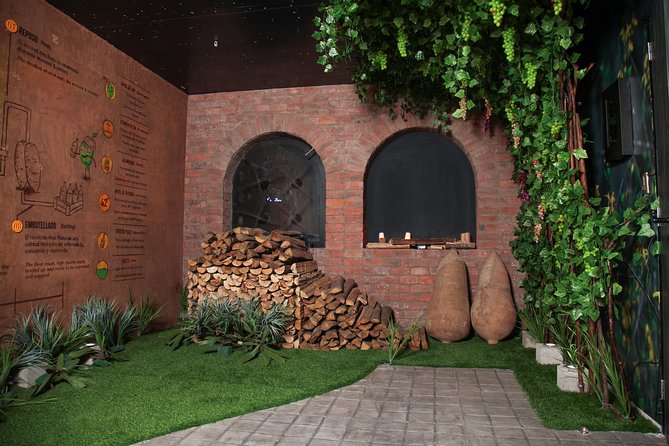
After the ride, you enter a vineyard-themed area and learn about the production of Pisco. The presentation explains how Peru’s national spirit is made before moving into a bar styled after the 1920s.
The period bar gives the drink lesson a clear setting. Rather than simply receiving a cocktail, you take part in a Pisco Sour class and prepare your own drink. That changes the experience from a tasting into a small skill you can use later.
The class is open to minors, but anyone under legal drinking age makes a seasonal fruit shake instead. That is an important detail for families. The activity remains participatory without putting children into the alcohol portion.
Pisco is central to the experience because it ties agriculture, production, national identity, and cocktail culture together. You are not only sampling a drink. You are learning why it matters in Peru and how it fits into the country’s food traditions.
The attraction uses staff members who have been singled out by name, including Cesar and Andres. Since guides can vary, you should not assume a particular person will lead your session, but the named staff indicate the personal, host-led nature of the presentation. The language information available for the experience says guides can present in English and Spanish, a useful point for international visitors and mixed-language groups.
Somewhere else entirely, still within reach of Lima:
- Lima: Ultimate Peruvian Food Tour
★ 4.9 · 700 reviews - Full Day Paracas Ica and Huacachina from Lima All Included
★ 4.5 · 623 reviews - Lima’s Vibrant Heritage: Exploring the City’s Landmarks Half-day
★ 4.5 · 581 reviews - From Lima: Day trip to Paracas, Ica and Oasis Huacachina
★ 4.6 · 409 reviews
Making ceviche or causa with your own hands
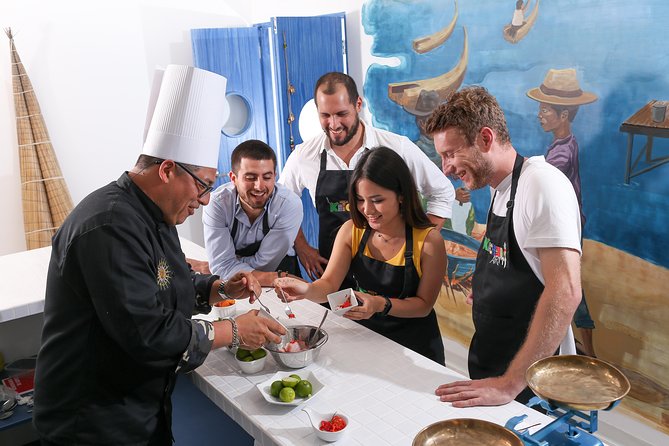
The cooking class is where the visit becomes most practical. You prepare either ceviche or causa, two dishes that show different sides of Peruvian cooking.
Ceviche highlights fresh ingredients, acidity, seasoning, and timing. It is a dish that looks simple but depends on balance. Causa offers a different lesson, with its distinctive potato base and layered presentation. The choice may depend on the class schedule or the format used that day, so you should be prepared for either dish.
I like this part because you participate rather than watch a chef perform. The lesson gives you a better sense of how Peruvian food is assembled, and the dish you prepare becomes part of the meal you eat. That personal connection can make the tasting more memorable.
Do not expect a full professional cooking course in a two-hour program. The lesson is meant to be fun, social, and approachable. You will get an introduction to a representative dish, not a long study of knife work, regional variations, or advanced technique.
The hands-on format is especially useful for solo visitors. A group capped at 15 gives the session a more manageable feel than a large demonstration, and the shared activities make it easier to talk with the people around you.
The final market, dances, and 12-course tasting
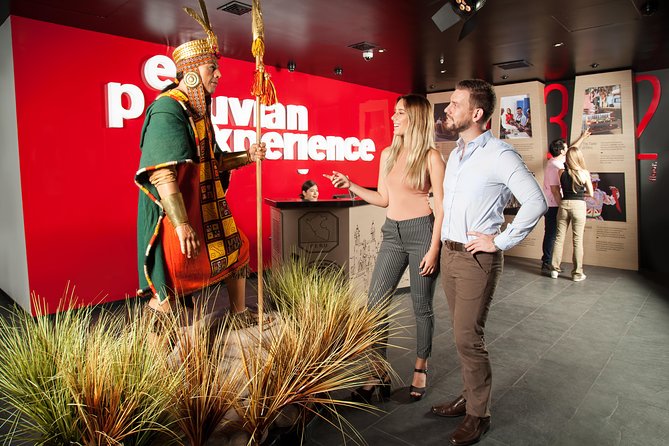
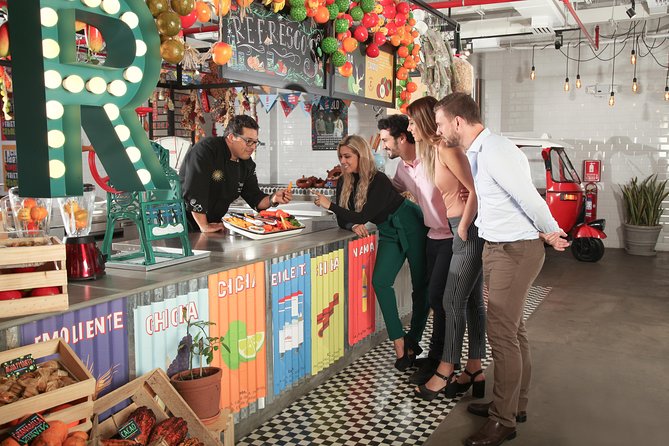
The last part is built as a recreation of a typical Peruvian market. It includes a staged presentation, typical dances, and a 12-course tasting of representative dishes from across the country’s cuisine.
This is the reward for the earlier sections. After seeing food references in the ride, learning about Pisco, and preparing one dish, you get a broad tasting of Peruvian flavors. The portions are designed as a progression rather than as 12 full restaurant meals, but the number still makes the final segment substantial.
The dances add energy and a sense of occasion. They also make the market scene feel more like a cultural show than a standard lunch. If you enjoy live performance with your meal, this may be your favorite part. If you prefer a quiet table and a slow meal, the staged format could feel busy.
The tasting is valuable because Peruvian cuisine is not one single style. Peru brings together Indigenous Andean ingredients, coastal seafood traditions, and influences from other cultures. A tasting menu lets you sample that range in one sitting, although it cannot provide the depth of a specialist restaurant.
Many of the strongest comments about the experience focus on the food quality, the kind staff, and the enthusiasm of the chefs and guides. Those elements matter here. A 12-course tasting could feel like a checklist if the presentation were flat, but the dance, narration, and preparation activities give it a sense of flow.
What the two-hour schedule really means
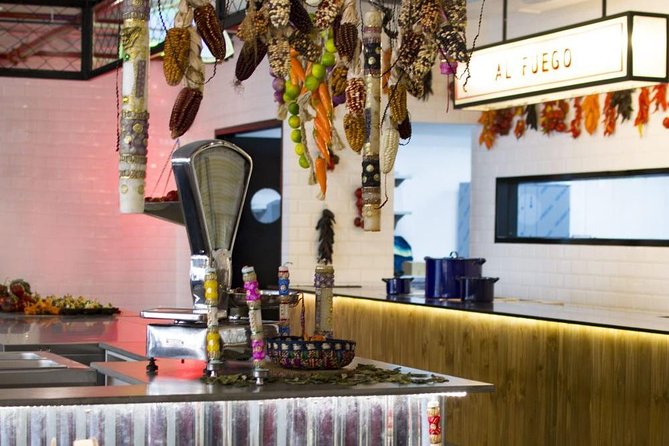
Two hours is short, but the program uses the time efficiently. You are not spending the entire visit in one room, and each section has a different pace: welcome presentation, object display, cookie tasting, dark ride, Pisco lesson, cooking activity, and final meal.
You should arrive 15 minutes before your scheduled start. The meeting point is at Ca. San Martín 509 in Miraflores, and the activity ends there. Hotel pickup and drop-off are not included, so you need to arrange your own way to and from the venue.
The listed operating schedule is Tuesday through Saturday, from 10:30 a.m. to 7:30 p.m. Because the information gives opening hours rather than a complete list of departure times, check the available start time when booking.
The maximum group size is 15 people. That is a practical advantage during the cocktail lesson and cooking class, where space and staff attention matter. Most people can participate, and the venue is near public transportation.
The experience is non-refundable and cannot be changed for any reason. I would only book after confirming your date and arrival plans. This is particularly important if your Lima schedule depends on a late flight, a long transfer, or a changing excursion plan.
Is $92.43 a fair price?
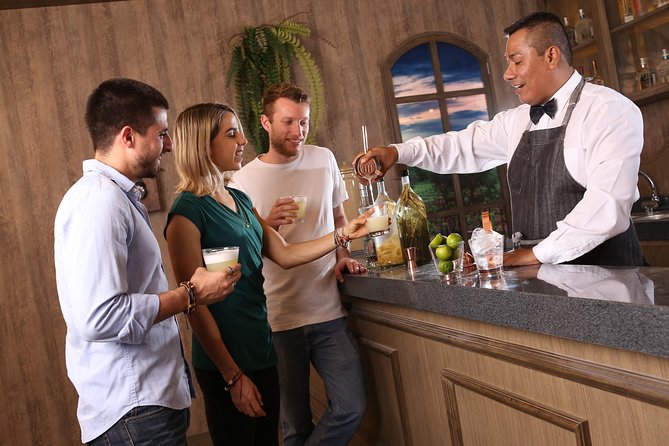
At $92.43 per person, the price is high for a two-hour cultural activity. You are not paying only for admission to a display. The ticket covers a guided dark ride, a grain and cookie tasting, a Pisco production presentation, a Pisco Sour or fruit shake class, a cooking lesson, a 12-course tasting, and live cultural entertainment.
The value depends on how much of that package you will use. If you mainly want a cheap introduction to Peruvian history, this is not the best fit. If you want a ready-made food experience with several activities in one place, the price becomes easier to justify.
The included meal is a major part of the calculation. A 12-course sample of Peruvian dishes, combined with a drink lesson and a cooking activity, gives you more than a standard museum ticket. Still, extra costs remain for chroma key photos, tips, and souvenir-shop purchases.
I would compare the price with what you would spend on a separate cooking class, cocktail lesson, and restaurant tasting. The attraction will not match a specialist chef’s full class or a carefully paced fine-dining menu, but it offers all three elements in one compact booking.
Who will enjoy this most
I would recommend this experience to first-time visitors to Lima who want a broad introduction without committing to a full-day tour. It is also well suited to families, since minors can join the class with a fruit shake, and to solo visitors who want a small group activity.
Food-focused visitors will get the most from the cooking lesson, Pisco class, and final tasting. The format also works well for people who want an indoor plan in Miraflores and prefer a guided activity to arranging several separate stops.
It may be less satisfying for a visitor who wants quiet historical interpretation, a long market visit, or a serious cooking course. The theatrical approach is central to the experience. You should enjoy visual effects, staged entertainment, and group participation.
The occasional concern raised about staff nationality is best understood in practical terms: the experience presents Peruvian culture through its full team, and a guide may have lived abroad while still working within the program’s Peruvian cultural presentation. If having a guide born in Peru is essential to you, ask before booking.
Should you book Peruvian Experience?
Book it if you want food, culture, and entertainment in one efficient package. The strongest reasons are the small group limit, the hands-on Pisco and cooking activities, and the generous final tasting with dance.
Skip it if your main goal is a low-cost museum visit or detailed archaeological study. At $92.43, the ticket asks you to value the whole production, not just one attraction.
For most first visits to Lima, I see this as a useful orientation activity, especially early in your stay. It gives you ingredients, dishes, cultural references, and a few ideas to pursue at restaurants and museums afterward. Confirm the date carefully, arrive 15 minutes early, and treat the two hours as a lively introduction rather than the last word on Peru.
FAQ
Where does the Peruvian Experience begin?
It begins at Ca. San Martín 509 in Miraflores, Lima.
Where does the activity end?
The activity ends back at the meeting point in Miraflores.
How long does the experience last?
The guided experience lasts approximately two hours.
What days and hours is it open?
The listed opening schedule is Tuesday through Saturday, from 10:30 a.m. to 7:30 p.m.
Is hotel transportation included?
No. Hotel pickup and drop-off are not included.
How early should I arrive?
You should arrive at Peruvian Experience 15 minutes before the start of the activity.
What is included in the ticket?
The ticket includes the dark ride with special effects, Andean grain area and cookie tasting, vineyard visit, Pisco production presentation, Pisco Sour class, cooking master class, and tasting of 12 representative Peruvian dishes.
Can minors take part in the Pisco Sour class?
Minors can participate in the class, but they make a seasonal fruit shake instead of a Pisco Sour.
Are photos included?
No. Chroma key photos with different Peruvian backgrounds are not included. Tips and souvenir-shop purchases are also extra.
Recently added around Lima
- Enjoy Lima Walking Historic Center, Plaza San Martin and Plaza de Armas★ 5.0 · 3 reviews
- From Lima: City tour Prehispanic + Colonial & Modern Lima★ 5.0 · 3 reviews
- Lima: City Sightseeing Panoramic Bus Tour★ 3.3 · 3 reviews
- City Tour Colonial and Modern Lima for 5 Hours★ 3.2 · 3 reviews
- Lima: Lunuhuaná Extreme All In + Cerro Azul + Rafting + ATV + Canopy★ 4.4 · 3 reviews
- Lima: Shanty Town Exploration★ 5.0 · 3 reviews
- Lima: Tour to Huaca Pucllana and Huaca Mateo Salado★ 5.0 · 3 reviews
- Lima: Historic Center Walking Tour with Pisco Sour Tasting★ 5.0 · 3 reviews
Lima Tours, compared.

Full Day Paracas Ica and Huacachina from Lima All Included
Read our review →
Lima’s Vibrant Heritage: Exploring the City’s Landmarks Half-day
Read our review →

Paracas and the Huacachina Oasis Guided Day Tour
Read our review →
The Charm of Barranco & Pre Inca Pyramid in Miraflores
Read our review →
Full Day to Paracas and Huacachina Desert Oasis
Read our review →
Pachacamac Ruins & Barranco Half-Day Guided Tour
Read our review →Browse the lists this tour appears in