
Reviewed · LIMA TOURS
Caral The First Civilization in America – Full Day From Lima
Caral is not a quick side trip from Lima. It is a 5,000-year-old city of pyramids, temples, and sunken plazas in the dry Supe Valley, reached after roughly three to four hours on the road. That long ride is the price of seeing one of the Americas’ earliest known civilizations without the crowds found at Peru’s better-known archaeological sites.
I like two things right away: the small maximum of 10 people keeps the day personal, and the guide travels with you rather than appearing only at the ruins. Guides such as Leonardo, Saul, Cesar, and Jimmy have been praised for explaining Caral alongside Peru’s wider history, food, music, and modern life.
The main drawback is simple: this is a very long day, about 12 hours in total. Traffic leaving Lima can stretch the journey, and the site is hot, dry, and exposed. Lunch is also not included, despite some general tour wording suggesting otherwise. Plan to pay about 35 Peruvian soles for a main dish.
Key points to know before booking
- Caral is one of the oldest known cities in the Americas, first inhabited between about 2600 BCE and 2000 BCE.
- The journey takes roughly three to four hours each way, depending on Lima traffic and road conditions.
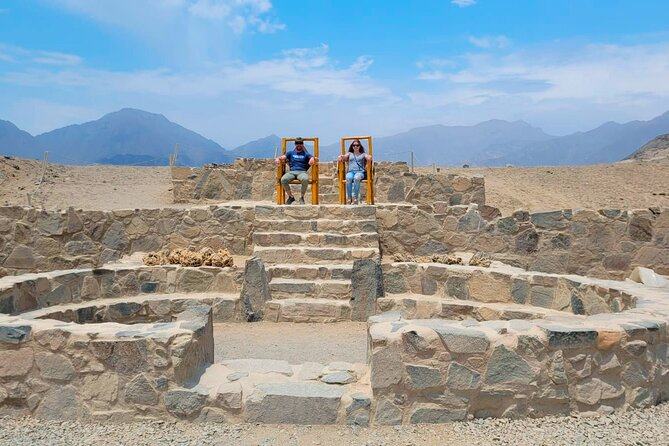
- The 60-hectare site includes large pyramids, temples, terraces, and sunken amphitheaters.
- Groups are limited to 10 people, with private transport and an air-conditioned vehicle.
- Entrance tickets, taxes, transport, and a professional guide are included.
- Lunch costs extra, and you should bring water, sunscreen, sunglasses, comfortable shoes, and insect repellent.
Why Caral deserves a full day from Lima
Caral changes your sense of Peru’s ancient past. Many visitors arrive thinking first of the Inca period, but Caral predates the Inca world by thousands of years. It was already an organized urban center when some of the great civilizations of the ancient world were developing elsewhere.
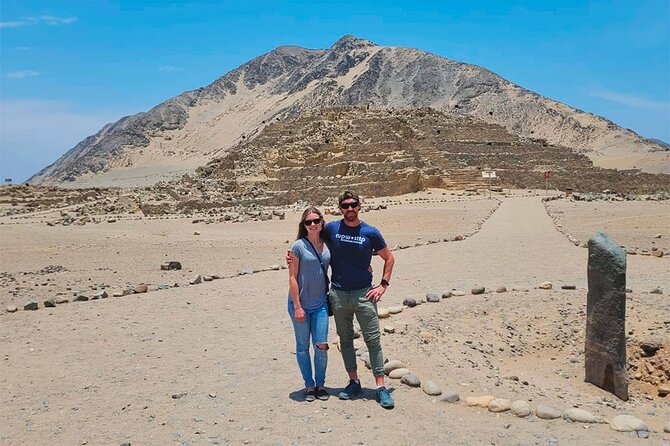
The site lies in an arid valley north of Lima. Desert hills and bare rock frame sections of the ruins, while cultivated land follows the river below. That contrast helps you understand why Caral could support a large settlement in such a dry part of Peru.
Caral is also an active archaeological site. Excavation and research continue, so you will not get a neat story with every question answered. That is part of the appeal. You can see ancient structures while the work of understanding them is still underway.
The ruins are UNESCO listed and cover about 60 hectares, or 148 acres, in the supplied tour description. Other parts of the broader site area may be described differently on signs or by guides, so do not worry if you hear more than one figure. The important point is that this is a sizeable open-air complex, not a single pyramid beside a road.
more Lima days to weigh up
- Full Day Paracas Ica and Huacachina from Lima All Included
★ 4.5 · 623 reviews - From Lima: Full Day to Paracas and Huacachina Desert Oasis
★ 4.6 · 301 reviews - Full day PRIVATE to Paracas, Ica and Huacachina from Lima All Inclusive and Lunch
★ 5.0 · 55 reviews
The early start from Miraflores
Pickup is arranged from the meeting point at Av. José Larco 724 in Miraflores, with departure planned around 7 a.m. The exact flow of the morning can vary, but you should be ready for an early start and a long ride.
The van is air-conditioned, and the small-group format makes a major difference. You are not being moved in a large coach with dozens of people. A group of up to 10 allows the guide to answer questions, adjust explanations, and keep track of everyone at the site.
The road journey is not dead time. You pass through different parts of Lima and the settlements beyond the city, with changing views of barrios, towns, cultivated plots, and dry country. Guides may also discuss other ancient settlements, Peru’s economy, food, music, and general history. That extra conversation can make the ride feel like part of the tour rather than a mere transfer.
Still, keep your expectations realistic. The drive may take about three hours in lighter conditions, while the stated itinerary allows closer to four hours. Semana Santa and heavy Lima traffic have caused longer journeys in the past. If you have a late-night flight or another fixed appointment, leave a generous buffer.
A short stop is made for breakfast, snacks, a bathroom break, or a chance to stretch. Breakfast is not listed as included, so bring cash or buy something during the stop.
Arriving at the Caral Archaeological Site
Arrival is expected at about 10:30 a.m., though road conditions can shift that time. Once you reach the archaeological zone, the character of the day changes quickly. The city opens across dry ground, with large stepped forms and ceremonial spaces spread along marked paths.
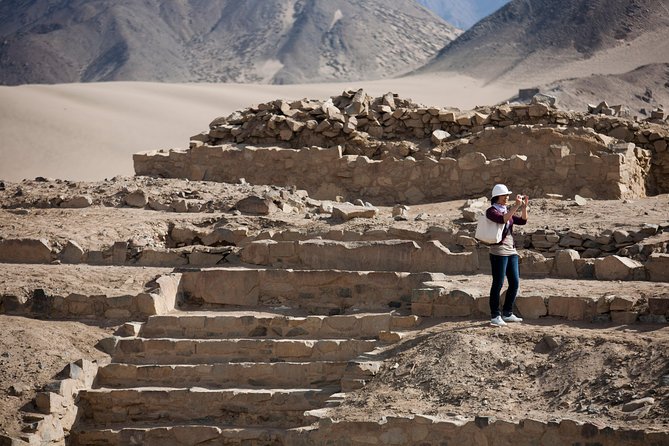
Your guide leads the walk and explains what archaeologists think each section was used for. You can expect to see pyramids, temples, terraces, sunken plazas, and an amphitheater-like space. Some of the structures are impressive in scale, but Caral is not presented as a perfectly restored city. Much remains in excavated earth, stone, and partial walls.
That unfinished quality matters. The site feels like a place still being studied rather than a stage set for sightseeing. You may see archaeological work in progress, and the guide can explain what has been found so far and what remains uncertain.
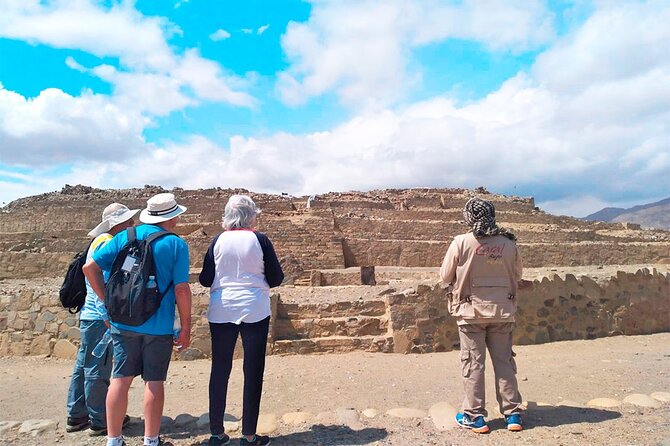
The tour normally spends about two hours at the archaeological site. That is enough time for a guided circuit and photographs, but it is not an unlimited visit. Stay close to the group and listen carefully, since the setting is broad and the sun can make an unhurried walk tiring.
Pyramids, plazas, and a civilization before the Inca
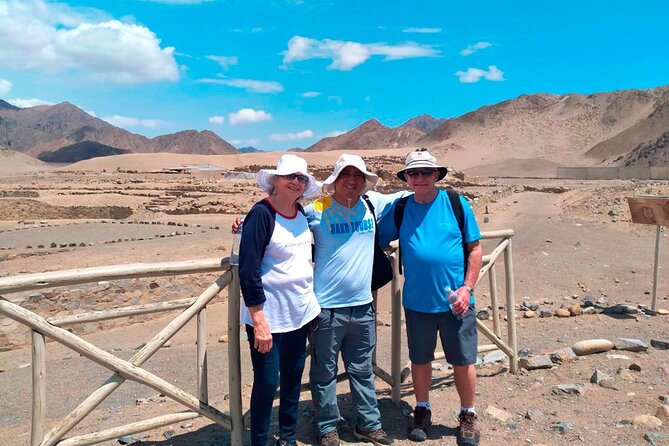
The most striking feature is the combination of monumental buildings and planned public spaces. Caral’s pyramids were not isolated mounds. They formed part of an organized city with ceremonial areas, elevated platforms, and sunken plazas.
Your guide will likely explain why some archaeologists describe Caral as a Mother City for later civilizations in the Americas. Treat that as an interpretation rather than a simple label. Caral is exceptionally early and important, but research is still developing, and many details about its people remain open to study.
The site is also associated with early forms of record keeping. The tour information and personal accounts connect Caral with quipu, the knotted-cord system later used in the Andes. Your guide can put that claim into context and explain what researchers believe about early administration and communication.
Do not expect the same visual finish as Machu Picchu. Caral’s power comes from age, scale, and the questions it raises. You are looking at architecture created thousands of years ago in a difficult environment, not at a later Inca citadel with dramatic mountain views.
That makes Caral particularly rewarding for people interested in archaeology, anthropology, geology, and the development of urban societies. If you mainly want colorful terraces, polished stonework, or a short photo stop, the day may feel too long.
Somewhere else entirely, still within reach of Lima:
- Lima: Ultimate Peruvian Food Tour
★ 4.9 · 700 reviews - Lima’s Vibrant Heritage: Exploring the City’s Landmarks Half-day
★ 4.5 · 581 reviews - From Lima: Day trip to Paracas, Ica and Oasis Huacachina
★ 4.6 · 409 reviews - Private transfers from Lima Airport or to Lima Airport
★ 4.0 · 359 reviews
What the guides add to the experience
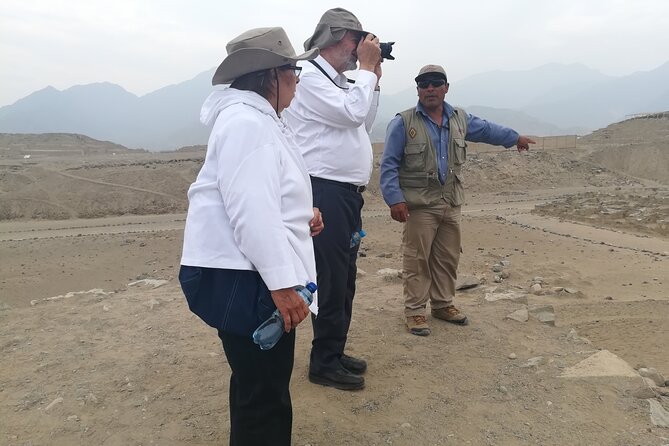
A strong guide is important here because the ruins do not explain themselves. Several guides connected with this experience have been singled out by name, including Leonardo, Saul, Cesar, Jimmy, Natalie, Jose, Arum, and others. You should not assume a particular person will lead your departure, but the repeated praise for the guiding team points to the value of the human side of this trip.
Leonardo, for example, has been described as engaging during both the road journey and the site visit, with useful information about nearby ancient settlements and Peru as a whole. Saul has been praised for clear explanations of Caral and the continuing excavation. Cesar is known for making the day lively as well as informative.
That combination suits Caral. You need facts about dates, construction, and ceremonial spaces, but you also need help connecting the site to the larger story of Peru. A good guide can explain why Caral matters without turning the visit into a dry lecture.
The guides may also help with the practical parts of the day, such as arranging the meal stop and pointing out local food or small souvenirs. One account describes meeting a person who had overseen work at the site for decades, though you should treat that as a possible bonus rather than a promised part of the itinerary.
The return trip and local lunch stop
The guided visit finishes at about 1 p.m., followed by the drive back toward Lima. A stop is made at a local restaurant for lunch. The tour team helps organize the meal, but you pay separately.
The expected price is about 35 Peruvian soles for a main course, or roughly 10 US dollars. That is a reasonable extra cost for a full-day outing, but budget for it in advance. You may also want money for breakfast, snacks, drinks, and small souvenirs.
The food stop is a useful part of the day because it supports a local restaurant rather than sending everyone back to Lima hungry. It also gives you a break after walking in the sun. Do not expect a long restaurant experience with a broad menu; the supplied details describe a typical local meal rather than a set lunch included in the tour price.
The ride back can be social. Smaller groups make it easier to talk with the guide and other passengers, and past departures have included conversations about Peruvian music and food. After several hours on the road, that relaxed atmosphere can help the return feel less tedious.
Is the $120 price good value?
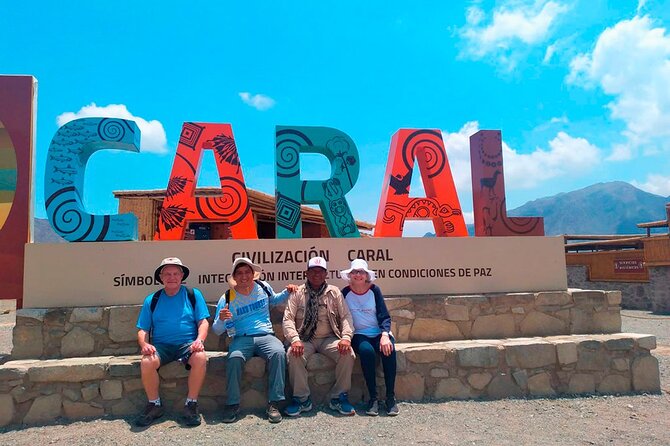
At $120 per person, the tour is fairly priced if you value convenience. The cost includes private transport, air conditioning, entry to Caral, a professional guide, taxes, and other listed fees. You do not need to arrange a rental car, find the site on your own, or manage entry once you arrive.
The small group strengthens the value. A cheaper large-group trip may save money but give you less time with the guide and less flexibility during the ride. Here, the maximum of 10 people is small enough to feel personal, especially if fewer people book.
Lunch is the main cost that can catch you off guard. It is not included, so add about 35 soles for a main course, plus any breakfast or drinks. The overview of the experience describes lunch as included, but the detailed inclusion information clearly says it is not. I would plan on paying for your own meal.
For a solo visitor or couple, the price can compare well with arranging a private vehicle independently. For a family, multiply the cost carefully, since this is not a low-cost local outing. The value depends on how much you want to see Caral without handling the long drive yourself.
Comfort, heat, and physical demands
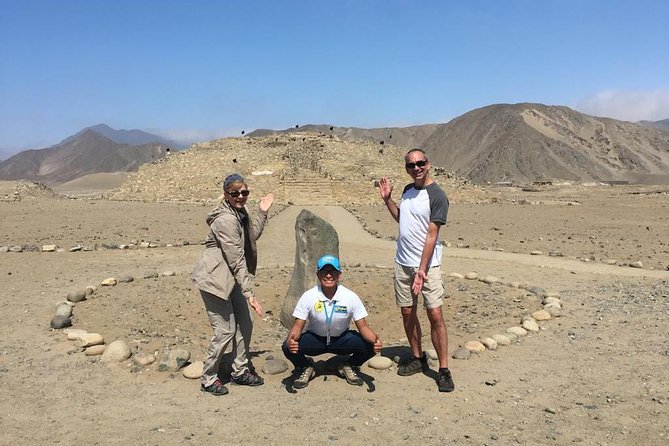
You need a moderate level of fitness. The tour includes walking around a large archaeological site on exposed paths, with sun, dry air, and uneven ground. You may spend a couple of hours outside with little shade.
Wear comfortable clothes and sturdy walking shoes. Bring more water than you think you need, plus sunscreen, sunglasses, and a hat if you have one. Insect repellent is also recommended. The site is described as hot and dry year round, so do not rely on Lima’s cooler coastal weather when packing for Caral.
The air-conditioned vehicle helps during the road portions, but it does not change the conditions at the ruins. If you have difficulty with prolonged outdoor walking, ask the operator for current details before booking. The supplied information does not promise wheelchair access or a fully accessible route.
This is a day for practical clothing, not fashion. A light layer can help in the van, while sun protection matters most once you are outside.
Who should book this Caral tour?
I would choose this tour if you have a strong interest in ancient societies and enough time in Lima for a full-day outing. It is especially suitable for history and archaeology enthusiasts, but it also works for curious visitors who want to see a less familiar side of Peru.
The tour is a good fit for:
- Couples who prefer a small group and a guided day
- Families with older children who can manage a long drive and outdoor walking
- Solo visitors who want company and transport arranged
- People who have already seen Pachacamac or major Inca sites and want an earlier chapter of Andean history
- Anyone comfortable with an active, hot, 12-hour day
I would skip it if your Lima schedule is tight, you dislike long road journeys, or you need a guaranteed early return. The trip can run late, especially in heavy traffic, and the archaeological site requires patience. Caral rewards attention more than speed.
Final verdict: worth the long road?
Yes, for the right kind of visitor. Caral gives you a rare look at an ancient American civilization that predates the Inca by thousands of years, in a setting that remains relatively quiet and actively studied.
The best reasons to book are the small group, included transport and entry, strong guiding, and access to a site that many Lima visitors miss. The reasons to hesitate are the long drive, intense sun, moderate walking, and extra payment for lunch.
If you can spare the day, pack water, and enjoy archaeological sites that still hold unanswered questions, I would book it. If you only have a short stay in Lima, choose a closer attraction instead. Caral is not convenient, but its age and scale make the effort worthwhile.
The tour offers free cancellation with a full refund when you cancel at least 24 hours before the local start time. Changes or cancellations inside that window are not accepted for a refund.
FAQ
How long does the Caral tour take?
The experience lasts about 12 hours, including the journey from Lima, the visit to Caral, a lunch stop, and the return drive.
Where does the tour start?
The meeting point is Av. José Larco 724 in Miraflores, Lima. The activity ends back at the same meeting point.
How long is the drive from Lima to Caral?
The drive takes approximately three to four hours each way. Traffic, holidays, and road conditions can make the journey longer.
Is lunch included in the tour price?
No. Lunch is not included. The tour team helps arrange a meal at a local restaurant, with a main course costing about 35 Peruvian soles, or roughly 10 US dollars.
What does the $120 price include?
The price includes a professional guide, private transport, an air-conditioned vehicle, entrance tickets to the Caral Archaeological Site, taxes, and listed fees.
How large is the tour group?
The tour has a maximum of 10 travelers, although a departure may have fewer people.
What should I bring to Caral?
Bring comfortable clothes, walking shoes, water, sunscreen, sunglasses, and insect repellent. The site is hot and dry, and you will spend about two hours outdoors.
Recently added around Lima
- Enjoy Lima Walking Historic Center, Plaza San Martin and Plaza de Armas★ 5.0 · 3 reviews
- From Lima: City tour Prehispanic + Colonial & Modern Lima★ 5.0 · 3 reviews
- Lima: City Sightseeing Panoramic Bus Tour★ 3.3 · 3 reviews
- City Tour Colonial and Modern Lima for 5 Hours★ 3.2 · 3 reviews
- Lima: Lunuhuaná Extreme All In + Cerro Azul + Rafting + ATV + Canopy★ 4.4 · 3 reviews
- Lima: Shanty Town Exploration★ 5.0 · 3 reviews
- Lima: Tour to Huaca Pucllana and Huaca Mateo Salado★ 5.0 · 3 reviews
- Lima: Historic Center Walking Tour with Pisco Sour Tasting★ 5.0 · 3 reviews
Lima Tours, compared.


Full Day Paracas Ica and Huacachina from Lima All Included
Read our review →
Lima’s Vibrant Heritage: Exploring the City’s Landmarks Half-day
Read our review →

Paracas and the Huacachina Oasis Guided Day Tour
Read our review →
The Charm of Barranco & Pre Inca Pyramid in Miraflores
Read our review →
Full Day to Paracas and Huacachina Desert Oasis
Read our review →
Pachacamac Ruins & Barranco Half-Day Guided Tour
Read our review →Browse the lists this tour appears in