
Reviewed · AMAZON JUNGLE TOURS
Amazon Rescue Center – Manatees Conservation Center Admission Ticket
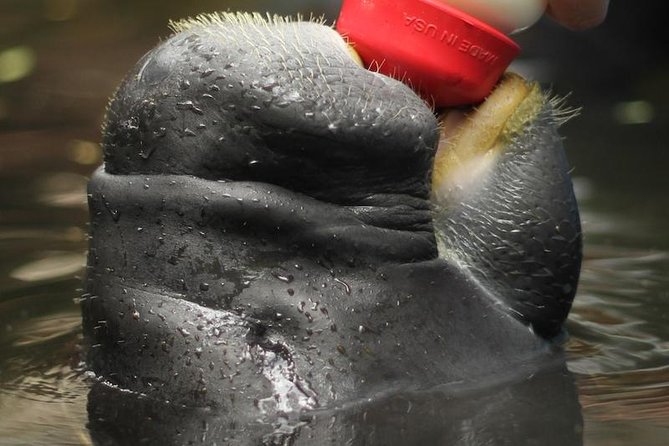
CREA is not a zoo with rows of animals waiting for attention. It is a working rehabilitation center, and the most moving part is seeing young Amazonian manatees receive care before they can return to the wild. Guides explain how animals arrive after illegal captivity, recover, and move toward release.
I like the direct connection between your admission fee and conservation work, and I like the short, focused format. You will also see monkeys, birds, turtles, reptiles, and an interpretation center about the flooded forest. The drawback is plain: this is a modest facility, not a polished wildlife park, and the one-hour visit can feel brief if you expect many animals or a large exhibit.
Key points to know before you go
- See rehabilitation rather than staged animal encounters: The center protects animals from unnecessary contact while preparing them for life in the forest.
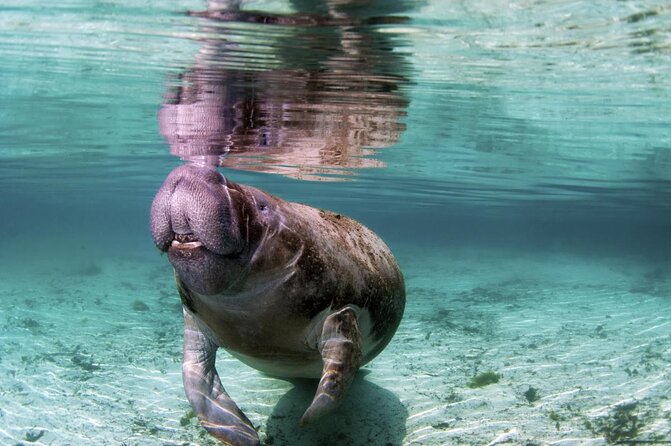
- Manatees are the main attraction: Young rescued manatees may be receiving bottle feedings or living in quarantine tanks as they recover.
- The visit is short and information-heavy: Plan on roughly one hour along a forest path.
- English guidance may be available: English tours have included guides such as Jessica, though a specific guide is not guaranteed.
- You arrange your own transport: CREA is at kilometer 13.8 on the Iquitos-Nauta road, outside central Iquitos.
- Your $8.08 admission supports the work: At this price, the visit offers good value if you care about conservation more than entertainment.
Why CREA feels different from a zoo
The Amazon Rescue Center, known locally as CREA, works with The Dallas World Aquarium Zoo and the Research Institute of the Peruvian Amazon. Its purpose is to rescue animals kept illegally, provide medical care and rehabilitation, and release suitable animals into protected natural areas.
That mission changes what you see. A healthy animal ready for release is not kept on display simply because it would make a good photo. Some enclosures may look small because newly rescued manatees need close care and frequent feeding. The center explains that its smaller tubs are quarantine tanks, used during the first stage of recovery.
This can be inspiring, but it also requires the right expectations. You are not coming to pet animals, watch a staged show, or see a large collection of wildlife. The center’s success is measured by animals leaving, not by how many remain for you to see.
The information provided for this experience records 23 released manatees, along with two pink dolphins, anteaters, sloths, turtles, and other animals. A later statement from the center gives a total of 33 released manatees. The figures may reflect different reporting dates, but the point is clear: release is the goal.
More Jungle Tours in Iquitos
- 3-Day All Inclusive Guided Jungle Tour from Iquitos at Maniti Eco-Lodge
★ 4.5 · 74 reviews - 2-Day All Inclusive Guided Jungle Tour from Iquitos at Maniti Eco-Lodge
★ 4.5 · 62 reviews - 3-Day Iquitos Amazon Jungle Adventure at Heliconia Lodge
★ 4.5 · 54 reviews
Reaching the center from Iquitos
CREA is located at Carr. Iquitos-Nauta kilometer 13.8 in San Juan, outside the city center. The journey takes about 30 minutes by tuk tuk according to the tour information, while the bus can take about an hour. One visitor described a round-trip motocar ride of roughly one hour each way, so your actual timing may depend on traffic, the vehicle, and where you start.
Transportation is not included in the $8.08 ticket. You need to reach the meeting point yourself, and there is no hotel pickup or drop-off. A separate taxi or motocar arrangement can cost much more than the admission, so factor the ride into the real price of the outing.
If you are already heading out of Iquitos for an Amazon cruise, lodge transfer, or countryside excursion, adding CREA to that route can make good sense. If you are going only for the center, allow more time than the advertised one-hour visit. The ride, entrance, and return can turn this into a half-day outing.
Bring water. Iquitos is hot, and the visit takes place outdoors along a path in a forest setting. Wear light outdoor clothing and use mosquito repellent. One person found the insects minor on one visit and more noticeable on another, so it is better to prepare than spend the hour swatting.
The manatee rehabilitation area
The manatees are the emotional center of the visit. These gentle aquatic mammals are endangered and often arrive after being kept illegally or separated from the conditions they need to survive.
Your guide explains the stages of care. A young manatee may begin in a quarantine tank, where staff can monitor its health and provide regular feeding. As the animal becomes stronger, it can move into a larger enclosure and eventually be considered for release.
Bottle-feeding is sometimes visible, especially when young animals are under care. It is a memorable sight, but it also shows how demanding rehabilitation can be. The staff must replace the care that a mother manatee would provide, then help the animal develop the strength and habits needed for life in the wild.
Do not expect every visit to include a feeding. Animals are kept on care schedules, and the center’s work comes first. You may see only a few manatees, particularly if several have already been released. That is a good sign for the project, though it can disappoint anyone expecting a crowded exhibit.
The best part of the presentation is the explanation of the full process. You learn why the first months matter, what makes release possible, and why some animals cannot safely return to open habitat. Those details turn a quick look at a tank into a lesson about illegal captivity and the pressures facing Amazon wildlife.
Monkeys, birds, turtles, and reptiles along the forest path
After the manatee area, the guide leads you through sections for other rescued animals. The exact animals present can change, since CREA is a working center rather than a fixed display.
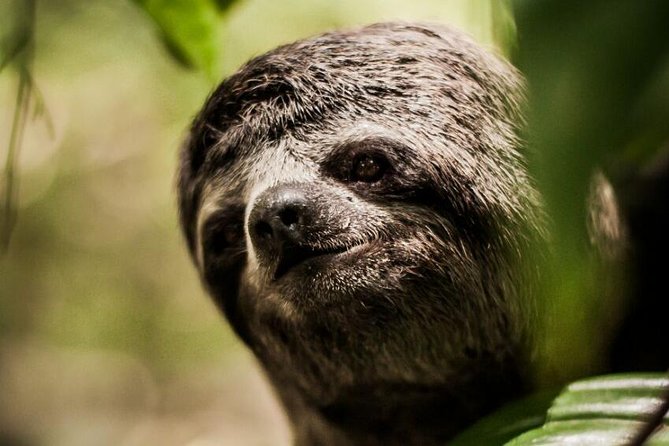
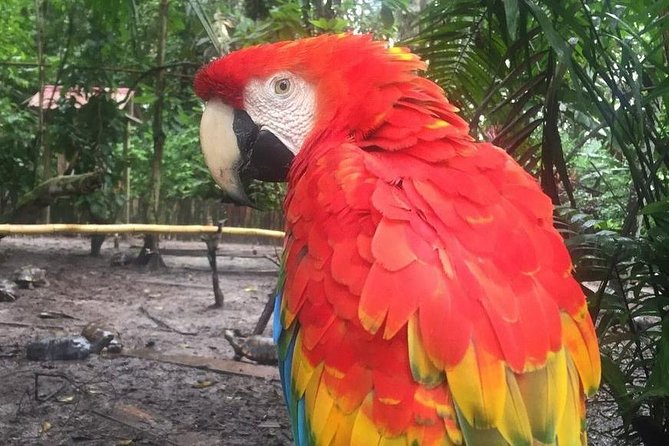
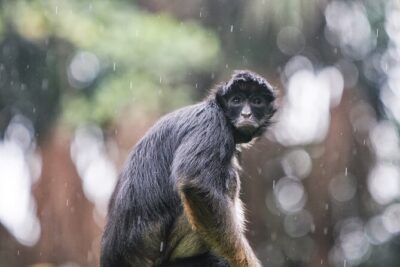
You may see monkeys, birds, turtles, and reptiles such as the yellow-spotted river turtle and tortoises. Anteaters, sloths, and other Amazonian species have also been part of the center’s rehabilitation work. The guide explains where each animal came from and how staff decide whether rehabilitation and release are possible.
This is where a good guide matters. An English-speaking guide can explain the story behind each animal instead of leaving you with a quick identification. English tours have included guides such as Jessica, who has been praised for being friendly and clear, but the booking information does not promise a particular guide.
The pace is easy enough for most people, and most visitors can participate. Still, this is not a completely smooth museum route. The path is outdoors, and the center notes that wheelchair access can be difficult, though possible with strong assistance.
The plant section may feel less exciting than the animals. It is included as part of the walk and gives you more context about the forest, but it will not satisfy someone who wants animal encounters from start to finish. I would treat it as supporting material rather than the main event.
more amazon lodges and jungle days
- From Iquitos: 3-Day Amazon Jungle Adventure Trip
★ 4.7 · 50 reviews - Monkey Island,Amazon River & Native Aquatic Species – All tickets
★ 5.0 · 44 reviews - From Iquitos: Full day tour in the Peruvian jungle
★ 4.4 · 25 reviews - Iquitos: Native Community Experience & Amazon River Tour
★ 4.6 · 15 reviews
The flooded forest interpretation center
One of the more unusual parts of the visit is the interpretation center called The Flooded Forest. It uses life-size fiberglass statues of major aquatic species found in the Amazon.
This area helps explain a part of the river system that can be hard to picture during a short city visit. Seasonal flooding changes where animals feed, move, and shelter. The displays give you a basic visual guide before or after seeing live animals in rehabilitation.
It is not a high-tech attraction, and the statues may feel simple. That is also part of the center’s character. The value comes from the explanation and the connection to real Amazon habitats, not from elaborate set design.
You will find a few pleasant spots for photographs along the route. Keep the camera secondary, though. The strongest part of the visit is understanding why the animals are there and what must happen before they can leave.
A one-hour tour with a private group
The stated visit lasts about one hour and ends back at the meeting point. Your admission includes the entrance fee and a professional guide. The activity is private, meaning only your group participates, although the practical operation of the visit may still depend on guide availability and language scheduling.
A private format is useful here because you can ask about an animal’s care, release plans, and role in the wider conservation program. It also keeps the experience from feeling like a rushed stop in a large crowd.
The short duration is both a benefit and a limit. If you have only a little free time in Iquitos, one hour at the center is easy to fit into a busy day. If you care deeply about wildlife, you may wish the visit lasted longer, especially when a young manatee is being fed or a guide is explaining a complicated rehabilitation case.
I would not book this expecting a full-day Amazon expedition. It is a compact educational stop that works best as part of a larger Iquitos plan.
What the $8.08 admission is really worth
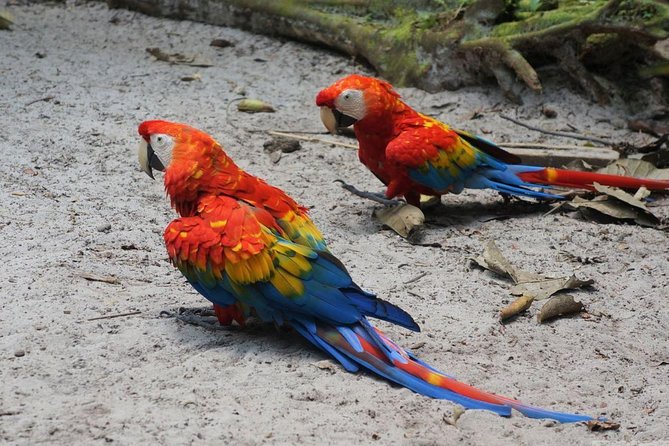
At $8.08 per person, the entrance fee is modest. The value is not based on the number of exhibits. You are paying for access to a conservation project, a guide-led explanation, and a chance to support animal rehabilitation.
That distinction matters. One person could find the center disappointing after seeing only a couple of young manatees in small quarantine tanks, a few turtles, and some plants. If your idea of value means many large enclosures and constant animal activity, this may not be the right outing.
I see the price differently. A small admission helps support a local organization doing slow, difficult work. The animals that have been released are not available for display, and the spare setting reflects a working facility rather than a commercial attraction.
The total outing can become less inexpensive once you add transport. A round-trip motocar or taxi may cost several times the admission, depending on the arrangement. Even so, the combined cost can be worthwhile if you want an educational activity outside Iquitos and a practical way to support local conservation.
Who will enjoy this visit most
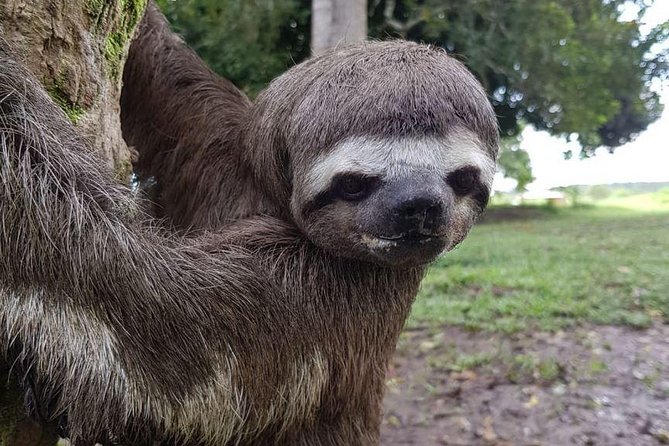
I would recommend CREA to you if you want to understand the problems facing Amazon animals and see a real rehabilitation effort. It is especially suitable for families, since the guides explain the work in a way that can hold children’s attention and give them a clear lesson about responsible care.
It also suits visitors who have already spent time on the river and want a different view of the region. Instead of looking for wildlife in the forest, you learn what happens after an animal has been rescued and before it can safely return.
The center is a good fit for:
- People interested in manatees and endangered Amazon species
- Families looking for an educational activity
- Visitors with a free half-day outside central Iquitos
- Anyone who prefers conservation work to animal entertainment
- Those willing to arrange their own tuk tuk, bus, motocar, or taxi
I would skip it if you want to hold animals, feed them for a photo, or see a large and polished facility. The staff protect the animals from unnecessary contact because the long-term aim is release and survival in the wild.
Practical details that make the visit better
Book ahead if you want easy entry and a planned visit. Confirmation is provided at booking, and the experience is generally booked around 12 days in advance, so reserving early is sensible during a busy period.
Ask about language when you book if you need an English tour. English-speaking guides have been available, and one guide named Jessica has led a particularly clear and friendly tour, but a specific guide cannot be guaranteed from the details provided.
Wear outdoor clothing and closed, comfortable footwear suitable for a forest path. Apply mosquito repellent before you arrive, and carry water since food and drinks are not included.
The center is a private activity for your group, and the meeting and ending point is the Amazon Rescue Center itself. You are responsible for getting there and returning to Iquitos.
Cancellation is free when you cancel at least 24 hours before the local start time. Cancellations made less than 24 hours ahead are not refunded, and late changes are not accepted.
Should you book the Amazon Rescue Center?
Book this experience if you want a short, affordable visit with a clear purpose. The manatees, rescue stories, and release process provide the strongest reasons to go, while the chance to see monkeys, birds, turtles, reptiles, and the flooded forest center adds useful context.
Go with modest expectations. CREA is not fancy, the animal collection changes, and you might spend much of the hour looking at a few animals in active rehabilitation. That is not a flaw in the mission, but it can feel underwhelming if you are seeking a conventional attraction.
For me, the deciding question is simple: do you want to see animals, or do you want to understand how rescued animals are given a second chance? If the second answer is closer, the $8.08 admission is a worthwhile use of your time in Iquitos.
FAQ
Where is the Amazon Rescue Center located?
It is at Carr. Iquitos-Nauta kilometer 13.8, San Juan 16024, Peru, outside central Iquitos.
How long does the visit last?
The guided visit lasts approximately one hour and ends back at the Amazon Rescue Center.
Is transportation included?
No. Transportation to and from the center, hotel pickup, and hotel drop-off are not included.
What animals can I see?
The center works with manatees, monkeys, birds, turtles, reptiles, anteaters, sloths, and other Amazonian animals. The animals present can change as they move through rehabilitation and release.
Is an English-speaking guide available?
English tours have been available, and guides such as Jessica have led English visits. A particular guide is not guaranteed.
What should I wear or bring?
Wear outdoor clothing, use mosquito repellent, and bring water. The visit takes place outside along a forest path.
Can I cancel for a full refund?
Yes, if you cancel at least 24 hours before the experience start time. Cancellations made less than 24 hours ahead are not refunded.
Recently added around Iquitos
- Tarapoto: Full-Day to Laguna Azul (Blue Lake) – El Sauce★ 3.8 · 3 reviews
- Iquitos: Amazon River Tribes Full-Day Tour with Lunch★ 3.5 · 3 reviews
- Iquitos : Full Day Excursion to Monkey Island★ 4.4 · 3 reviews
- Iquitos: 5 Days inside the Rainforest | Amazon Jungle Tour★ 5.0 · 3 reviews
- 2-Day All Inclusive Guided Jungle Tour from Iquitos★ 4.3 · 3 reviews
- Iquitos: Piranha Fishing Experience in the Amazon jungle★ 4.7 · 4 reviews
- Iquitos: Amazon Jungle in 3 Days: Adventure and Culture★ 4.8 · 4 reviews
- Iquitos: Amazon Jungle in 2 Days: Adventure and Expedition★ 4.5 · 6 reviews
Amazon Jungle Tours, compared.
Tambopata Peruvian Amazon Jungle for Three Days/Two Nights
Read our review →
3-Day All Inclusive Guided Jungle Tour from Iquitos at Maniti Eco-Lodge
Read our review →
4 Day Tambopata Amazon Wildlife & Canopy Experience
Read our review →
2-Day All Inclusive Guided Jungle Tour from Iquitos at Maniti Eco-Lodge
Read our review →
4-Day Inca Jungle Adventure, Mountain Biking, Rafting and Zipline
Read our review →Browse the lists this tour appears in