
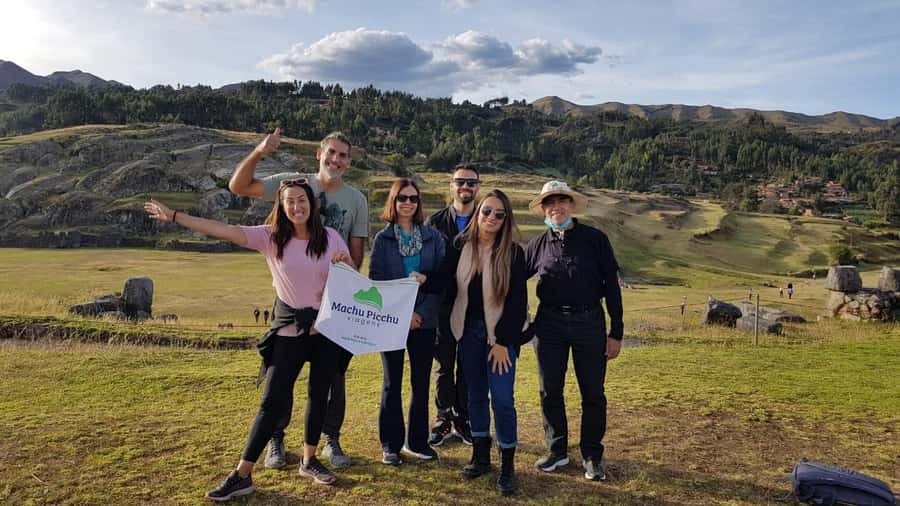
Reviewed · CUSCO TOURS
City Tour in Cusco
Cusco’s best history lesson comes in two layers: the Inca city beneath your feet and the Spanish city built above it. This four-hour tour takes you from Qorikancha and the Cathedral in the center to Sacsayhuaman, Qenqo, Puca Pucara, and Tambomachay in the hills.
I like the efficient route and the mix of grand monuments with smaller ceremonial sites. I also like that you get hotel transport, a certified guide, air conditioning, and a water bottle for only $20 per person. The main caution is practical: admission tickets cost extra, and one booking had confusion about the pickup point and did not receive the Portuguese guide requested.
- Qorikancha reveals two faiths in one place: See the Inca Temple of the Sun and the Catholic church built over its foundations.
- Sacsayhuaman supplies the big stone drama: Massive fitted blocks make this the tour’s most imposing stop.
- Qenqo offers a darker look at ceremony: Its shadowy spaces were linked to important rituals and sacrifices.
- Puca Pucara gives you a higher view of Cusco: The hilltop stop changes your view from city streets to mountain scenery.
- Tambomachay shows practical Inca engineering: Its water channels and three fountains still function.
- The low price hides one extra cost: Entrance tickets are not included, so check the required admissions before booking.
A Four-Hour Introduction to Imperial Cusco
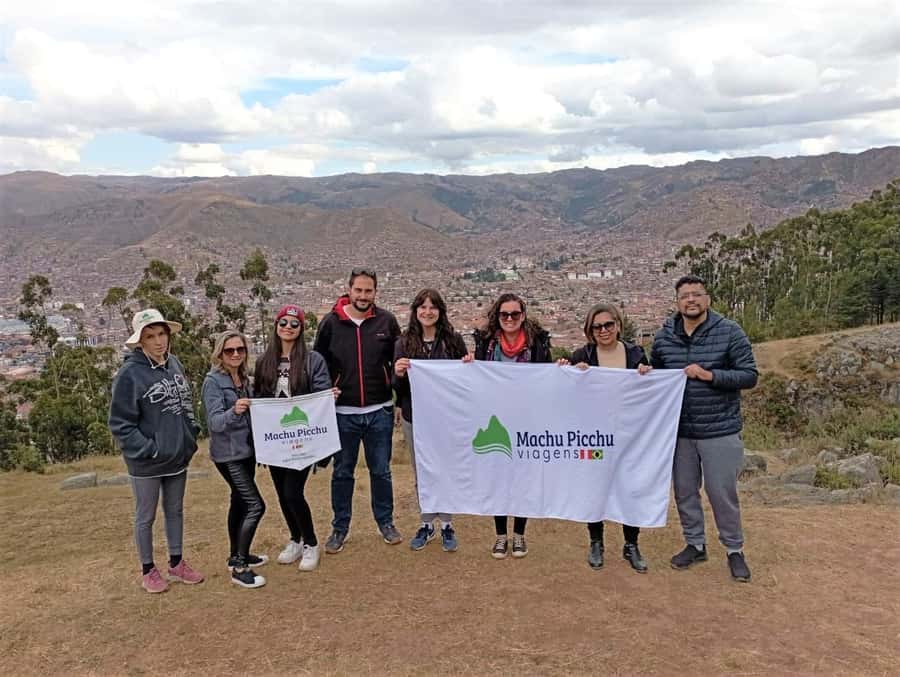
This is a compact orientation tour rather than a slow archaeological study. In half a day, you see the city center, several major Inca sites, and the highland setting around Cusco. That makes it useful early in your stay, especially if you want the names and broad story before visiting places at greater length.
The route also gives you a clear sense of how Cusco developed. In the center, Inca stonework and Spanish colonial buildings share the same streets. Outside the center, ceremonial and defensive sites spread across the hills. You are not looking at isolated ruins. You are tracing how the imperial capital worked as a religious, political, and water-management center.
A professional certified guide leads the group in Spanish, English, or Portuguese, with one bus assigned to each language. That arrangement sounds simple, but language confirmation matters. A Portuguese-speaking customer booked that service and found the tour was not conducted in Portuguese, leaving her son unable to follow the explanations. The guide Fernando was described as helpful and polite, but the language issue still affected the experience.
Qorikancha and the Cathedral: Two Cities in One Block
Begin with Cusco’s historic center, where the past is unusually visible. Qorikancha, also called the Temple of the Sun, was the principal Inca worship center. The site is especially useful for understanding the collision of Inca and Spanish power because a Catholic church now sits on the earlier foundations.
I like this stop because it explains the city better than a pile of ruins ever could. You can see how sacred Inca ground was reused for colonial worship. The point is not simply that one building came before another. The foundations show how the Spanish placed their authority directly over an important Inca religious center.
Your guide should help you look for that layering rather than treating Qorikancha as a quick photo stop. Ask about which parts belong to the Inca structure and which belong to the later church. Since the tour is shared and language groups are separated by bus, the depth of the explanation may depend on the pace and the guide assigned to your group.
The Cathedral of Cusco adds the colonial half of the story. It is known for its colonial baroque design and was built on the foundations of an earlier Inca palace. Its value is not only visual. Together, the Cathedral and Qorikancha show how Spanish religious buildings occupied locations that already carried great political and spiritual weight.
Entrance tickets are not included, so this is the point where your $20 tour price needs a little context. The fee covers transport and guiding, but you should budget separately for admissions. Ask at booking which sites require payment and whether one ticket covers more than one stop.
More City Tours in Cusco
- Cusco: Half-Day City Tour with Sacsayhuaman and Q’enco
★ 4.6 · 1,129 reviews - City Tour Cusco Qoricancha Sacsayhuaman y Tambomachay
★ 4.7 · 617 reviews - Cusco: Sightseeing Tour of the City on an Open-Top Bus
★ 4.0 · 481 reviews
Sacsayhuaman and the Inca Skill With Stone
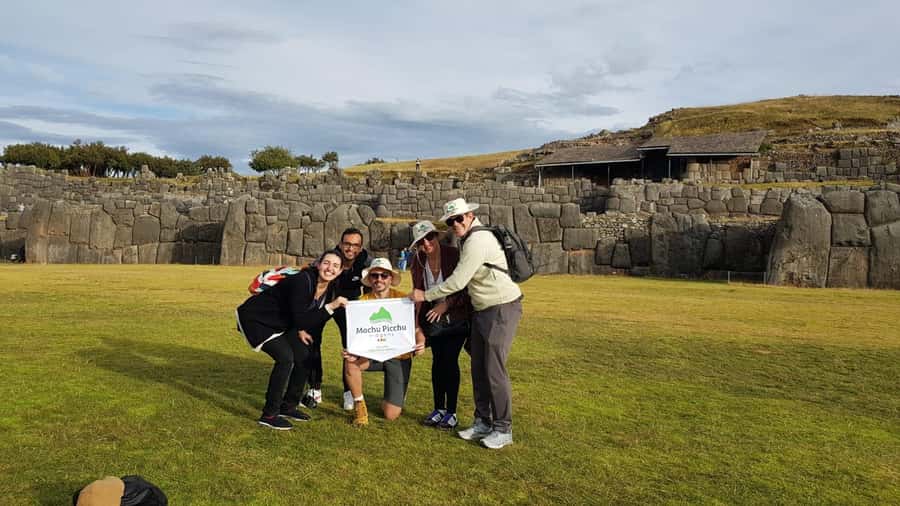
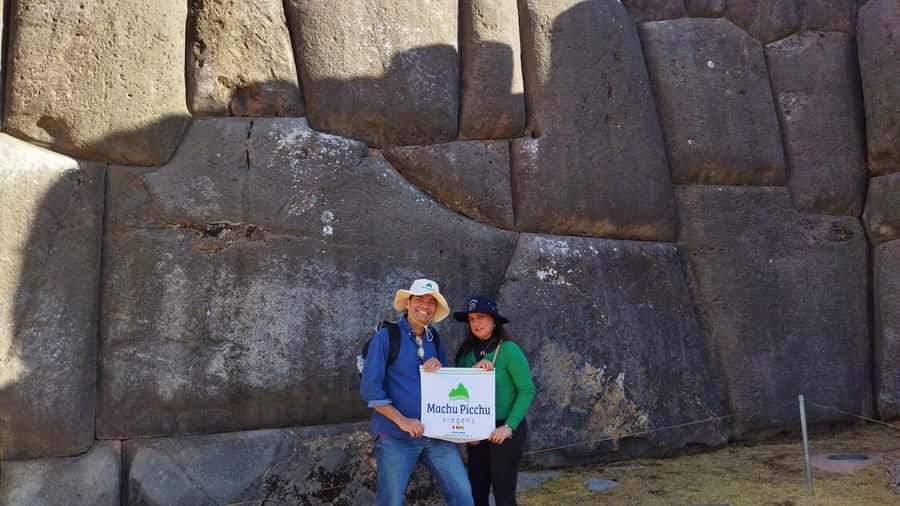
From the center, the tour heads to Sacsayhuaman, the largest and most visually commanding site on the route. The fortress is known for huge stone blocks fitted together with remarkable precision. Even with a short visit, the scale gives you a better sense of Inca building skill than small pieces of masonry in the city center can provide.
I would treat Sacsayhuaman as the tour’s main wow moment, but not reduce it to a viewpoint. The site was ceremonial as well as defensive, and its size reflects the importance of Cusco. Your guide can connect the walls to the broader role of the city and explain why the construction is still so striking.
You will likely have time to look at the walls, hear the main explanation, and take in the setting rather than explore every corner. Four hours must cover six major stops, so the schedule favors a useful overview. If you want long periods for photographs or close study, a private visit would give you more control, but it would not offer the same low price.
The condition of the ground and the hill setting may matter to anyone who uses a wheelchair or has limited mobility. The activity is listed as wheelchair accessible, which is useful, but the exact access at each archaeological site is not described. If you need a fully step-free route, confirm the details before paying.
Qenqo: A Smaller Site With a Gloomier Mood
Qenqo changes the tone. Instead of the open scale of Sacsayhuaman, you find a more enclosed ceremonial center associated with Inca rituals and sacrifices. The site is described as gloomy, and that is a fair way to prepare yourself for its atmosphere.
This stop matters because it gives the tour a different kind of archaeological experience. Sacsayhuaman shows public scale. Qenqo points toward ceremony, belief, and ritual action. You may see less stonework here, but the setting invites questions about what took place inside its carved and shadowed spaces.
The guide’s explanation is important at Qenqo. A short visit without context can feel like looking at rocks and narrow passages. With a clear explanation, the site becomes part of the religious world introduced at Qorikancha. I would listen for what is known, what is believed, and what remains uncertain. Ancient sites often carry stories that are stronger than the surviving evidence.
Because the tour visits several locations in one morning or afternoon, expect Qenqo to be a concise stop. You get the central idea and a chance to see the site, not an extended archaeological lecture.
Puca Pucara and the View From Above
Puca Pucara takes you higher into the mountains around Cusco. The stop is valuable less for grand interiors than for its position above the city. From here, you can look back toward Cusco and understand its setting in a way that street-level sightseeing does not provide.
I like adding a viewpoint to a city tour because it resets your sense of direction. After walking among walls and churches, you see the city as part of a larger mountain environment. The tour description specifically highlights seeing Cusco from above, so bring your attention to the view rather than expecting another Sacsayhuaman-sized structure.
The name Puca Pucara is often associated with a red fortress, but the supplied details do not describe the site’s exact structures or original function in depth. Your guide will provide the tour’s main interpretation. Use this stop to ask how it related to movement around Cusco and to the other sites on the route, if time allows.
There is also a simple timing issue. The higher stops may be cooler or more exposed than the city center, though exact conditions are not provided. A light extra layer and sensible shoes are reasonable choices for any half-day route that goes into the hills.
Somewhere else entirely, still within reach of Cusco:
- Cusco: Humantay Lake Tour with Breakfast and Buffet Lunch
★ 4.9 · 2,976 reviews - From Cusco: Sacred Valley & Maras Salt Mines Tour with Lunch
★ 4.8 · 2,227 reviews - From Cusco: Moray, Maras Salt Mines & Chinchero Weavers Tour
★ 4.8 · 1,925 reviews - From Cusco: Full-Day Group Tour of Machu Picchu
★ 4.7 · 1,767 reviews
Tambomachay and Water That Still Runs
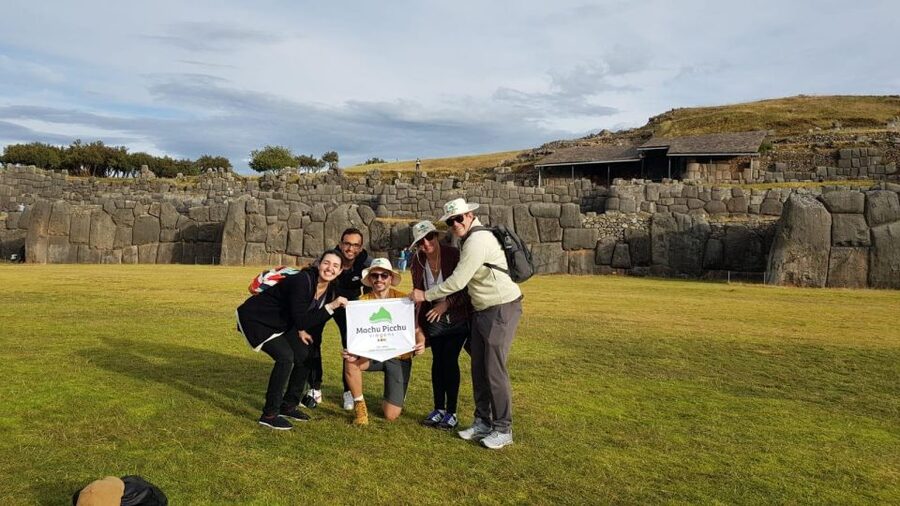
Tambomachay closes the archaeological section with a practical marvel: water management. The site has functioning channels and three fountains, showing how the Incas shaped and directed water rather than treating it as a mere natural feature.
This is one of the most rewarding stops for visitors who want more than walls and battles. Water tells you about daily life, ceremony, planning, and engineering. The fountains are described as the oldest functioning water fountains in the area, and their continued flow gives the site a direct physical connection to the past.
Look carefully at the channels and the way water moves through the stonework. The stop may be smaller than Sacsayhuaman, but it adds balance to the route. You have seen worship at Qorikancha, colonial power at the Cathedral, monumental construction at Sacsayhuaman, ritual at Qenqo, and a high viewpoint at Puca Pucara. Tambomachay shows how engineering supported the whole system.
The sequence also makes sense geographically, moving through the sites in the hills before returning toward Cusco. Since the tour lasts four hours, you should expect a planned visit rather than free time to linger beside the fountains.
What the $20 Price Really Covers
At $20 per person, this tour offers good value if you want transport and a broad introduction without arranging each stop yourself. The price includes a certified guide, roundtrip transport to and from most Cusco hotels, air conditioning, and a complimentary bottle of water.
That is a practical package. You do not need to work out transport between the central sites and the higher archaeological locations. You also get a guide who can connect the monuments into one story, which is the main reason to choose a tour instead of visiting the sites as separate stops.
The price does not include admission tickets, meals, drinks, or gratuity. Those exclusions matter because the tour visits several paid attractions. Do not compare $20 with the total cost of a self-guided day until you add the entrance fees. At the same time, the tour remains inexpensive if you value the vehicle and guide.
I would bring water beyond the complimentary bottle if you prefer to drink often, along with money for tickets and any food afterward. The tour ends at your accommodation or at the Plaza de Armas, so you can continue exploring or find a meal in the center.
Guides, Languages, and the Pickup Details
The activity is offered in English, Spanish, and Portuguese, with one bus per language. That setup should make the commentary easier to follow than a mixed-language vehicle, but you need to confirm your selected language before departure.
The strongest personal detail available here is the guide Fernando, who was described as helpful and courteous during a problematic booking. That is worth noting because a considerate guide can reduce the stress of a rushed route. Still, Fernando is not necessarily assigned to every departure, so do not book on the assumption that he will lead your bus.
Pickup is offered from most Cusco hotels, followed by return transport. The exact meeting point needs attention. One customer had to chase down the correct pickup information and hurry to avoid missing the tour. I would confirm the hotel address, pickup time, and meeting instructions in writing before the day of departure.
If the tour operator cannot clearly confirm the language and pickup details, the low price becomes less attractive. Those are not minor details when you have limited time in Cusco.
Who Will Get the Most From This Tour
I would recommend this tour to first-time visitors who want a quick framework for Cusco. It suits you if you prefer seeing the main sites in one organized half-day, want a guide to explain the connection between Inca and colonial history, and do not need long independent visits at each monument.
It also works well for visitors with a tight schedule. You can cover Qorikancha, the Cathedral, Sacsayhuaman, Qenqo, Puca Pucara, and Tambomachay, then finish at your hotel or the Plaza de Armas. That is a lot of ground for four hours.
Families may find the route useful because the changing stops keep the experience moving. If you are booking for children who are studying the Incas, make sure the guide speaks the language they understand. The Portuguese-language problem described above is a real warning for families relying on the commentary.
I would choose something else if you want a quiet, slow look at one or two sites, detailed time for photography, or a private guide who can shape the pace around your interests. This is an efficient group outing, not a leisurely archaeological seminar.
Booking Advice for a Smoother Half-Day
Before booking, confirm three items: the guide language, the pickup location, and the admission costs. These checks take little time and address the main practical weakness in the experience.
Plan to wear comfortable shoes and carry a light layer for the hill sites. The tour includes air-conditioned transport, but you will still get out at several archaeological locations. Keep your camera ready for the city views at Puca Pucara and the stonework at Sacsayhuaman.
The activity allows free cancellation up to 24 hours before departure for a full refund, and you can reserve now and pay later. That gives you some flexibility if your Cusco plans are still shifting. Check available start times because the four-hour duration does not identify one fixed departure time.
Should You Book the Cusco City Tour?
Book it if you want a low-cost, well-packed introduction to Cusco’s main Inca and colonial sights. The route has real variety, from Qorikancha’s layered worship spaces to Sacsayhuaman’s massive walls and Tambomachay’s working fountains. The included vehicle and guide make the $20 price appealing, provided you add the entrance fees.
I would be more cautious if Portuguese commentary is essential or if your hotel pickup must be exact. Confirm both points before payment. With those details settled, this tour gives you a useful first look at the Imperial City and the hills that surround it, without spending a full day or a large sum.
FAQ
How long does the Cusco city tour last?
The tour lasts four hours and visits the historic center plus five archaeological sites in the hills around Cusco.
Which languages are available?
A live certified guide is available in English, Spanish, or Portuguese. One bus is assigned to each language.
Does the price include entrance tickets?
No. Admission tickets are not included. Meals, drinks, and gratuity are also separate.
Is hotel transportation included?
Yes. Roundtrip transportation is included to and from most Cusco hotels. The tour can also finish at the Plaza de Armas if you prefer.
Is the tour wheelchair accessible?
The activity is listed as wheelchair accessible. The supplied details do not explain the exact access conditions at each archaeological site, so confirm the route if you need specific accommodations.
Can I cancel the booking for a refund?
Yes. You can cancel up to 24 hours in advance for a full refund. You can also reserve now and pay later.
Recently added around Cusco
- Palcoyo colored mountain hike + stone forests★ 4.6 · 3 reviews
- Maras Moray★ 5.0 · 3 reviews
- Full-Day Condor Viewpoint & Inca Sites Tour★ 5.0 · 3 reviews
- From Cusco: Vinicunca Mountain of Colors Excursion + Ticket★ 5.0 · 3 reviews
- Excursion Cusco – Puno – Titicaca Observatory Train★ 5.0 · 3 reviews
- Machu Picchu: Private Tour Guide Service for up to 15 people★ 4.5 · 3 reviews
- Machu Picchu: 1-day tour by Vistadome Observatory train★ 5.0 · 3 reviews
- Cusco: Chonta Canyon and Condor Flight Tour with Lunch★ 5.0 · 3 reviews
Cusco Tours, compared.
Humantay Lake Tour with Breakfast and Buffet Lunch
Read our review →
Sacred Valley & Maras Salt Mines Tour with Lunch
Read our review →
Moray, Maras Salt Mines & Chinchero Weavers Tour
Read our review →


Half-Day City Tour with Sacsayhuaman and Q’enco
Read our review →
Sacred Valley, Pisac, Ollantaytambo, Salt Mines Moray
Read our review →
Browse the lists this tour appears in