
Reviewed · CUSCO TOURS
Cusco Santuario de Animales Rescatados en Cusco
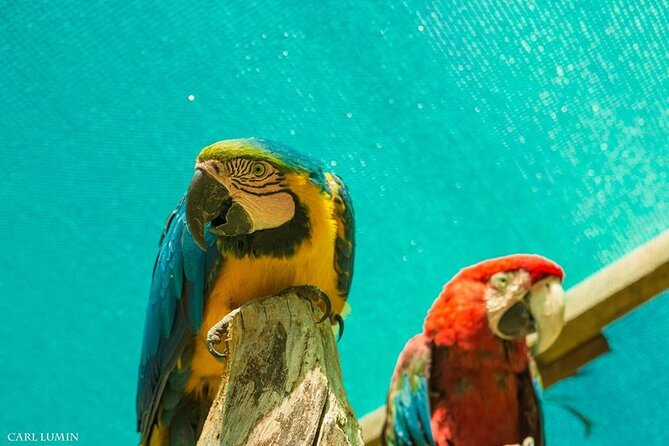
Cochahuasi Animal Sanctuary gives you a close look at animals rescued from harmful human treatment, including condors, macaws, monkeys, alpacas, bears, foxes, and wild cats. The visit is more than a photo stop: its purpose is animal care and public education, with the hope of returning some animals to the wild.
I like the private format, since you can move at your own pace rather than follow a large bus group. I also like the clear local benefit: proceeds from the alpaca shop help feed and care for the animals and support nearby farming communities.
The main consideration is time. The sanctuary visit itself is listed at about one hour, while the whole outing lasts two to three hours, so this is a focused visit rather than a full-day wildlife program. Animal contact can also depend on staff guidance and the animals’ condition that day.
Key points to know before you book
- Rescued animals from two regions: See species associated with both the Andean highlands and Peru’s jungle areas.
- Guide-led visit: Albert has provided detailed tours explaining where individual animals came from and what they endured.
- Private group of up to 10: The small format gives you more room for questions and a less rushed pace.
- Pickup from Cusco: Collection can be arranged from your hostel, Airbnb, or another agreed location, with the listed meeting point at Selina Cusco Saphi.
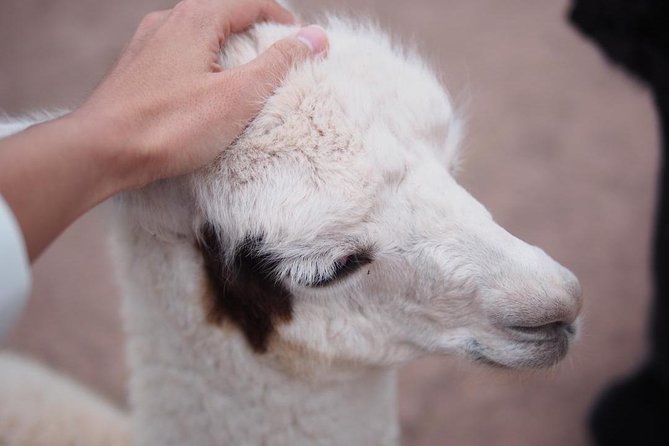
- Hands-on moments may be included: Feeding alpacas, llamas, birds, and monkeys has been part of the experience, but follow the sanctuary staff’s directions.
- A purchase with a purpose: Half of the alpaca-product sales supports the animals, while the other half goes to farming communities near the sanctuary.
Meeting rescued animals outside Cusco
The heart of this outing is Cochahuasi Animal Sanctuary, a short visit outside Cusco built around rescued wildlife and education. Instead of simply walking past cages and reading signs, you receive an explanation of the sanctuary’s mission and the individual animals in its care.
The setting matters. The sanctuary occupies a large natural area, giving the animals more room than you would expect from a city attraction. That does not erase the fact that these are captive animals, but it helps explain why this place feels different from a conventional animal display.
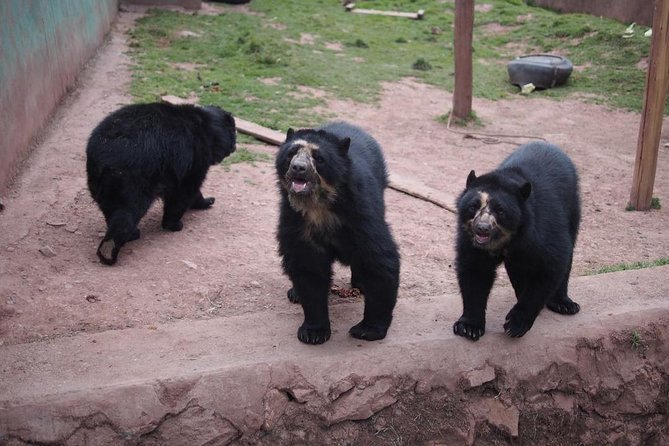
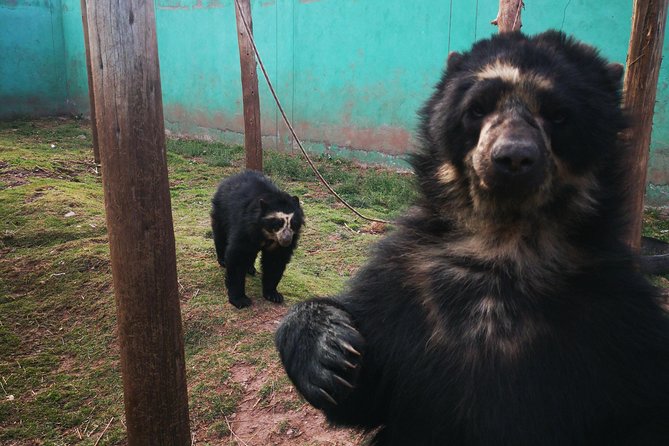
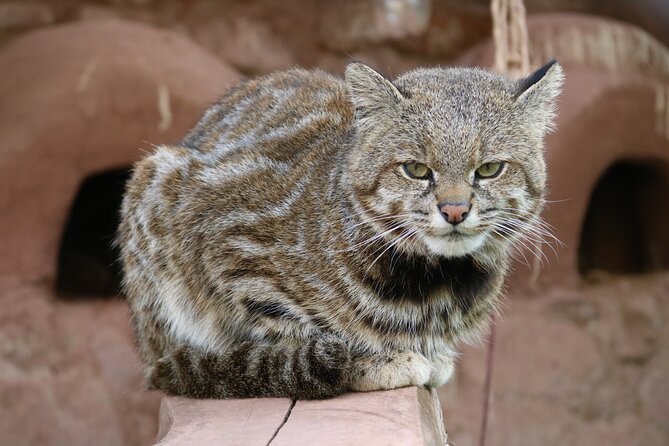
You might see monkeys, macaws, turtles, deer, deer cats, alpacas, bears, wild cats, foxes, and condors. The exact mix and the amount of time spent with each animal can vary, so I would treat the list as a guide to the sanctuary’s residents, not a promise that every animal will appear at close range.
The visit also gives you context about rescue work in Peru. The sanctuary’s stated aims are to educate the public, teach children to respect wildlife, and release some animals into their natural habitats when possible. That makes the educational side important. You are not only looking for a memorable animal photograph, you are also learning why these animals need protection.
Other Cusco days that pair with this one:
- Cusco: Humantay Lake Tour with Breakfast and Buffet Lunch
★ 4.9 · 2,976 reviews - From Cusco: Sacred Valley & Maras Salt Mines Tour with Lunch
★ 4.8 · 2,227 reviews - From Cusco: Moray, Maras Salt Mines & Chinchero Weavers Tour
★ 4.8 · 1,925 reviews
A guide who explains each animal’s story
A good guide makes a major difference here. Albert has led detailed tours that explain where animals came from, what they suffered, and how they were rescued. That sort of background changes the way you look at the enclosures because you begin to see individual animals rather than a general collection of species.
The tour is offered in English, which makes it easier to ask about the sanctuary’s work and the animals’ care. The group limit is 10 people, and the private setup lets you ask questions without trying to catch a guide’s words over a large crowd.
I would pay attention to the explanations about rehabilitation and possible release. The sanctuary’s goal is to return some animals to the wild, but not every rescued animal will be able to live independently again. Asking the guide which animals may be candidates for release can help you understand the difference between rescue, rehabilitation, and permanent care.
This is also a useful stop for families and school-age children. The sanctuary works to teach younger people about respect for nature, and the visit gives children a direct way to connect animal welfare with daily choices. Parents should still frame the experience carefully: the animals are there because something went wrong, not because they are performers.
What the one-hour sanctuary visit includes
The sanctuary portion is listed at about one hour. In that time, you can expect a guided walk through the animal areas, explanations of the sanctuary’s mission, and the chance to see native species from Peru’s highlands and jungle regions.
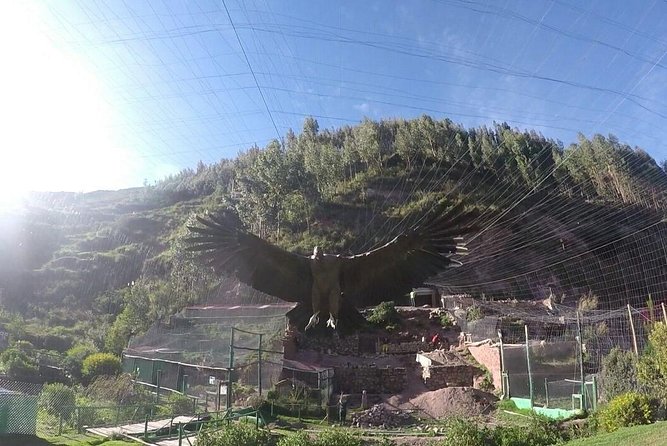
Some of the most memorable animals may be the ones you do not often see in a typical city zoo. Condors, for example, connect the visit to the Andes and to one of Peru’s best-known birds. One particularly striking moment described from the experience was seeing a condor fly overhead.
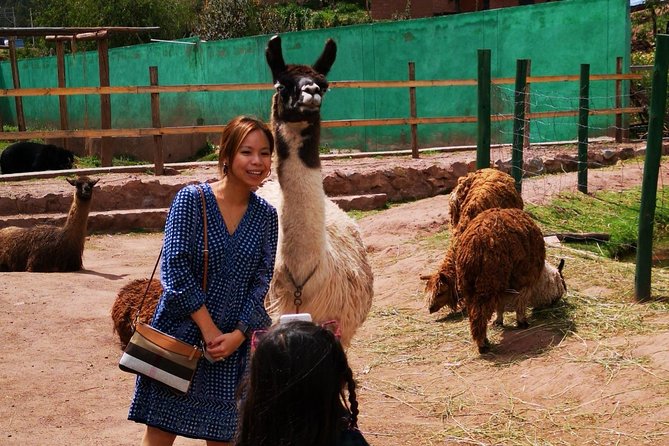
The alpacas and llamas are likely to be the most approachable animals. Feeding them has been part of the visit, and it is an easy, amusing interaction for children and adults alike. Birds may also be fed, and direct contact with a toucan has been possible under staff supervision.
I would not book this expecting unlimited touching or feeding. The sanctuary’s workers decide what is suitable, and animals can be shy, resting, or unavailable. A toucan might come close one day and remain withdrawn the next. The best approach is to let the staff set the pace and enjoy the encounters that happen naturally.
Transport from Cusco and the flexible return
Pickup is offered from your Cusco hostel or Airbnb, or you can arrange another meeting location through the operator. The listed starting point is Selina Cusco Saphi at C. Saphy 601, and the outing can also begin from a meeting point agreed in advance.
The pickup arrangement is helpful if you do not want to find your way to a separate bus terminal. It is also worth confirming the exact pickup place and time after booking, since the details may be coordinated directly through WhatsApp.
After the sanctuary visit, the return is flexible. You can be taken back to your accommodation or to Cusco’s main square, according to the arrangement for your group. That gives you a useful option for planning the rest of the day. A return to the square could work well if you want lunch or another activity in central Cusco.
The total outing lasts about two to three hours, but the sanctuary stop itself is only about an hour. I see that as a strength if you have a busy Cusco schedule. It is long enough for a meaningful visit without consuming an entire morning or afternoon.
Somewhere else entirely, still within reach of Cusco:
- From Cusco: Full-Day Group Tour of Machu Picchu
★ 4.7 · 1,767 reviews - Machu Picchu Day Trip from Cusco
★ 4.5 · 1,644 reviews - Cusco: Half-Day City Tour with Sacsayhuaman and Q’enco
★ 4.6 · 1,129 reviews - Cusco: Sacred Valley, Pisac, Ollantaytambo, Salt Mines Moray
★ 4.6 · 1,058 reviews
Why the private group size matters
A maximum of 10 people is a practical middle ground. You receive more personal attention than you would on a large coach excursion, yet you are not paying for a fully individual expedition.
The private format is especially useful if you want to linger near a favorite animal, ask about rescue cases, or allow children extra time at the alpaca area. The pace can be more relaxed, though the sanctuary’s own schedule and animal-care routines still guide the visit.
The phrase private tour should not lead you to expect a completely separate sanctuary. It means your booked group has its own transport and tour arrangement. Other people may be visiting the same animal areas, and the staff will still control how close you can get to the animals.
The ethical side of the experience
The strongest reason to choose this outing is its connection to a working rescue center. The sanctuary’s purpose is to care for animals affected by harmful human behavior, educate the public, and work toward release when possible.
That mission also calls for a thoughtful approach from you. Animal sanctuaries differ in their standards and methods, and a short visit cannot answer every question about long-term care. Use the guide’s explanations as a chance to ask how animals arrived, which animals may return to the wild, and how the center manages feeding and daily care.
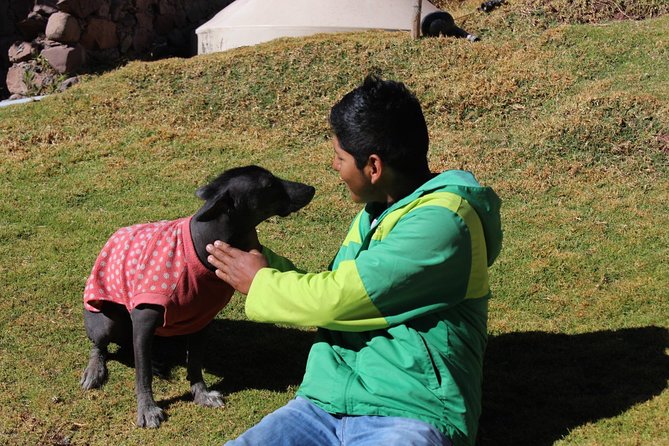
The direct encounters can be enjoyable, but the animals should not be treated as props. If staff allow feeding or touching, follow their instructions closely. If an animal is shy or kept at a distance, that is part of responsible care, not a failure of the visit.
The shop at the end adds a practical way to support the project. Products made from alpaca are sold there, with half of the sales going to animal care and half to farming communities around the sanctuary. You can buy something useful while helping the sanctuary remain financially sustainable, since it does not receive government support according to the information provided.
Is $34 a fair price?
At $34 per person, the experience offers transport, a guide, admission, and a two to three-hour outing. For a private group of up to 10, that is a reasonable price if you value a simple pickup service and a more personal tour.
The value is less about the number of animals you see and more about the quality of the visit. A large animal park might offer more exhibits, but this stop is focused on rescue, education, and direct support for a local project.
The one-hour sanctuary visit also keeps the cost in perspective. You are not paying for a full-day excursion or a major wildlife expedition. You are paying for a compact activity that fits neatly into a Cusco itinerary and gives you a meaningful break from ruins, churches, and city streets.
If you are watching every sol, you could decide that a longer day trip offers more sightseeing for the money. If you want an easy, purpose-led activity with pickup and a small group, the price makes sense.
Who will enjoy this visit most?
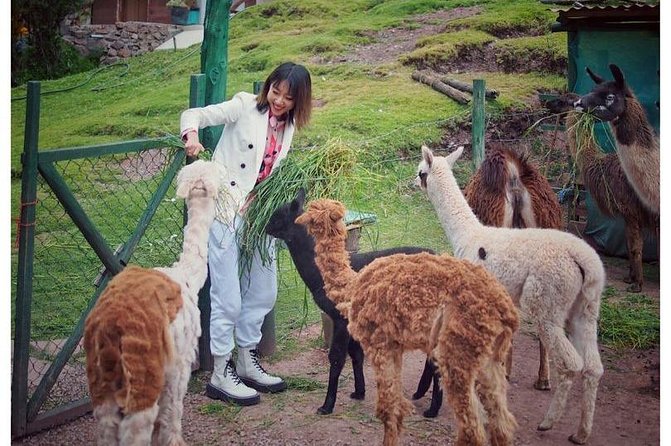
I would recommend Cochahuasi Animal Sanctuary to animal lovers, families, and anyone who wants to add a quieter, more personal activity to a Cusco stay. It is also a good match for visitors who want to support a local conservation effort rather than spend every day at major archaeological sites.
Children may especially enjoy the alpacas, llamas, birds, and monkeys. The educational message gives parents a way to turn the outing into a lesson about wildlife protection, not just a series of animal pictures.
The visit can also suit you if you have limited time. With pickup, a one-hour sanctuary stop, and a flexible return, you can fit it around other plans. The two to three-hour estimate leaves more room in your schedule than most full-day trips from Cusco.
I would be more cautious if your main goal is to see animals in the wild. This is a rescue sanctuary, not a wilderness trek. You will see animals in human care, and the experience focuses on their stories and wellbeing.
Practical details that make the day easier
Confirmation is provided at booking, and most people can participate. The experience requires good weather, so a poor-weather cancellation may lead to a different date or a full refund.
You can cancel for a full refund up to 24 hours before the start time. Changes or cancellations made less than 24 hours before the activity are not accepted for a refund, and the cut-off follows local time in Cusco.
I would confirm three things before setting out: your exact pickup point, the morning pickup time, and whether you will return to your accommodation or Cusco’s main square. These details are flexible, but agreeing on them early should prevent confusion.
Bring a phone if you need to contact the operator, especially since pickup can be arranged through WhatsApp. Wear practical clothing for an outdoor animal visit, and keep your camera ready for the condors, birds, and other animals, while respecting any rules about photography and contact.
Should you book Cochahuasi Animal Sanctuary?
Book it if you want a short, personal animal-care experience with hotel pickup, an English-speaking guide, and a clear educational purpose. The chance to hear individual rescue stories from a guide such as Albert, feed alpacas, and possibly see a condor overhead gives the visit more meaning than a quick photo stop.
Skip it if you want a long wildlife excursion or animals roaming entirely free. The sanctuary visit is compact, and close contact is controlled by staff.
For most people with a spare morning in Cusco, I see this as a worthwhile addition. You get an easy outing, support a project that receives no government funding, and leave with a better understanding of the animals behind the enclosures.
FAQ
Where is Cochahuasi Animal Sanctuary?
The sanctuary is located near Cusco, Peru. The listed meeting point is Selina Cusco Saphi at C. Saphy 601, Cusco 08002.
Does the tour include pickup from my accommodation?
Yes. Pickup can be arranged from your hostel, Airbnb, or another agreed location. You can also meet at the listed starting point.
How long does the activity last?
The full activity lasts approximately two to three hours. The sanctuary visit itself is listed at about one hour.
Is the tour offered in English?
Yes. The activity is offered in English.
How many people can join the tour?
The maximum group size is 10 people. The experience is described as a private tour.
Which animals might I see?
The sanctuary houses animals including monkeys, macaws, turtles, deer, deer cats, alpacas, bears, wild cats, foxes, and condors. The exact animals visible during your visit may vary.
Can I feed or touch the animals?
Feeding birds, alpacas, monkeys, and llamas has been part of the experience, and touching a toucan has also been possible. Staff control these interactions, so follow their directions on the day.
Where does the tour end?
The activity can end at your accommodation or at Cusco’s main square, depending on the arrangement. The listed meeting point is also shown as the end point.
What happens if the weather is poor?
The experience requires good weather. If it is canceled because of poor weather, you will be offered another date or a full refund.
Recently added around Cusco
- Palcoyo colored mountain hike + stone forests★ 4.6 · 3 reviews
- Maras Moray★ 5.0 · 3 reviews
- From Cusco: Vinicunca Mountain of Colors Excursion + Ticket★ 5.0 · 3 reviews
- Full-Day Condor Viewpoint & Inca Sites Tour★ 5.0 · 3 reviews
- Excursion Cusco – Puno – Titicaca Observatory Train★ 5.0 · 3 reviews
- Machu Picchu: Private Tour Guide Service for up to 15 people★ 4.5 · 3 reviews
- Machu Picchu: 1-day tour by Vistadome Observatory train★ 5.0 · 3 reviews
- Cusco: Chonta Canyon and Condor Flight Tour with Lunch★ 5.0 · 3 reviews
Cusco Tours, compared.
Humantay Lake Tour with Breakfast and Buffet Lunch
Read our review →
Sacred Valley & Maras Salt Mines Tour with Lunch
Read our review →
Moray, Maras Salt Mines & Chinchero Weavers Tour
Read our review →


Half-Day City Tour with Sacsayhuaman and Q’enco
Read our review →
Sacred Valley, Pisac, Ollantaytambo, Salt Mines Moray
Read our review →