
Reviewed · CUSCO TOURS
3-Day Eco-Sustainable Private Tour Manu National Park
Manu is at its best when you slow down and let the forest reveal itself. This three-day private tour moves from Cusco’s highlands through cloud forest and into the upper Madre de Dios region, with river travel, jungle walks, a lagoon, and nighttime wildlife watching. I like the mix of activities, especially the wooden-raft outing at Machuwasi Lagoon and the chance to search for cock-of-the-rock, monkeys, capybara, caimans, and nocturnal animals. I also like the strong guiding record, with guides such as José, Alex, Marco, Michel, and Nicholas praised for spotting wildlife and explaining the plants and animals.
The main catch is time. Three days gives you a lively introduction, but a long first day and a long return day leave limited hours in the forest. Lodging and food are comfortable enough for a jungle trip, yet one account described both as moderate, so you should choose this tour for access to nature rather than resort-style comfort.
Key points to know before you go
- The journey begins early: Hotel, airport, bus station, or meeting-point pickup runs from about 5:30 to 6:00 AM.
- The route changes dramatically: You move from Cusco toward the Kosnipata Valley, cloud forest, and the upper Madre de Dios River.
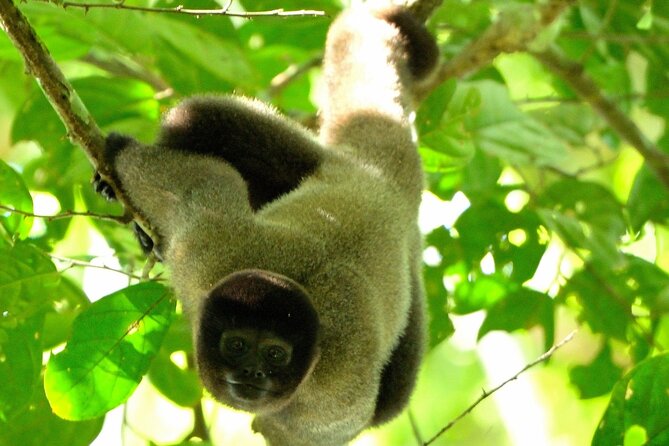
- Wildlife watching is the focus: A telescope and binoculars help with birds, monkeys, capybara, caimans, and other forest life.
- The night walk adds a different mood: Armadillos, snakes, toads, and nocturnal monkeys may appear after dark.
- This is a private trip: Only your group participates, so the guide can adjust the pace and respond to your interests.
- The price covers the basics: At $389 per person, private transport, meals, lodging, equipment, entrance fees, boots, and guiding are included.
From Cusco to the Kosnipata Valley
Your first day starts before most of Cusco is fully awake. Pickup is scheduled between 5:30 and 6:00 AM from your hotel, the airport, the bus station, or the stated meeting point near Plaza de Armas. Since breakfast on day one is not included, arrange something before departure or bring food for the road.
The route first takes you toward Paucartambo and the funerary tombs of Ninamarca. This gives the morning a cultural and archaeological element before the forest becomes the main attraction. The journey is not a quick transfer. The description places the trip to the Manu area at about four hours from Cusco, and the full day includes mountain roads and changing elevations.
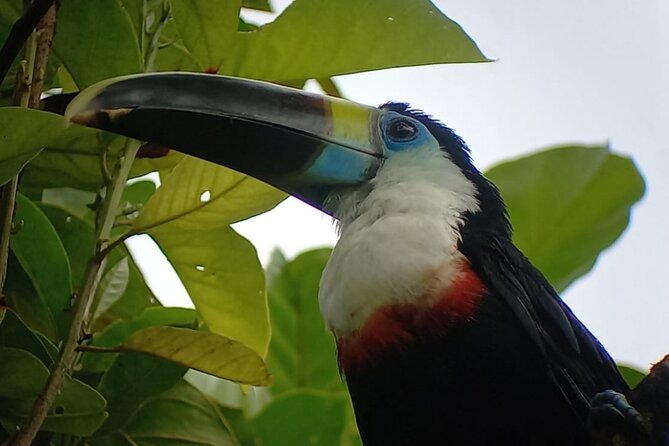
The Kosnipata Valley is where the scenery and wildlife begin to shift. In the cloud forest, you may look for the Andean cock-of-the-rock, quetzals, and other highland birds. The tour also lists two monkey species in this part of the route. Your guide carries binoculars and a telescope, which matter here because many birds stay high in the trees or move quickly through thick growth.
I like this opening because it shows you that Manu is not only one type of forest. You see a gradual change from the Cusco region into wetter, warmer country. The road time can feel long, though, particularly if you are expecting three full days of jungle walking. Think of day one as both a scenic transfer and an early wildlife outing.
more Cusco days to weigh up
- 4 Day Tour to the Manu National Park
★ 5.0 · 81 reviews - Manu National Park Tour 4days/3night
★ 5.0 · 69 reviews - From Cusco: 4-Day Manu National Park Guided Tour
★ 4.6 · 48 reviews
A private guide changes the pace
Private travel is one of the better features here. Your group is not combined with strangers, and the guide can spend more time on the animals or plants that interest you. If you care about birds, you can ask for more pauses with the telescope. If your group prefers walking, the guide can focus on the two to three-hour trail outings listed for the trip, subject to local conditions.
Guide quality will shape this experience more than almost anything else. José is described as a biologist and a guide with more than 25 years of experience. Other praised guides include Alex, Marco, Michel, Nicholas, Taz, Edson, and José in several separate accounts. Their strongest shared skill is finding small or distant animals, then helping you understand what you are seeing.
That distinction matters in a rainforest. You may see plenty of trees without an experienced eye pointing out a bird, snake, monkey, or track. A guide who knows the forest can also explain medicinal plants, fruit trees, coca, bananas, and the cultural and political background of the region.
The operation has worked since 1993 and presents the trip as socially and environmentally responsible. The stated aim is to support environmental protection and native communities. You should still treat the forest carefully: stay with your guide, avoid loud behavior near wildlife, and leave plants and animals where you find them.
Reaching Manu and the upper Madre de Dios
Day two brings you farther into the Manu region. The stated bus ride to Atalaya takes about 45 minutes, and along the way you may see native plants, fruit trees, coca plantations, bananas, and medicinal plants. This section helps connect the forest to the people who use it, rather than presenting the jungle as scenery with no human story.
From Atalaya, you board a boat for the river portion of the trip. The upper Madre de Dios gives you a much closer view of the forest than a road can. River travel also breaks up the walking and lets you watch the banks for birds, capybara, small caimans, and monkeys.
The tour includes time to relax in thermal baths. That is a welcome pause after the early start and road travel. It also keeps the day from becoming a nonstop wildlife chase. You will have several different settings in a short span, but the schedule may feel full if you prefer long, quiet periods in one place.
The boat ride is an important part of the value. At $389 per person, you are not paying only for a guide and a vehicle. You are getting private transport from Cusco, river access, lodging, meals, equipment, and a series of activities that would be difficult to arrange independently in three days.
Machuwasi Lagoon by wooden raft
One of the most distinctive outings is at Machuwasi Lagoon, where you use wooden rafts to move across the water. The tour describes the lagoon as a place for observing native birds, capybara, and monkeys. Raft travel should be calm and quiet, making it useful for watching animals along the edges.
This is a good example of an activity that adds more than simple sightseeing. A boat with an engine gets you from one point to another, while a raft slows the experience down. You can listen, scan the vegetation, and let the guide direct your attention. Bring patience. Wildlife is not placed on a timetable, and a lagoon outing may produce a quick glimpse rather than a guaranteed close view.
Day two also includes a two-hour forest walk. The trails offer a chance to study primary trees, insects, plants, and animal signs at ground level. This is where a moderate fitness level becomes important. You do not need an extreme athletic background, but you should be ready to walk for a few hours in a warm, humid forest and manage uneven ground.
Rubber hiking boots are included, which is useful in wet conditions. Pack lightweight clothing, insect protection, and a waterproof way to protect your phone and camera. The operator provides mineral water during the tour, but water on the first day is not included, so plan for that separately.
Somewhere else entirely, still within reach of Cusco:
- Cusco: Humantay Lake Tour with Breakfast and Buffet Lunch
★ 4.9 · 2,976 reviews - From Cusco: Sacred Valley & Maras Salt Mines Tour with Lunch
★ 4.8 · 2,227 reviews - From Cusco: Moray, Maras Salt Mines & Chinchero Weavers Tour
★ 4.8 · 1,925 reviews - From Cusco: Full-Day Group Tour of Machu Picchu
★ 4.7 · 1,767 reviews
The night walk is worth protecting
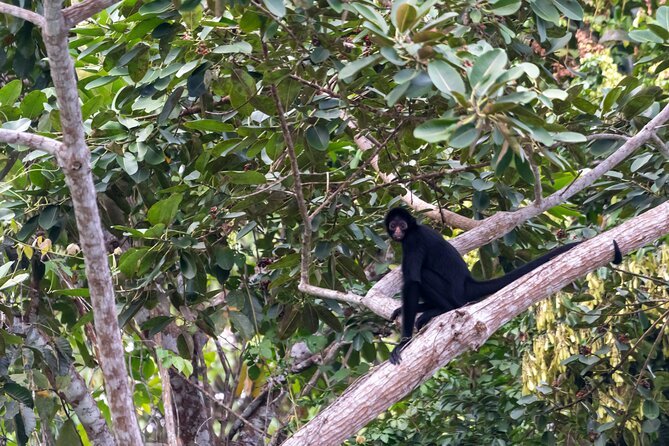
After dinner, the tour offers a free night walk. This is one of the strongest reasons to choose the trip instead of a simple daytime forest excursion. The forest feels different after dark, and the search changes from colorful birds in the canopy to movement, sound, and reflective eyes.
Possible sightings listed for the walk include armadillo, snakes, toads, and nocturnal monkeys. You may also find insects and other small creatures that remain hidden during daylight. The guide’s role is especially important here, since the forest can look empty until someone points out a camouflaged animal.
Do not expect a guaranteed list of species. Even the best guide cannot control rain, animal movement, or visibility. One account described seeing a water snake, tarantula, cock-of-the-rock, brown capuchin monkey, hoatzin, and tapir footprints despite poor weather. That is a useful reminder that tracks and brief sightings are part of a real wildlife trip.
I would bring a small flashlight even though the tour information does not specify one, but do not treat that as included equipment. Keep your hands and feet where your guide tells you, and use the supplied boots. The night walk is not a staged show, and a little caution improves the experience.
Morning at the parrot clay lick
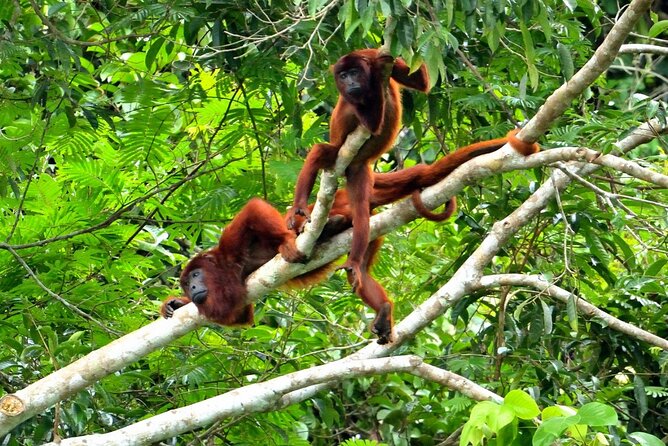
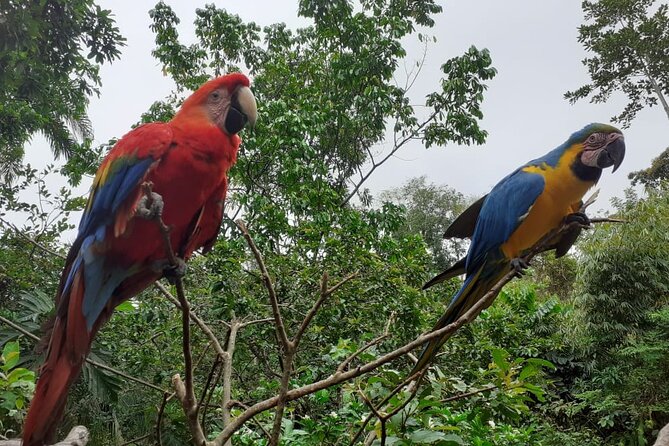
The final morning centers on a visit to a parrot clay lick. Clay licks are valued for bird watching, and this early outing gives the last day a clear purpose before the return journey. The schedule lists about three hours for the Manu portion, followed by a boat ride back to Atalaya and the bus journey toward Cusco.
Bird activity depends on weather and timing, so you should approach the clay lick as an opportunity, not a promise of a perfect spectacle. Your guide’s telescope and binoculars can help you identify birds at a distance. If you are interested in photography, the equipment is useful for seeing details, but you should not assume the tour includes professional camera support.
The return to Cusco is expected around 5:00 to 6:00 PM. That makes this a demanding final day. Do not schedule a tight evening flight or an important appointment unless you have plenty of extra time. Roads and weather can affect the return, and the stated arrival window already covers an hour.
Lodging, meals, and practical comfort
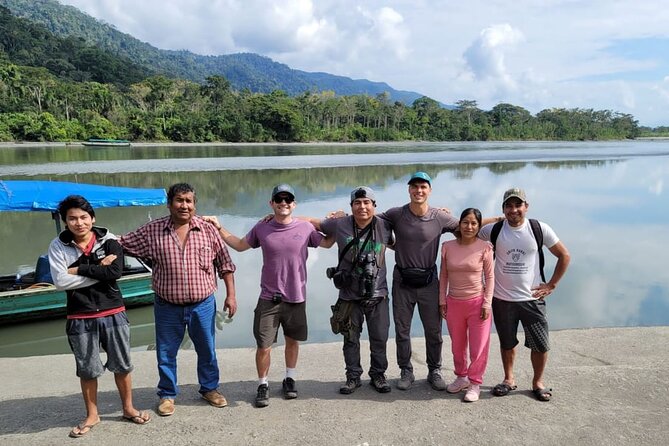
The package includes lodging in comfortable hostels with private bathrooms. That is a useful standard for a short rainforest trip, since you can expect a proper room rather than camping. At the same time, comfort in a remote jungle setting is not the same as a city hotel. One piece of feedback described the accommodation and food as moderate, while other accounts found the lodge clean, the facilities functional, and the meals good.
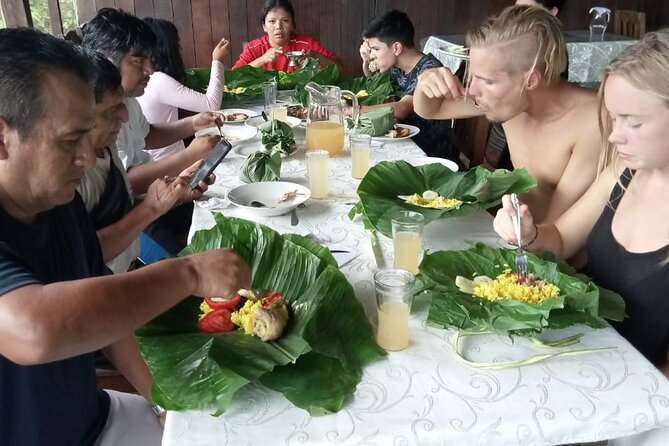
A professional cook prepares two dinners, three lunches, and two breakfasts. The first breakfast is not included because the tour begins before the main departure. If you have allergies or dietary needs, tell the operator ahead of time. José is specifically praised for accommodating food allergies, but advance notice gives the cook a better chance to plan.
Mineral water is provided throughout the tour except on the first day. Alcoholic drinks are not included. Solar panels are available for recharging batteries, which is handy for a phone, camera, or headlamp, but you should not expect unlimited power for several devices at once.
The tour also includes a first aid kit and rubber hiking boots. These inclusions reduce the amount of specialist gear you need to bring. You still need personal clothing, toiletries, insect protection, sun protection, and any medication you use.
How the $389 price measures up
At $389 per person, this is a reasonable package for a private three-day journey that combines transport from Cusco with lodging, meals, a cook, a guide, park-related admission costs, river trips, and equipment. The value is strongest if you are short on time and do not want to coordinate separate vehicles, accommodation, boat transfers, and wildlife outings.
The price is less compelling if you expect luxury, long relaxed stays, or a guarantee of rare animals. This is an active access trip. Much of your time goes into getting from Cusco to the forest and back, and the accommodation is practical rather than polished.
The private format helps justify the cost. A small personal group can ask questions, adjust the pace, and spend more time looking when the guide spots something. The 4.7 rating from 41 ratings and 95 percent recommendation figure point to a dependable experience, but the nature of the trip still depends on road conditions, weather, and animal behavior.
The tour is often booked about 52 days ahead. That suggests you should reserve early if your Peru schedule is fixed, especially if you need a private departure on particular dates. Free cancellation is available up to 24 hours before the local start time. Changes or cancellations inside that window are not accepted for a refund.
Who should choose this Manu trip
I would recommend it to you if you want a short introduction to the Amazon from Cusco and care more about wildlife and local guiding than polished facilities. It suits bird watchers, first-time jungle visitors, photographers, couples, families with active older children, and anyone who wants a private schedule.
It also works well for people who enjoy variety. In three days you may visit archaeological sites, cloud forest, river, thermal baths, lagoon, jungle trails, a clay lick, and a night forest. That range gives you a broad taste of the region.
I would hesitate if you dislike early mornings, long road journeys, humidity, uncertain weather, or basic remote accommodation. You also need moderate physical fitness for the walks. If you have more time, a longer Manu stay would give you more chances for wildlife sightings and less pressure on the schedule.
Should you book it?
Book this tour if you want the most activity possible in three days and value a private guide who can help you find animals that you would likely miss alone. The combination of cloud forest, river travel, Machuwasi Lagoon, night walking, and the parrot clay lick gives you a lot of variety for the price.
Skip it if you want a slow, luxurious jungle holiday or cannot spare a full day for the long return to Cusco. For everyone else, this is a practical and genuinely nature-focused way to reach Manu, provided you pack for wet conditions, accept simple comforts, and give wildlife the final say.
FAQ
Where does the tour start?
Pickup is offered from your hotel, airport, bus station, or the meeting point near Plaza de Armas in Cusco. The scheduled pickup time is about 5:30 to 6:00 AM.
Where does the tour end?
The tour ends back at the meeting point in Cusco, with an expected arrival of approximately 5:00 to 6:00 PM on day three.
Is this a private tour?
Yes. Only your group participates in the activity, and private transportation is included.
What meals are included?
The tour includes two breakfasts, three lunches, and two dinners. Breakfast on the first day is not included.
Is water provided?
Mineral water is provided throughout the tour, but water on the first day is not included. Alcoholic drinks are also excluded.
How physically demanding is the tour?
A moderate level of physical fitness is recommended. The schedule includes jungle walks lasting about two to three hours, as well as boat and raft outings.
Recently added around Cusco
- Palcoyo colored mountain hike + stone forests★ 4.6 · 3 reviews
- Maras Moray★ 5.0 · 3 reviews
- Full-Day Condor Viewpoint & Inca Sites Tour★ 5.0 · 3 reviews
- From Cusco: Vinicunca Mountain of Colors Excursion + Ticket★ 5.0 · 3 reviews
- Excursion Cusco – Puno – Titicaca Observatory Train★ 5.0 · 3 reviews
- Machu Picchu: Private Tour Guide Service for up to 15 people★ 4.5 · 3 reviews
- Machu Picchu: 1-day tour by Vistadome Observatory train★ 5.0 · 3 reviews
- Cusco: Chonta Canyon and Condor Flight Tour with Lunch★ 5.0 · 3 reviews
Cusco Tours, compared.
Humantay Lake Tour with Breakfast and Buffet Lunch
Read our review →
Sacred Valley & Maras Salt Mines Tour with Lunch
Read our review →
Moray, Maras Salt Mines & Chinchero Weavers Tour
Read our review →


Half-Day City Tour with Sacsayhuaman and Q’enco
Read our review →
Sacred Valley, Pisac, Ollantaytambo, Salt Mines Moray
Read our review →
Browse the lists this tour appears in