
Reviewed · LIMA TOURS
Pachacamac: Private tour of the Great Archaeological Sanctuary and Site Museum
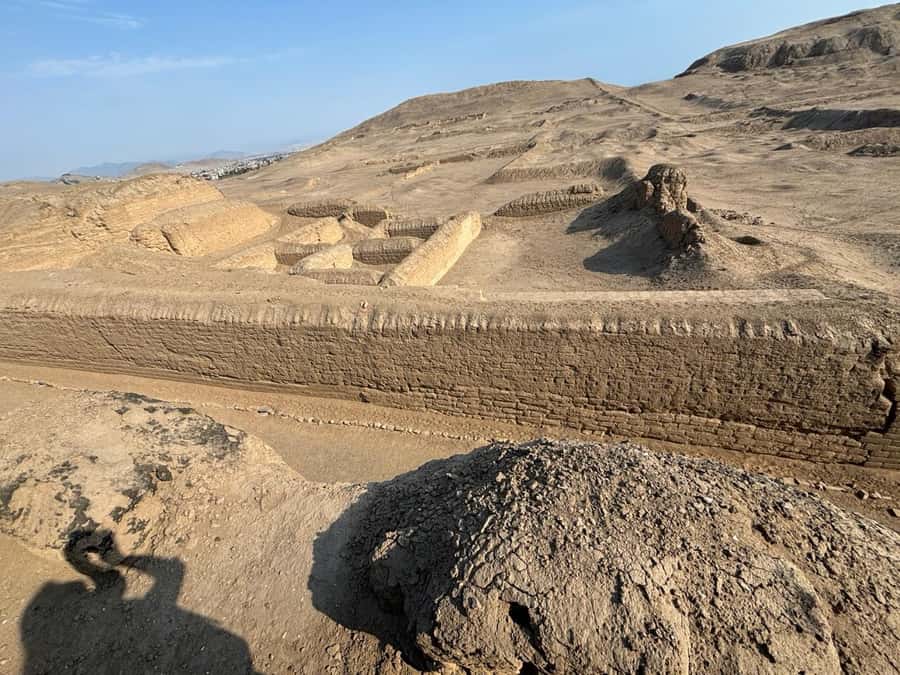
Pachacamac is the kind of place that makes Lima’s ancient past feel close at hand. This sacred ceremonial center spreads across the dry hills of Lurín, where temples, pilgrim paths, and wide views connect Peru’s pre-Hispanic cultures with the modern city.
I like the door-to-door pickup, and I like that the visit includes both the museum and the archaeological site. Guides such as Diana, Alberto, Gilbert, and Michael have brought useful detail to the experience. The main consideration is time: four and a half hours sounds generous, but the drive and several stops leave less time for a slow, independent look around.
Key points at a glance
- Museum first, ruins second: The site museum gives you objects and context before you walk among the temples.
- A real Qhapaq Ñan connection: The tour includes part of the ancient pilgrimage route, not just a quick photo stop.
- A city tour built around Pachacamac: You pass through Miraflores, Barranco, Chorrillos, and Lurín on the way.
- Named guides with different roles: Diana has guided the wider outing, while museum-based guides such as Alberto and Gilbert have led detailed site walks.
- Good views beyond the ruins: Chorrillos and Morro Solar add broad views over Lima and the coast.
- Easy walking, but bring a hat: The route is described as easy, yet sun and exposed ground make comfortable shoes and head cover useful.
Why Pachacamac is worth the trip from Lima
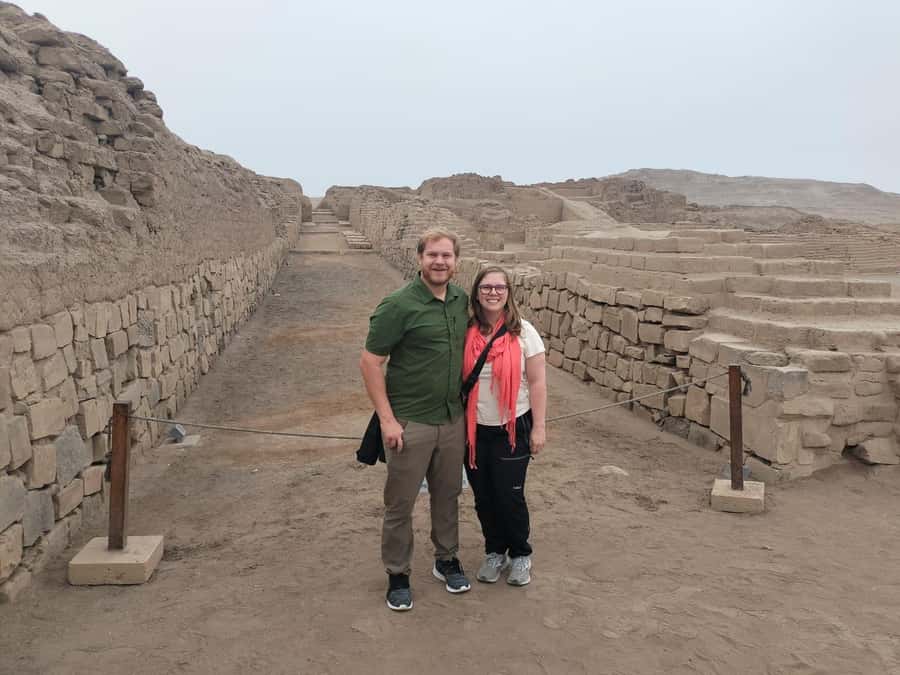
Lima can feel modern, busy, and outward-looking. Pachacamac gives you a different view of the city. This sanctuary was a major religious center, and people came here along the Qhapaq Ñan, the great road system that linked parts of the ancient Andes.
The appeal is not one single spectacular building. It is the sense of a large sacred zone, made up of temples, paths, plazas, and changing layers of occupation. You are not simply looking at old walls. You are trying to understand why people traveled here, what they worshipped, and how the site retained importance across different pre-Hispanic cultures.
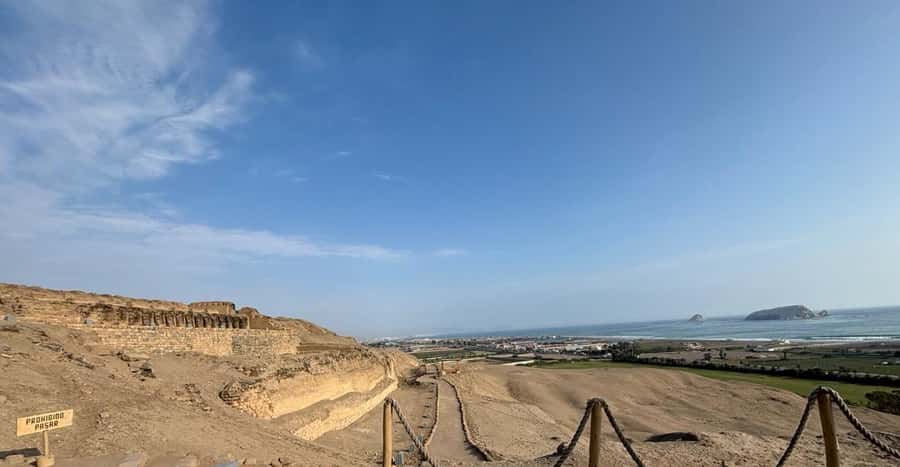
The setting also matters. Pachacamac lies south of central Lima in the Lurín area, where the dry climate gives the ruins a stark appearance. From higher points, you can look toward the city and surrounding terrain. The views help you see why this was a powerful place for ceremony and pilgrimage.
I would choose this outing if you want Peru’s history but do not have time to travel far from Lima. It brings together archaeology, local guiding, transport, and several city viewpoints in one half-day.
More Museum Tours in Lima
- Larco Museum, Pisco Old Tavern and Magic Water Circuit Evening Tour
★ 4.5 · 66 reviews - Pachacamac’s Inka Pyramids Tour including Museum Small-Group
★ 5.0 · 65 reviews - Lima in a Day: City Sightseeing Tour, Larco Museum and Magic Water Circuit
★ 4.5 · 63 reviews
From Miraflores to Chorrillos and Lurín
Pickup is available in Barranco and Miraflores, with hotel pickup also offered in Miraflores, Barranco, San Isidro, Lince, Cercado de Lima, and San Borja. You wait in your hotel lobby about 10 minutes before the scheduled time, and the guide approaches using the names on the booking.
The exact vehicle depends on group size. Transport is described as comfortable, air-conditioned, and spacious, and the group limit is 15 people. Some departures have operated with a van, while smaller bookings may feel more like a private outing. That distinction matters: the experience can be personal, but you should not assume every departure is a one-party private tour unless that is confirmed when you book.
The drive through Miraflores, Barranco, and Chorrillos gives the outing a useful city-tour element. You are not being whisked straight to the ruins with no sense of place. Instead, the route shows how Lima’s districts change as you move south.
Chorrillos is included as a scenic drive and viewpoint stop. The route may be especially useful if you have just arrived in Lima and want a quick orientation, though you should keep expectations realistic. This is a Pachacamac visit first, not a full guided tour of every neighborhood.
The Pachacamac Site Museum sets the scene
The museum is an important part of the visit, not a filler stop before the outdoor walk. It gives you a chance to see objects and displays connected with the sanctuary, then carry that information outside when you reach the temples.
I like this order. Archaeological sites can be hard to read when you only see adobe walls and open ground. The museum gives those remains a human and religious setting. You can look at the exhibits, hear the guide explain their purpose, and then recognize how the site’s buildings fitted into a larger ceremonial center.
Museum guiding can vary by departure. Alberto and Gilbert are among the official guides who have led detailed explanations inside the museum and around the ruins. Their role is especially useful if you want more than dates and names. A good museum visit should help you understand the objects, the rituals linked to Pachacamac, and the way different cultures used the sanctuary over time.
The museum is also a practical pause before walking outside. You can get oriented, listen to the main explanation, and decide how much detail you want from the rest of the visit. If you are especially interested in archaeology, stay focused here. The outdoor monuments are impressive, but the museum often supplies the clues needed to read them.
Walking the pilgrim route on the Qhapaq Ñan
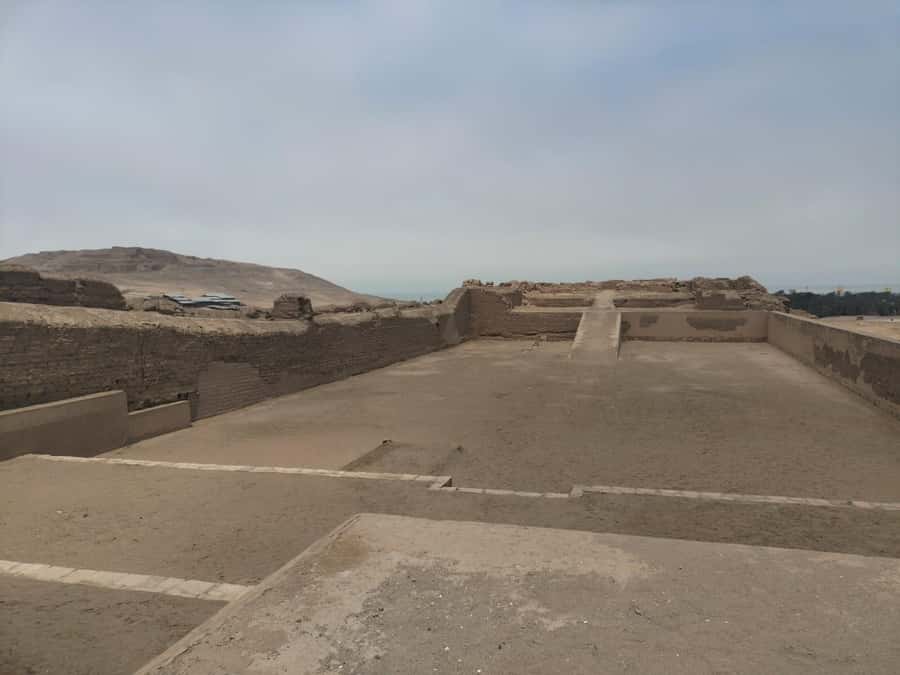
The tour includes the Qhapaq Ñan trail and a local guide on the route. This is one of its strongest features. You are not limited to viewing the sanctuary from a distant road or taking a quick photograph beside one wall.
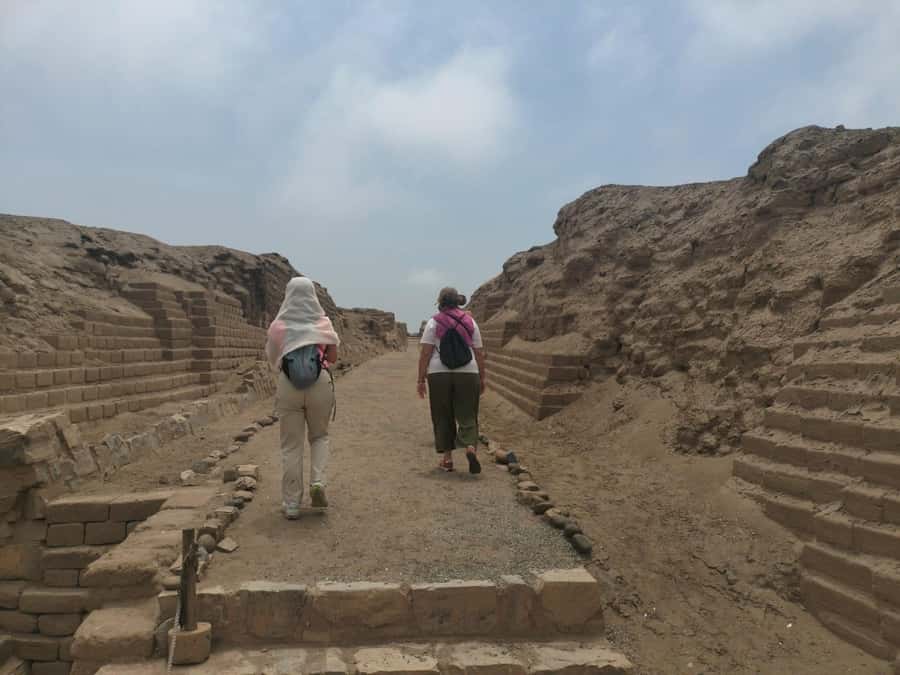
The pilgrimage route gives the site a human scale. Ancient worshippers did not experience Pachacamac as a collection of isolated buildings. They arrived, walked, waited, and moved through a controlled ceremonial space. Following part of that route helps you imagine the sanctuary as a destination reached after effort, not just an archaeological attraction beside Lima.
You should wear shoes that are comfortable for walking. The route is described as easy, but the tour still takes place on an archaeological site, with open paths and exposed ground. Bring a hat, especially if you are sensitive to sun. Food is not included, so plan to eat before or after the outing rather than counting on lunch during the visit.
The walking portion is guided, which is valuable here. Without explanation, a path can look like a simple track through dry terrain. With context, its position and purpose become clearer. Ask questions if you want to know how the route connected with the wider sanctuary, since this is where a local guide can add the most meaning.
more Lima days to weigh up
- Lima´s Vibrant Heritage & Larco Museum of Cultures Half Day Tour
★ 5.0 · 48 reviews - From Lima: Pachacamac Inka Pyramids & The Larco Museum Tour
★ 4.8 · 43 reviews - Lima: Huaca Ruins and Larco Museum at Night with Dinner
★ 4.9 · 35 reviews - Lima city tour: Larco Museum and Huaca Pucllana
★ 4.8 · 33 reviews
Temples, legends, and high views
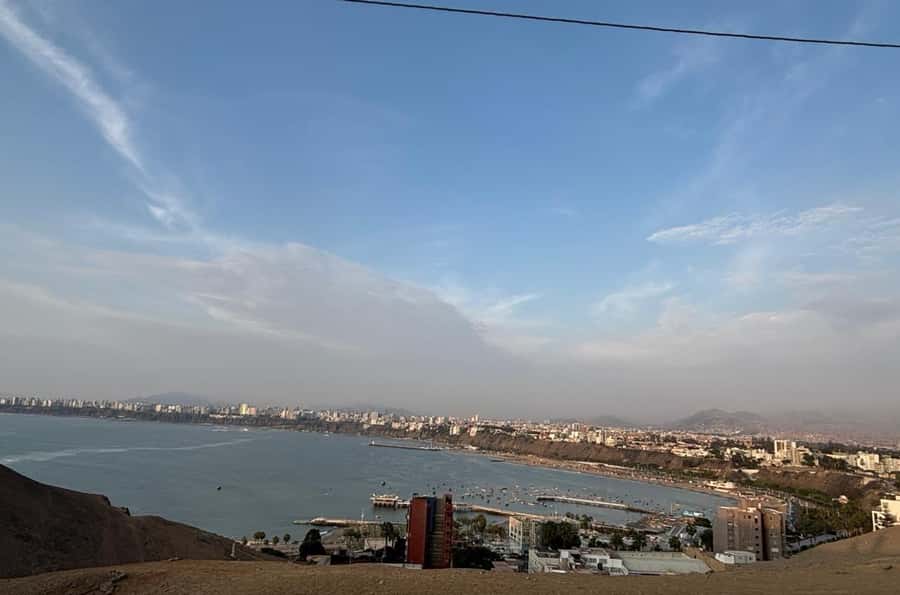
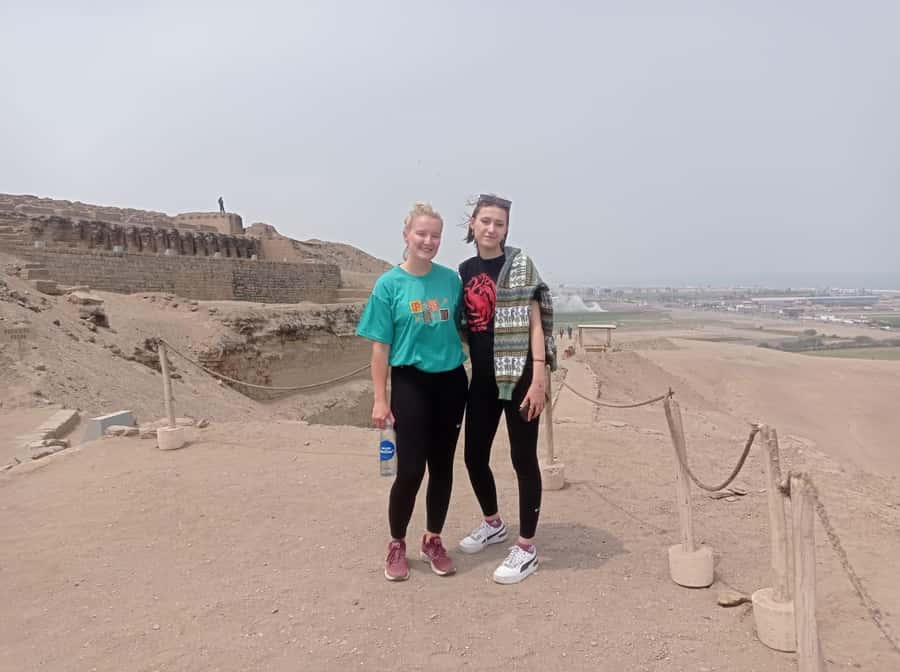
The outdoor visit can include the Painted Temple, the Temple of the Sun, and the Temple of the Moon. These stops give you a sense of the sanctuary’s range, from decorated religious architecture to buildings placed for commanding views.
The Painted Temple is particularly useful for understanding that Pachacamac was not always the plain, earth-colored site you see today. Its name points to the role of color and decoration in the original ceremonial setting. Some details have faded, but the idea of painted sacred architecture changes how you look at the remaining walls.
The Sun Temple brings the scale of the site into focus. From the higher areas, you can take in broad views across the sanctuary and toward Lima. The Temple of the Moon also adds a strong viewpoint, and the guide can connect the buildings with local legends and religious beliefs.
I would not expect every wall or temple to be open for unrestricted exploration. Archaeological sites require controlled routes, and the tour follows an organized path. That is a small tradeoff for having someone explain what you are seeing and for protecting fragile remains.
The views are not a minor extra. They show how Pachacamac relates to the wider area and make the visit more than a museum lesson. You get the ancient site under your feet, the modern city in the distance, and a clear sense of the sanctuary’s physical reach.
Morro Solar adds a different side of Lima
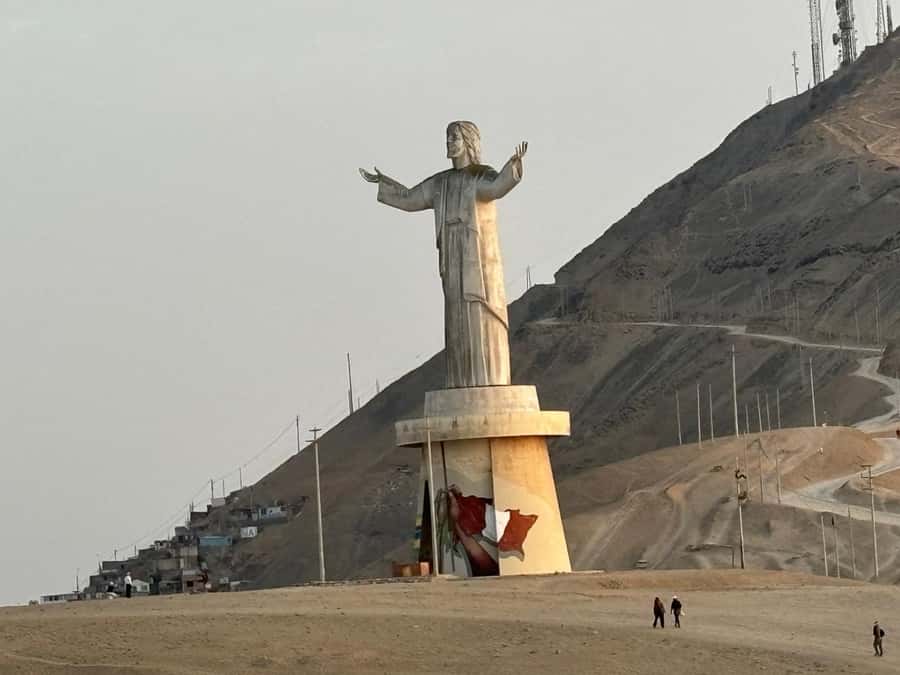
On the return route, the outing can include Morro Solar, a viewpoint in Chorrillos with broad views over the city. This changes the mood after the archaeological visit. Instead of looking across ancient temples from within the sanctuary, you look back toward Lima and see the city as a whole.
The stop is made on board, so it is not the same as a long walking visit. Still, it gives you a useful photograph and a geographic reference point. After Pachacamac, you can better appreciate how far south you have gone and how the ancient site fits into the modern Lima area.
This is also where the tour’s route-based format works well. You are not paying only for admission to Pachacamac. The transport links several districts, viewpoints, and the sanctuary without requiring you to arrange a taxi or navigate the southern route alone.
If you already know Miraflores, Barranco, and Chorrillos well, some of the city portion may feel familiar. In that case, tell the guide early that Pachacamac is your priority. One guest specifically found that the private format allowed the group to focus on the ruins and choose viewpoints they had not already seen. Flexibility depends on the day and group, but it is worth asking.
Guides can shape the whole experience
The guide team is a major part of the value. Diana has led the wider tour, including explanations of the Painted Temple, Sun Temple, Moon Temple, and their legends. Michael has handled driving duties on a private departure, while Alberto and Gilbert have guided visitors from the museum and along the site route.
Guide assignments may change, so you should not book expecting a specific person unless the operator confirms it. What matters is the division of roles. A city guide can explain the route and connect the districts with Pachacamac, while an official museum or site guide can focus closely on the archaeology.
The best approach is to treat the ride as a chance to set your priorities. Tell the guide if you want more time for the museum, more explanation of the Qhapaq Ñan trail, or more attention to photographs and viewpoints. The tour is already structured, but the small-group format may allow some adjustment.
The language options are Spanish, English, and French. Some material may appear in its original language, so ask for clarification whenever a label or explanation moves too quickly.
Is $82 per person a fair price?
At $82 per person, this is not the cheapest way to see Pachacamac. The price makes more sense when you count what is bundled in: hotel pickup and return, air-conditioned transport, entrance to the museum and archaeological site, access to the Qhapaq Ñan trail and inner Pyramid, guiding, and stops in the southern Lima area.
You are also paying for convenience. Pachacamac is outside the main tourist districts, and arranging transport on your own can add time and uncertainty. The guided route is useful if you want the site explained rather than simply photographed.
The value is strongest for a first visit to Lima, for anyone staying in the listed districts, and for people who prefer a planned half-day. It is less compelling if you already have transport, speak enough Spanish to follow site information independently, and want to spend several hours moving at your own pace.
The four-and-a-half-hour duration is a reasonable middle ground. You see the museum, walk the site, take in viewpoints, and return to your hotel without giving up an entire day. The drawback is that road time and city stops reduce the hours available at Pachacamac itself.
Who should book this outing?
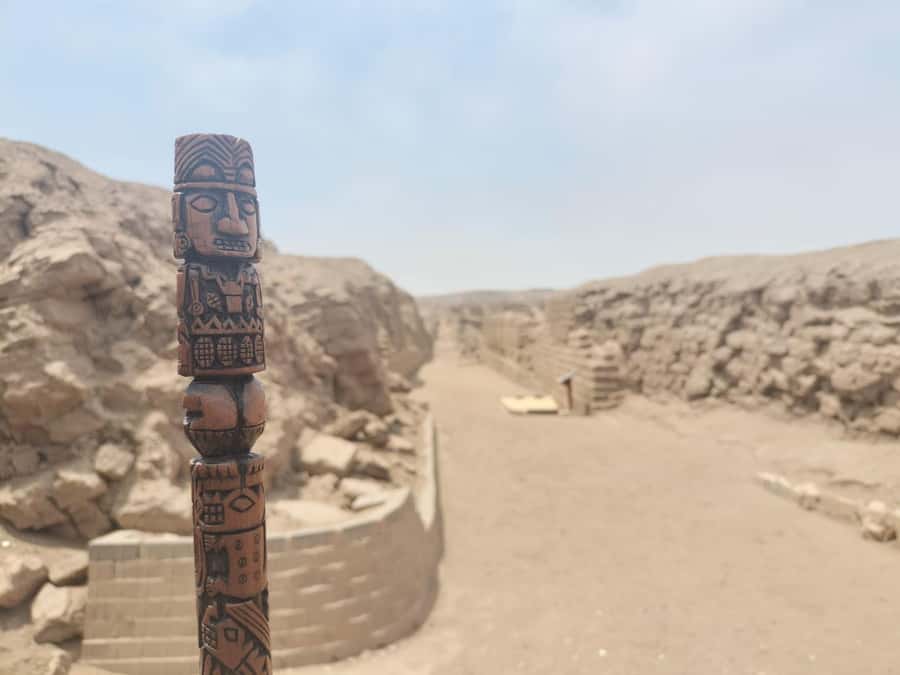
I would recommend it to first-time Lima visitors, history fans, photographers, and anyone who wants ancient Peru without leaving the capital for a full day. The easy walking route also suits people who want a manageable archaeological visit rather than a strenuous trek.
It works well for small groups that value a guide’s attention. Families and older adults may appreciate the hotel pickup, air conditioning, and organized route, though everyone should be comfortable walking outdoors and standing during explanations.
You may want another option if you prefer a long, unhurried museum visit, independent wandering, or a full lunch break built into the day. Lunch is not included, and the schedule is designed to cover several elements rather than let you linger at one temple.
The tour is wheelchair accessible, but non-folding and electric wheelchairs are not allowed. Confirm your equipment needs before booking. Smoking, alcohol, drugs, sharp objects, and other restricted items are not permitted, and smoking is not allowed in the vehicle or indoors.
Practical details before you go
Wear comfortable shoes and bring a hat. The walking is easy, but the open setting can be sunny, and the visit includes a route on the archaeological grounds.
Pickup is included from hotels in Miraflores, Barranco, San Isidro, Lince, Cercado de Lima, and San Borja. The listed main pickup choices are Barranco and Miraflores, so provide your exact hotel details when reserving.
The tour lasts 270 minutes, with starting times subject to availability. The vehicle type changes with the number of participants, and the group can include up to 15 people.
Cancellation is free up to 24 hours before the activity for a full refund. You can also reserve now and pay later, which helps if your Lima plans are still moving around.
Should you book Pachacamac?
Book this tour if you want a well-organized half-day that combines ancient temples, a museum, the Qhapaq Ñan route, hotel transport, and Lima viewpoints. Its strongest point is the amount of interpretation packed into one outing, especially when the guide team gives the museum and ruins the attention they deserve.
At $82, it is a convenience-focused purchase rather than a budget excursion. I would choose it over arranging separate transport if Pachacamac is high on your list and you want the sanctuary explained in English, Spanish, or French. Just remember that the schedule includes driving, lunch is on your own, and a group departure may not offer the same freedom as a fully private car.
FAQ
Where is Pachacamac located?
Pachacamac is in the Lurín area of Lima Province, south of Lima’s central districts.
How long does the tour last?
The experience lasts 270 minutes, or four and a half hours.
Where does pickup take place?
Pickup is available from hotels in Miraflores, Barranco, San Isidro, Lince, Cercado de Lima, and San Borja. The listed pickup choices are Barranco and Miraflores.
Is hotel drop-off included?
Yes. The tour returns you to your hotel, with drop-off options in Barranco and Miraflores.
What languages are available?
The live guide service is available in Spanish, English, and French.
Is lunch included?
No. Food and lunch are not included.
What does the admission cover?
Admission includes the Pachacamac Museum and Archaeological Site, the Qhapaq Ñan trail, and the inner Pyramid.
How large is the group?
The activity is described as a small-group tour limited to 15 participants. The vehicle type can change based on the number of people.
Is the walking difficult?
The route is described as easy, but part of the tour involves walking at the archaeological site. Comfortable shoes are recommended.
Is the tour wheelchair accessible?
The tour is wheelchair accessible, but non-folding and electric wheelchairs are not allowed.
Can I cancel for a refund?
You can cancel up to 24 hours in advance for a full refund. Reserve-now, pay-later booking is also available.
Recently added around Lima
- Enjoy Lima Walking Historic Center, Plaza San Martin and Plaza de Armas★ 5.0 · 3 reviews
- From Lima: City tour Prehispanic + Colonial & Modern Lima★ 5.0 · 3 reviews
- Lima: City Sightseeing Panoramic Bus Tour★ 3.3 · 3 reviews
- City Tour Colonial and Modern Lima for 5 Hours★ 3.2 · 3 reviews
- Lima: Lunuhuaná Extreme All In + Cerro Azul + Rafting + ATV + Canopy★ 4.4 · 3 reviews
- Lima: Shanty Town Exploration★ 5.0 · 3 reviews
- Lima: Tour to Huaca Pucllana and Huaca Mateo Salado★ 5.0 · 3 reviews
- Lima: Historic Center Walking Tour with Pisco Sour Tasting★ 5.0 · 3 reviews
Lima Tours, compared.


Full Day Paracas Ica and Huacachina from Lima All Included
Read our review →
Lima’s Vibrant Heritage: Exploring the City’s Landmarks Half-day
Read our review →

Paracas and the Huacachina Oasis Guided Day Tour
Read our review →
The Charm of Barranco & Pre Inca Pyramid in Miraflores
Read our review →
Full Day to Paracas and Huacachina Desert Oasis
Read our review →
Pachacamac Ruins & Barranco Half-Day Guided Tour
Read our review →Browse the lists this tour appears in