
Reviewed · MARAS AND MORAY TOURS
Maras Moray
Moray’s great circular terraces and Maras’s white salt pools make an unlikely pair: one looks like a giant earthen bowl, the other like a mountain covered in small mirrors. This six-hour outing from Cusco gives you both without taking a full day.
I like the sensible pace and the way the tour mixes archaeology with living craft traditions at Chinchero. I also like the low $18 price for hotel pickup, transport, and a bilingual guide. The catch is that entrance fees add $27, and the Chinchero stop may focus more on a textile center than on free time in town.
Key points at a glance
- Moray’s circular terraces: See the unusual Inca agricultural site, built in deep, round steps rather than straight terraces.
- Maras salt pools: Visit roughly 3,800 salt-producing plots fed by mineral-rich mountain water.
- Chinchero textile stop: Watch natural dyeing methods used for llama and alpaca wool.
- Half-day timing: Leave around 8:30 a.m. and return to Cusco after about six hours.
- Helpful guide service: English and Spanish guiding is included, and guide Raul has been praised for patient translation and photo time.
- Extra costs to plan for: The tourist ticket costs $20, Maras admission costs $7, and food is not included.
Why pair Moray with Maras?
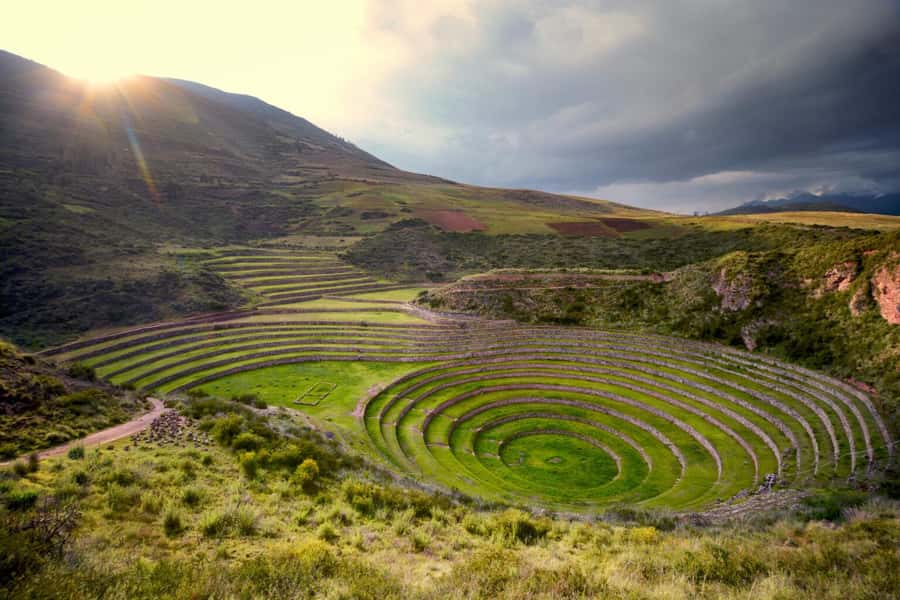
This tour works because the two main stops feel so different. Moray is about Inca farming and experimentation. Maras is about a working salt industry that still uses mountain water and hundreds of small evaporation ponds.
You get a useful change of subject every few hours. At Moray, you look into a huge bowl of terraces and think about crops, altitude, and engineering. At Maras, you see how salt is collected from water that emerges high in the Andes.
The route also adds Chinchero, where you can see wool being prepared and colored with natural materials. That extra stop gives the morning a human side, though it may not match your idea of a village visit. The stated plan describes a textile center, so you should expect a demonstration and a chance to see or buy products rather than a long independent walk through town.
more maras and moray mornings
- From Cusco: Sacred Valley & Maras Salt Mines Tour with Lunch
★ 4.8 · 2,227 reviews - From Cusco: Moray, Maras Salt Mines & Chinchero Weavers Tour
★ 4.8 · 1,925 reviews - Cusco: Sacred Valley, Pisac, Ollantaytambo, Salt Mines Moray
★ 4.6 · 1,058 reviews
The 8:30 a.m. pickup from Cusco
Pickup begins at about 8:30 a.m. from your hotel or accommodation. You should wait at reception five minutes early, since the guide will call your name.
The included tourist transport keeps the day simple. You do not need to arrange separate taxis between the sites, and the guide stays with the group to explain what you are seeing in English or Spanish.
The total outing lasts about six hours, making it a practical choice for a first or last full day in Cusco. You still have part of the afternoon available after returning to the city. That shorter format also helps if you want to visit another Cusco attraction later.
Keep one point in mind: your first day at altitude can affect your concentration. One person who joined the tour soon after arriving in Cusco found that the guide sometimes spoke a little fast while they were still adjusting. If you feel the same, ask the guide to slow down, especially during the longer explanations.
Chinchero and the work behind Andean textiles
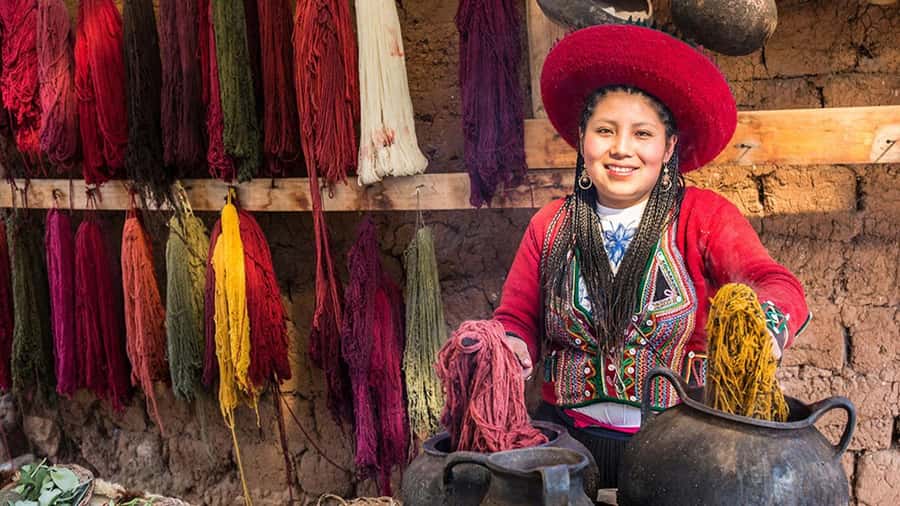
The first stop is Chinchero, a town known here for its traditional textile production. At a textile center, you can see how natural materials provide colors for wool, including llama and alpaca fibers.
This is more than a quick shopping pause when the process is explained well. You get a look at the steps behind the finished cloth: preparing wool, using plant or other natural materials for color, and working with methods passed down through generations.
I would treat this stop as a cultural demonstration rather than a full town tour. The plan allows you to see the textile process, but the actual visit may center on the workshop and its products. If you want free time to wander around Chinchero, confirm that with your guide at the start.
You should also decide in advance how you feel about shopping. The center sells wool goods, but you are not required to buy anything. The value of the stop is highest if you pay attention to how the colors are made and how the fibers are handled, rather than seeing it only as a place to browse souvenirs.
Moray’s circular terraces and the Inca farming puzzle
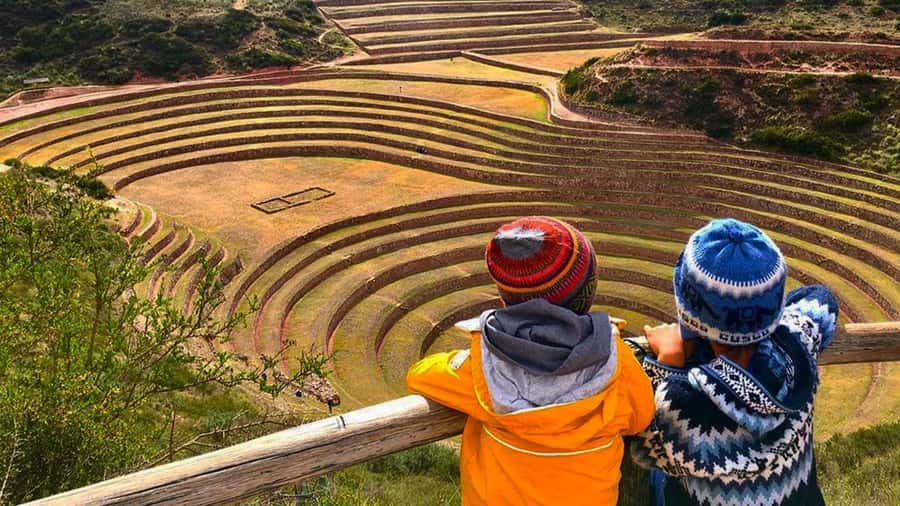
After Chinchero, the bus continues to Moray. The site is made of deep, circular terraces that look unlike the more familiar straight agricultural steps found elsewhere in the Andes.
The terraces descend in broad rings toward the center. Their exact role is discussed in terms of agricultural experimentation and the development or domestication of crops such as corn, potatoes, and olluco. The shape and depth make the site memorable even before your guide explains its possible use.
At Moray, listen for the connection between the terraces and Inca farming. The site shows that agriculture was not simply a matter of planting wherever land was available. The unusual design suggests careful attention to growing conditions and crop varieties.
You should have time to look around and take photographs. The pace has been praised as comfortable, with enough time at each stop. That matters at Moray because you need a few minutes to move between listening to the explanation, looking into the terraces, and taking in the surrounding mountains.
The view extends beyond the site itself. Mountain peaks and snow-covered summits appear around the terraces, and these high Andean peaks held sacred importance in Inca belief. Your guide can connect the physical setting with the idea of apus, or revered mountain deities.
Moray does not require high physical effort, but it is still an outdoor archaeological visit. Wear sports shoes with a firm sole, especially if the ground is uneven. The tour is not suitable for people with mobility impairments, so you should consider that limitation before booking.
Somewhere else entirely, still within reach of Cusco:
- Cusco: Humantay Lake Tour with Breakfast and Buffet Lunch
★ 4.9 · 2,976 reviews - From Cusco: Full-Day Group Tour of Machu Picchu
★ 4.7 · 1,767 reviews - Machu Picchu Day Trip from Cusco
★ 4.5 · 1,644 reviews - Cusco: Half-Day City Tour with Sacsayhuaman and Q’enco
★ 4.6 · 1,129 reviews
Maras salt pools and a working mountain industry
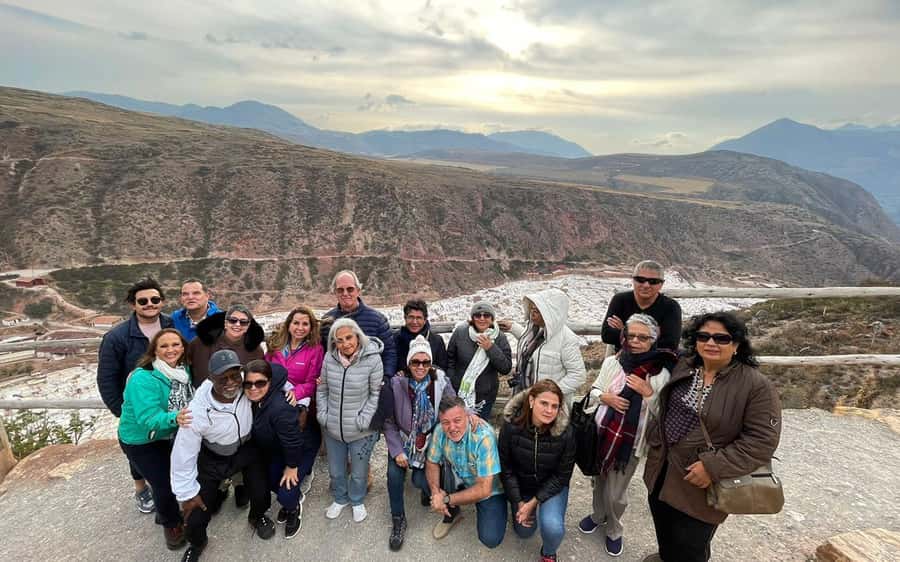
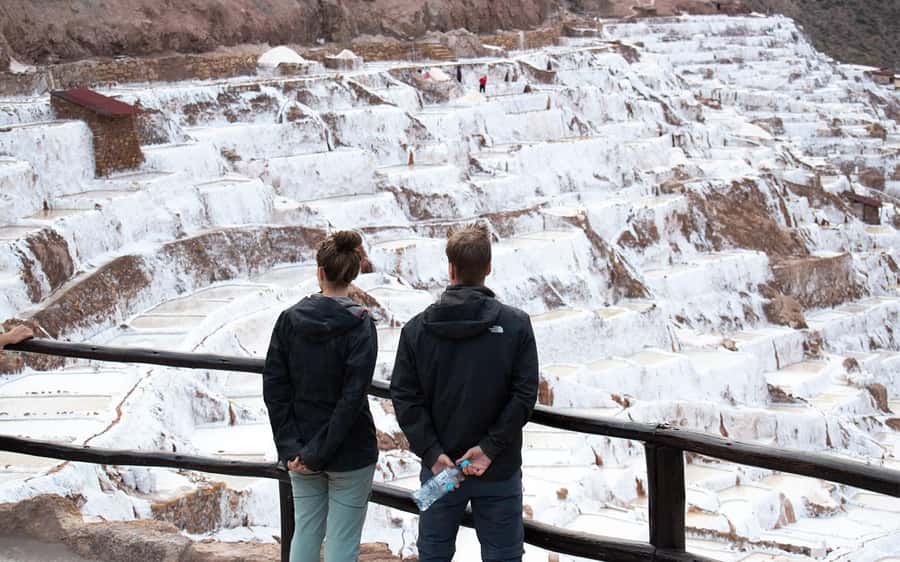
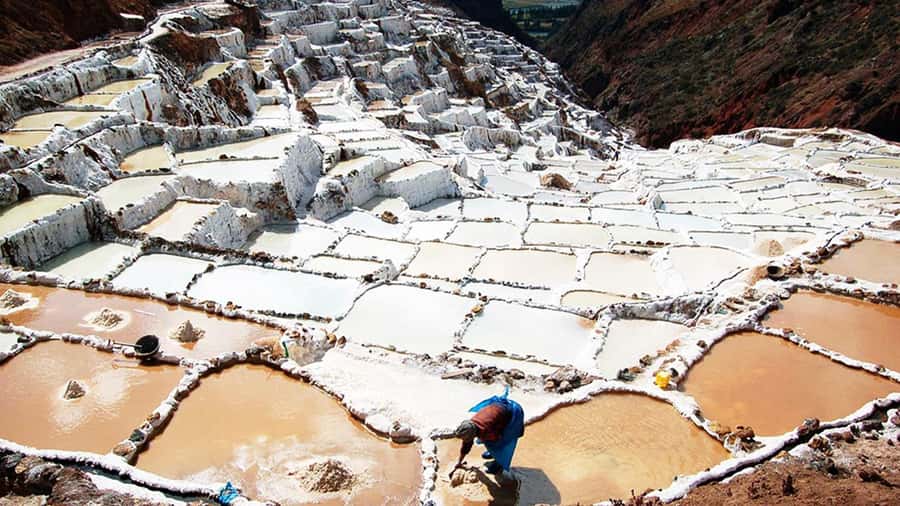
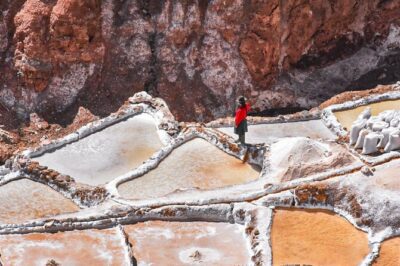
The final major stop is Maras, where salt is produced from mineral-bearing water flowing from the mountains. At more than 3,000 meters above sea level, the site contains about 3,800 salt-producing plots.
From a distance, the pools form a pale patchwork across the mountainside. Each small plot catches and evaporates water, leaving salt behind. The result is one of the most distinctive sights near Cusco, and the bright pools make a strong contrast with the earth-colored terraces at Moray.
The guide’s explanation matters here because the attraction is not only visual. You are seeing a method of salt production tied to the local water source and to the high-altitude setting. The pools are individual pieces of a larger working system, not simply decorative ponds built for tourists.
Bring your camera, but do not forget sunscreen. The high elevation and open setting can make the sun feel strong, even when the air is cool. Cash is also useful because the $7 Maras admission is not included in the tour price.
The stop can be especially good for photographs, but the route apparently passes other viewpoints without stopping. One useful improvement would be one or two short photo breaks along the road. If a particular mountain view catches your eye, ask whether the driver or guide can stop safely.
How much the $18 tour really costs
The advertised price is $18 per person. That covers hotel pickup, tourist transportation, and a professional guide in English or Spanish.
You should add the required entrance costs:
- Tourist ticket: $20
- Maras admission: $7
- Total listed site fees: $27
That brings the basic cost to about $45 per person before food, assuming both listed fees apply to your visit as described. Meals are not included, so bring a snack and a bottle of water for the half-day route.
At that total, the tour offers good practical value if you want the three stops without arranging transport yourself. A private taxi might give you more control over photo stops and time, but this outing includes a guide and a planned route. For solo visitors and couples who prefer a structured morning, the included transport can make the extra fees easier to accept.
The value is less clear if you already have a car and want to set your own schedule. You may also prefer another plan if your main goal is wandering around Chinchero, since this itinerary centers on the textile center rather than promising extended free time in town.
The guide makes a difference
The tour includes live guiding in English and Spanish. That is important at Moray and Maras, where a quick look does not explain why the sites matter.
Guide Raul has received particular praise for translating the explanations clearly into English. He also adjusted the rhythm when people wanted more time for photographs, explaining the site to the Spanish-speaking group first and then returning to give the English explanation.
That approach can help a mixed-language group, though it may mean waiting briefly for your explanation. If you need slower English, say so early. It is easier for the guide to adjust the pace when he knows that altitude or language is making the information harder to follow.
The guide also helps keep the outing from feeling rushed. You should have enough time at each main stop, while still returning to Cusco in roughly six hours. That balance is one of the strongest reasons to choose this format over a longer day trip.
What to bring for this high-altitude morning
Pack lightly, but bring the items that make outdoor sightseeing easier:
- Camera
- Sports shoes
- Cash for admissions and personal purchases
- Sunscreen
- Passport or identity card
- Personal medication
- Snack and bottled water
The tour does not call for strenuous hiking, but you will spend time outside at archaeological and salt-production sites. Comfortable shoes matter more than specialized gear.
Keep your passport or ID card with you because it is listed as an item to bring, and carry medication in your day bag rather than leaving it in the vehicle. A snack is worth packing since food is not included and the route lasts half a day.
Who will enjoy this tour most?
I would recommend this outing to you if you want Cusco-area sights in a compact format. It suits people who want archaeology, mountain scenery, local textile work, and an unusual working industry in one morning.
It is also a good fit if you prefer not to make a full-day commitment. The pace has enough room for photos and explanations, and the return to Cusco leaves time for other plans.
You should think twice if you need step-free access or have a mobility impairment. The tour is specifically not suitable for people with mobility impairments, and the sites are outdoor attractions rather than fully accessible indoor museums.
I would also be cautious if your first day in Cusco is already packed. Altitude can make even a low-effort outing tiring, and the explanations may feel fast while you are still getting used to the elevation. A little water, a slow morning, and realistic expectations will help.
Should you book Maras and Moray?
Book it if you want two of the most unusual nearby sights with a guide and transport, but do not want to spend a full day on the road. Moray gives you a striking Inca agricultural site, Maras offers a memorable view of salt production, and Chinchero adds a look at Andean textile work.
The strongest reasons to go are the six-hour schedule, the reasonable base price, and the guide service. Guide Raul’s patient English explanations and willingness to allow photo time are useful qualities, though the exact guide may vary.
Before paying, budget for the extra $27 in admissions and bring food and water. If you want long village walks or frequent roadside photo stops, this may feel a little structured. If you want a clear, efficient introduction to Moray and Maras from Cusco, it is a sensible choice.
FAQ
How long does the Maras and Moray tour last?
The tour lasts about six hours. Pickup begins at approximately 8:30 a.m., and the group returns to Cusco after visiting Chinchero, Moray, and Maras.
What is included in the $18 price?
The price includes hotel pickup, tourist transportation, and a professional guide in English or Spanish.
Are entrance fees included?
No. The listed costs are $20 for the tourist ticket and $7 for entrance to Maras. Food is also not included.
Is food provided during the tour?
No. You should bring a snack and a bottle of water because the outing lasts half a day.
What languages are available?
The tour provides a live guide in English and Spanish.
Is the tour physically demanding?
The tour does not require high physical effort. However, it is not suitable for people with mobility impairments.
Can I cancel the booking?
You can cancel up to 24 hours in advance for a full refund. You can also reserve now and pay later, according to the booking terms.
Recently added around Cusco
- Palcoyo colored mountain hike + stone forests★ 4.6 · 3 reviews
- From Cusco: Vinicunca Mountain of Colors Excursion + Ticket★ 5.0 · 3 reviews
- Full-Day Condor Viewpoint & Inca Sites Tour★ 5.0 · 3 reviews
- Excursion Cusco – Puno – Titicaca Observatory Train★ 5.0 · 3 reviews
- Machu Picchu: Private Tour Guide Service for up to 15 people★ 4.5 · 3 reviews
- Machu Picchu: 1-day tour by Vistadome Observatory train★ 5.0 · 3 reviews
- Cusco: Chonta Canyon and Condor Flight Tour with Lunch★ 5.0 · 3 reviews
- Cusco: Bean to bar chocolate workshop★ 5.0 · 3 reviews
Maras and Moray Tours, compared.

Sacred Valley & Maras Salt Mines Tour with Lunch
Read our review →
Moray, Maras Salt Mines & Chinchero Weavers Tour
Read our review →
Sacred Valley, Pisac, Ollantaytambo, Salt Mines Moray
Read our review →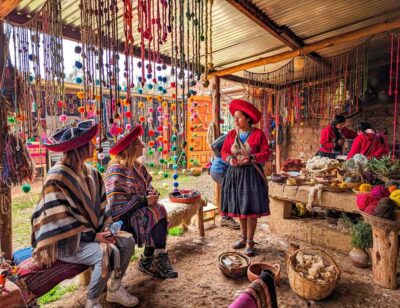
Chinchero,Moray & Salt Mines drop-off in Ollantaytambo
Read our review →

Moray, Maras Salt Mines & Chinchero Weavers Half-Day
Read our review →Browse the lists this tour appears in