
Reviewed · LIMA TOURS
Lima: Villa El Salvador Shanty Town Tour
Villa El Salvador is not a sightseeing stop in the usual sense. It is a working district born from a 1971 settlement, where families arrived without water, electricity, or drainage and gradually built an organized urban community. The most valuable part of this tour is the chance to hear that story while walking through the neighborhood itself, not from behind a museum display.
I like the small group of up to eight people, which gives you a better chance to ask questions and speak with residents. I also like the mix of history and daily life: yellow access stairs, a local market, a community kitchen, homes, and a weekday kindergarten all form part of the visit.
The main consideration is the walking. You must climb and descend stairs, and the tour is not suitable for wheelchair users. You should also expect roughly 80 to 90 minutes in the van, so this is best for you if you want a focused look at another side of Lima rather than a full day of major sights.
Key points to know before booking
- A 1971 settlement with an urban plan: Learn how Villa El Salvador grew from a basic human settlement into an established district of Lima.
- A guide-led visit with local voices: Guides including Maverick, Leonardo, and Nataly focus on community life, politics, religion, and recent Peruvian history.
- Real neighborhood stops: Visit a market, community kitchen, homes, and a kindergarten from Monday through Friday.
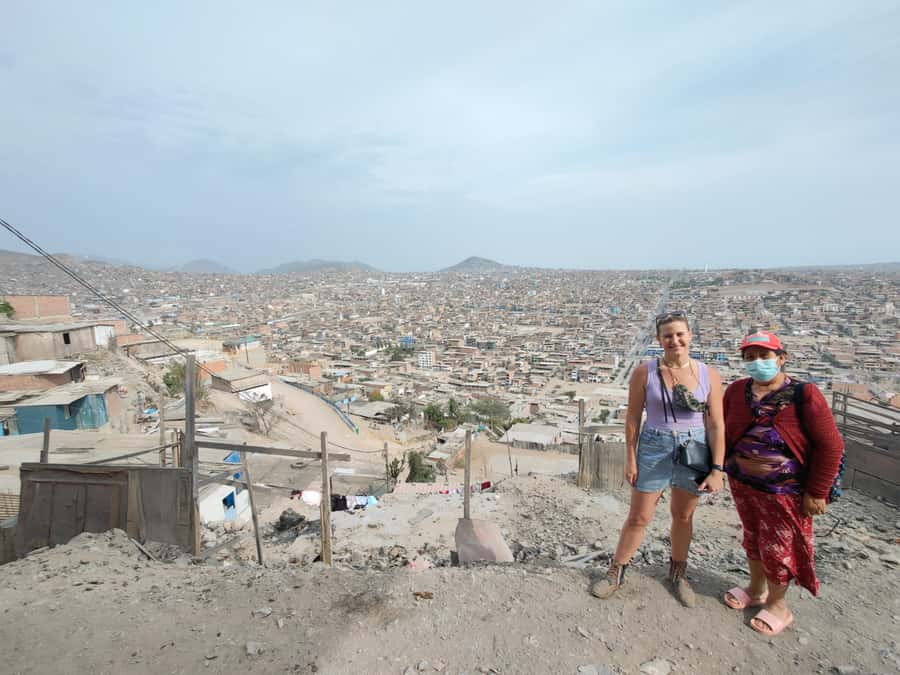
- Big views from the hill: Look across Lima, the Lurin Valley, and the Pacific Ocean from the higher parts of the community.
- A compact small-group format: Hotel pickup, transport, and a 70-minute walking visit fit into about three and a half hours.
- A physical but manageable outing: Comfortable clothes, water, sunscreen, and shoes suited to stairs will make the visit easier.
Why Villa El Salvador matters to your Lima trip
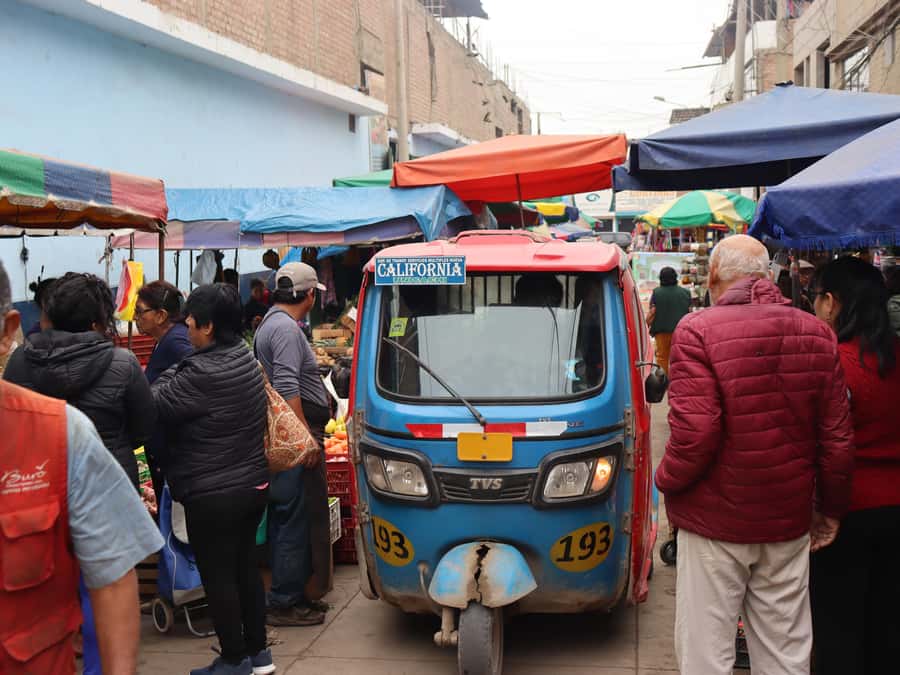
Lima can be easy to read as a city of colonial churches, coastal neighborhoods, restaurants, and museums. That picture is incomplete. Much of modern Lima grew through migration and informal settlement, as families came to the capital and created communities where services were scarce or absent.
Villa El Salvador began in 1971 when families settled on land without basic services. The early conditions were difficult: no water, drainage, or electricity. Over time, the district developed through an urbanization plan that helped organize streets and improve access for residents.
That story gives the tour its purpose. You are not simply looking at poor housing from a passing van. You are learning how a community was formed, how it organized itself, and how its residents built a functioning district over several decades.
The guide also places Villa El Salvador beside other large settlements that became districts of Lima, including San Juan de Lurigancho and Villa Maria del Triunfo. This wider context helps you see the district as part of the capital’s growth, not as an isolated curiosity.
I find that distinction important. A short visit can easily turn a neighborhood into a postcard of hardship. Here, the emphasis is also on development, organization, family life, and the people who shaped the area.
Other Lima days that pair with this one:
- Lima: Ultimate Peruvian Food Tour
★ 4.9 · 700 reviews - Full Day Paracas Ica and Huacachina from Lima All Included
★ 4.5 · 623 reviews - Lima’s Vibrant Heritage: Exploring the City’s Landmarks Half-day
★ 4.5 · 581 reviews
Hotel pickup from Miraflores, San Isidro, or Barranco
The tour includes round-trip pickup from centrally located hotels in Miraflores, San Isidro, and Barranco. These are the listed pickup and return districts, so you should check that your hotel falls within the central areas served before booking.
The drive to Villa El Salvador takes about 40 to 45 minutes by van. The return journey takes about the same time. Traffic in Lima can affect the exact timing, but the published total duration is 210 minutes, or three and a half hours.
This transport is a real part of the value. You do not need to arrange a taxi to a distant meeting point or work out the route on your own. Tolls and parking are included, as is a professional guide in English or Spanish.
The tradeoff is clear: a good portion of the outing takes place in transit. If you have only one day in Lima and want to pack in museums and historic sights, this may feel like a large time commitment. If you want to understand how the modern city developed beyond its polished central districts, the drive is worthwhile.
Walking into the community with a local guide
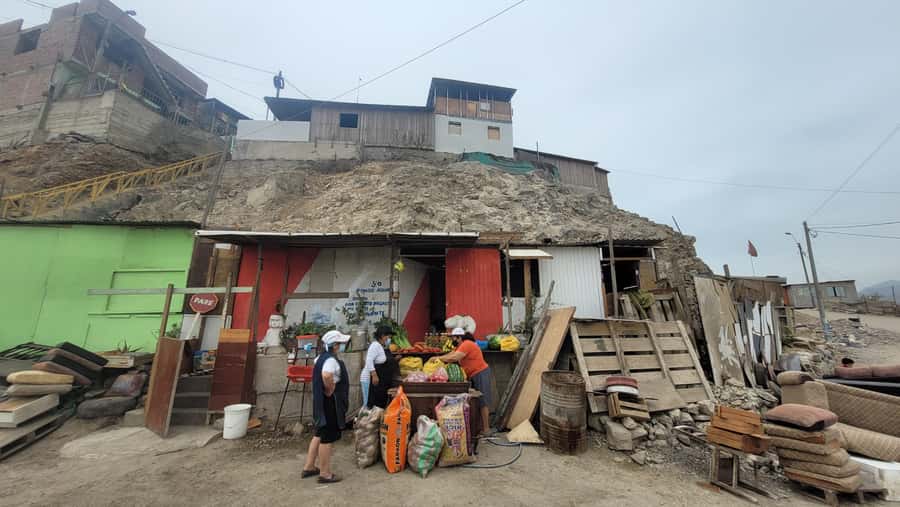
The visit inside Villa El Salvador lasts about 70 minutes. The group walks with a community leader or guide, who explains the area’s community system, history, politics, and religious life as you move through it.
This guided structure matters. Without context, stairs, homes, and market stalls would tell you only part of the story. The guide connects ordinary sights to the district’s beginnings and explains how residents made the area more accessible and organized.
Two guides praised for this role are Maverick and Leonardo. Their approach has been described as passionate and focused on how and why the community was built, and by whom. Nataly has also been singled out for making the visit educational while giving you time to interact with residents.
Guide quality matters more here than it does on a simple viewpoint tour. The subject requires care and explanation. You will get more from the visit if you ask direct questions about the settlement’s growth, local services, and the changes made through urban planning.
The group is limited to eight participants, with at least two people required for the activity to operate. A small group should make the walking portion less awkward and leave more room for questions than a large coach tour.
Yellow stairs and the climb up the hill
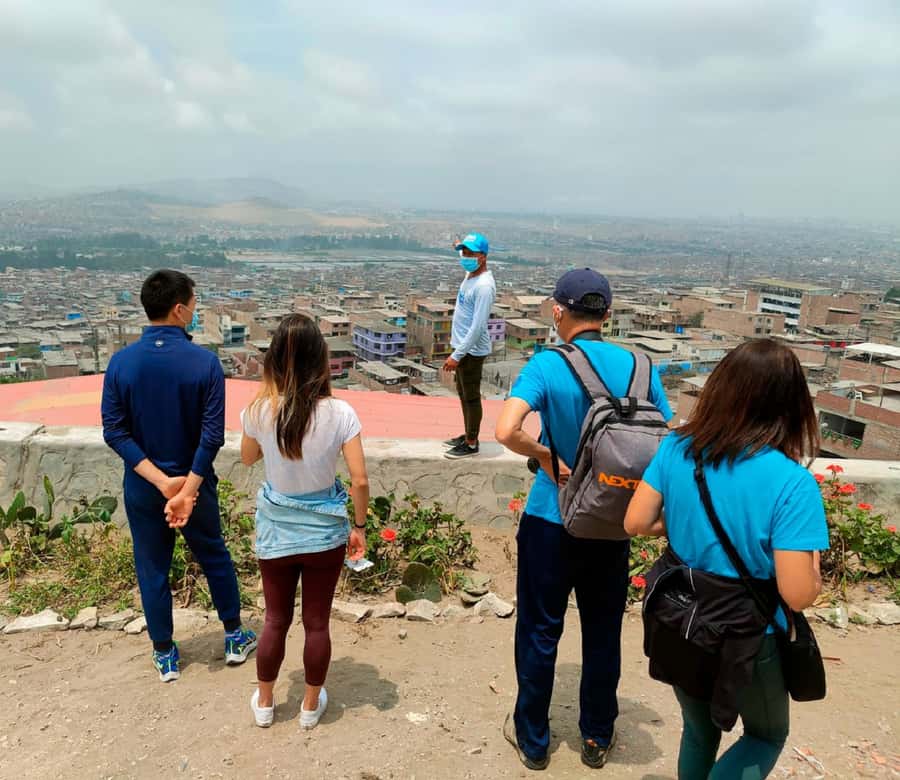
One of the clearest physical features on the walk is a set of yellow stairs. They form part of an urban project intended to improve access to homes on the hillside.
The stairs are more than a colorful photo stop. They show how a practical public project can change daily life in a settlement built on sloping ground. Better access can matter for reaching homes, schools, markets, and other local services.
You should be ready for a real climb. The tour information specifically says you must be able to go up and down stairs, and wheelchair users cannot take part. It does not describe the exact number or steepness of the stairs, so comfortable clothing and suitable walking shoes are sensible choices.
Bring water, a hat, sunglasses, and sunscreen. Lima can have strong daylight even when the coast looks gray. The tour does not include food or drinks, so carry what you need for the outing.
Somewhere else entirely, still within reach of Lima:
- From Lima: Day trip to Paracas, Ica and Oasis Huacachina
★ 4.6 · 409 reviews - Private transfers from Lima Airport or to Lima Airport
★ 4.0 · 359 reviews - Lima: Paracas and the Huacachina Oasis Guided Day Tour
★ 4.5 · 354 reviews - Lima: The Charm of Barranco & Pre Inca Pyramid in Miraflores
★ 4.9 · 322 reviews
Views over Lima, the Lurin Valley, and the Pacific
The higher sections open to broad views of Lima, the Valley of Lurin, and the Pacific Ocean. These are among the tour’s strongest visual rewards.
The viewpoint also gives you a useful sense of scale. From above, you can see how a large settlement relates to the wider capital and the coast. It is a different view from the waterfront and central districts most first-time visitors see.
Bring your phone or camera if you enjoy city views. The tour allows time for panoramic pictures, but remember that this remains a neighborhood visit, not a viewpoint-only excursion. The photos work best when paired with the story of how the district grew beneath you.
The exact visibility can vary with Lima’s conditions. The advertised sightlines include the city, the Lurin Valley, and the Pacific, but coastal haze can affect how sharply each appears on the day.
Homes, neighbors, and the human side of the visit
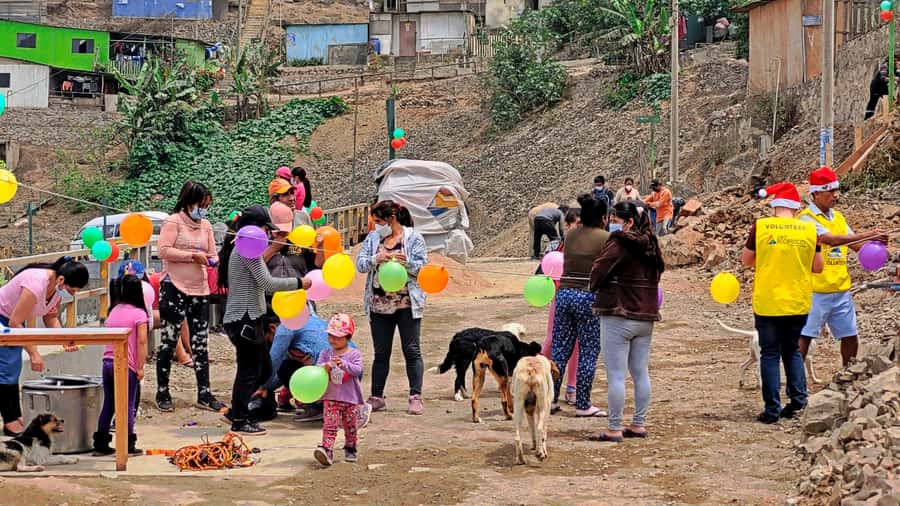
The tour includes visits to homes where you can meet neighbors and take pictures with them in their traditional houses. This is the part that makes the outing different from a standard history walk.
You are given a chance to speak with residents rather than only hearing a guide describe them. That direct contact can make the district’s development easier to understand. Personal stories and ordinary household settings bring scale to a history that might otherwise feel abstract.
This part calls for good judgment. Follow the guide’s lead around private homes and people, and treat photography as a shared moment rather than something you are entitled to collect. The activity specifically includes pictures with neighbors, but a respectful approach will help keep the exchange comfortable.
Children appear along the route, and the weekend version includes seeing children playing in the streets. On weekdays, the tour may visit a kindergarten. The kindergarten is available Monday through Friday only, so do not count on that stop if you book a Saturday or Sunday departure.
The description also refers to visits to homes and schools, but the specific school visit provided is the weekday kindergarten. That distinction is useful when planning your expectations.
Market shelves and the community kitchen
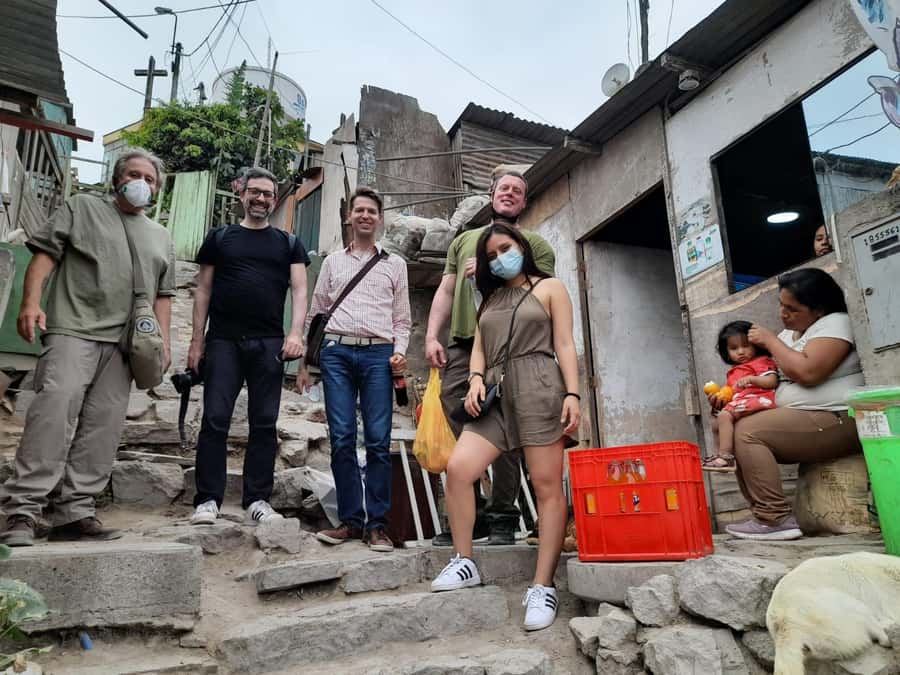
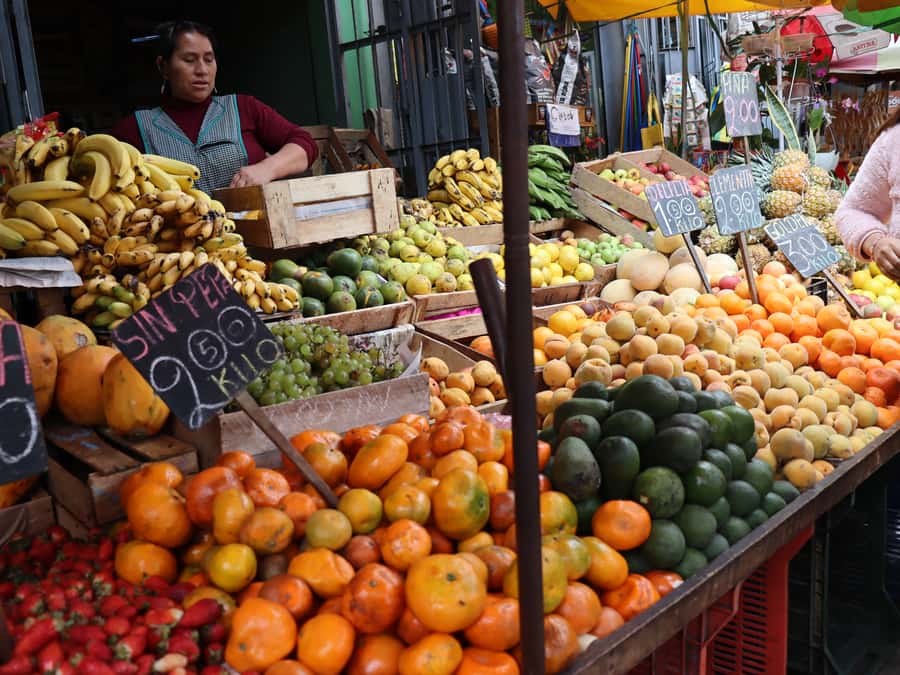
The local market offers a look at basic products used in daily life. It is a small but useful stop because it shifts the focus from settlement history to how people shop and meet everyday needs.
You will also visit a community kitchen where people without enough resources receive meals each day. This stop adds an important layer to the tour. It shows a practical form of local support and gives the guide a chance to explain how community services work on the ground.
Food is not included for you, so do not confuse the community kitchen with a visitor lunch stop. It is part of the local community system, not a restaurant or scheduled meal service for the tour group.
The market and kitchen also help balance the visit. You are not only looking at buildings or hearing about the past. You are seeing places connected to food, support, and routine life in the district today.
What the $61 price includes
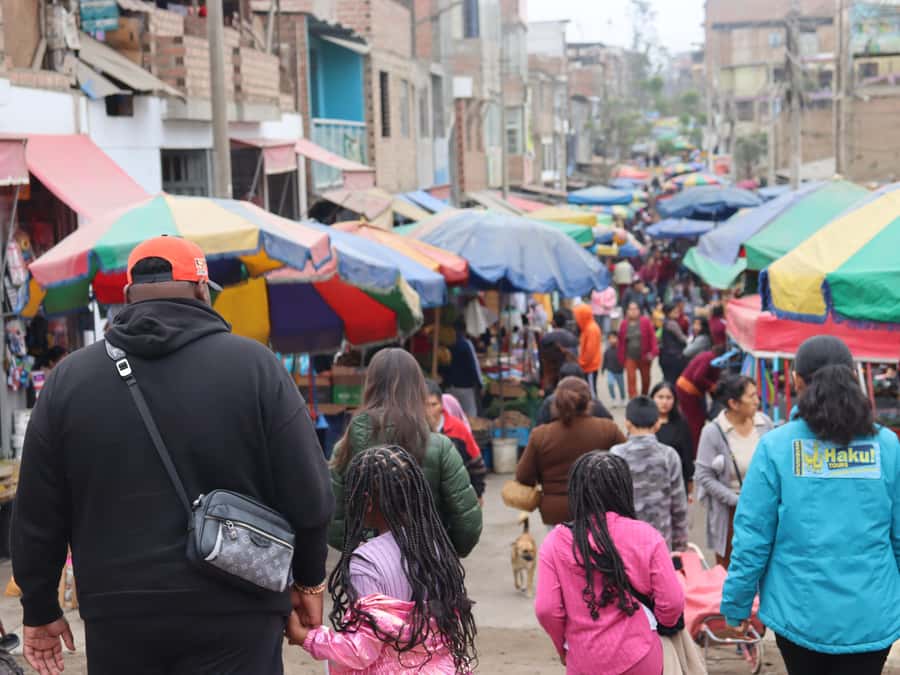
At $61 per person, the tour is not the cheapest way to spend a morning in Lima. Its value depends on what you want from a city visit.
The price covers hotel pickup and return in the listed districts, the van transportation, an English or Spanish-speaking guide, tolls, parking, and the guided walk through Villa El Salvador. You are paying for access and interpretation, not simply a ride to a viewpoint.
The small group helps justify the cost. With no more than eight participants, the guide can explain the neighborhood in a more personal way and manage conversations during home and community visits. A larger group would likely make those interactions less natural.
The experience is especially good value for you if you have already seen Lima’s main historic and coastal sights and want to understand the capital’s recent growth. It is less useful if you are mainly looking for food, shopping, architecture, or a long list of famous landmarks.
Meals and drinks are not included. Bring water and anything else you need, since the tour lasts 210 minutes and includes a walk in the sun.
Who should book this Villa El Salvador visit
I would recommend this tour to you if you are interested in:
- Modern Peruvian history and urban development
- Community-led change and local services
- Meeting residents in a structured, guide-led setting
- Seeing a side of Lima beyond Miraflores, Barranco, and San Isidro
- Small-group tours with time for questions
- A short outing that fits into half a day
It suits all ages according to the activity information, provided you can manage the stairs. Parents should note that the weekday kindergarten and weekend street-play portions differ, and neither should be treated as a guaranteed school program every day.
This is not the right choice for you if you use a wheelchair, dislike walking on hills, or want a relaxed vehicle tour with no physical effort. It may also be uncomfortable if you prefer not to visit residential areas or take part in direct conversations with local people.
The tour requires at least two participants, and departures are subject to availability. Free cancellation is available up to 24 hours before the activity, and you can reserve now and pay later, which gives you some flexibility when arranging a Lima schedule.
Should you book this tour?
Book it if you want a respectful, human-scale look at how Lima grew from informal settlements into a modern capital. The strongest elements are the local explanation, the chance to meet residents, the yellow stairs, the community kitchen, and the views across the city and Pacific coast.
The experience is praised for passionate guiding and real interaction. Guides such as Maverick, Leonardo, and Nataly appear to bring energy and care to a subject that could easily be handled in a shallow way.
Skip it if your time in Lima is very limited, you cannot climb stairs, or you want a conventional sightseeing route. For the right visitor, the $61 cost buys something a standard city tour cannot: a clearer understanding of the people and community systems behind Lima’s recent growth.
FAQ
Where does the tour pick me up?
Pickup is available from centrally located hotels in Miraflores, San Isidro, and Barranco.
How long does the tour last?
The full activity lasts 210 minutes, or about three and a half hours.
How long is the drive to Villa El Salvador?
The van journey takes about 40 to 45 minutes each way.
How long do I walk inside Villa El Salvador?
The guided walking visit lasts about 70 minutes.
What languages does the guide speak?
The live guide is available in English and Spanish.
Can I visit the kindergarten on any day?
The kindergarten visit is available Monday through Friday only. On weekends, you will see children while they are playing in the streets instead.
Is the tour suitable for wheelchair users?
No. You must be able to climb and descend stairs, and the activity is not suitable for wheelchair users.
What should I bring?
Bring sunglasses, sunscreen, comfortable clothes, water, and a hat. You should also bring your passport, or a copy of it.
Recently added around Lima
- Enjoy Lima Walking Historic Center, Plaza San Martin and Plaza de Armas★ 5.0 · 3 reviews
- From Lima: City tour Prehispanic + Colonial & Modern Lima★ 5.0 · 3 reviews
- Lima: City Sightseeing Panoramic Bus Tour★ 3.3 · 3 reviews
- City Tour Colonial and Modern Lima for 5 Hours★ 3.2 · 3 reviews
- Lima: Lunuhuaná Extreme All In + Cerro Azul + Rafting + ATV + Canopy★ 4.4 · 3 reviews
- Lima: Shanty Town Exploration★ 5.0 · 3 reviews
- Lima: Tour to Huaca Pucllana and Huaca Mateo Salado★ 5.0 · 3 reviews
- Lima: Historic Center Walking Tour with Pisco Sour Tasting★ 5.0 · 3 reviews
Lima Tours, compared.


Full Day Paracas Ica and Huacachina from Lima All Included
Read our review →
Lima’s Vibrant Heritage: Exploring the City’s Landmarks Half-day
Read our review →

Paracas and the Huacachina Oasis Guided Day Tour
Read our review →
The Charm of Barranco & Pre Inca Pyramid in Miraflores
Read our review →
Full Day to Paracas and Huacachina Desert Oasis
Read our review →
Pachacamac Ruins & Barranco Half-Day Guided Tour
Read our review →Browse the lists this tour appears in