
Reviewed · LIMA TOURS
Lima: Pre-Inca Temple of Pachacamac
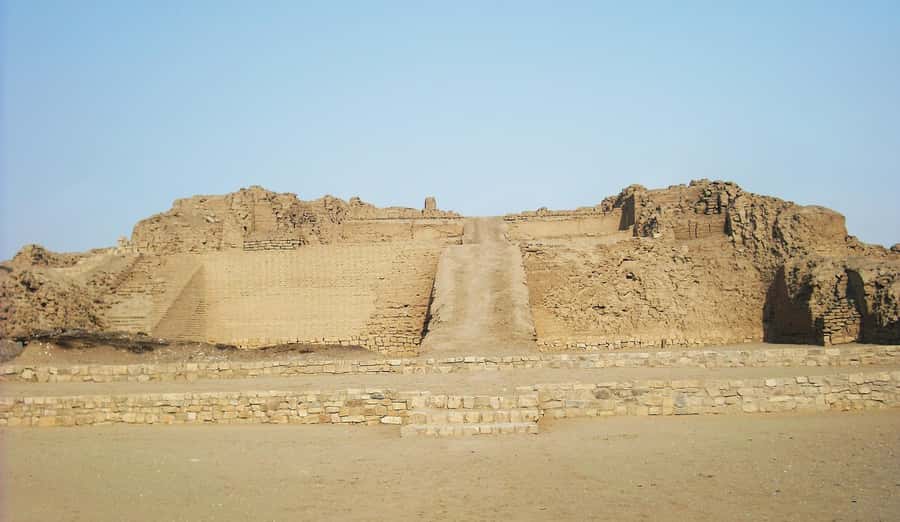
Pachacamac is Lima’s great archaeological outing, a vast clay-built religious center that grew for more than a thousand years. I like the three-hour visit because it gives you time to see several temple areas, and I like that admission, transport, and an official guide are included. The main drawback is the long van transfer and a museum visit that may feel rushed.
I also like the clear hotel pickup from Miraflores, San Isidro, or Barranco, plus the chance to hear the site explained in English or Spanish rather than trying to decode a large ruin on your own. Bring water, sunscreen, and a hat. This is an open-air archaeological visit, not a shaded museum stop.
Key points to know before booking
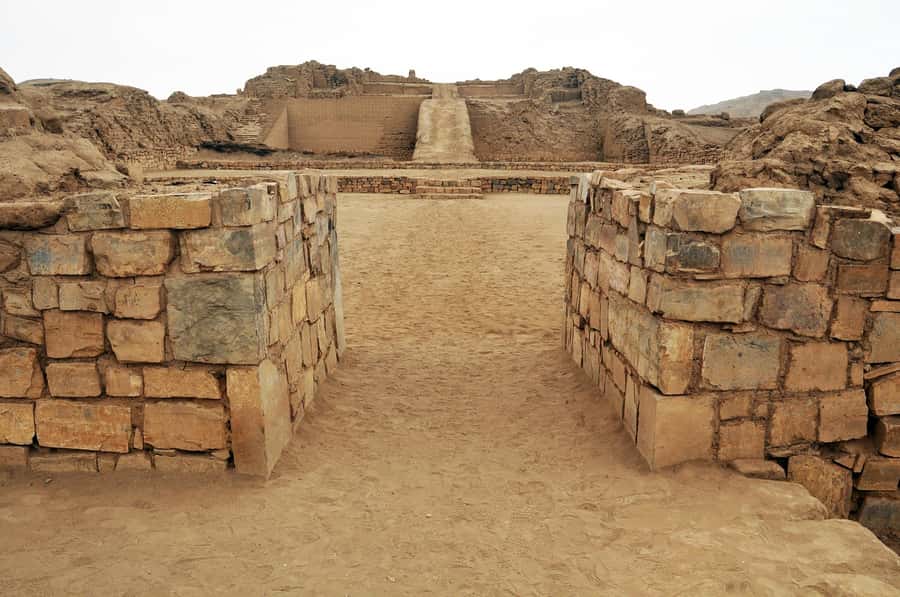
- Pachacamac grew between 200 and 1450 AD: Several successive cultures shaped this religious center over many centuries.
- Clay architecture is the star: The temples and pyramids show how much could be built from earth and careful construction.
- Three hours at the site: You visit the archaeological complex and the Pachacamac Site Museum with a guide.
- Pickup is limited to three Lima districts: The service covers Miraflores, San Isidro, and Barranco.
- The $66 price bundles the basics: Transport, a guide, and the entrance ticket are included, but food, drinks, and gratuity are not.
- Plan for sun and walking: Sunglasses, a hat, sunscreen, water, and a daypack will make the outing much easier.
Why Pachacamac matters beyond its pyramids
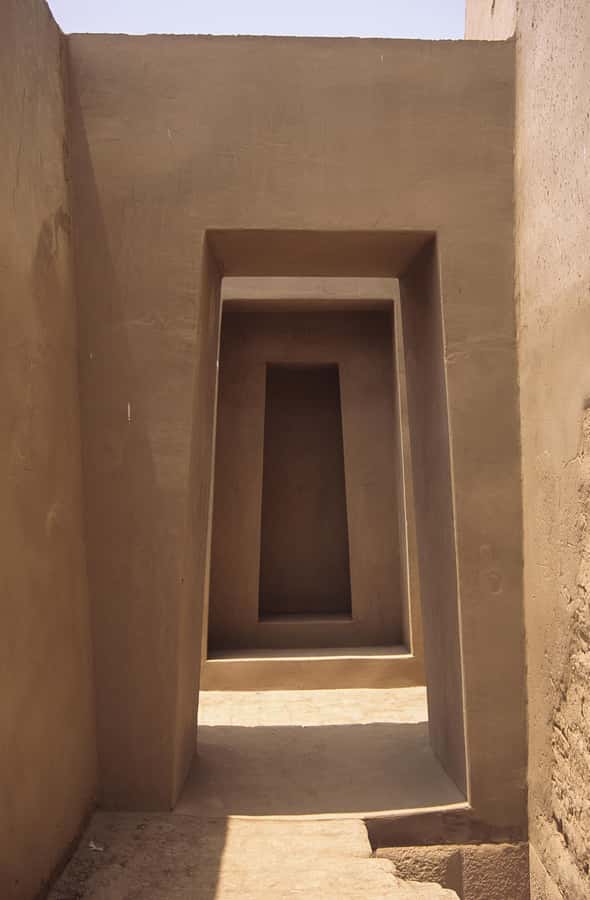
Pachacamac was not built in a single burst. Leaders and communities added to the sanctuary from about 200 AD through 1450 AD, creating a large religious center used by pre-Inca cultures and later incorporated into the Inca world.
That long timeline is what makes the visit worthwhile. You are not looking at one isolated temple from one short period. You are seeing layers of Peruvian history expressed through courtyards, pyramids, sacred buildings, and broad stretches of clay construction.
The site is known as the largest and most important archaeological complex in the Lima area. That scale changes how you should approach it. You will not see every corner in a short stop, but the three-hour guided visit gives you enough time to understand the main sectors and the role of the complex.
Pachacamac was a place of worship, and the tour focuses on the religious and cultural meaning of the temples. Your guide helps connect the buildings to the beliefs and customs of the societies that used them. That context matters because many of the structures are worn, repaired, or partly reduced to earthen walls. Without explanation, it can be hard to tell a temple from a platform or understand why one area mattered more than another.
Other Lima days that pair with this one:
- Lima: Ultimate Peruvian Food Tour
★ 4.9 · 700 reviews - Full Day Paracas Ica and Huacachina from Lima All Included
★ 4.5 · 623 reviews - Lima’s Vibrant Heritage: Exploring the City’s Landmarks Half-day
★ 4.5 · 581 reviews
The ride from Miraflores, San Isidro, or Barranco
The tour begins with pickup from your hotel or lodging in one of three Lima areas: Miraflores, San Isidro, or Barranco. You should be ready ten minutes before the scheduled time and wait in the hotel lobby or outside your lodging.
The transport is by van, and the listed travel portion takes about 80 minutes. That is a meaningful part of a four-hour outing, so keep your expectations realistic. This is convenient door-to-door transport, but it is not a quick hop from central Lima.
The pickup service adds value for anyone who does not want to arrange a taxi or work out public transport to the site. It also makes the return simple. At the end, you are dropped back in Barranco, San Isidro, or Miraflores.
One practical point deserves attention: confirm your exact pickup place when you confirm the reservation. The service does not list every Lima neighborhood, and a nearby meeting point may be needed if your lodging is outside the covered areas.
Three sectors, many centuries of construction
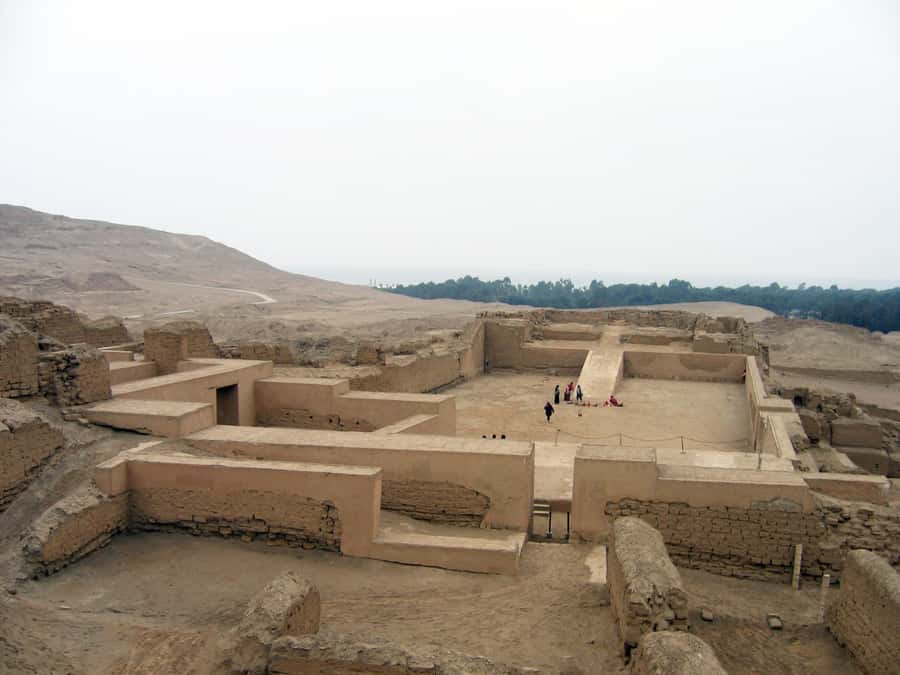
At Pachacamac, the circuit is organized into three sectors. Your guide leads you through the complex and explains the temples one by one, giving you a clearer sense of how the site fits together.
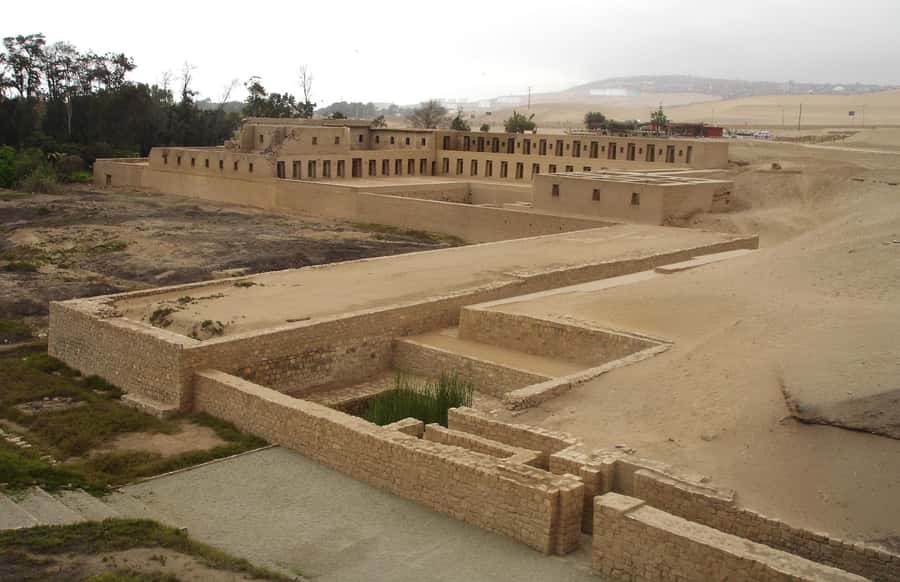
The buildings were made from clay, an especially striking feature in a place now visited under bright coastal skies. The material gives the ruins their earthy appearance and also explains why the remains require care. You are seeing architecture shaped by local materials and preserved through a dry climate, not stone monuments of the sort found elsewhere in Peru.
The temples and pyramids are the center of the visit. The tour description highlights the Pyramids of the Sun and Moon, along with other temple structures across the complex. The names alone may sound familiar, but the value comes from seeing how these monumental buildings relate to the wider sanctuary.
I would pay close attention to the guide’s explanation of the three sectors. That organization helps you keep track of what you are seeing instead of treating the whole site as one long series of earthen walls. Ask questions as you go. The official guide is there to give you the cultural background that the bare structures cannot provide.
There is no promise of a small group or a private tour, so you should expect a shared guided outing unless your booking confirms otherwise. That can mean less freedom to linger at one spot, but it also gives the visit a useful rhythm and keeps the half-day schedule moving.
The Pachacamac Site Museum fills in the blanks
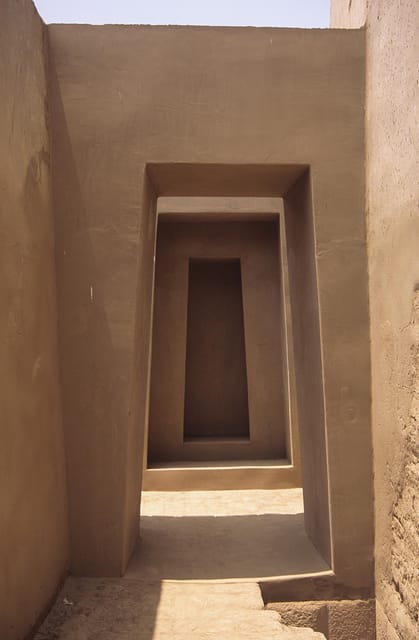
The Pachacamac Site Museum is an important part of the stop. Archaeological ruins often leave you with questions about daily life, worship, and the objects once used in the buildings. The museum helps provide that missing link.
You should not treat the museum as an afterthought. It gives you a chance to see the site’s story in a more organized form before or after walking among the temples. If you have a strong interest in archaeology, you may wish the museum portion lasted longer. The three-hour site visit includes both the museum and the outdoor circuit, so your guide has to divide the time.
That tradeoff is worth knowing before you book. If your priority is seeing the temples and pyramids in person, the schedule works well. If you prefer detailed museum interpretation, you may find the indoor portion brief. Plan to listen closely and ask the guide about any exhibit that catches your attention.
Somewhere else entirely, still within reach of Lima:
- From Lima: Day trip to Paracas, Ica and Oasis Huacachina
★ 4.6 · 409 reviews - Private transfers from Lima Airport or to Lima Airport
★ 4.0 · 359 reviews - Lima: Paracas and the Huacachina Oasis Guided Day Tour
★ 4.5 · 354 reviews - Lima: The Charm of Barranco & Pre Inca Pyramid in Miraflores
★ 4.9 · 322 reviews
What the guide adds to the visit
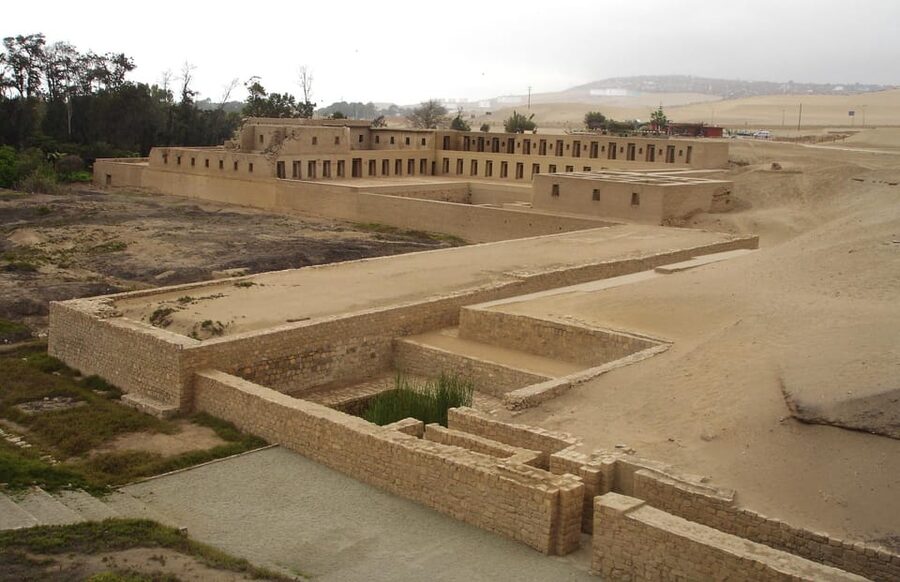
The tour includes an official guide in English or Spanish. That is more useful here than it might be at a simple viewpoint or photo stop. Pachacamac covers a large area, and the meaning of the buildings is not always obvious from their shape.
The guide gives you a broader view of Inca and pre-Inca culture, including the beliefs and traditions tied to the sanctuary. You get more than a list of construction dates. You get a framework for understanding why people built a major religious center here and why later societies continued to use the area.
The guide and driver are also part of the tour’s practical value. A direct hotel pickup, a timed visit, and a guided route remove much of the planning work. If you want to make the most of the visit, arrive with a few questions ready. You might ask how the three sectors differ, how the Inca period changed the site, or which temple is considered most significant.
The tour is offered in English and Spanish, but the available language should be checked when booking. If you are traveling with someone who speaks a different language, confirm that everyone can follow the guide comfortably.
Is $66 a fair price?
At $66 per person, the tour is not the cheapest possible way to reach an archaeological site. But the price includes hotel transport, the entrance ticket, and an official guide. Those inclusions matter in Lima, where arranging separate transport and admission can take extra time and effort.
The main question is how much you value convenience. If you already have a reliable way to reach Pachacamac and can arrange a guide independently, a self-planned visit might cost less. You would then need to manage the ride, entry, timing, and return trip yourself.
I see the strongest value for first-time visitors to Lima, people with only a few days in the city, and anyone who wants historical context without spending a full day away from Lima. The four-hour format leaves room for other plans, although the 80-minute van portion means the actual time at the complex is the key benefit.
Food and drinks are not included, and the tour does not list a meal stop. Eat beforehand and carry water. Gratuity is also separate and left to your discretion.
How to prepare for the open-air ruins
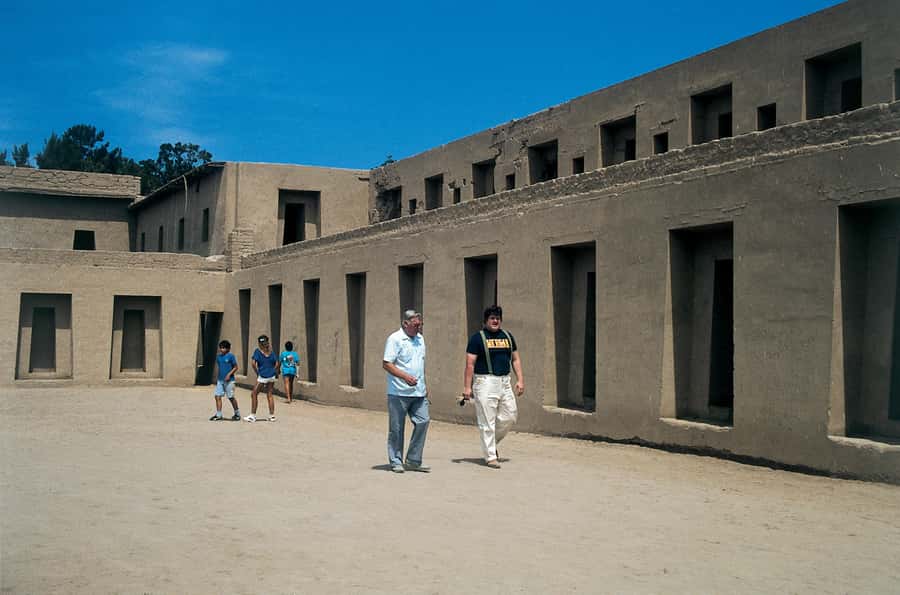
Pachacamac calls for simple but important preparation. Much of the visit takes place outdoors, and the supplied advice specifically recommends sunglasses, a sun hat, sunscreen, biodegradable sunscreen, water, and a daypack.
Wear practical walking clothes and shoes. The activity is not suitable for people with mobility impairments, and the provider also lists it as unsuitable for pregnant women, people over 75, and people with motion sickness.
The motion sickness warning likely matters most during the van ride, especially for anyone who finds long vehicle transfers difficult. If that is a concern, consider your comfort before booking and choose a seat that helps you manage the journey.
Do not arrive at the last moment. Pickup asks you to be ready ten minutes early, and a delayed start can reduce the time available at the museum and archaeological complex. Also check the operating calendar: Pachacamac is closed on Mondays and on some national holidays.
The four-hour schedule in plain terms
The outing begins with pickup in Miraflores, San Isidro, or Barranco. After the van transfer, you spend about three hours at Pachacamac with the guide.
That three-hour block includes the site museum and the archaeological circuit. You visit the three sectors and learn about the temples, pyramids, and the religious role of the complex. The exact order may depend on the day’s schedule, but you should expect a mix of outdoor walking and museum time.
The return takes you back to one of the same three Lima areas. Since the total duration is four hours, check the starting time carefully before making restaurant reservations, museum plans, or airport arrangements.
The itinerary is compact, not leisurely. It gives you a focused look at one of Lima Province’s major archaeological sites, but it does not offer unlimited time for photography or private exploration.
Who will enjoy this tour most?
I would recommend it to you if you want a straightforward introduction to Peru’s pre-Inca and Inca past without leaving Lima for a full day. It suits visitors who like ancient architecture, religious history, and guided sightseeing.
It is also a good fit if you are staying in Miraflores, San Isidro, or Barranco and want hotel pickup rather than a separate transport plan. Families with older children may appreciate the guide’s explanations, though the mobility restrictions and open-air conditions should be considered carefully.
You may want another option if you dislike van rides, need a wheelchair-accessible activity, or prefer spending a long time in a museum. The tour also may not suit anyone who wants a slow, private visit with complete control over each stop.
The strongest praise attached to this outing is simple: the guide and driver are attentive, and Pachacamac itself is considered an essential Lima visit. That combination is the heart of the experience. The one clear weakness is time in the museum, which can feel short if you want more information there.
Should you book Pachacamac from Lima?
Book it if you want the easiest organized route to a major archaeological site and value having the temples explained in English or Spanish. The $66 cost is reasonable when you count transport, admission, and the official guide, especially for a short stay in Lima.
Skip it if you need an accessible activity, dislike vehicle travel, or want a museum-heavy day. For everyone else, Pachacamac offers a worthwhile change of pace from Lima’s city streets, with ancient clay temples, large pyramids, and a useful look at the cultures that shaped the coast of Peru.
FAQ
How long does the Pachacamac tour last?
The tour lasts four hours. The visit to the Pachacamac complex is listed as about three hours, with transport by van included in the schedule.
What is included in the price?
The $66 price includes transport from and back to your hotel or lodging, an official guide, and admission to the Temple of Pachacamac.
Where can pickup and drop-off take place?
Pickup and drop-off are available in Miraflores, San Isidro, and Barranco. You should confirm the exact pickup place when confirming your reservation.
Is a guide included?
Yes. The tour includes a live official guide in English or Spanish.
Is food included?
No. Food and drinks are not included, so you should eat beforehand and bring water.
What should I bring?
Bring sunglasses, a sun hat, sunscreen, biodegradable sunscreen, water, and a daypack.
Is Pachacamac open every day?
No. The Temple of Pachacamac is closed on Mondays and during some national holidays. Check the operating date before you go.
Can I cancel the booking?
Yes. You can cancel up to 24 hours in advance for a full refund. The reserve-now, pay-later option also lets you book without paying immediately.
Recently added around Lima
- Enjoy Lima Walking Historic Center, Plaza San Martin and Plaza de Armas★ 5.0 · 3 reviews
- From Lima: City tour Prehispanic + Colonial & Modern Lima★ 5.0 · 3 reviews
- Lima: City Sightseeing Panoramic Bus Tour★ 3.3 · 3 reviews
- City Tour Colonial and Modern Lima for 5 Hours★ 3.2 · 3 reviews
- Lima: Lunuhuaná Extreme All In + Cerro Azul + Rafting + ATV + Canopy★ 4.4 · 3 reviews
- Lima: Shanty Town Exploration★ 5.0 · 3 reviews
- Lima: Tour to Huaca Pucllana and Huaca Mateo Salado★ 5.0 · 3 reviews
- Lima: Historic Center Walking Tour with Pisco Sour Tasting★ 5.0 · 3 reviews
Lima Tours, compared.


Full Day Paracas Ica and Huacachina from Lima All Included
Read our review →
Lima’s Vibrant Heritage: Exploring the City’s Landmarks Half-day
Read our review →

Paracas and the Huacachina Oasis Guided Day Tour
Read our review →
The Charm of Barranco & Pre Inca Pyramid in Miraflores
Read our review →
Full Day to Paracas and Huacachina Desert Oasis
Read our review →
Pachacamac Ruins & Barranco Half-Day Guided Tour
Read our review →Browse the lists this tour appears in